
One hard summer storm or a soggy fall tropical system can carry a surprising amount of your yard straight down the hill. In North Carolina, from steep mountain lots to sloping Piedmont backyards and sandy coastal banks, bare soil is an open invitation for erosion.
The good news is that native plants with deep, tough roots can grip that soil and slow the water down. Here are ten that pull their weight on a slope while feeding local birds, bees, and butterflies.
1. Switchgrass
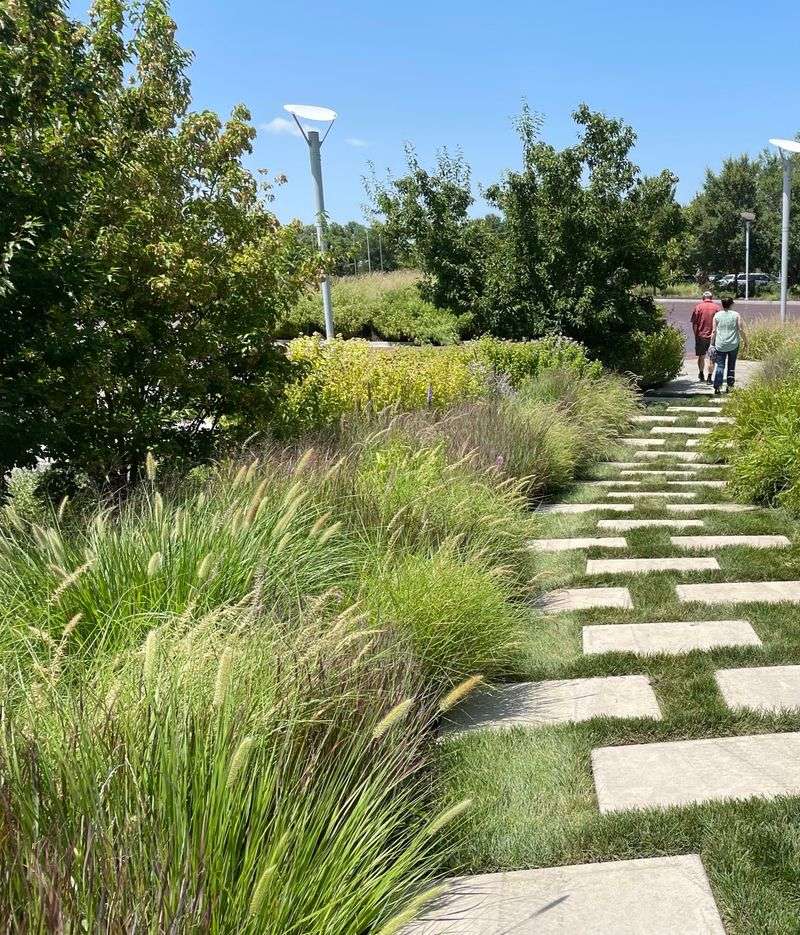
Picture a root system that can reach close to ten feet deep. Switchgrass grows that kind of underground anchor, which is why soil conservation crews have planted it on stream banks and roadsides across the state for decades.
Above ground, it forms upright clumps three to six feet tall with airy seed heads that catch the light in September. Cultivars like Shenandoah turn wine red in fall, adding color just as your summer flowers fade.
It handles red clay, sandy coastal soil, drought, and brief flooding. Plant plugs about two feet apart on a slope, and within a couple of seasons the clumps can knit together into a living erosion barrier.
Cut it back in late winter so birds can enjoy the seeds first.
2. Little Bluestem

Smaller yard, steep bank, full sun? Little bluestem might be the hardest-working grass you never noticed.
It stays around two to three feet tall, so it won’t swallow a front slope or block the view from your porch. Its fibrous roots spread into a dense mat that may help hold loose soil better than turf grass, which usually roots only a few inches down.
The real show comes in fall. Blue-green summer blades shift to copper and rusty orange, topped with fluffy silver seed tufts that juncos and sparrows pick at all winter.
Give it lean, well-drained soil and skip the fertilizer. Rich soil actually makes it flop.
3. Virginia Sweetspire
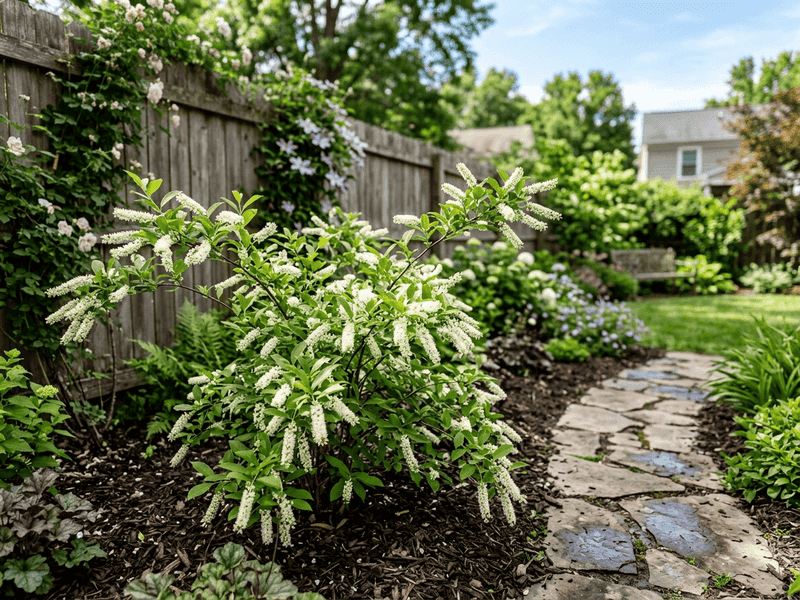
Some shrubs just sit there. Virginia sweetspire wanders, sending up new stems from spreading roots, and on a slope that habit is a gift.
Native to stream edges throughout North Carolina, it tolerates wet feet, part shade, and heavy clay. Fragrant white flower spikes appear in late spring and draw a crowd of bees.
By October, the leaves turn burgundy and scarlet and often hang on well into winter.
Use it along a drainage swale or the low end of a slope where water collects. Space plants three to four feet apart and let them fill in.
Henry’s Garnet is a popular selection with especially rich fall color.
4. Christmas Fern
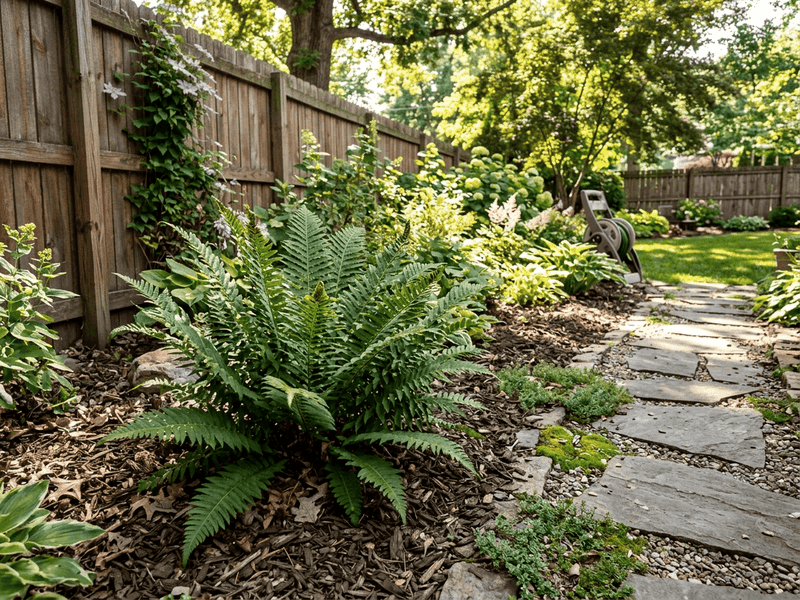
Walk any wooded hillside in the Blue Ridge or Piedmont and you’ll likely spot Christmas fern holding the soil under the trees. It got its name from staying green through December, when settlers used the fronds for holiday decoration.
For a shady slope where grass gives up, it’s a smart pick. The clumps stay evergreen, so the ground is covered even in winter storms when deciduous plants are bare.
Plant them about 18 inches apart in staggered rows. Leave fallen leaves around them as a natural mulch.
Deer usually leave them alone too, which matters a lot in mountain neighborhoods.
5. Fragrant Sumac
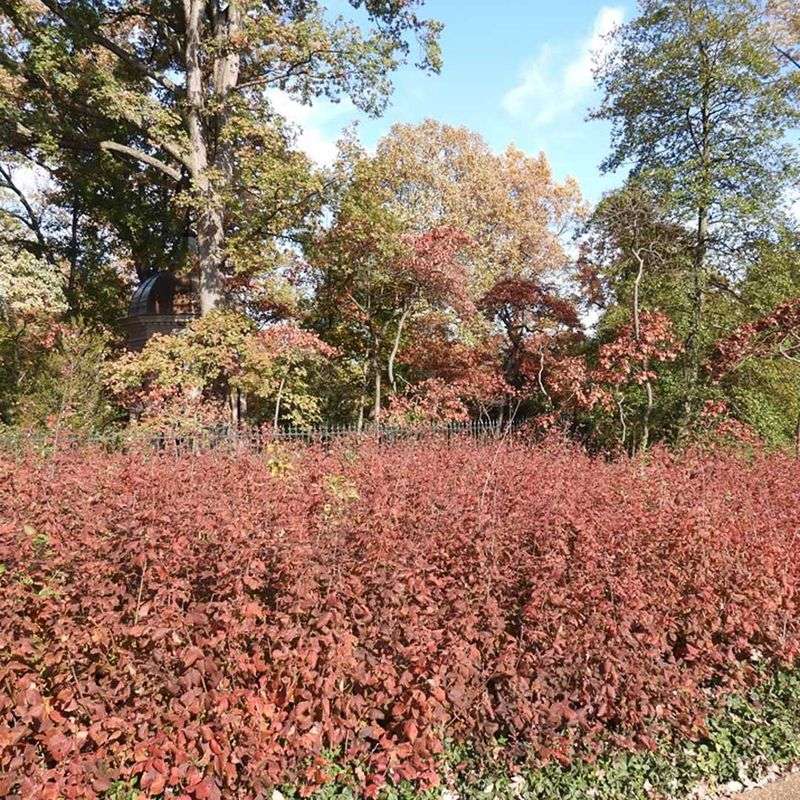
Got a sunny, dry bank where nothing seems happy? Fragrant sumac laughs at those conditions.
The Gro-Low variety stays about two feet tall but spreads six feet or more, rooting as it goes. That low, wide growth covers ground fast and helps break the force of heavy rain before it hits bare soil.
Leaves smell lightly citrusy when crushed and blaze orange and red in fall. Female plants bear fuzzy red berries that birds eat.
And no, it’s not poison sumac, so you can weed around it without worry.
6. Coral Honeysuckle
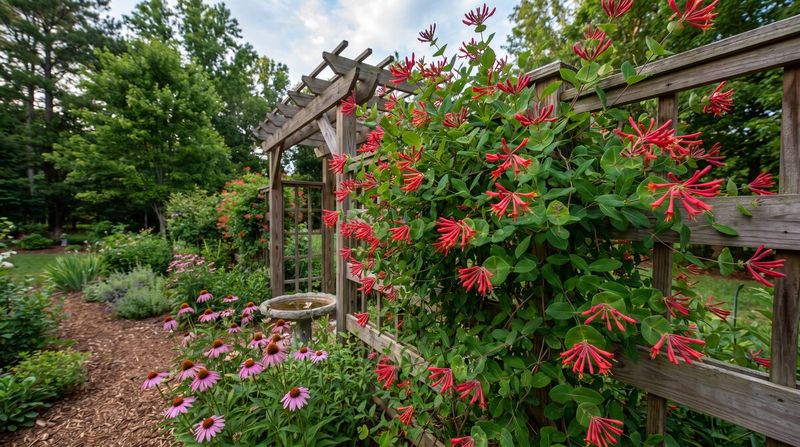
A hummingbird zipping across a hillside is a pretty great reason to plant a vine as groundcover. Coral honeysuckle brings them in with bright red tubular flowers from spring into summer.
Most people grow it on fences, but let it sprawl and the stems root where they touch soil, helping stitch a slope together. Unlike invasive Japanese honeysuckle, this native won’t smother your woods.
It does best in sun to part shade across all three regions of the state. Pair it with grasses or shrubs, since it covers better as part of a mix than on its own.
7. Green and Gold
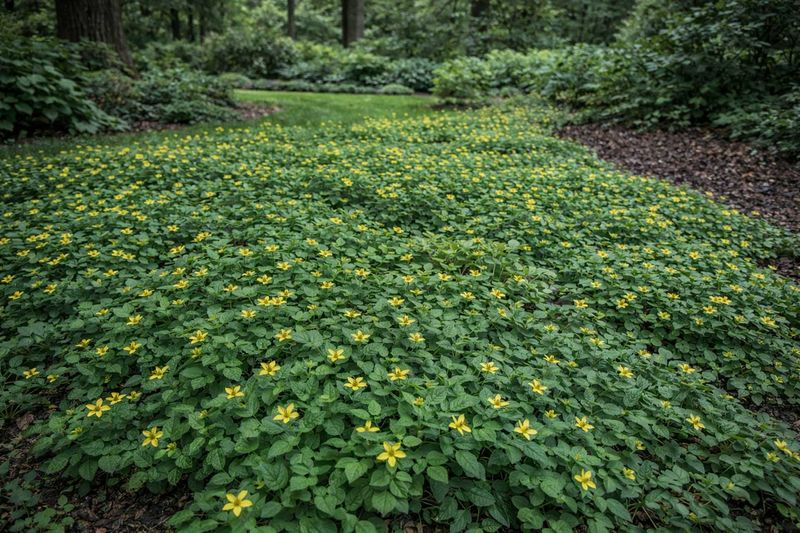
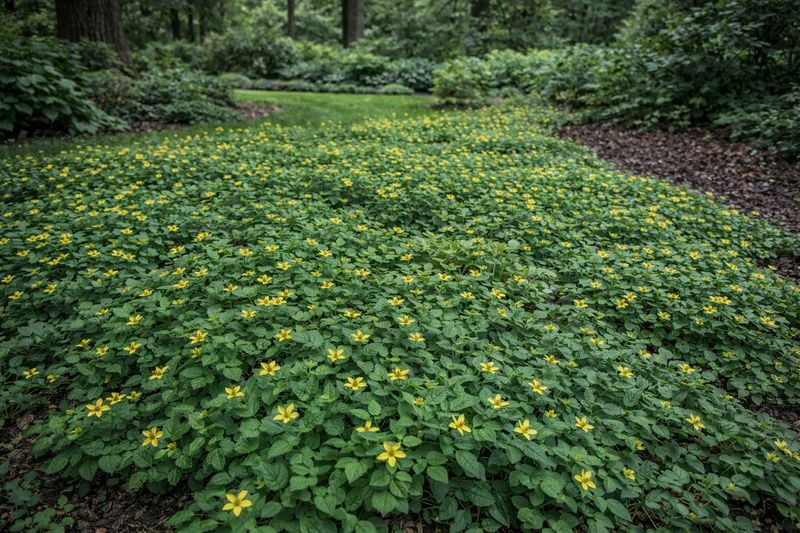
Cheerful little yellow stars dotting a slope in April. That’s green and gold, a low native groundcover that could replace a struggling patch of grass on a shady bank.
It spreads by runners into a dense mat only a few inches tall, which helps keep soil from splashing loose when rain hammers down. In the warmer Piedmont and coastal plain it often stays semi-evergreen.
Give it part shade and decent drainage. It’s also a solid native swap for imported groundcovers like vinca or English ivy, both of which can escape into natural areas.
8. Inkberry Holly
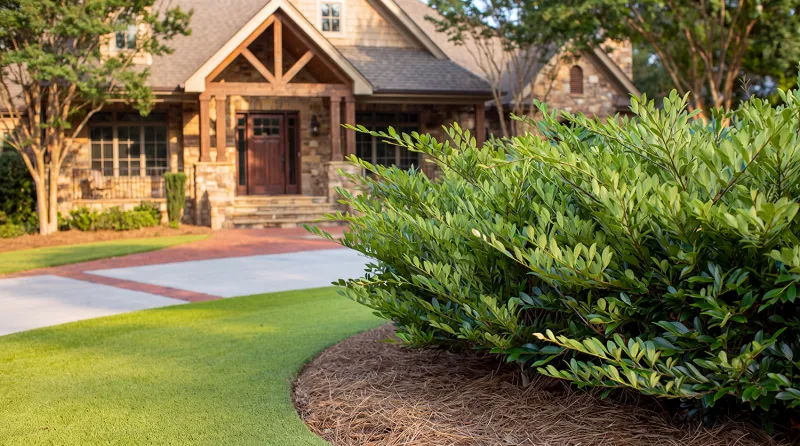
Down east, where sandy soil drains fast and storms roll in from the Atlantic, inkberry holly earns its keep.
This evergreen shrub is native to North Carolina’s coastal plain and spreads slowly by underground suckers into thick colonies. Year-round leaves keep protecting the soil through winter nor’easters.
Bees love the small spring flowers, and the black berries feed birds into winter. It tolerates wet and dry spots, salt spray, and part shade.
Compact forms like Shamrock work well on smaller slopes near the house.
9. Black-Eyed Susan
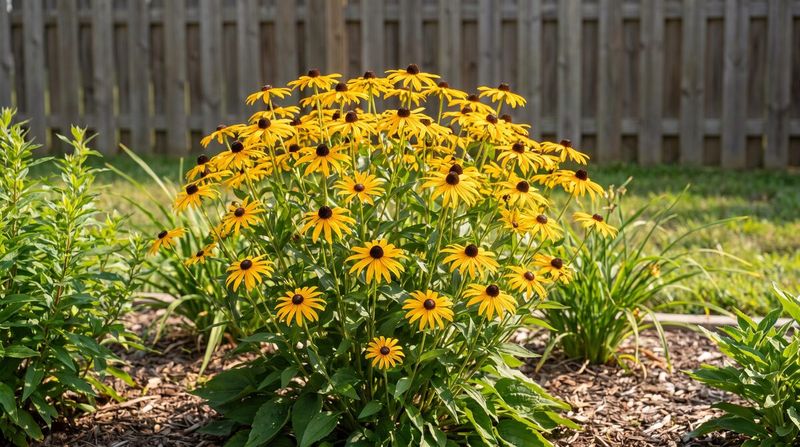
Honestly, it’s hard to find a quicker start for a raw, freshly graded slope. Black-eyed Susans sprout fast from seed and spread by self-sowing, covering bare patches while slower plants settle in.
Their roots aren’t the deepest on this list, so think of them as the first responders. Mix them with switchgrass or little bluestem for long-term holding power.
Golden blooms run from summer into early fall, feeding bees and butterflies, and goldfinches eat the seeds afterward. Late September is a fine time to scatter seed on prepared soil, since winter cold helps it germinate in spring.
10. Pennsylvania Sedge
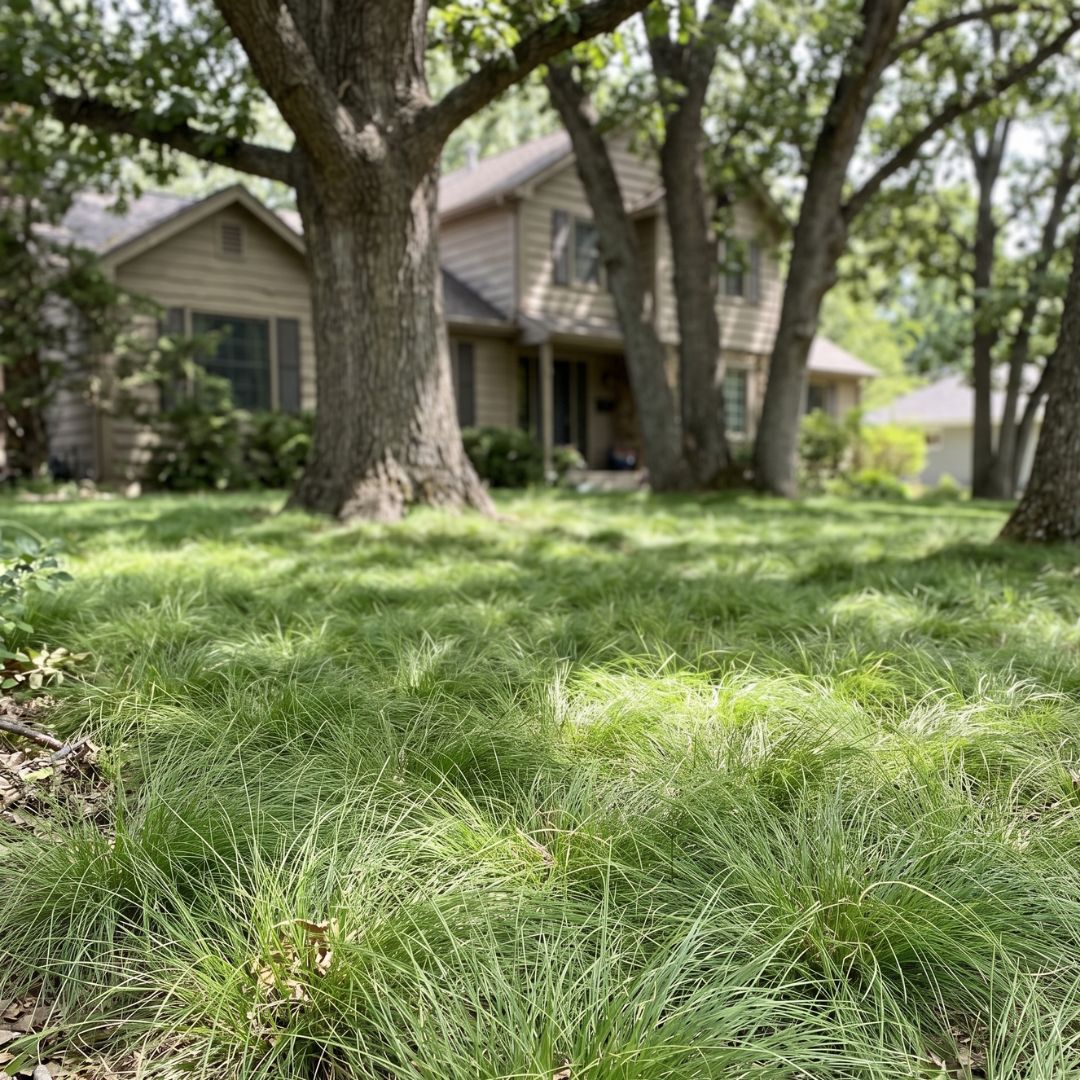
Mowing a steep, shady hill is no fun, and it can be dangerous. Pennsylvania sedge offers a way out.
This fine-textured native looks like soft, flowing grass but stays under a foot tall and rarely needs cutting. It spreads slowly by rhizomes under trees, where lawns thin out and rain starts carving gullies.
It’s found naturally in North Carolina’s mountains and Piedmont woodlands, and it can handle dry shade once established. Plant plugs about a foot apart this fall, while soil is still warm and rain is more steady, and they can root in before winter.
As a final tip, add a layer of shredded leaf mulch or jute netting on any slope you plant. That small step may help hold soil in place until roots take over.