
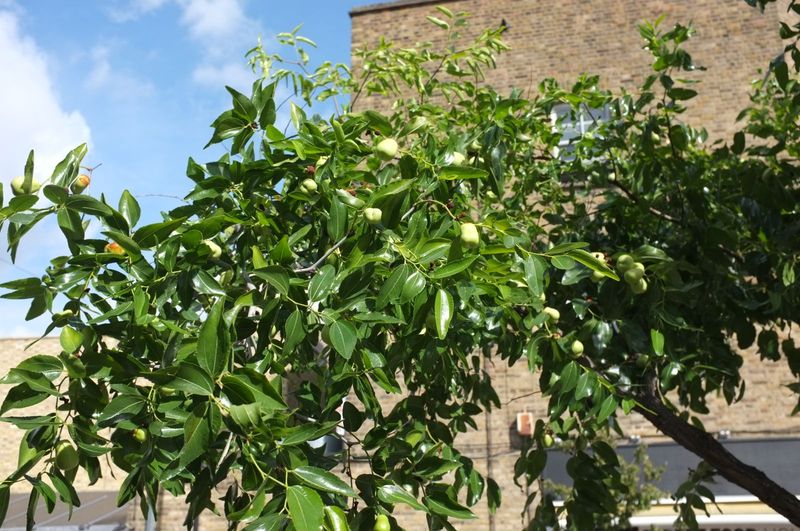
Dry spells can turn a young fruit tree into a watering chore fast. Chinese jujube has a reputation for handling heat and dry soil better than many backyard fruit trees.
That makes it a tempting pick for North Carolina yards, but the full story has a few catches. Here is what to know before you plant one.
Jujube tolerates drought, but it is not drought-proof
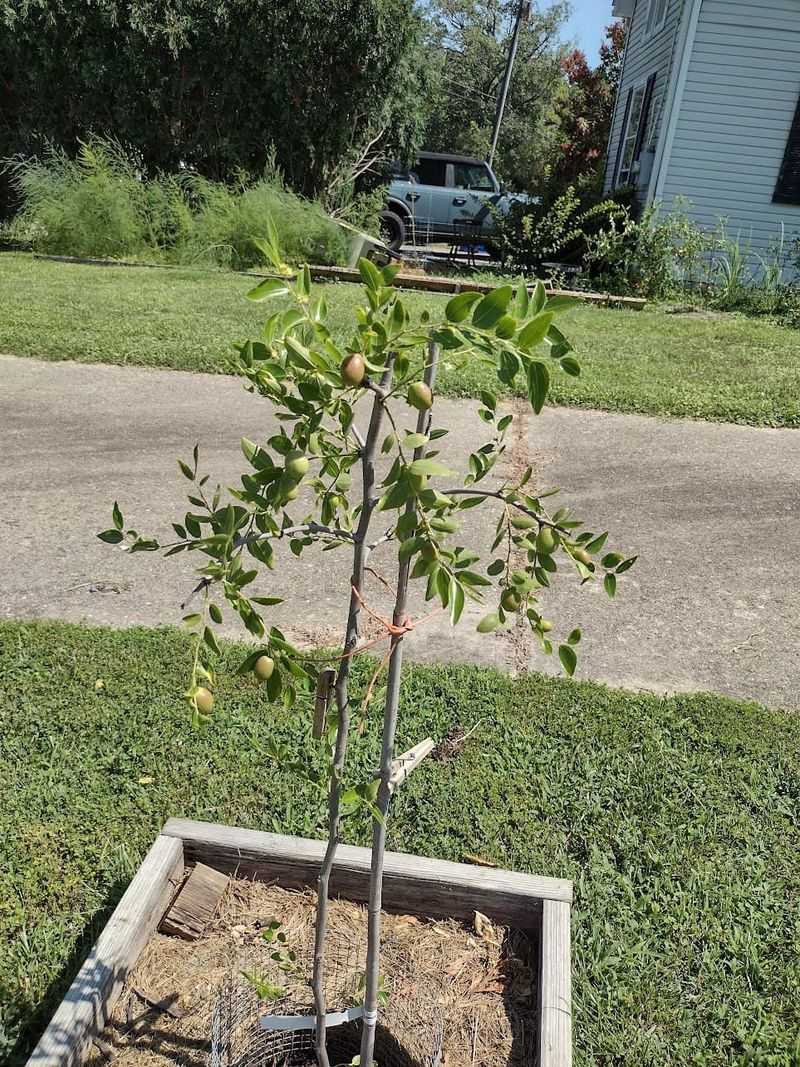
Chinese jujube (Ziziphus jujuba) has earned its tough-tree reputation honestly. NC State’s plant profile lists it as tolerant of drought and poor soils, which is a real plus for a yard that bakes in July and August.
Still, tolerating a dry spell is not the same as thriving through one. A tree can survive without much water and yet drop its fruit-making potential to a trickle.
Surviving and cropping are two different jobs.
That difference shows up in the extension guidance. Texas A&M AgriLife says mature trees tolerate some drought but perform best with consistent moisture.
University of Arizona Extension goes a step further and says regular irrigation is needed for a quality crop.
So the word drought-proof does not fit, and neither does a promise of fruit every year. NC State’s general guidance in its Extension Gardener Handbook warns that fruit species outside its recommended lists may grow here but often do not produce quality fruit regularly.
Jujube is not on those lists.
What you get is a resilient tree worth a try. Think of it as a good bet for a yard with dry stretches, not a sure harvest.
If you go in with that mindset, the tree’s strengths make a lot more sense, and a lean year feels like part of the deal instead of a failure.
North Carolina location can affect fruiting

North Carolina stretches from mountain ridges to coastal flats, and a fruit tree that does well in one spot may struggle in another. Elevation, winter lows, and the length of the growing season all change from the mountains to the Piedmont to the coast.
NC State’s Extension Gardener Handbook stresses regional fit when choosing fruit trees. It also cautions that trees outside its recommendations may not give quality fruit on a regular basis.
The jujube profile adds a specific warning. According to NC State’s plant page, fruit may fail to set at the northern edge of the species’ range, where the growing season is too short.
Here is the plain truth: the sources reviewed for this article do not show that jujube fruits dependably in every region or every yard in the state. Nobody can promise that your tree, on your lot, will crop well.
That does not rule it out. It means you should treat your first tree as a test.
Notice how your yard behaves, such as how early spring warms up and how long summer heat lingers, and ask your local extension office what neighbors have seen. A tree planted with realistic expectations is much easier to enjoy.
Choose a sunny site and water the tree as it establishes
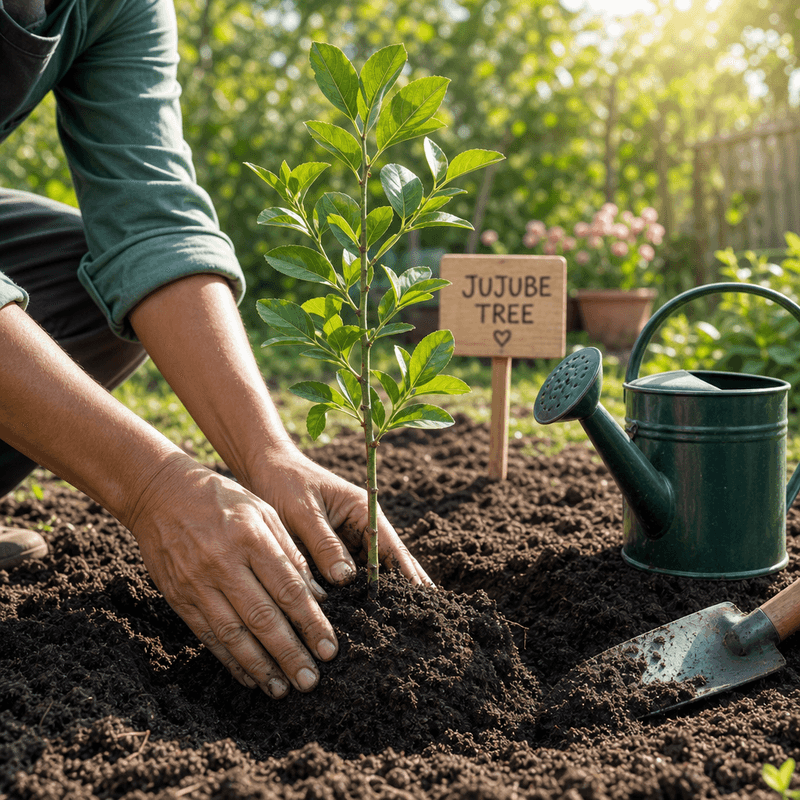
Start with the spot. Jujube wants full sun and well-drained soil, and Texas A&M recommends exactly that.
NC State’s profile says the tree tolerates poor soils but prefers well-drained, moist soil.
Tolerating poor soil is not the same as loving every patch of ground. A low corner where water sits after heavy rain is a bad match, even if the tree can handle thin or rocky dirt elsewhere.
If your yard has heavy clay, pick the highest, best-draining, sunniest area you have.
Next comes the part people skip. A newly planted jujube needs water while its roots settle in.
Drought tolerance belongs to established trees, so it is not a reason to leave a young one dry. Check the soil near the root zone and water when it feels dry, rather than following a fixed calendar.
Once the tree is mature, extra water during dry spells can still pay off. Arizona Extension says regular irrigation is needed for a quality crop.
Moisture may support better performance and fruit quality, though it cannot guarantee a harvest.
A simple mulch ring can help hold moisture, and a hose on a slow trickle during a long dry stretch is a reasonable habit to build.
A substantial harvest may take several years
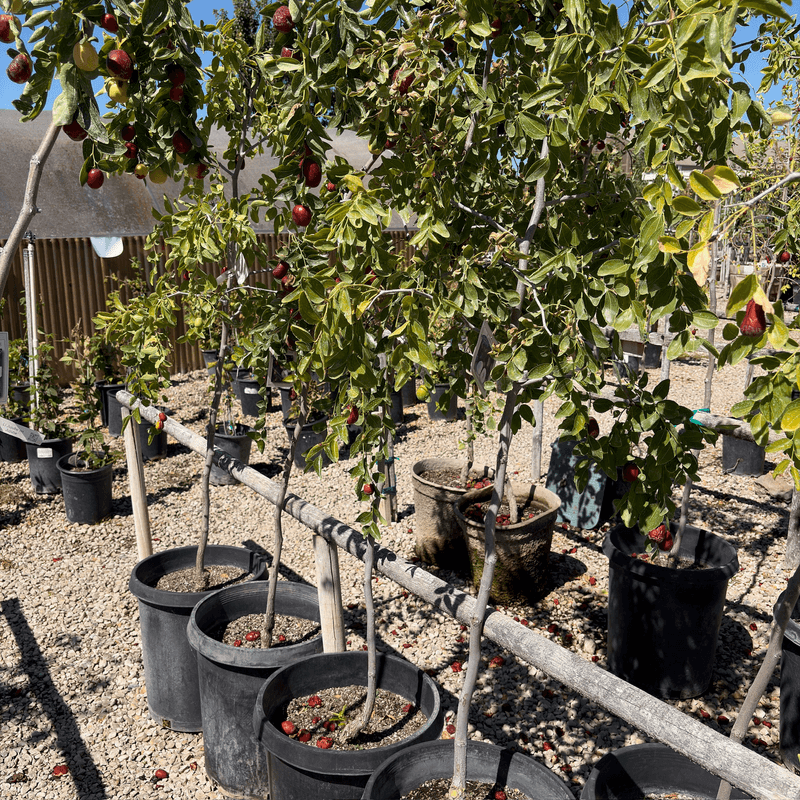
Patience is part of the price. New Mexico State University Extension says most jujube trees reach a reasonable yield after four to five years.
Some cultivars may fruit earlier, so a few fruits in the early years would not be shocking.
That estimate comes from a very different part of the country, so treat it as a rough guide and not a promise for North Carolina. Your tree could be faster or slower depending on cultivar, site, and weather.
Fruit set can also swing from year to year. UF/IFAS Extension reports fruit-set problems in Florida that depend on the cultivar and the year.
That is one more reason to avoid counting on a full basket every fall.
What does this mean for planning? If you want fruit sooner, buy a well-grown tree from a reputable nursery and give it a good start with sun, drainage, and establishment watering.
Then use the early years to learn the tree.
Watch how it leafs out, how it flowers, and whether small fruit hold on. Those clues tell you more about your site than any chart, and they help you decide whether a second tree is worth adding.
Cultivar choice affects pollination and fruit set
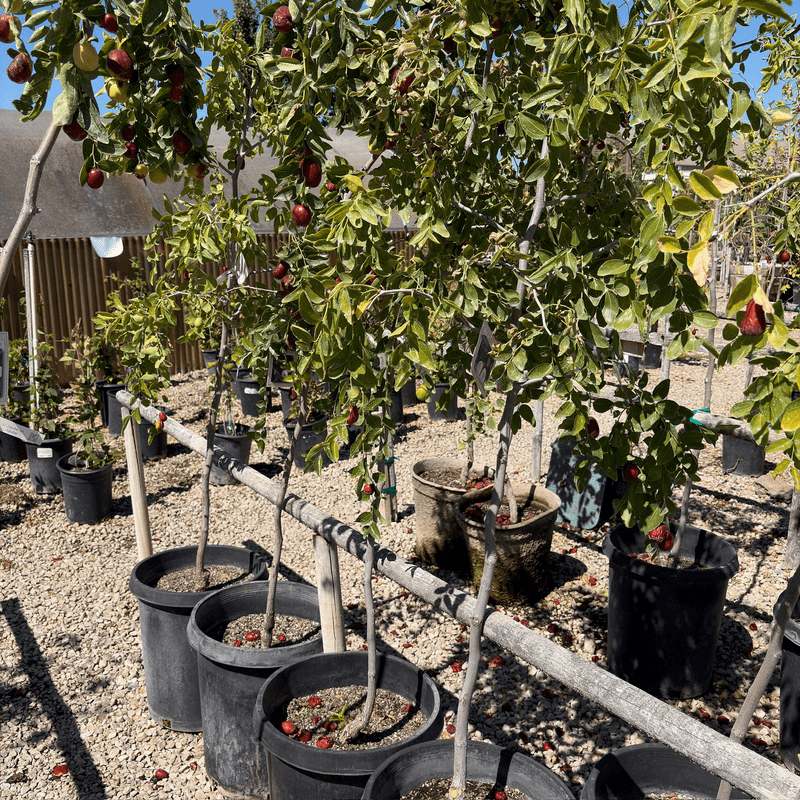
Not every jujube plays by the same pollination rules. Some cultivars, including Li, can set fruit on their own, and Texas A&M says most cultivars, including Li and Lang, are self-pollinating.
Other sources add some nuance. NMSU Extension notes exceptions, since some cultivars require a pollenizer.
In its tested U.S. cultivars, cross-pollination also increased fruit set and fruit size.
So the answer to “do I need two trees?” is: it depends on the cultivar you buy. Ask the nursery whether your pick is self-fruitful or needs a partner.
If you have the room and budget, planting two compatible cultivars is a reasonable way to improve the odds. It is not a requirement for every yard, and it does not guarantee a crop, since weather and location still matter.
A practical move is to check the tag, then write down the cultivar names so you can look up their traits later. If your lot is small, a single self-fruitful cultivar may be the simpler start, with a second tree added later if the first one performs.
Plan for thorns, suckers, and differing pruning advice
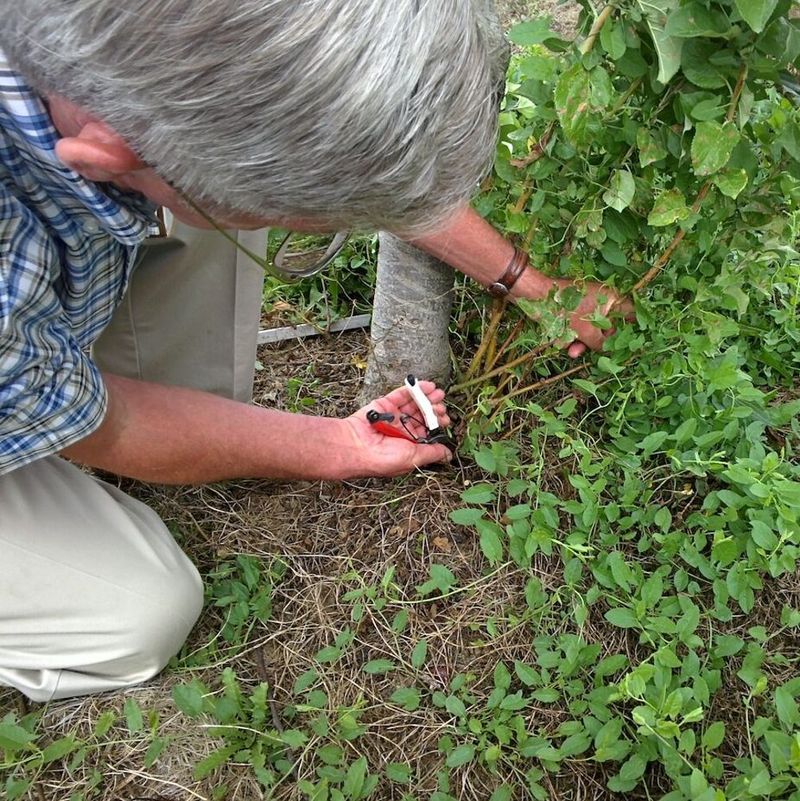
Calling jujube a no-care tree would send you into a few surprises. Many cultivars have thorny branches, and the tree can send up root suckers, sometimes several feet from the trunk.
Texas A&M warns that thorns can injure pedestrians and pets and damage mowing equipment. It advises planting away from walkways and managing suckers as they appear.
Picture where kids, dogs, and the mower travel, then pick a spot outside that path. A back corner with a little buffer beats a place beside the front walk.
Keep gloves handy for harvest and suckers.
Pruning advice is not uniform. Texas A&M and NMSU recommend annual pruning for light in the canopy and for fruit quality.
Meanwhile, California Rare Fruit Growers home-garden guidance says an unpruned tree can still produce.
Neither approach is the one right way. If you like a tidy, open tree and easier picking, a yearly trim fits.
If you prefer a lighter touch, you can try leaving it and see how it fruits. Either way, expect some upkeep.
Expect to pick fruit over several weeks
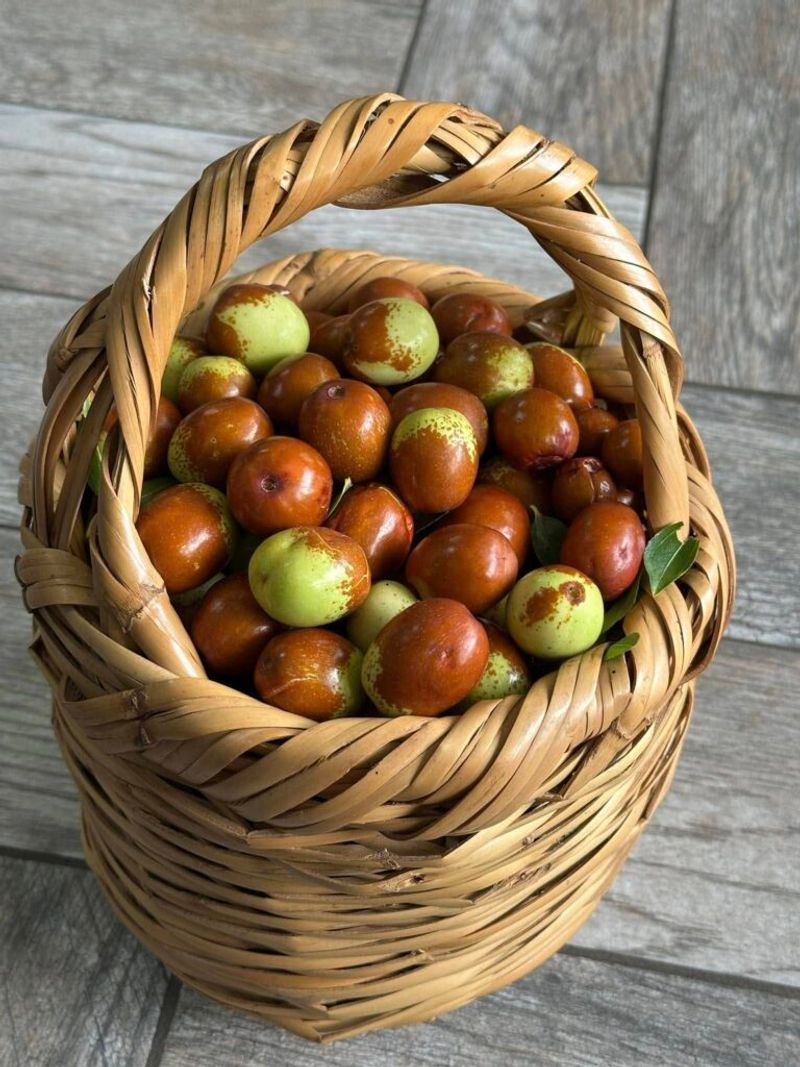
Jujube fruit does not all ripen on the same day. Arizona Extension says a tree’s crop may be picked over several weeks.
That is good news for a home gardener. Instead of one overwhelming pile, you may get a steady trickle that is easy to handle with a quick pass every few days.
Plan to check the tree often once fruit starts to color, and pick what looks ready while leaving the rest. A small basket and a pair of thorn-proof gloves make the job easier.
Remember that each fruit holds a pointed pit, so it is not a seedless snack. Bite with care and plan to toss the pit.
North Carolina ripening dates are not covered here, since no source reviewed gives them. Watch your own tree and note the timing each year so you build a local record.
Choose jujube for resilience, not a guaranteed crop
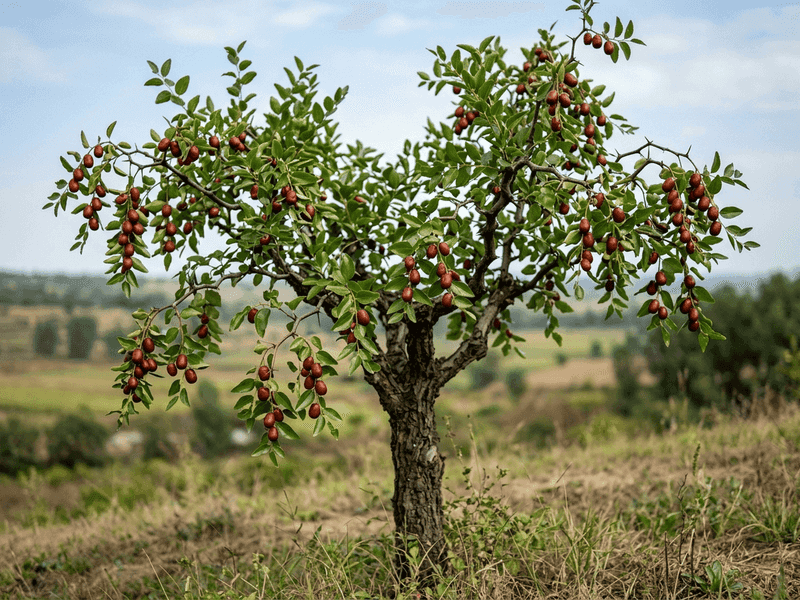
Jujube suits you if you want a tough, drought-tolerant fruit tree, can water it through establishment, have a sunny and well-drained spot, and accept that fruiting in your part of North Carolina is uncertain. Skip it if you need dependable fruit, since NC State does not list it among recommended fruit trees.
Toughness is a reason to plant it. A harvest is a bonus you earn, not a right.