
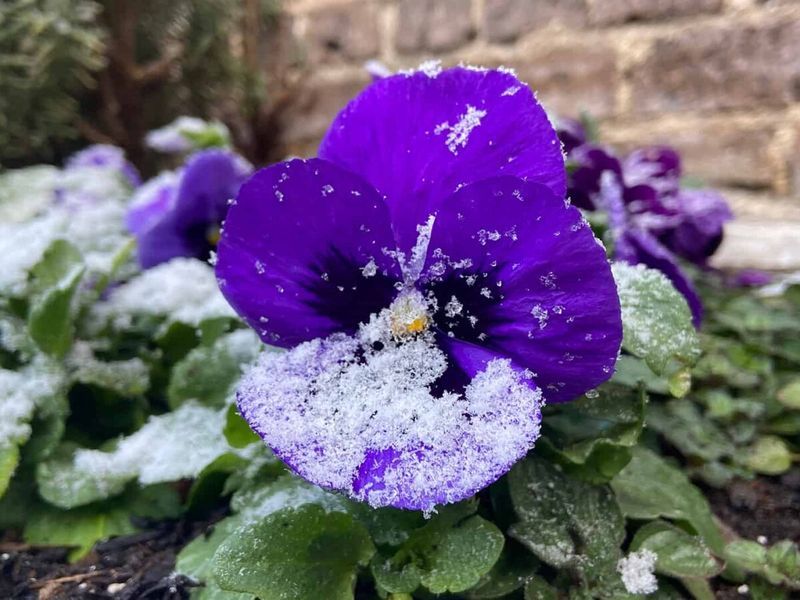
A January morning in Raleigh can dip into the teens, and by lunch your porch pots tell you which flowers were tough enough. Pansies and violas look like cousins, and they are, but they do not handle a hard freeze the same way.
Picking the right one this fall can mean color on your steps all winter instead of mushy, flopped-over leaves. Here is how the two stack up across the mountains, Piedmont, and coast, so you can plant with confidence.
1. The Family Resemblance
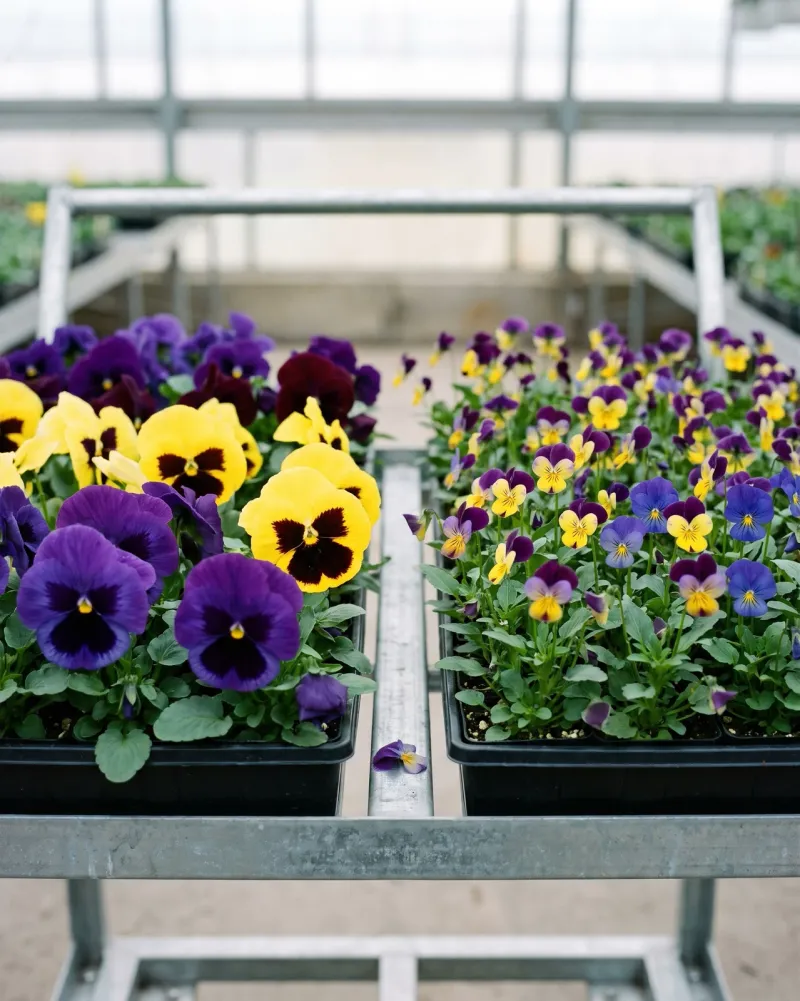
Stand in any NC garden center in October and you will see flats of both, often shelved right next to each other. They belong to the same genus, Viola, and pansies were actually bred from violas back in the 1800s.
That shared history explains why they look so alike.
The quickest way to tell them apart is flower size. Pansies usually carry blooms two to four inches wide, often with a dark blotch that looks like a little face.
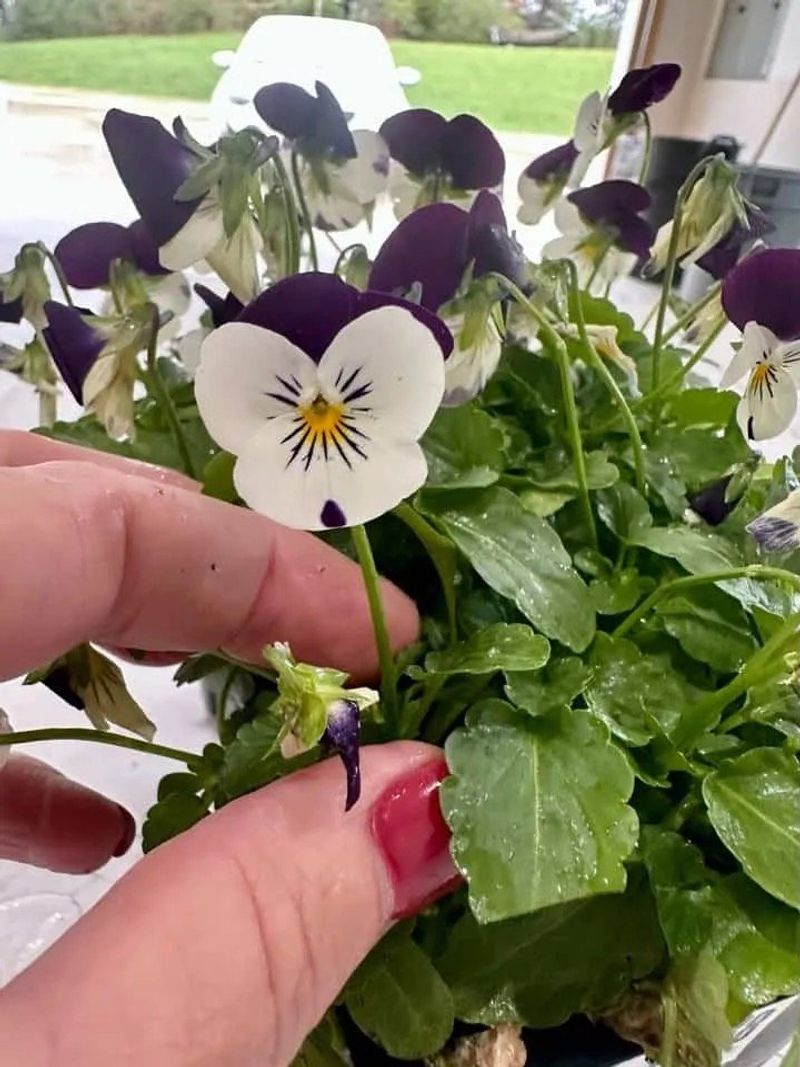
Violas stay smaller, closer to an inch, but they pack many more flowers onto each plant.
That size difference is not just about looks. It ties directly to how each plant handles cold, wind, and bounce-back after a freeze, which matters a lot here in North Carolina.
2. Violas: The Cold Snap Champion
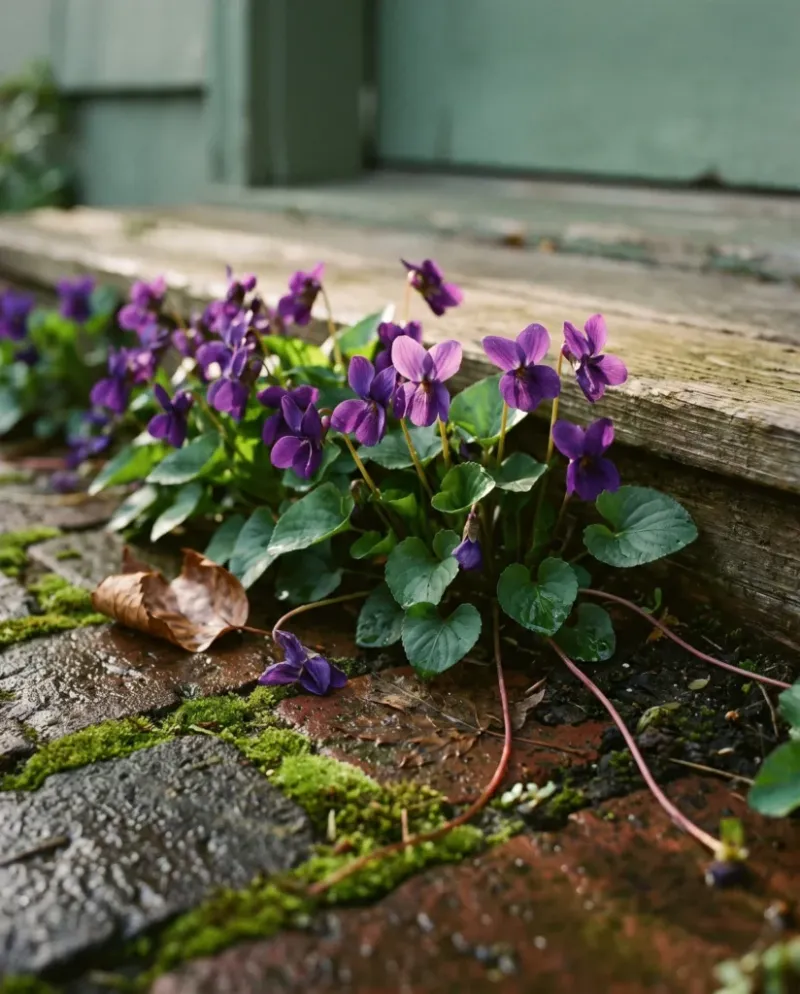
Picture a 15-degree night in Greensboro. The next afternoon, once things thaw, violas often perk back up with flowers still open, while bigger pansy blooms may look bruised.
Small, thick flowers simply have less surface to damage.
Violas also tend to recover faster after a freeze because they set so many buds. Lose a few blooms and a dozen more are waiting behind them.
For most Piedmont and mountain yards, that makes violas the more reliable pick for steady winter color.
They are not invincible, though. Long stretches in the single digits can still burn foliage, so think of them as tougher, not frost-proof.
3. Pansies: Big Color With a Catch
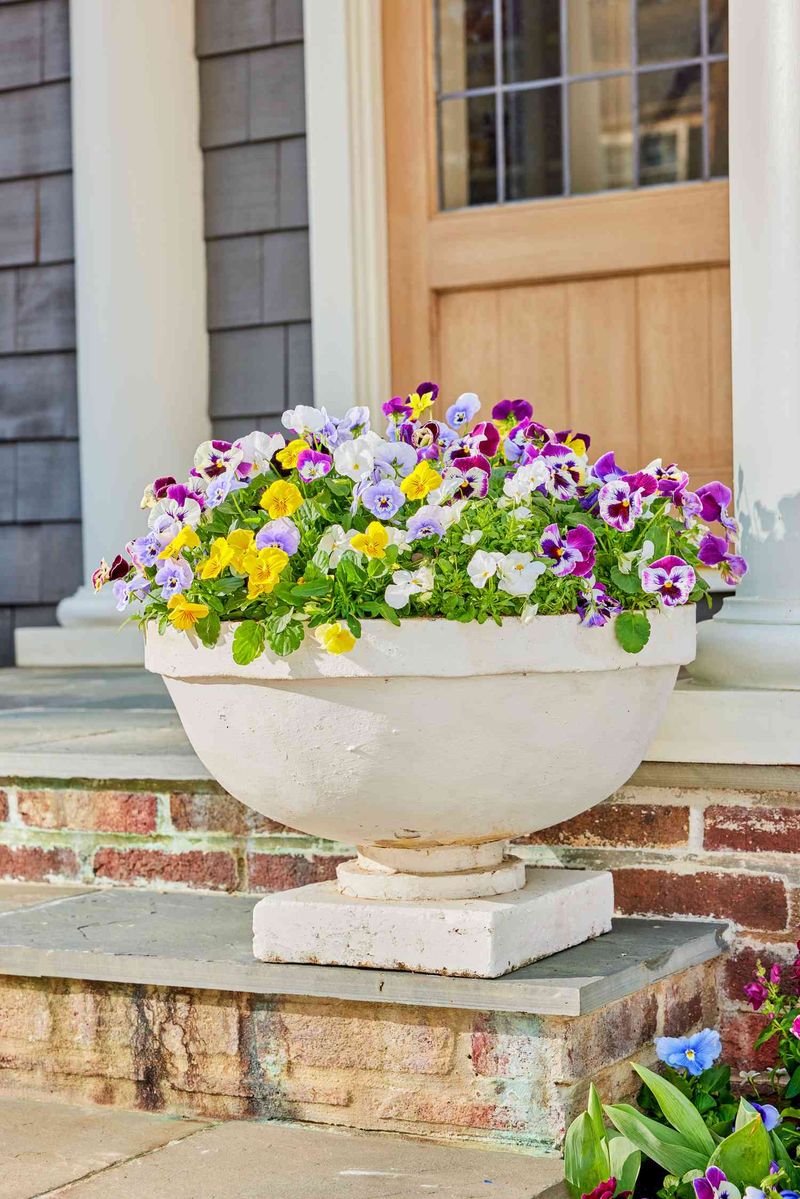
Nothing beats a pansy for curb appeal from the street. Those big, bold faces read clearly from your driveway, and that is exactly why they fill so many porch pots in fall.
The tradeoff shows up in a hard freeze. Pansy plants usually survive, but the open flowers can wilt and turn papery, and the plant may pause blooming for a week or two.
In mild coastal towns like Wilmington, that rarely becomes a problem.
If you love the big blooms, try cold-hardy series such as Cool Wave or Matrix. Plant them where you will see them up close, and accept a short break after the coldest nights.
4. Planting Windows by NC Region
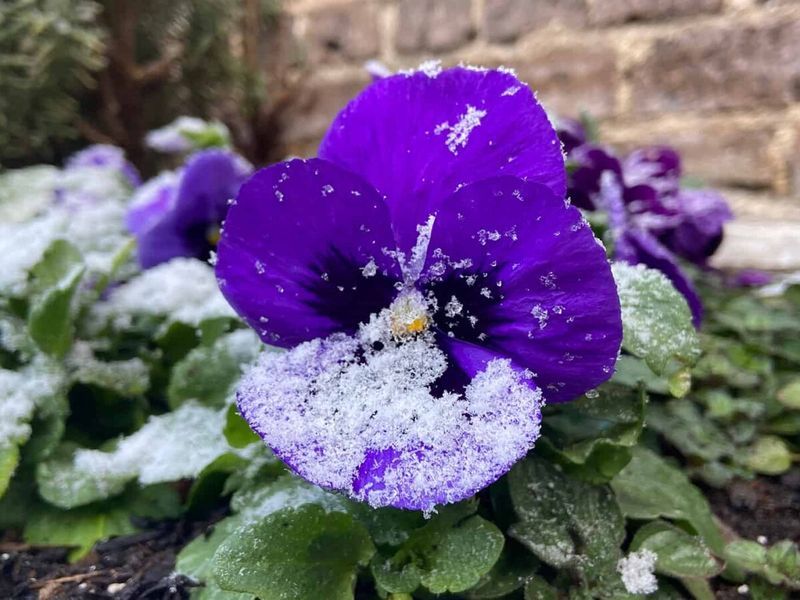
Timing does more for winter survival than almost anything else. Roots need a few weeks of warm soil to settle in before the first real cold arrives.
In the mountains, aim for mid-September to early October. The Piedmont usually does best from late September through October, and the coastal plain can stretch into early November.
These are typical ranges, so watch your local forecast.
Plants that go in too late, after soil cools, often sit still all winter. Planting on time can help them bloom earlier and handle that first cold snap far better.
5. Simple Freeze Prep
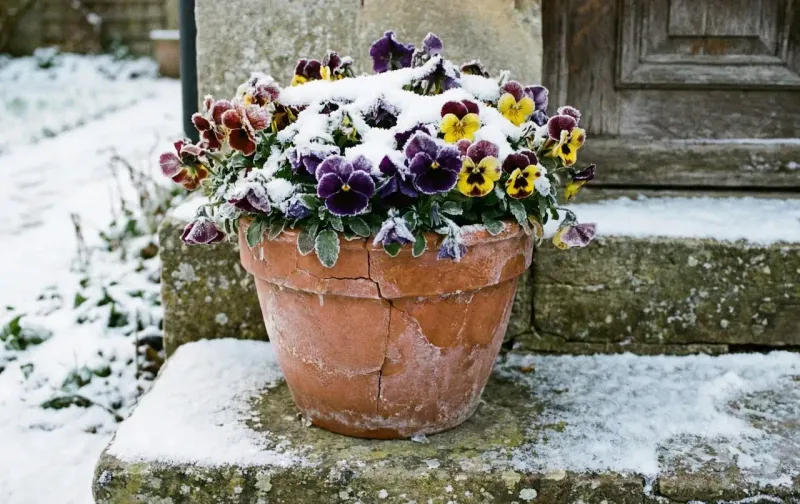
Here is a trick older gardeners swear by: water the bed the day before a hard freeze. Moist soil holds heat better than dry soil, and it may help reduce root damage.
Add two inches of pine straw or shredded leaves around the plants after they settle in. When forecasts call for the teens, toss frost cloth or an old sheet over the bed overnight and pull it off once temperatures rise.
Pots need extra care since roots get colder above ground. Group them against the house, where the wall gives off a little warmth.
6. Feeding and Deadheading
Cold soil makes it hard for plants to pull nutrients. A fertilizer with nitrate nitrogen works better in winter than one heavy in ammonium, which roots struggle to use when soil is chilly.
Pinching off faded flowers keeps both plants blooming instead of setting seed. Violas need this less often since they bloom so freely, which is one more reason they suit low-effort yards.
A light feeding in fall and another in late winter usually carries them into spring.
7. Bonus Perk: Early Pollinator Snacks
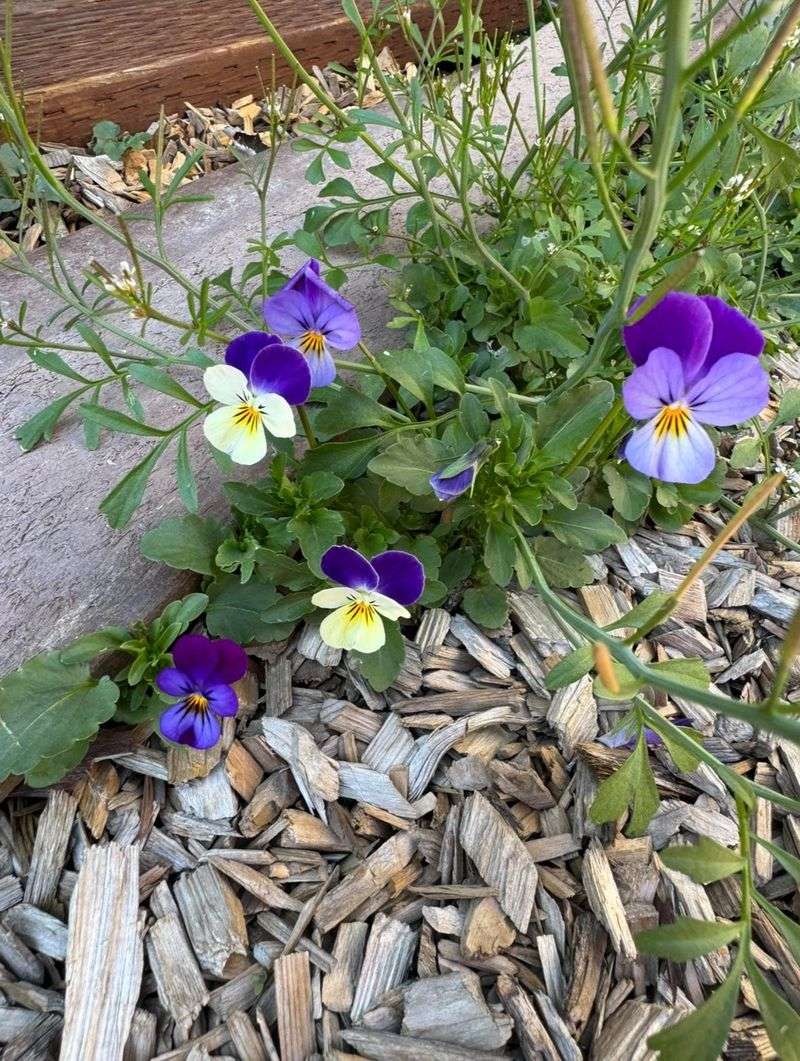
On a warm February afternoon, you may spot a bumblebee working your viola bed. Few other flowers are open then, so these blooms can offer an early snack.
They are not native, so pair them with true natives like our wild common blue violet, Viola sororia, along woodland edges. Neither pansies nor violas are invasive, so they fit a yard that cares for the land.
The bottom line? For blooms that keep going through a cold snap, violas win in most of NC.
Save pansies for spots where big color matters most.