
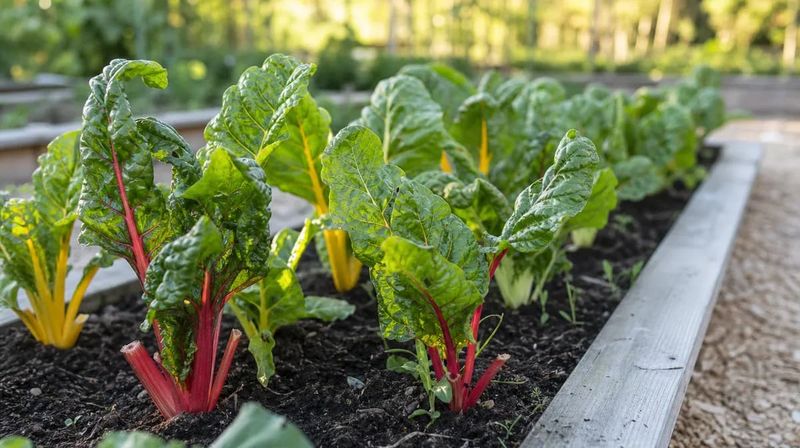
Swiss chard often looks finished once the first cool nights arrive, but many plants still have leaves to give. A simple picking habit and a well-timed cover can stretch your harvest well past the point most gardeners quit.
Neither trick works miracles, and your local weather has the final say. Here is how to get more greens from the plants already in your bed.
Winter harvest depends on your local climate
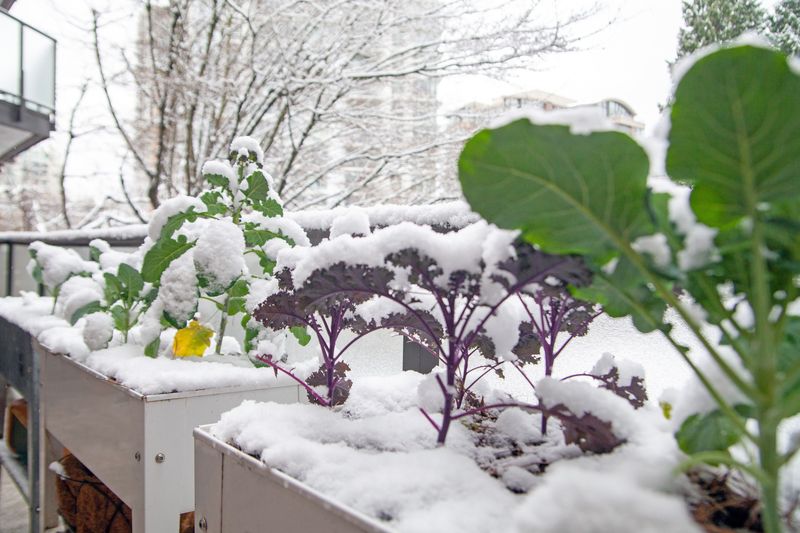
Gardeners in mild parts of the South may pick chard through much of winter, but how much you get depends on where you live and what the weather does. UF/IFAS planting guidance lists September to May for North and Central Florida, but only September to March for South Florida.
Same state, different calendars.
Texas is just as varied. Texas A&M describes chard as tolerant of heat and light freezes, and harvestable year-round in many parts of the state.
Many is not all, though, so a yard in the Panhandle will not behave like one near Houston. Texas A&M publishes separate regional fall planting dates, so check your own county calendar instead of borrowing someone else’s.
Surviving cold and growing in cold are two different things. Purdue’s high-tunnel guidance for Ohio and Indiana notes chard growth slows substantially in January.
That is not a Southern schedule, but it shows why a green plant in winter may still give you few new leaves.
Keep the central growing point intact
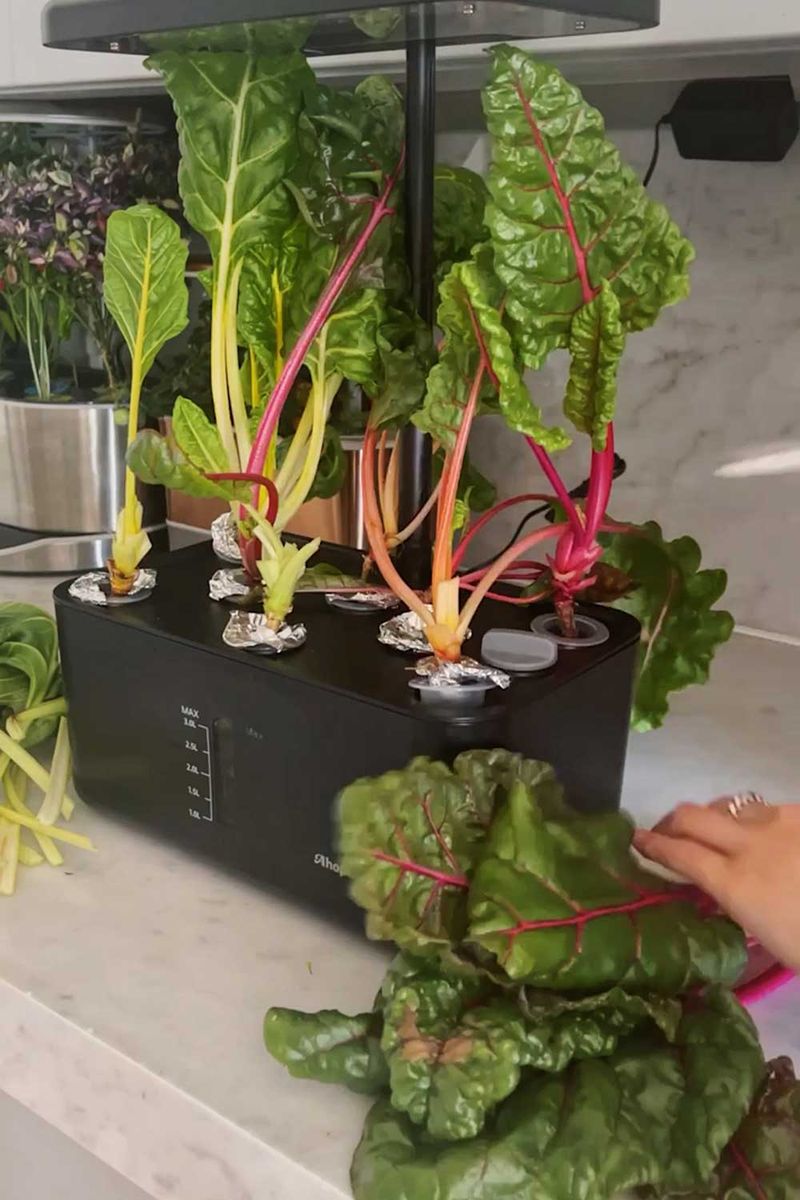
Picking the right leaves is what keeps a plant useful for weeks. Take a few of the biggest, oldest outer leaves or stems at a time, and leave the small young ones in the middle alone.
Illinois Extension advises cutting outer leaves without damaging the terminal bud at the center of the plant.
That bud is where new leaves form. Slice into it, or pull the whole plant, and the supply stops.
Left intact, the plant keeps pushing out fresh growth you can pick later.
UF/IFAS recommends harvesting a few outer leaves at a time for a continuous harvest. A clean knife or a sharp snap close to the base works well.
Aim for leaves about as long as your hand to a forearm.
In cool weather, growth slows, so take less per visit. If a plant looks sparse, skip a week and let it rebuild.
Cutting half a plant on a cold day can leave it struggling.
Cover the planting, not just the crown
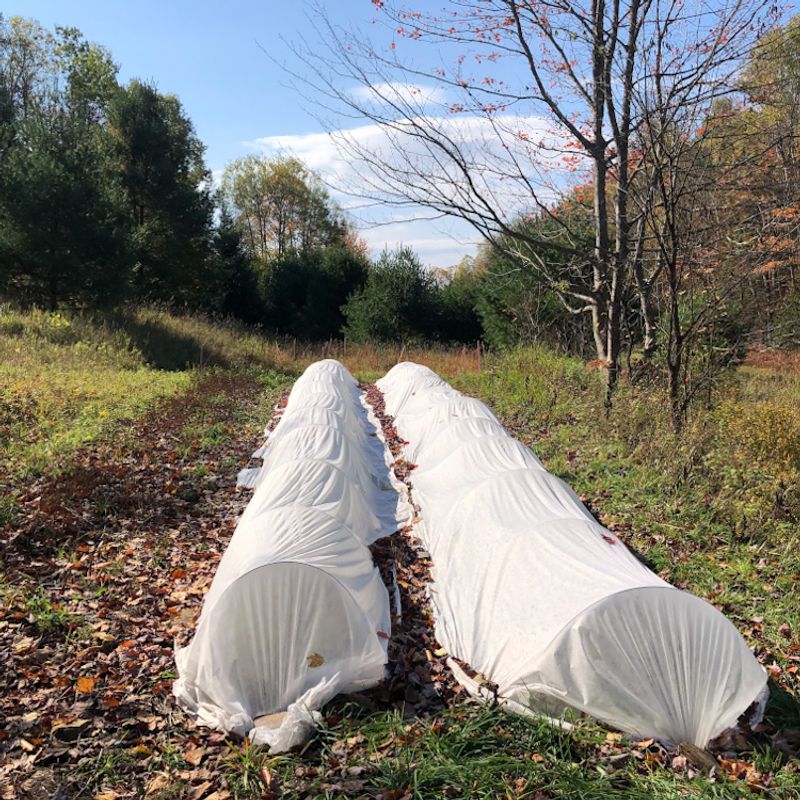
When a cold night is forecast, protect the whole planting. Floating row cover is a light fabric used to shield crops from cold and frost, and it works over the leaves as well as the crowns.
Covering only the crown leaves most of the plant exposed.
University of Minnesota Extension describes row covers as a way to extend the season. Drape the fabric loosely with enough slack for the plants to stand up under it.
Tight fabric can press on leaves and let cold reach them.
Secure every edge with soil, boards, or landscape pins so wind cannot peel it back. If your garden is breezy, add hoops.
Utah State Extension notes that supports can reduce damage from fabric rubbing against plants in wind.
A cover buys some protection, but it will not guarantee a harvest. A hard freeze can still damage leaves underneath.
Think of it as a helpful blanket, not a force field.
Expect light-frost tolerance, not freeze-proof plants
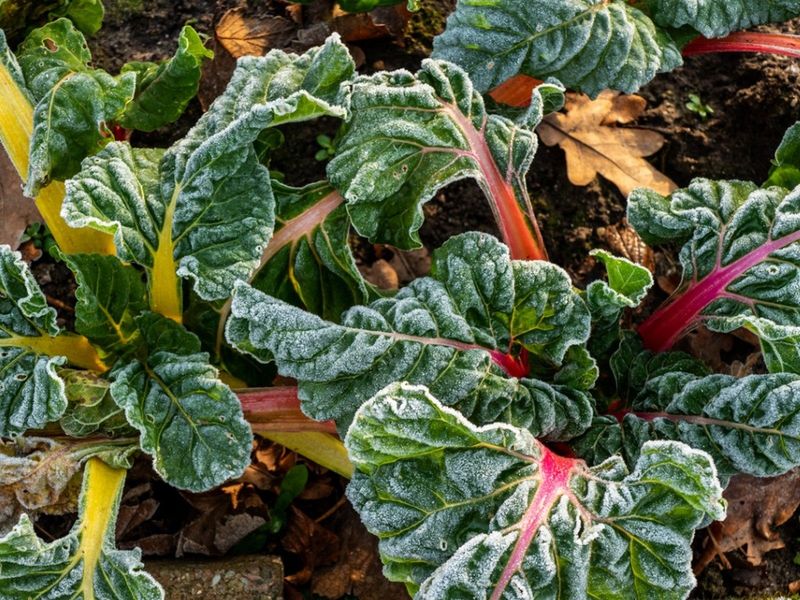
Chard handles a light frost, but it is not as freeze-hardy as kale. Sources describe its limits a little differently, so treat the numbers as rough guides.
Utah State says temperatures down to 32°F do not seriously damage young plants, and plants can remain after light frosts.
Oregon State classifies chard as semi-hardy, tolerating light frost around 28 to 32°F. Those figures come from the extension sources, and a row cover does not promise protection at those temperatures.
Wind, wet leaves, and a long cold spell can all make a night harsher than the thermometer suggests.
Also separate toughness from output. A plant can sit through cold nights and still stop making new leaves.
If your chard looks fine but is not growing, that is normal for cold weather, not a sign you did something wrong.
After a hard freeze, wait a few days before judging damage. Remove mushy leaves, and check whether the center shows fresh growth once it warms.
Use stronger season extenders in colder conditions
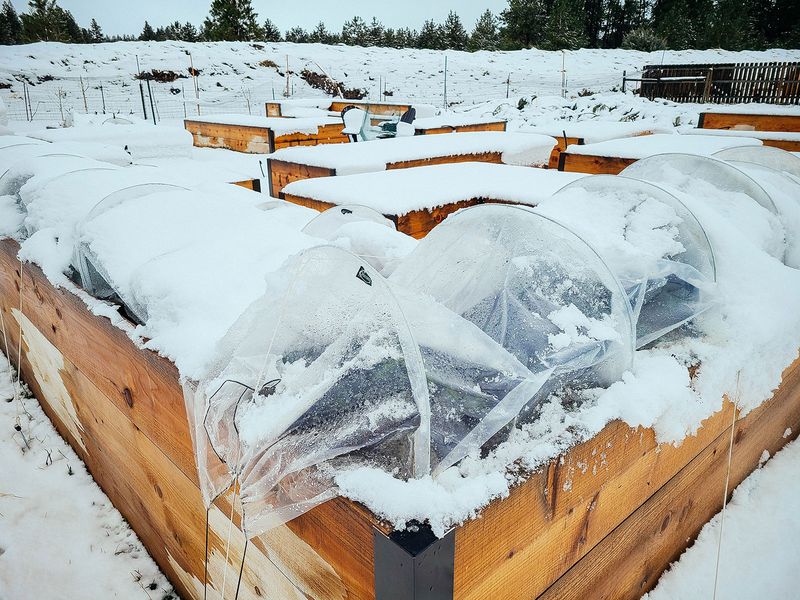
If your winters are properly cold, a simple row cover may not be enough. Penn State Extension recommends a cold frame or low tunnel for winter chard harvests when real winter sets in.
A cold frame is a bottomless box with a clear lid that sits right on the bed. A low tunnel is a row of hoops covered with plastic or heavier fabric.
Both trap more warmth than a thin cover draped over plants.
For most Florida gardeners and many in south Texas, these structures may be more than you need. They make more sense in North Texas, the Panhandle, or other spots where hard freezes arrive often.
Watch the temperature on sunny days, because a closed frame can overheat quickly. Vent the lid or open the tunnel ends in the afternoon, then close up before dusk.
These structures can extend the season, but they do not promise nonstop picking. Short days and cold soil still slow growth.
Match your routine to the weather
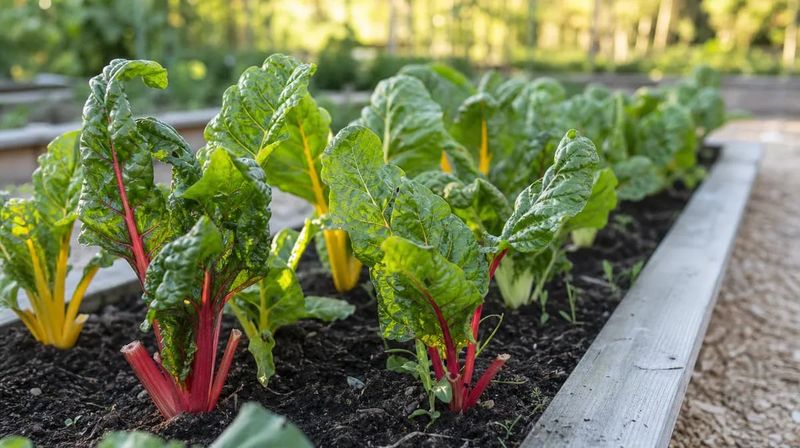
Pick a few outer leaves at a time, and keep the center bud untouched. When a cold night is on the way, cover the whole planting and anchor the fabric.
Then lean on local planting guidance to judge what harvest is realistic.
Chard will not hand you uninterrupted winter greens, but it can surprise you with a few more weeks of salad bowls and sauté pans.