
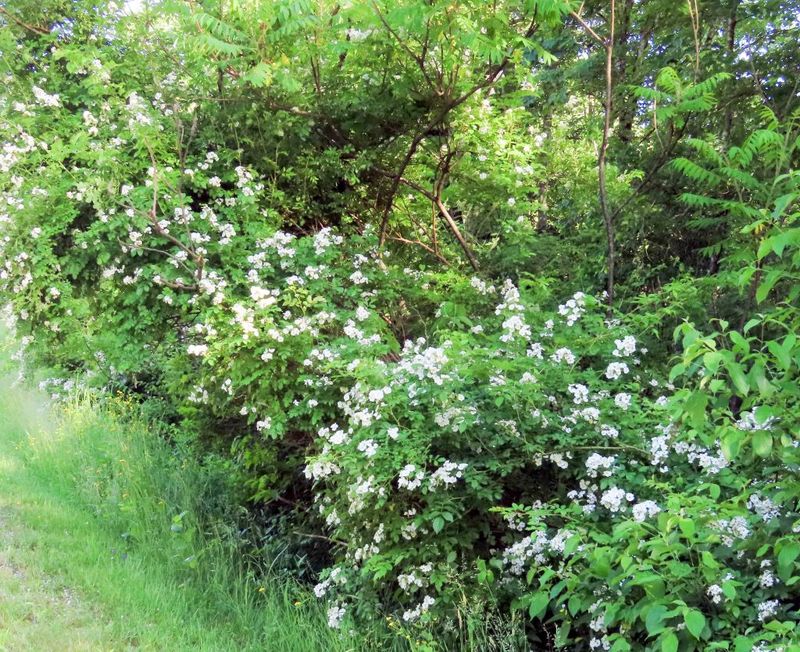
A thorny, arching shrub growing along fence lines and field edges in North Carolina may be more than a nuisance. Multiflora rose is an invasive plant that can host rose rosette disease, a serious problem for roses.
If you grow roses or have a thorny rose you cannot name, knowing the facts can help you act wisely. Here is what is known, what is not, and what to plant instead.
Multiflora rose is a potential host, not proof of spread
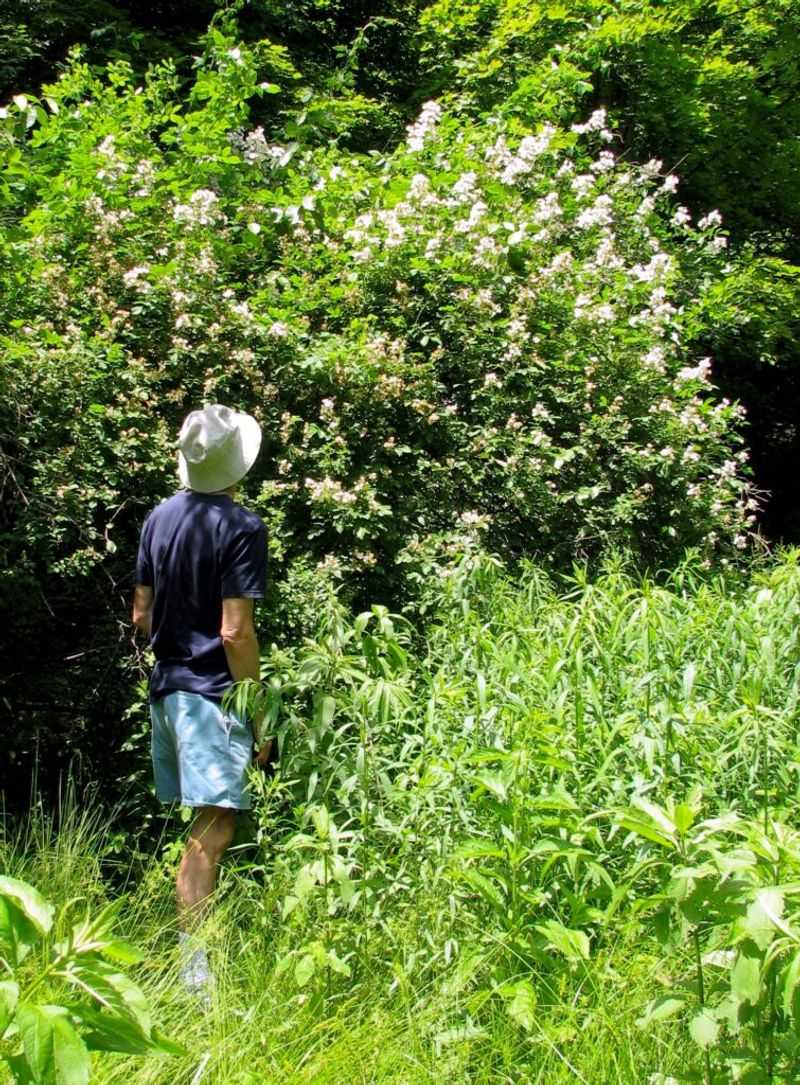
Multiflora rose (Rosa multiflora) is a thorny, arching shrub that has taken hold across parts of North Carolina. It is listed as an invasive plant, and the N.C.
Tree Farm Program describes it as a weedy invader of fields, forest edges, and roadsides. Left alone, it forms tangled thickets that crowd out native plants.
It also matters to rose growers for another reason. NC State Extension explains in its article on rose rosette that wild multiflora roses can host the disease and the tiny mites linked to it.
That makes a nearby thicket a possible reservoir, a place where the disease could persist close to cultivated roses.
Here is the line worth drawing clearly. A potential host is not the same as a proven cause.
Nothing in the sources shows a statewide wave of infections moving from yard to yard, and nothing puts a number on how often wild multiflora roses lead to infections in garden roses.
So if your rose looks sick and a multiflora rose grows down the lane, do not assume the shrub is to blame. Infected garden roses, wind-blown mites, and other factors can all be part of the picture.
Think of the shrub as a risk factor to take seriously, not a verdict.
The rest of this guide walks through how to recognize the plant, how to tell when a rose truly needs attention, and what to do about both.
Rose rosette disease affects roses, not plants generally
Rose rosette disease, often shortened to RRD, is a serious disease of roses. It strikes both ornamental roses in gardens and wild roses in the countryside.
It is a disease of the rose family’s Rosa genus, not a general plant plague.
That point corrects a common worry. NC State Extension says the disease does not affect other kinds of plants.
Your hydrangeas, azaleas, tomatoes, and oaks are not at risk from it, even if a multiflora rose grows beside them.
Saying a shrub spreads disease to neighboring plants without naming roses is misleading. The documented concern is for roses only.
For homeowners, this makes a practical sorting question easy. Do you grow roses, including old shrub roses, landscape roses, or a thorny rose that came with the property?
If so, the disease is relevant to you. If you have no roses within sight, it is not a threat to the rest of your garden.
If you do grow roses, the next steps are about watching them carefully, getting a proper diagnosis when something looks off, and responding to a confirmed case. Panic is not part of the plan.
Mites and infected roses can contribute to spread
Extension guidance points to microscopic eriophyid mites as the carriers of rose rosette. These mites are far too small to see without magnification.
NC State Extension notes that they can move from rose to rose and can ride on air currents, which lets them cover ground without help.
Wild multiflora rose may help keep the disease going near cultivated roses, since it can host both the mites and the disease. Other infected roses matter too.
A diseased garden rose can be a source just as a wild one can.
The mite explanation is the standard practical guidance, but it is not a finished story. A Texas A&M review says experiments show mites can transmit the disease agent, yet one study had not clearly shown the mite carrying the virus itself.
Calling mites the presumed or accepted vector is the fair way to put it.
Here is what that means in a real yard. Wind-blown mites could come from a thicket down the road, from a neighbor’s infected landscape rose, or from a plant in your own bed.
A pathway being possible does not prove that one particular shrub infected a particular rose.
That is why a good response focuses on confirming a diagnosis and managing roses and weedy shrubs, rather than blaming the closest bush.
Feathery stipules help identify multiflora rose
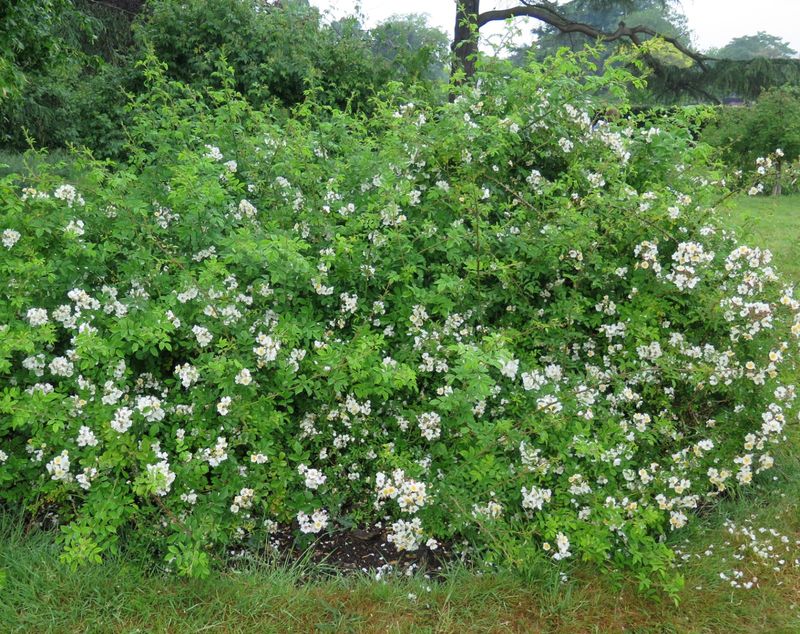
Walk up to a suspect shrub and look at the base of a leaf stalk. Multiflora rose has distinctive feathery, fringed stipules there, small leaf-like growths that look like tiny combs.
This is the field mark most often used to separate it from other roses.
The rest of the plant fits the pattern. The N.C.
Tree Farm Program describes arching, thorny stems and compound leaves made of several leaflets. In late spring it bears clusters of small white-to-pinkish flowers, and in fall it carries small red hips that birds eat and spread.
Take a moment to confirm identity before cutting or digging. North Carolina has native roses, and a wild rose in a hedgerow might be one of them.
Compare the stipules, flowers, and hips, and ask your local Extension office if you are unsure.
Keep one thing separate in your mind. Identifying a plant tells you what it is.
It does not tell you whether a cultivated rose has a disease. Spotting multiflora rose near your yard is a reason to stay alert, not a diagnosis of anything.
Snap photos in several seasons, since flowers and hips make identification easier at different times of year.
Red growth alone does not diagnose rose rosette

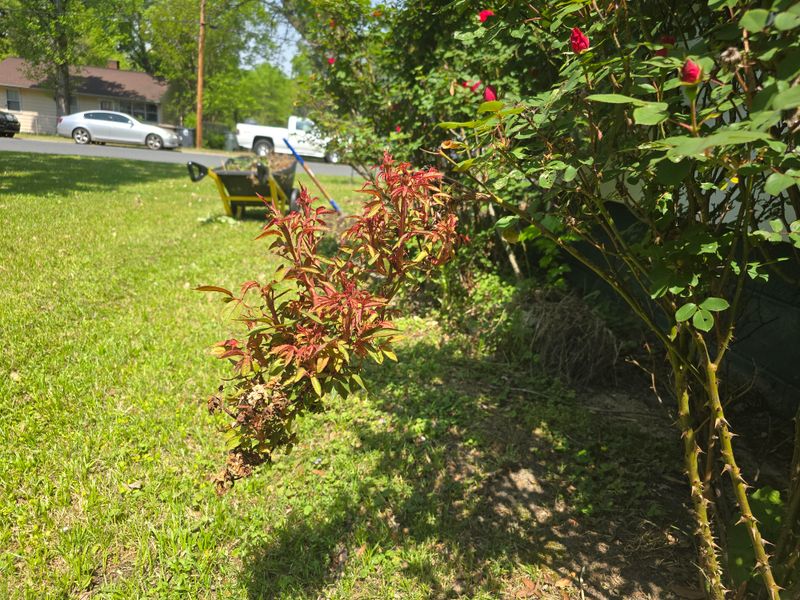
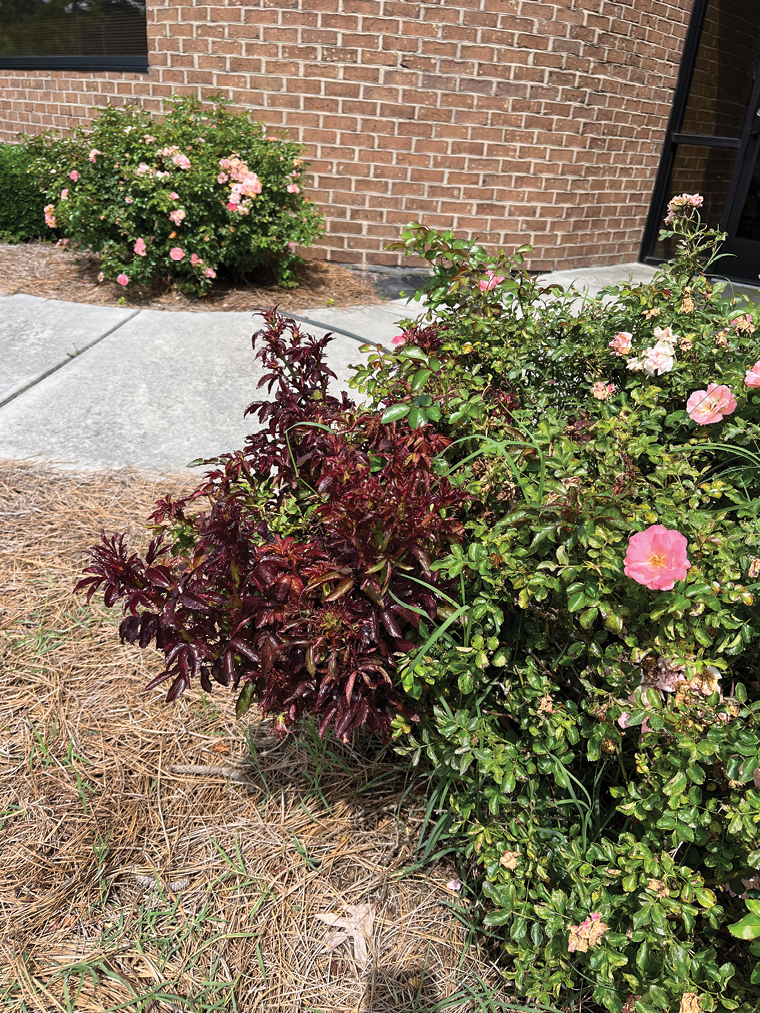
Rose rosette has a few telltale signs, but each one can mislead. NC State Extension lists clusters of abnormal shoots called witches’ broom, distorted leaves or flowers, unusually long shoots, and red coloration that does not fade.
Notice the word persistent. New rose leaves are often reddish and then turn green, which is normal.
Red that sticks around, especially with odd growth, deserves a closer look.
No single sign confirms the disease. The Texas A&M review notes that herbicide injury and other factors can produce look-alike symptoms.
A drift of weed killer from a lawn treatment is a common example worth thinking about.
Before you act, jot down what you see and when it began. Did anyone spray nearby?
Is the whole plant affected or just one cane? Take clear photos of the abnormal growth and healthy growth for comparison.
Then contact your county NC Cooperative Extension office or a plant diagnostic service to help confirm what is going on. Please do not tear out a rose based on a photo or a single symptom, because a confirmed answer protects both your plant and your peace of mind.
Remove the whole rose if infection is confirmed
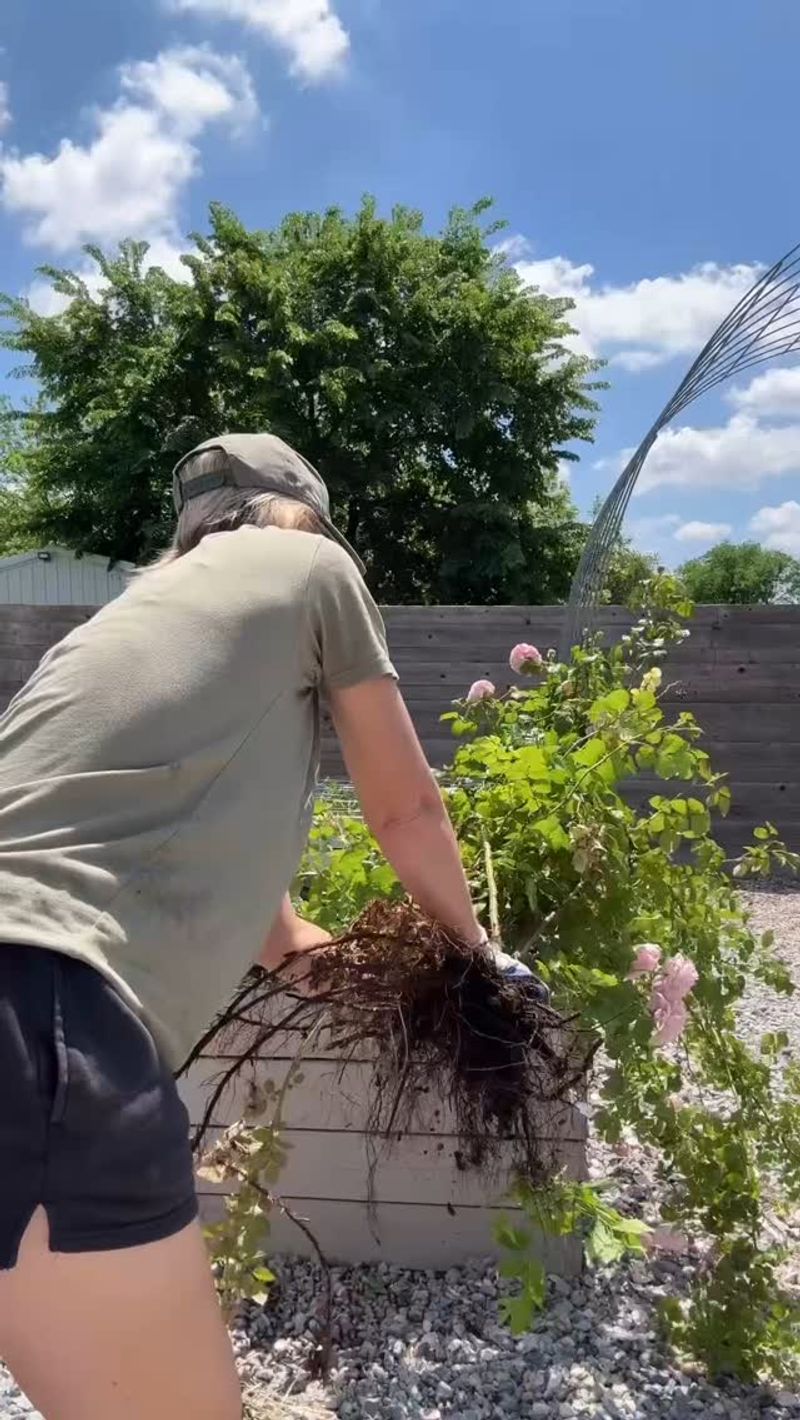
Once an expert confirms rose rosette, the advice is firm. NC State guidance says to bag the foliage before you dig, so mites are not shaken loose, and then remove the entire plant including the roots.
Pruning will not fix it. The disease is a systemic viral infection, meaning it spreads through the whole plant, so cutting off the strange-looking shoots does not cure it.
Those cuts may only delay the moment you deal with the real problem.
The same guidance calls for removing nearby weedy multiflora roses that may host mites or the disease. That step makes sense as good housekeeping, but it is not a promise.
Mites can blow in from farther away, and other roses may carry the disease.
Equally important is what not to do. Do not destroy a healthy-looking or uncertain rose because of one photo or one red shoot.
Confirm first through Extension or a diagnostic lab.
Not every infected rose is guaranteed to die quickly, but removal is the recommended response for a confirmed case. Work on a calm, dry day, bag everything, and dispose of it as Extension advises rather than composting it.
Control multiflora rose and monitor for regrowth
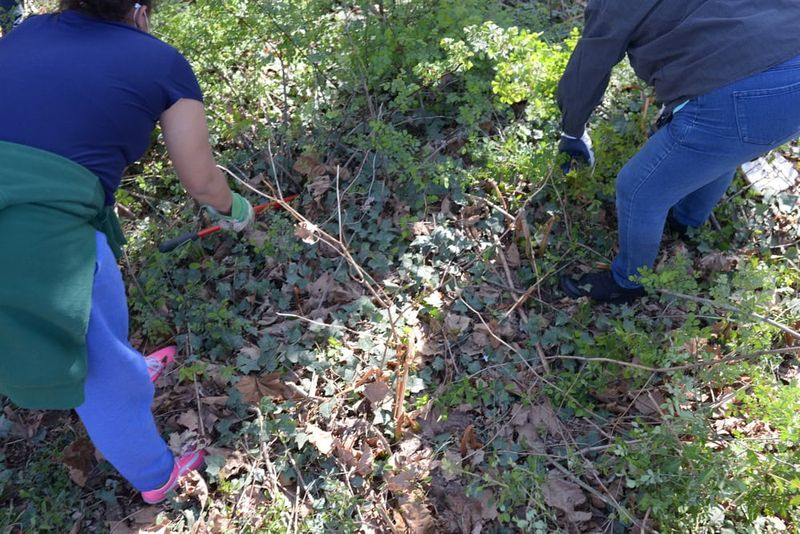
Start small. Young multiflora rose plants can often be dug out by hand, as long as you get the roots.
Doing it early, before a thicket forms, saves a lot of effort later.
Cutting or mowing can hold the shrub back, but it may not kill it. The North Carolina Forest Service leaflet describes follow-up monitoring for sprouts, since cut stumps tend to regrow.
Plan to revisit the spot several times through the growing season and the next year. Pull or cut new sprouts before they get established.
Wear thick gloves and long sleeves, because the thorns are vicious.
The leaflet also describes a cut-stump herbicide option, where a product is applied to a freshly cut stump. If you choose that route, read and follow the current label on the product you buy, along with any site precautions such as nearby water, desirable plants, and weather.
Do not rely on old application rates you may find in older publications.
Finally, keep expectations realistic. Controlling multiflora rose helps your landscape and reduces a possible host, but it does not promise that your garden roses will stay disease free.
Choose a native replacement suited to the site
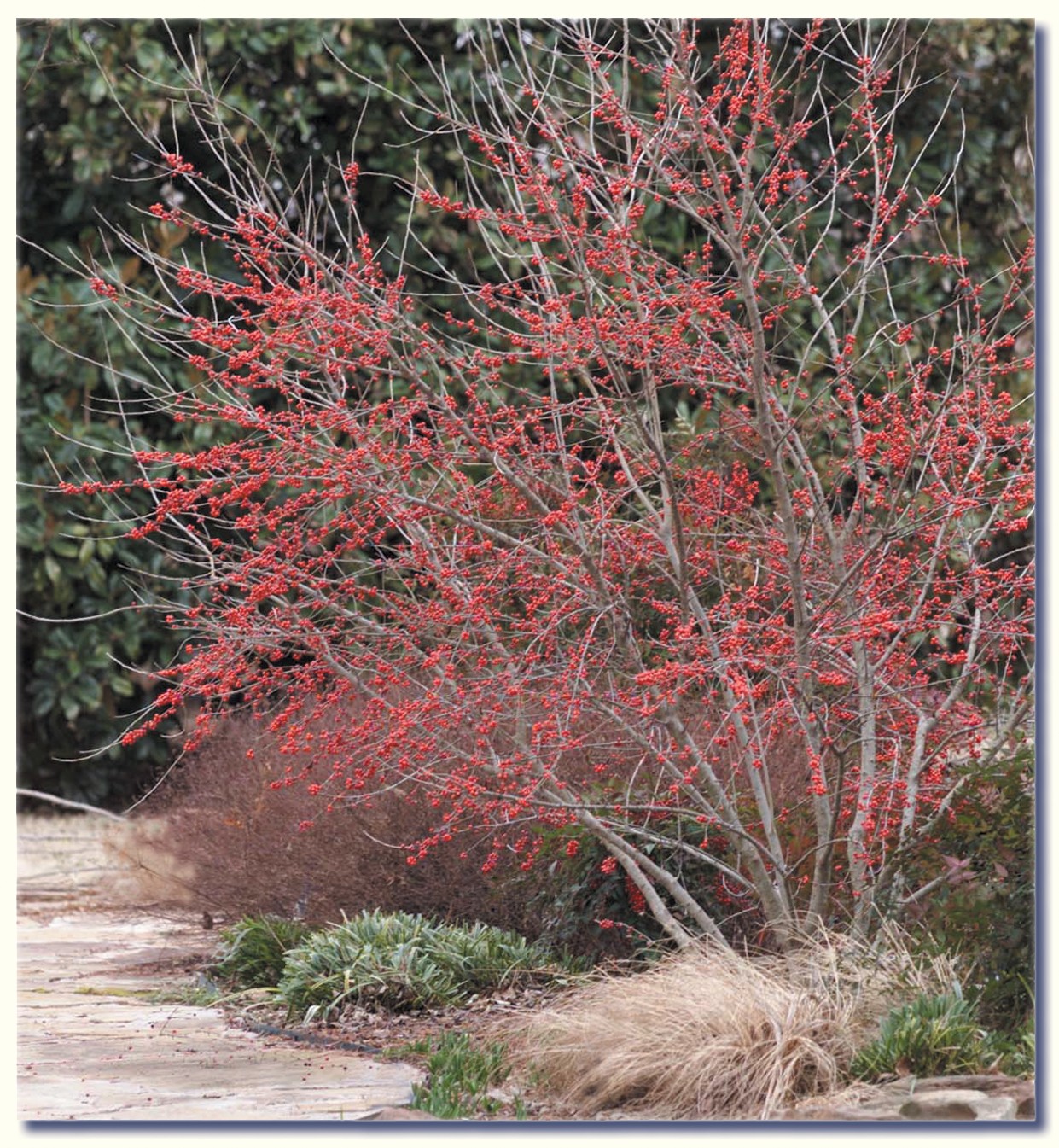
When a thorny invader or an infected rose comes out, match the replacement to the spot. North Carolina sources list native alternatives such as highbush blueberry, blackhaw, winterberry, and American holly.
Check sun, soil moisture, and space, and look at the North Carolina Native Plant Society’s recommended list for more ideas.
A non-rose shrub has one clear advantage. Rose rosette is a rose-specific disease, so choosing something else means you are not planting another possible host.
Many of these shrubs also offer berries and cover for birds, which suits a wildlife-friendly yard.
Fall is a good time to plant in much of North Carolina, since cooler weather and autumn rain help roots settle in. Timing varies from the mountains to the Piedmont to the coastal plain, so go by your local conditions.
If you still want a rose, consider Carolina rose (Rosa carolina). NC State’s Plant Toolbox describes it as resistant to rose rosette, which is not the same as immune.
It can still be affected, so keep watching it.
Put together, a measured response means identifying plants correctly, confirming problems before pulling anything, controlling weedy shrubs, and replanting thoughtfully. Nothing guarantees protection, but a diverse native planting leaves less to lose.