

You wake up, step outside with your coffee, and find little cone-shaped holes scattered across your lawn like someone went at it with a melon baller. In many California neighborhoods, the culprit is a striped skunk hunting for grubs after dark.
The surprising part is that some of the most ordinary things homeowners do can make a yard look like an all-night buffet. Here are ten common habits that may be rolling out the welcome mat, plus simple fixes that keep your yard wildlife-friendly without the nightly damage.
1. Overwatering the Lawn in Summer
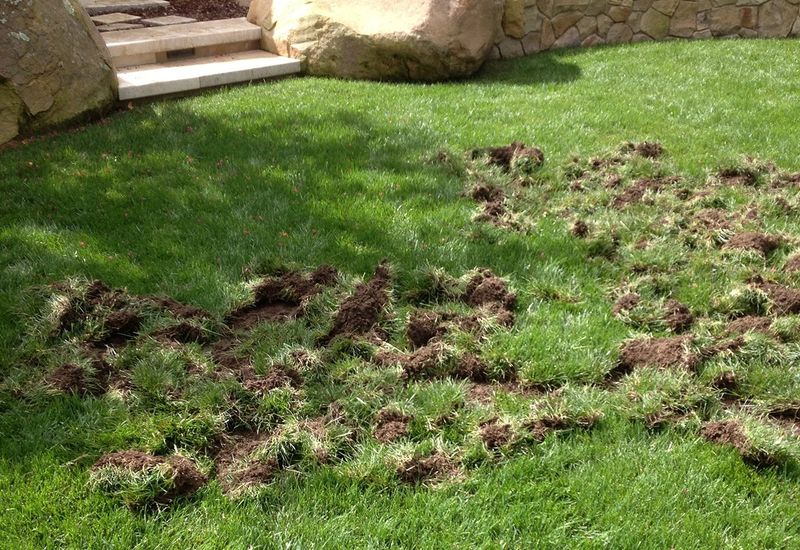
Soft, soggy soil is a skunk’s dream. When a lawn gets watered every day through a long, dry California summer, the ground stays damp and easy to dig, and beetle grubs thrive right under the surface.
Skunks have strong front claws, but they still prefer the easy path. A moist lawn lets them punch out dozens of small holes in a single night with very little effort.
Switching to deep, less frequent watering can help. Many lawns do fine with two or three longer sessions per week, depending on your city’s water rules and climate zone, and drier topsoil may make your yard less tempting to dig.
2. Ignoring a Grub Problem
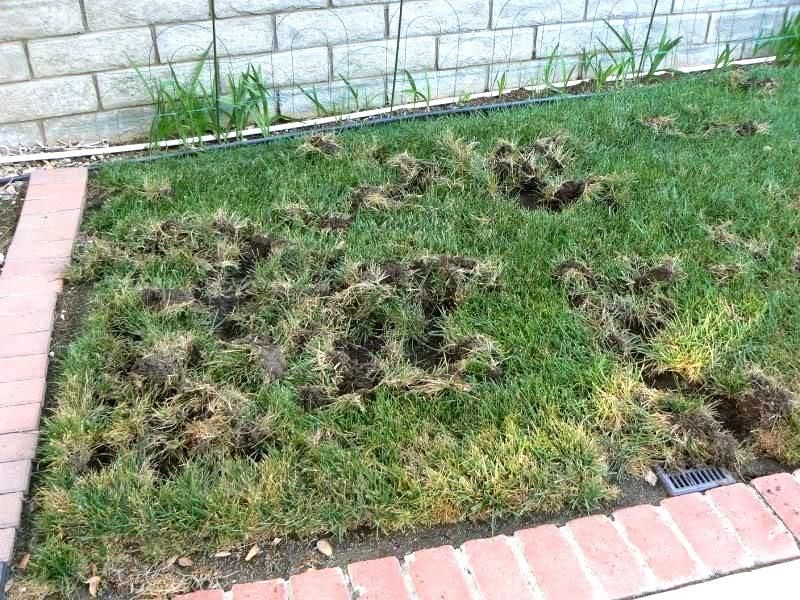
Picture a lawn as a pantry. If it is stocked with fat, white beetle grubs, a skunk will keep coming back to shop.
Grubs from June beetles and masked chafers are common in California turf, and they are a favorite skunk snack. Brown patches that peel up like carpet are a classic sign they are feeding on grass roots.
Try lifting a square foot of sod in late summer to check. If you find lots of grubs, beneficial nematodes are a pollinator-safer option than broad insecticides, and they can reduce grub numbers over time without harming bees visiting nearby flowers.
3. Leaving Pet Food Outside Overnight
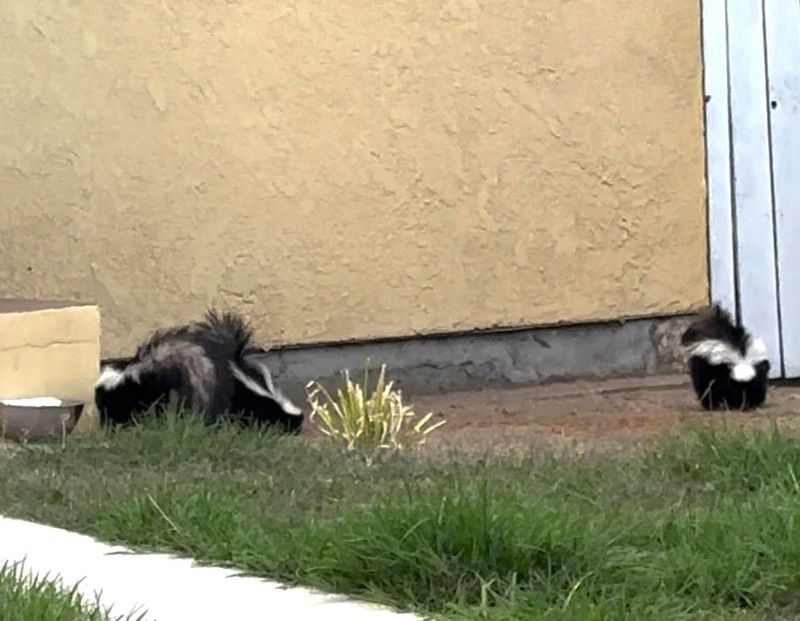
Ever notice the cat bowl licked clean by morning, even though your cat sleeps indoors? You might have a striped visitor.
Skunks are opportunists, and a bowl of kibble on the patio is about as easy as dinner gets. Once they find a reliable meal, they tend to explore the rest of the yard, and the lawn often comes next.
Feed pets indoors or pick up bowls before sunset. It is one of the fastest, cheapest changes on this list, and it may also cut down on raccoon and opossum traffic.
4. Letting Fallen Fruit Pile Up
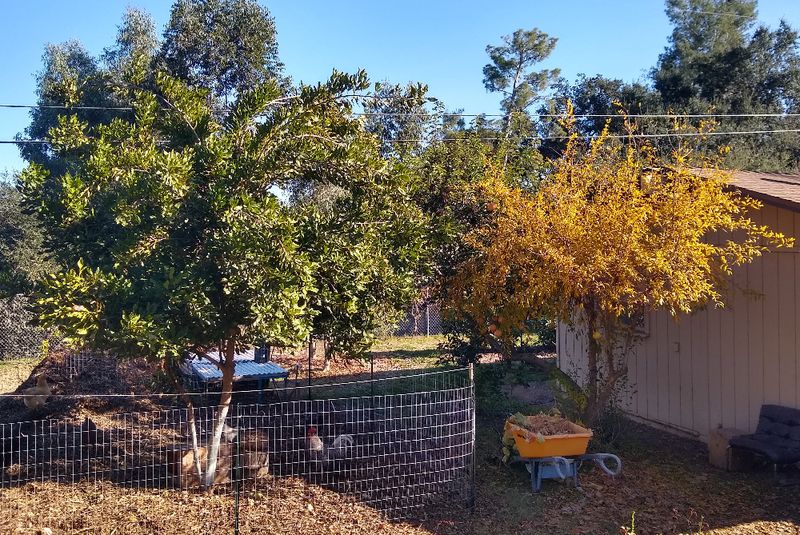
Citrus, avocados, figs, and loquats are part of what makes a California backyard feel special. They also drop a lot of fruit that ends up rotting in the grass.
Fallen fruit draws insects, and insects draw skunks. The sweet fruit itself can be a treat too, so a messy tree corner quickly becomes a regular nightly stop.
Collect drops every day or two during peak season. Composting them in a closed bin keeps nutrients in your garden without leaving an open buffet on the lawn.
5. Open-Lid Trash and Compost

Fun fact: a skunk’s sense of smell is far sharper than ours, so a cracked bin lid is practically a dinner bell.
Open compost heaps with kitchen scraps, meat, or dairy are especially inviting. Trash cans that tip easily do the same job.
Use bins with locking or tight lids, and stick to plant scraps, coffee grounds, and yard trimmings in open compost. An enclosed tumbler is a tidy upgrade if skunks keep finding your pile.
6. Unsealed Space Under Decks and Sheds
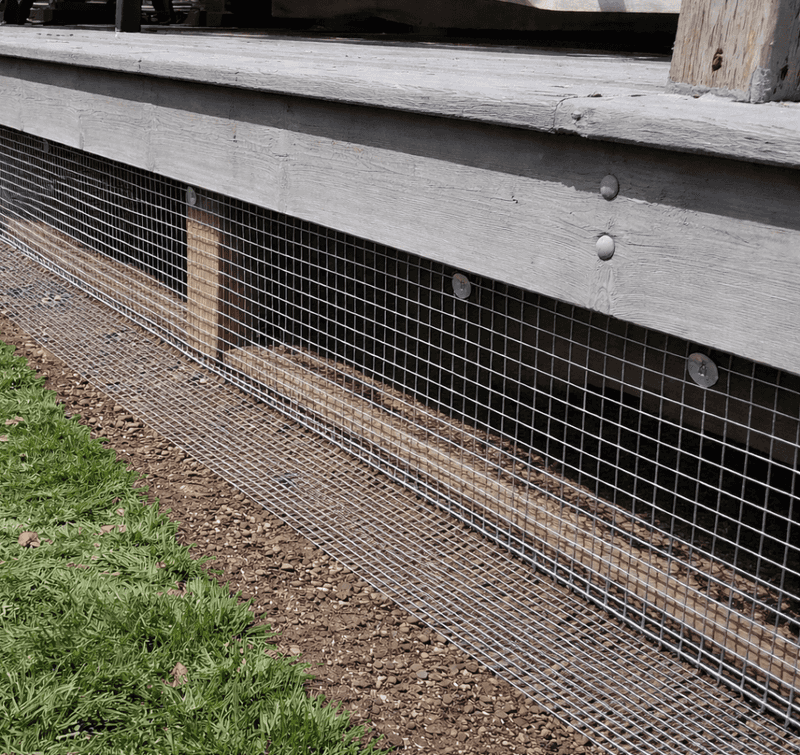
A skunk that eats in your yard is one thing. A skunk that moves in is another story entirely.
Open space under decks, porches, sheds, and raised patios makes a cozy den, especially in spring when females look for spots to raise young. Once they live on site, nightly digging becomes routine.
Seal openings with sturdy hardware cloth buried several inches deep. Before closing anything, make sure no animals are inside, since spring babies can get trapped, and a local wildlife pro can help if you are unsure.
7. Piling Brush and Wood Near the Lawn
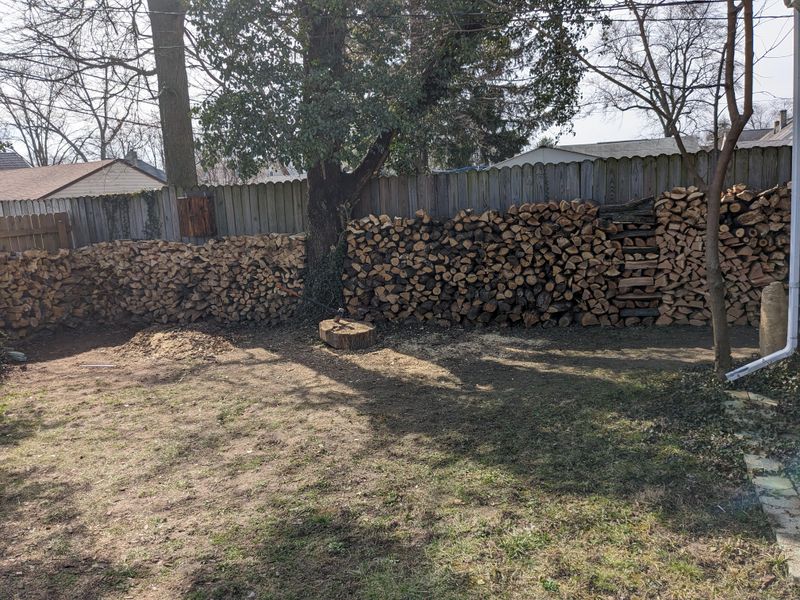
Brush piles feel harmless, maybe even nature-friendly. To a skunk, they are a hiding spot right next to a grub buffet.
Loose wood and branch piles give cover during the day and a short commute to the lawn at night. In fire-prone areas, they also add fuel close to the house, which works against defensible-space guidelines.
Haul off or chip yard debris regularly, and keep firewood stacked off the ground and well away from structures. You get a safer yard and fewer skunk hideouts in one move.
8. Spilling Birdseed Under Feeders

Feeding birds is a lovely way to bring life into a yard. The trouble lands on the ground beneath the feeder.
Spilled seed attracts rodents and insects, and both are on a skunk’s menu. Some skunks will happily snack on the seed itself.
Use a seed tray, choose no-mess hulled blends, and sweep up spills every few days. Planting native shrubs like toyon or California sagebrush also gives birds natural food without the mess.
9. Bright Lawn Lights Left Off and Motion Ignored
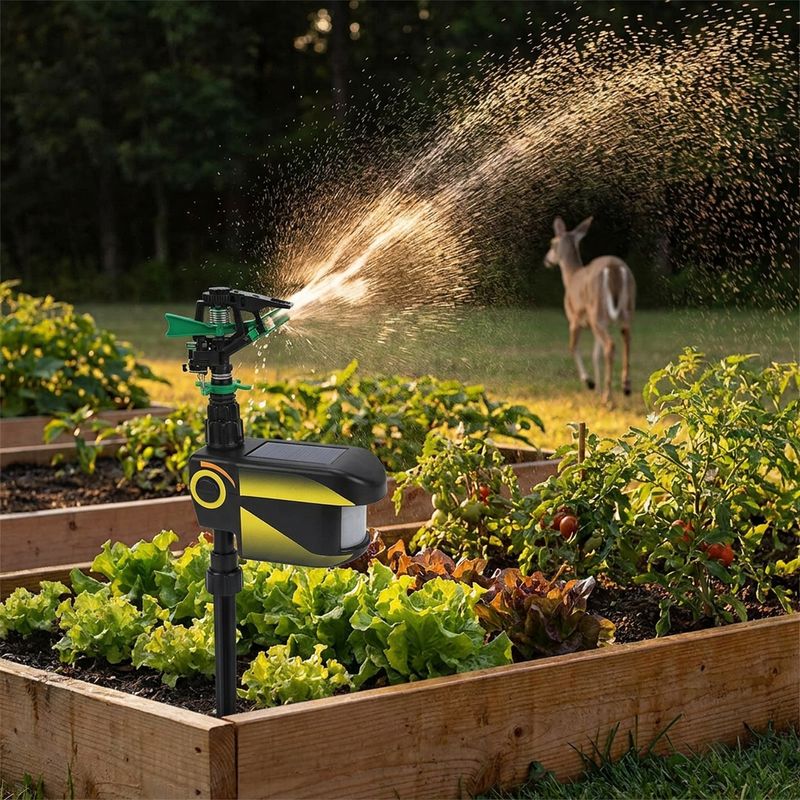
Skunks love a quiet, dark yard where nothing changes from night to night. Predictability makes them comfortable.
A motion-activated light or sprinkler can startle them and may help discourage repeat visits. Water-saving motion sprinklers work only when triggered, so they fit California’s water-wise goals better than constant watering.
Change up placement every week or two, since clever skunks can get used to the same surprise. Pair this with the food fixes above for the best results.
10. Keeping a Large, Thirsty Lawn
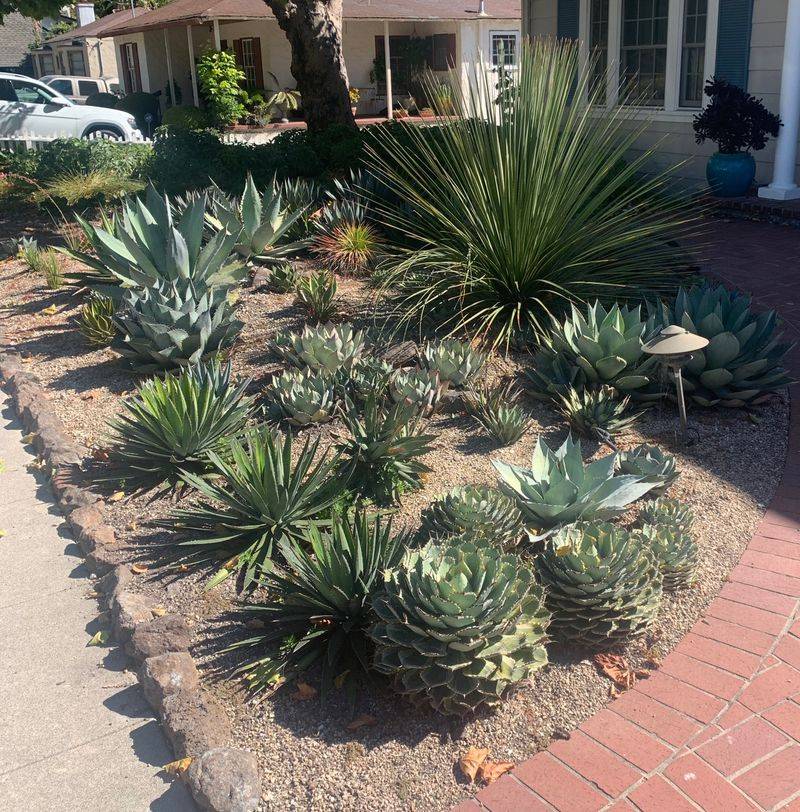
Sometimes the real fix is less grass. A big stretch of irrigated turf is exactly the kind of grub habitat skunks hunt in.
Many California homeowners are swapping part of their lawn for native plants, mulch, and groundcovers like yarrow or creeping thyme. These areas usually hold fewer lawn grubs and need far less water.
Check your local water district for turf replacement rebates before you start. You may end up with a yard that saves water, feeds pollinators, and gives skunks much less reason to dig.