
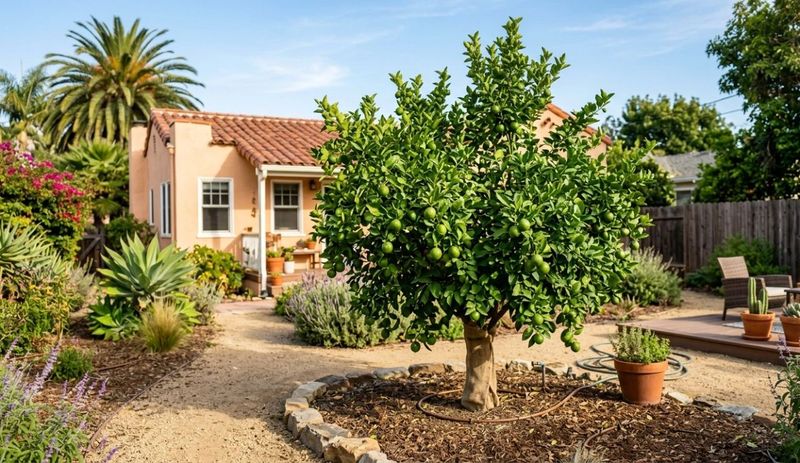
A lime tree covered in blossoms but holding only a few fruits can leave any gardener scratching their head. In California, where water is precious and weather swings from coast to desert, it pays to know which care habit to check first.
Watering is often the best place to start, though it is not the only thing that shapes a harvest. Here is how to look at your tree, your soil, and your schedule so you can fix what needs fixing without wasting water.
A handful of fallen fruit may be normal
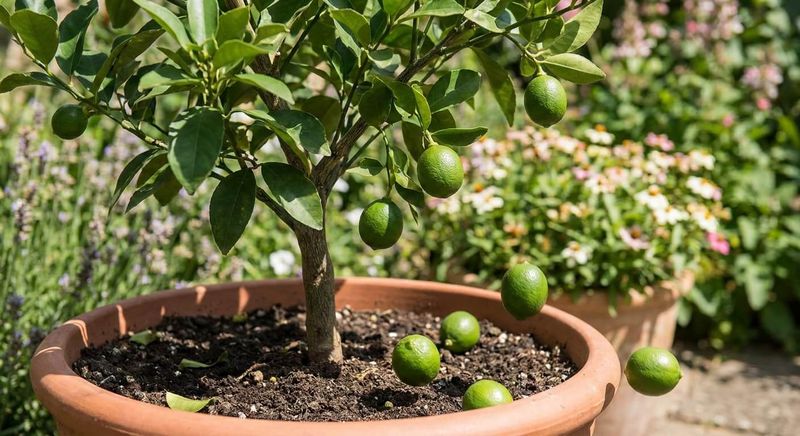
Spotting tiny green limes on the ground can feel alarming, but it is often just the tree doing its normal math. Citrus commonly sheds many small fruits after bloom, according to UC Integrated Pest Management, as it balances the number of fruits against the foliage available to feed them.
So a scattering of pea-sized fruitlets after a heavy bloom usually is not a sign that something has gone wrong. A tree that flowers by the hundreds was never going to ripen every single one.
The picture changes if large numbers of bigger fruit keep dropping, or if the tree ripens only a few limes year after year. UC lists several possible causes of heavy fruit drop, including drought, temperature extremes, inadequate nutrition, heavy pruning, wind, and pests.
Water is only one item on that list.
That is why irrigation makes a good first check rather than a guaranteed cure. It is easy to look into, it costs nothing to inspect, and it is something many home growers can adjust.
Still, a tree with plenty of moisture will not suddenly produce a bumper crop because you add more, so keep your expectations realistic as you read on.
Think of this first step as sorting your tree into one of two groups: a normal bloom-time shed, or a pattern that deserves a closer look at care and conditions.
Water stress can disrupt flowering and fruit growth
Citrus runs on a seasonal calendar, and water matters at several points along the way. UC guidance on watering thirsty plants explains that water stress during flowering can increase flower and fruit drop, while stress during the period of rapid fruit growth can reduce fruit size.
Picture a tree in spring, pushing out blossoms and setting its first tiny fruits. If the soil dries out hard at that moment, the tree has less to work with and may let go of more flowers and young fruit than it otherwise would.
Later in the season, a thirsty tree may produce limes that stay small.
Put those two effects together and you can see how uneven watering might leave you with a smaller harvest. A long dry spell in spring followed by a hot, dry stretch in summer could do both kinds of damage in a single year.
That said, knowing water stress can hurt production does not prove it is the culprit in your yard. Your tree may be getting just what it needs, and something else may be holding it back.
The way to find out is simple: look at the soil. Push a trowel or your finger into the ground under the canopy, a few inches deep, in the area where the feeder roots live.
Moist but not soggy soil is a good sign. Dry, crumbly soil during bloom or fruit growth is a clue worth acting on.
The next two sections cover how to do this for in-ground and potted trees.
For in-ground trees, adjust irrigation to soil conditions
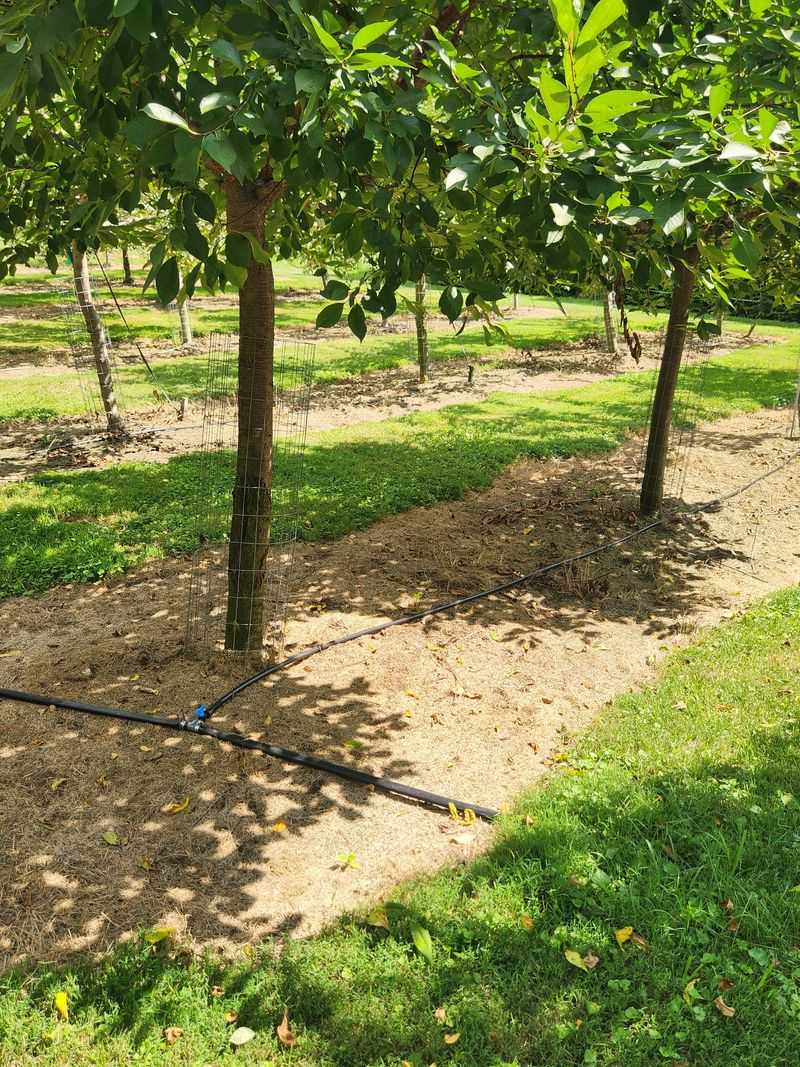
If your lime grows in the ground, let the soil guide your schedule instead of the calendar. Sandy soil drains fast and dries out quickly, while clay holds water longer and can stay wet for days.
Weather, tree size, and the type of irrigation system all change how much water reaches the roots.
For a rough starting point, UC IPM’s citrus care tips give a general summer benchmark of about 4 to 6 inches of water per month, often split into several applications. In hot summer climates, irrigation may be needed about every 7 to 10 days.
Treat those numbers as a place to begin, not as a timer setting that fits every yard from San Diego to Sacramento.
Before each watering, check the soil several inches down. If it is still damp, wait.
If it is dry and the tree is blooming, setting fruit, or swelling its limes, it is probably time.
Both extremes cause trouble. Underwatering can lead to small fruit, while overwatering can contribute to root and crown rot, so more water is not automatically better.
Poorly drained soil makes this risk bigger.
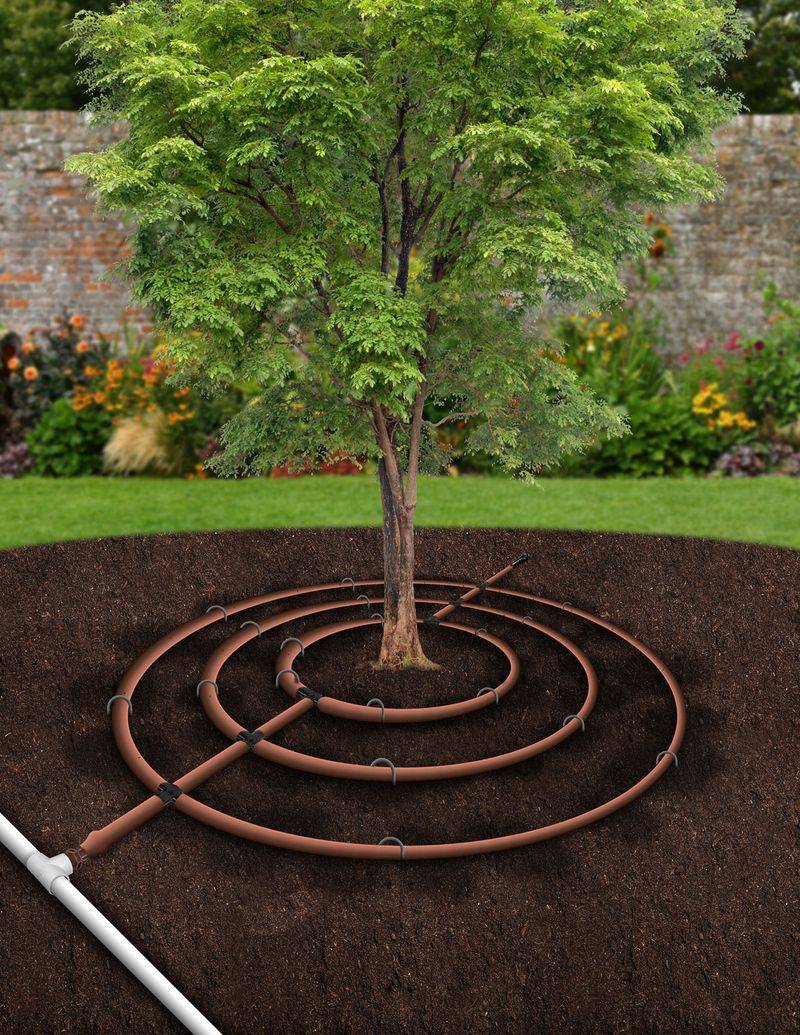
Where you place the water also matters. UC’s planting guidance advises keeping irrigation away from the trunk of an established tree, since constantly wet bark near the base invites disease.
Aim for a wide basin or drip emitters spread out under the canopy edge, with a bit of mulch to slow evaporation.
Deep, less frequent watering usually serves the roots better than daily sprinkles, and it fits well with California water-saving habits.
Container-grown limes need frequent moisture checks
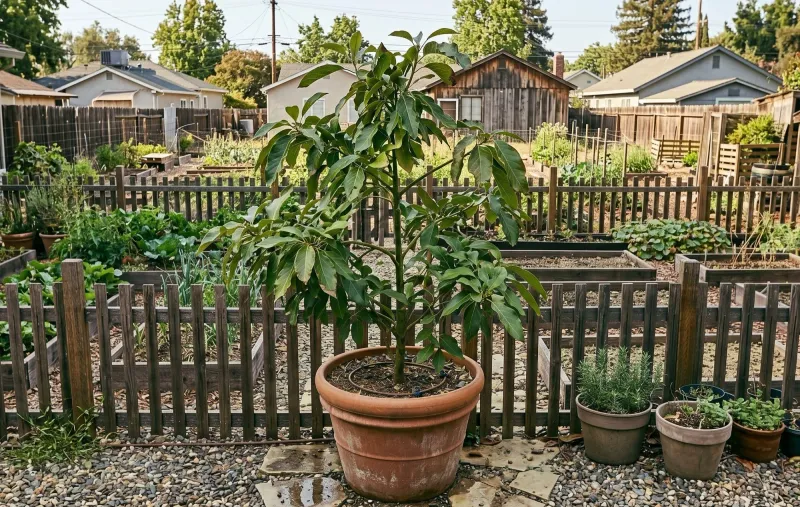
A lime in a pot lives in a small world. There is only so much potting mix to hold water, and sun and wind on a patio can dry it out fast, sometimes much faster than garden soil.
UC suggests a simple routine in its guidance on watering in dry times: check the container daily, and water when the mix feels dry a couple of inches down. Then water until it runs out of the bottom of the pot, so the whole root ball gets wet.
Notice that the advice is to check daily, not to water daily. On a cool, cloudy week your pot may stay damp for days, and watering on autopilot could leave the roots soggy.
During a heat wave, the same pot may need attention much more often.
How often you actually water depends on the season, the size and material of the container, and how much sun and wind it gets. A small plastic pot in full afternoon sun behaves very differently from a big glazed one tucked against a shaded wall.
Good drainage holes are a must so that extra water can escape. If the pot sits in a saucer, empty it after watering so the roots are not left standing in water.
Poking a finger into the mix takes about five seconds, and it tells you far more than a fixed schedule ever could.
If watering is appropriate, consider other causes
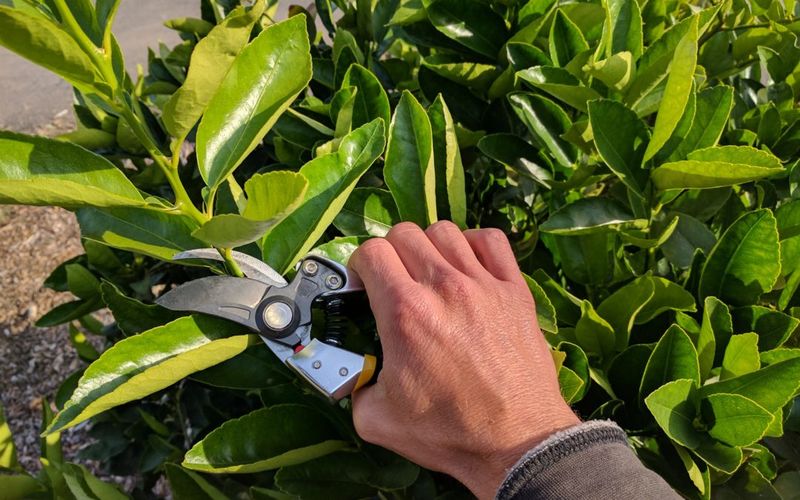
When the soil is moist at the right depth and your schedule matches the season, more irrigation will not solve a stingy tree. At that point, look elsewhere.
UC IPM’s fruit drop page lists temperature extremes, inadequate nutrition, heavy pruning, wind, and pests as documented causes alongside drought.
Heavy pruning is not a shortcut to more limes. Cutting back a lot of foliage reduces the fruit the tree can support, and citrus generally needs little pruning to bear well.
Extra fertilizer is not an automatic fix either. Mature citrus do need nitrogen, but UC’s fertilizing advice notes that overfertilizing can cause excessive growth.
It suggests timing nitrogen around bloom and again in late spring or early summer, and avoiding late-season feeding.
Pollination is rarely the missing piece. According to UC Marin Master Gardeners, most citrus is self-fertile and bees handle the pollinating, so hand-pollinating or buying a second lime tree is usually unnecessary.
Wind and temperature are worth a look at your site. A tree on an exposed corner or in a frost pocket faces tougher odds than one sheltered near a warm wall.
Finally, watch for pests and unusual leaf symptoms. Low yield alone does not point to citrus greening.
But if you see yellow shoots or mottled, chlorotic leaves, contact your county agricultural commissioner, as the CDFA pest profile describes those signs. Leave the diagnosis to the experts and skip the guesswork with pesticides.
Consider the tree’s age, origin, and California growing conditions
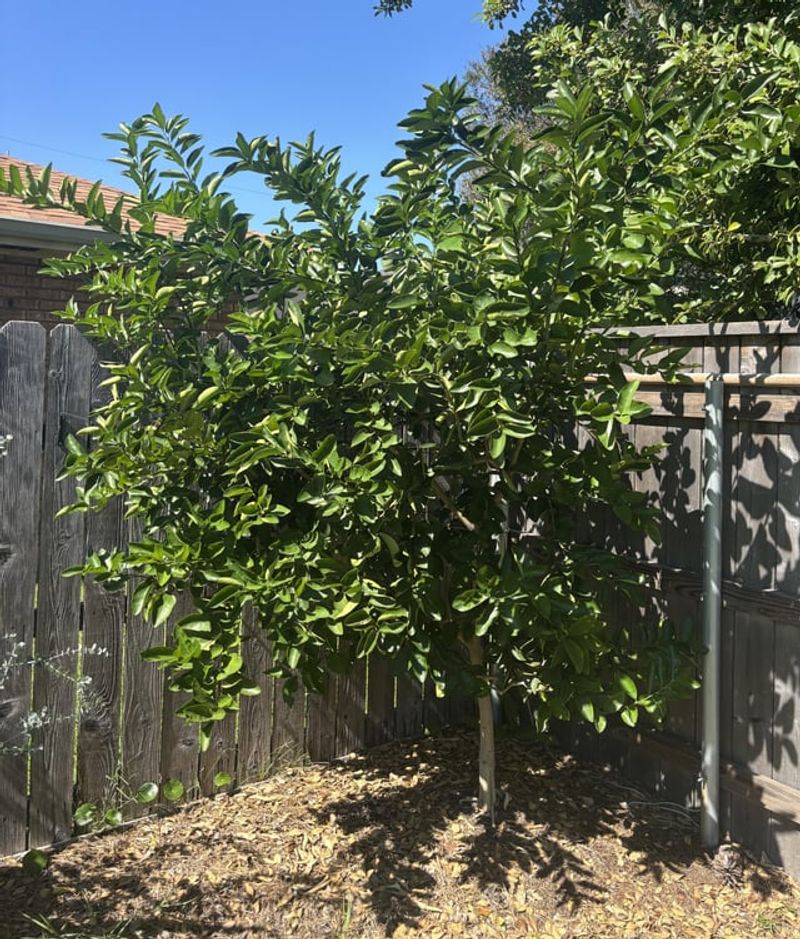
California is a patchwork of growing conditions, so a lime that thrives in Ventura County may struggle in a cooler or frostier spot. UC identifies limes as especially frost-sensitive, and UC’s frost damage guide explains how cold nights can harm citrus.
Heat, wind, and microclimate around your house all play a role, too, and UC Cooperative Extension in Ventura County offers local citrus answers.
Because of that variety, no single watering plan or growing rule fits every yard. Your neighbor’s results may not match yours, even with the same tree.
Age and origin matter, too. A lime grown from seed can take many years to fruit, and its fruit may not match the parent tree, as UC’s grafting guide notes.
Grafted trees are a more reliable choice when you want a known type of fruit, and they generally bear on a different timetable than a seedling.
If your tree is young or came from a kitchen seed, a small harvest may simply mean it is still growing up. Use these details as background for reading your tree, not as a diagnosis.
Combined with your soil checks, they help you decide whether your tree needs a change or just more time.
Make a measured irrigation correction
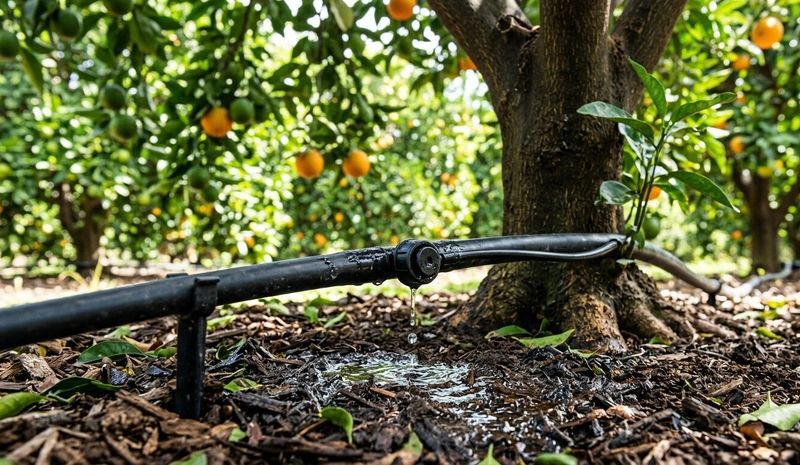
Start by pressing a finger or trowel into the soil, or the potting mix, a few inches down. Adjust watering only if it is dry when the tree is blooming, setting fruit, or growing it, and keep water off the trunk and out of soggy ground, following UC’s citrus care tips.
Remember that a few fallen fruitlets after bloom are normal, as UC IPM’s fruit drop guide explains. If moisture is already right, look at the other causes instead.
Good watering fixes one possible problem, not every one. A tree is a slow teacher, so give each change a full season before judging it.