
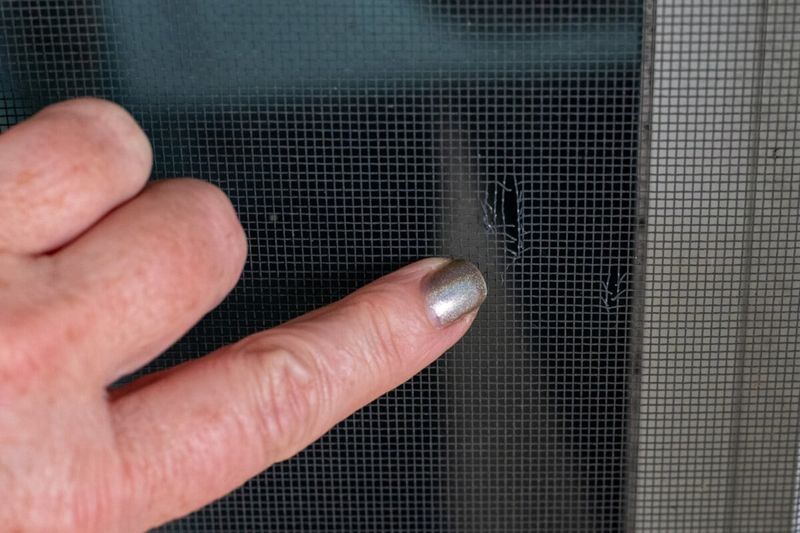
On a sunny January afternoon, you might spot a brown stink bug crawling up your curtain or a cluster of ladybugs gathered in a window corner. These insects moved into your walls back in the fall, and they wake up on warm days looking for a way inside.
Window frames are their favorite doorway because of tiny gaps, worn caulk, and loose screens. With a few simple winter habits, you can close those doors and keep your living space bug-free until spring.
1. Run a Weekly Window Frame Check
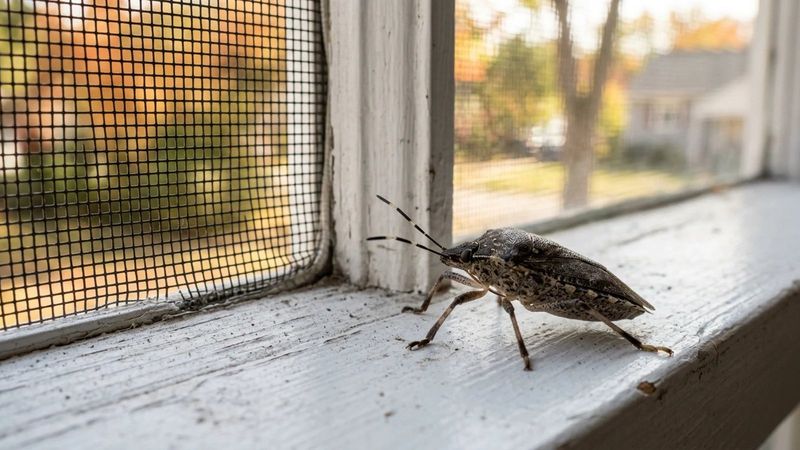
Picture a stink bug as a patient burglar, testing every crack until one gives way. A quick weekly check of your window frames lets you find those weak spots before the bugs do.
All it takes is a flashlight and about ten minutes.
Walk from room to room and shine the light along the edges where the frame meets the wall. Look for hairline cracks, peeling paint, and spots where daylight sneaks through.
Pay extra attention to south and west facing windows, since they warm up fastest and attract the most insects on sunny days.
Keep a small notebook or phone note to track what you find. If the same corner keeps showing bugs, that is a strong sign of a hidden gap nearby.
Over a few weeks, you will start to see patterns that point straight to the trouble spots.
Fun fact: brown marmorated stink bugs arrived in the United States in the late 1990s, likely as stowaways in shipping crates from Asia. Today they show up in most states.
Catching gaps early is far easier than chasing dozens of crawling visitors across your ceiling in February.
2. Refresh Old Caulk Around the Frames
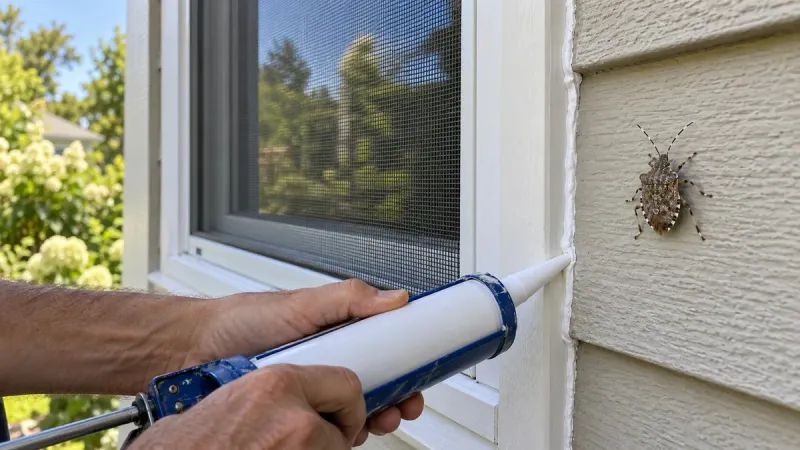
Caulk does not last forever. After a few years of summer heat and winter cold, it shrinks, cracks, and pulls away from the wood, leaving slim openings that a ladybug can slip right through.
Winter is a great time to fix the inside seams, since you are spending more hours indoors anyway. Scrape away any brittle or loose caulk with a putty knife, wipe the area clean, and let it dry fully.
Then run a smooth bead of paintable silicone or acrylic latex caulk along the seam where the trim meets the wall and the glass.
Choose a caulk rated for indoor use at room temperature, because many products will not cure well in freezing conditions outside. Save exterior caulking for a mild day above 40 degrees, or wait until early spring.
Smooth each bead with a damp finger for a tidy finish.
A single tube costs only a few dollars and can cover several windows. Think of it as zipping up a jacket with a broken zipper.
Once the seams are sealed, bugs hiding inside the walls have one less way to find your warm living room.
3. Add Weatherstripping to Sashes
Ever notice a faint whistle of cold air near a closed window? Where wind can travel, a stink bug can follow.
The moving parts of a window, called sashes, are a common entry point because they rub and wear over time.
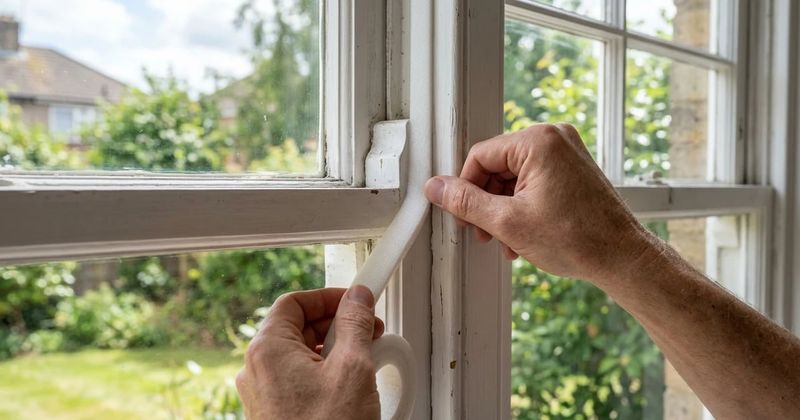
Weatherstripping fills the space between the sash and the frame. Adhesive foam tape is cheap and easy for beginners, while V-strip vinyl or metal lasts longer on double-hung windows.
Measure each side, clean the surface with rubbing alcohol, and press the strip firmly into place.
Test your work by closing the window on a strip of paper. If the paper slides out easily, the seal is still too loose.
A snug grip means you have shut both drafts and insects out at the same time.
There is a nice bonus here too. Better weatherstripping can lower heating bills, since warm air stays inside instead of leaking through tiny cracks.
You get a cozier home and fewer uninvited guests from one small weekend project.
Replace any strips that look flattened, torn, or crumbly. Old foam loses its bounce and stops sealing well, especially on windows you open often.
4. Patch and Snug Up Window Screens
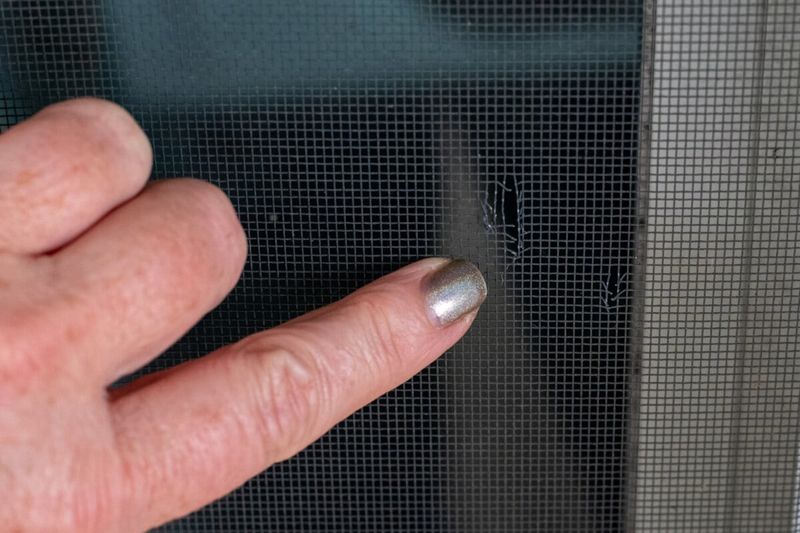
Screens might seem useless in December, but they are your first line of defense when bugs wake up on warm afternoons. Many people leave storm windows or screens slightly loose, and that is an open invitation.
Take a close look at each screen for small tears, bent frames, or gaps along the edges. Even a hole the size of a pencil eraser is plenty for a ladybug.
Adhesive screen patches fix small holes in seconds, and a roll of replacement mesh handles bigger damage.
Check that every screen sits firmly in its track. If it rattles or shifts when you tap it, the frame may be bent or missing a spring clip.
Hardware stores sell inexpensive clips and spline to tighten things up.
Here is a quirky detail: the ladybugs that invade homes are usually Asian lady beetles, not native ladybugs. They were brought to the U.S. on purpose to eat aphids on crops.
They do a great job outside but love gathering in large groups indoors, often near bright windows.
Fine mesh screens, sometimes called no-see-um mesh, offer extra protection if your home sees heavy bug traffic each year.
5. Vacuum Bugs Instead of Squashing Them
Squish a stink bug once and you will never do it again. The smell is sharp, lingering, and somehow manages to fill the whole room.
Ladybugs are not much better, since they release a yellow fluid that stains curtains and paint.
A vacuum is your best friend here. Keep a small handheld model near the windows that see the most action.
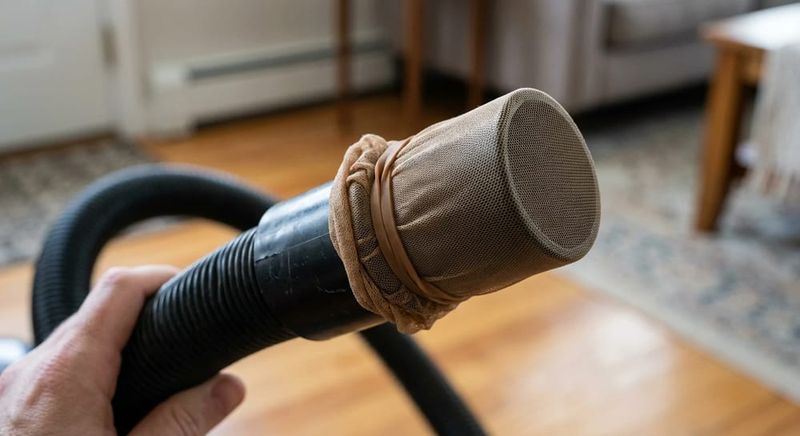
For an easy trick, slip a nylon stocking over the nozzle and secure it with a rubber band, then tuck the stocking inside the tube. Bugs get caught in the pocket, and you can tie it off and toss it outside in a sealed bag.
Why does this matter for prevention? Dead and crushed insects leave behind scent signals that may draw more of their friends to the same spot.
Clean removal helps break that cycle.
Empty or replace the bag right away so the odor does not drift through your home. If you use a bagless vacuum, rinse the canister outdoors.
Make vacuuming part of your routine on sunny days, when bugs are most active. A few quick passes keep numbers low and your windowsills fresh.
6. Keep Window Sills Clean and Clear
Clutter on a windowsill is like a hotel lobby for insects. Piles of mail, stacked books, and dusty knickknacks give bugs shady spots to hide and rest after crawling in.
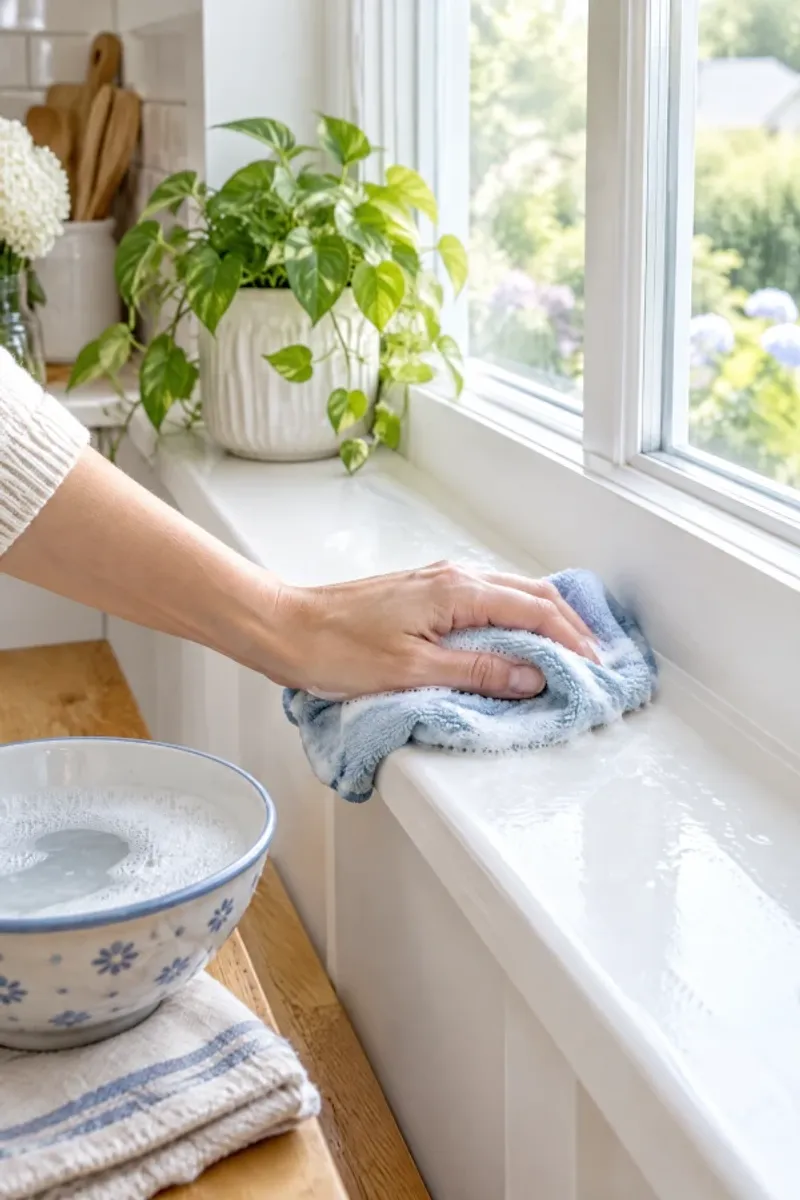
Clear off your sills and wipe them down once a week with warm soapy water. Soap helps remove the invisible chemical trails that Asian lady beetles leave behind.
Those trails help other beetles find the same gathering place, which is why the same window seems to fill up year after year.
Some gardeners add a few drops of peppermint or clove oil to their cleaning water. Many people report that the scent seems to make bugs less eager to linger, though results vary.
At the very least, your home smells nice.
Do not forget the window tracks, where dead insects and dust collect. Use a narrow brush or a vacuum crevice tool to scoop out debris, then wipe with a damp cloth.
A clean, open sill makes it easy to spot new arrivals right away. When you see one bug, you can act fast instead of discovering a crowd weeks later behind a forgotten pile of magazines.
7. Turn Down Lights Near Windows at Night
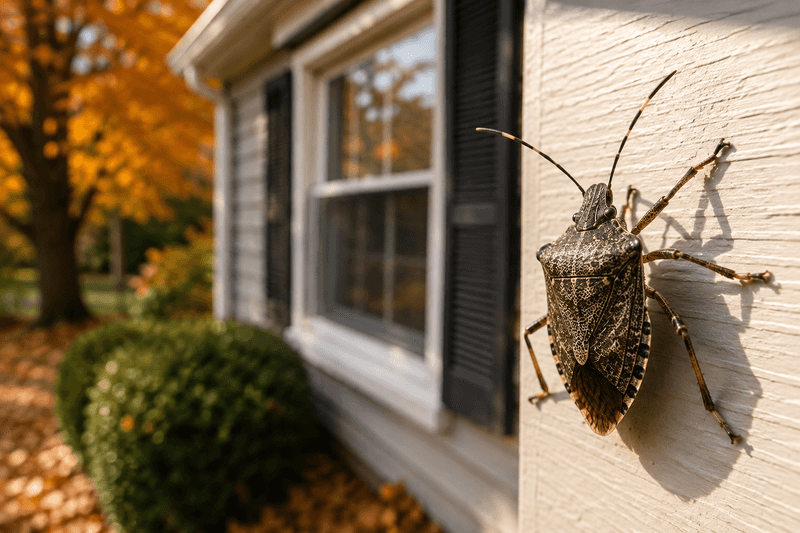
Moths are not the only insects drawn to a glowing room. Stink bugs and lady beetles also move toward light and warmth, and a brightly lit window can pull sleepy insects out of wall gaps and into your home.
On winter evenings, try closing blinds or curtains once the sun goes down. Heavy drapes add a soft barrier and keep insects from crawling directly onto glass near lamps.
Move reading lamps a few feet away from windows when possible.
Outside, swap bright white porch bulbs for warm yellow LEDs. Many insects have a harder time seeing yellow and amber light, so fewer of them gather by your doors and window frames.
It is a simple bulb change that pays off all year.
Night lights in hallways and bathrooms can also be part of the problem if they shine near a drafty window. Shift them to an inner wall or use motion activated lights instead.
Think of your home as a lighthouse. The brighter it glows at the edges, the more travelers it attracts.
Dimming the edges sends a clear message that there is nothing worth exploring here.
8. Seal Gaps Around Window AC Units

A forgotten window air conditioner is one of the sneakiest bug highways in any house. The accordion side panels shrink and crack, and the foam around the unit breaks down, leaving gaps that stink bugs love.
The best winter habit is to remove window AC units completely once cooling season ends. Clean the window track, close the sash, and lock it tight.
If removal is not an option, buy an insulated AC cover for the outside and seal the side panels from inside with foam strips or removable caulk.
Check the area between the upper and lower sash too. When a unit sits in the window, that middle space often stays open by an inch or more.
Stuff it with foam backer rod or weatherstripping to close it.
Many homeowners are surprised to find dozens of stink bugs tucked inside the AC housing when they take it out in spring. The unit stays sheltered and slightly warm, making it a perfect hideout.
Store removed units in a garage or basement wrapped in plastic. Doing so keeps them clean and prevents bugs from moving in before summer returns.
9. Set Simple Light Traps by Problem Windows
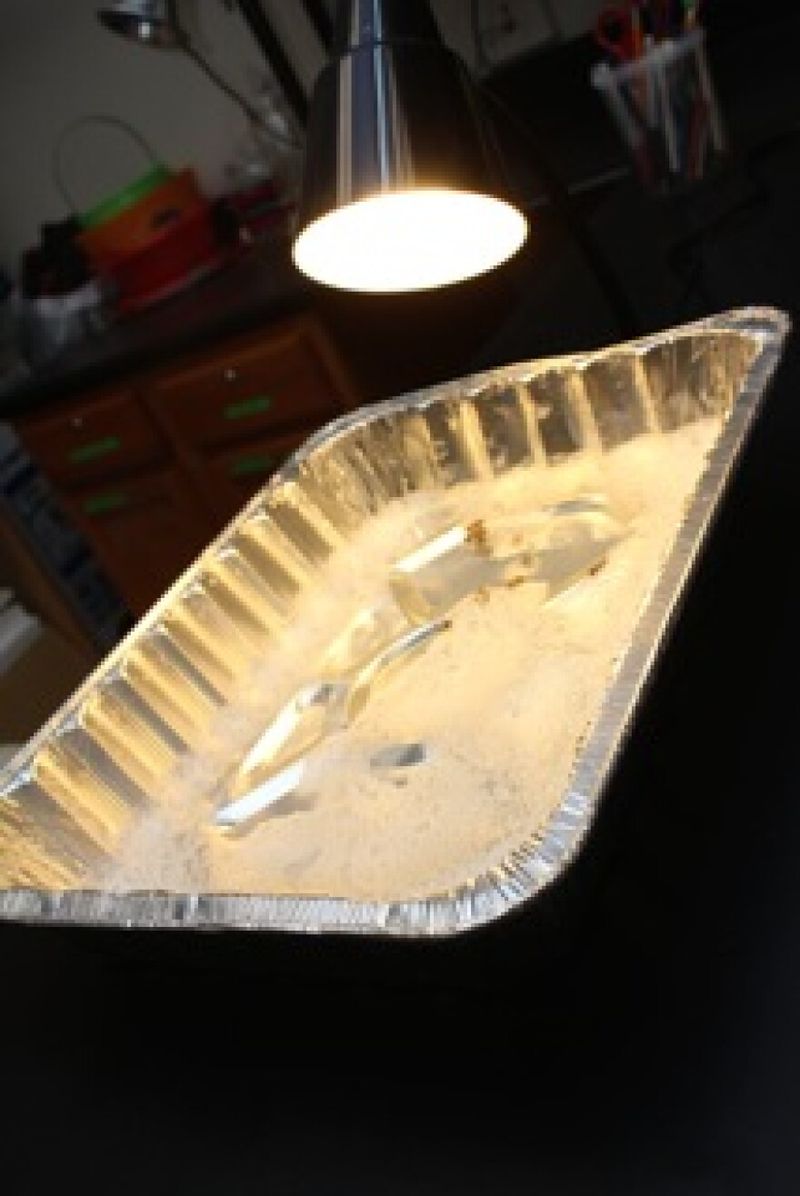
Sometimes a few bugs slip past even the best defenses. That is where a homemade light trap comes in handy, catching stragglers before they spread through the house.
Here is an easy version. Fill a shallow aluminum pan with water and a squirt of dish soap, then place it under a small lamp on the floor near your busiest window.
Turn off other lights in the room overnight. Bugs drift toward the glow, fall into the soapy water, and cannot climb back out.
Store bought stink bug traps with LED lights work in a similar way and are tidier for living spaces. Some include pheromone lures, though those are best kept outdoors in summer so they do not draw extra bugs toward your home.
Check traps each morning and empty them outside. Count what you catch, since the numbers tell you whether your sealing work is paying off.
Fewer bugs each week means your other habits are doing their job.
Keep traps away from pets and small children, and never leave a hot lamp near curtains. Safety first, bug hunting second.
10. Plan Exterior Repairs for Late Winter
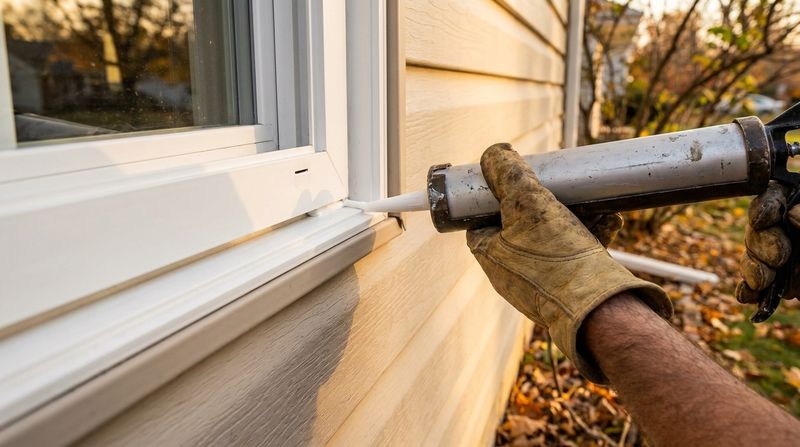
Smart homeowners use the quiet weeks of late winter to plan ahead. Most stink bugs and lady beetles enter walls in September and October, so the real goal is to be ready before next fall arrives.
On a mild day, walk around the outside of your home and study each window from the ground. Look for rotted trim, cracked siding, missing caulk, and gaps where the frame meets brick or wood.
Snap photos and jot down which windows need attention.
Spring is perfect for exterior caulking, trim repair, and painting, since temperatures rise and materials cure properly. Replacing damaged trim boards also stops moisture problems that can lead to larger gaps later.
Consider trimming shrubs and vines that touch the house near windows. Plants pressed against siding act like ladders, giving insects an easy climb to the frames.
By late summer, your home should be sealed tight. When cooler nights roll in and the bugs come looking for shelter, they will find a smooth, closed wall instead of an open door.
That small amount of planning now can save you a whole season of crawling headaches.