
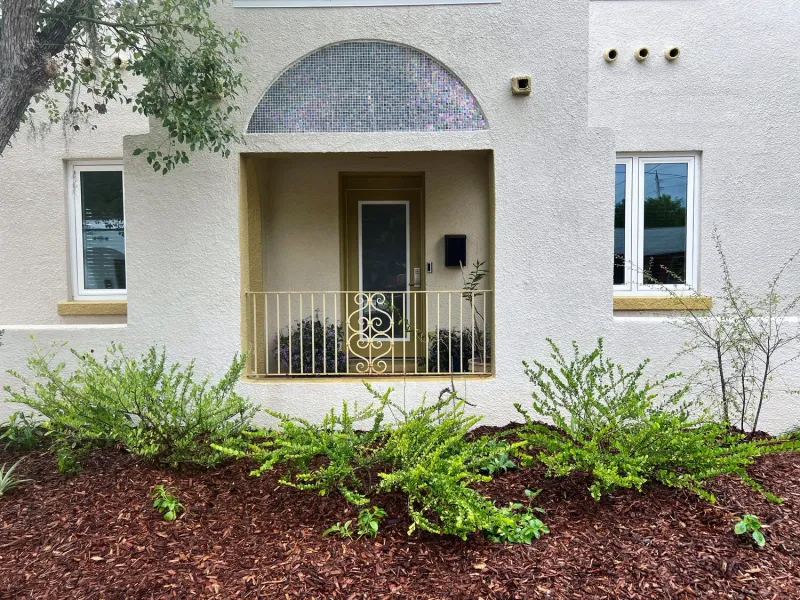
Replacing impatiens every season can turn a shady bed into a regular shopping trip. Florida natives offer longer-lasting plants, useful wildlife habitat, and flowers that suit the state’s mild winters.
The catch is location: winter blooms are most reliable in frost-free South Florida, and even shade-loving plants need enough light to flower. These eight choices cover everything from low groundcovers to flowering shrubs, with honest notes on where each works best.
1. Tropical Sage
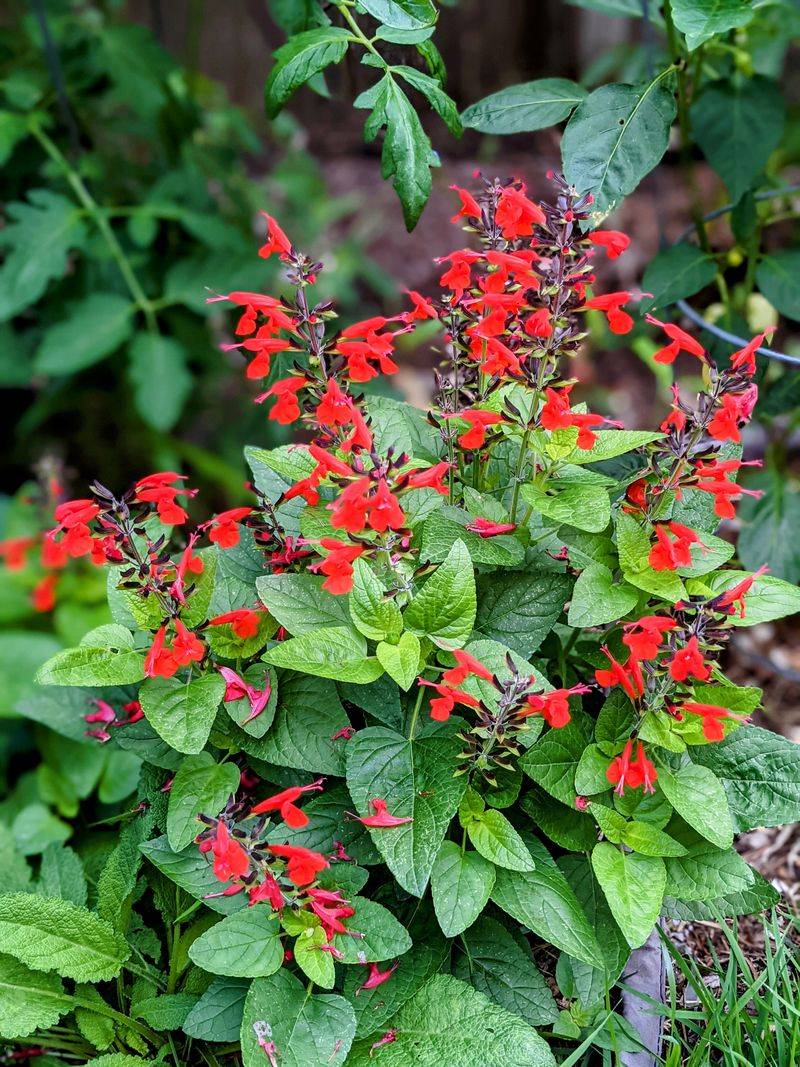
A few red flower spikes can wake up a bed that looks flat and green. Tropical sage, Salvia coccinea, brings that lift without needing the rich, constantly moist soil often used for impatiens.
Give it morning sun or bright, shifting shade and well-drained soil. Plants commonly reach about 2 to 3 feet tall, so place them behind shorter groundcovers rather than along the very front of a walkway.
In frost-free parts of South Florida, flowering can continue through winter. Central Florida gardeners may enjoy flowers during mild spells, while freezes farther north can end the display until growth returns.
Water new plants regularly while roots establish, then adjust irrigation to rainfall and soil moisture. Clip spent flower spikes for a tidier appearance, but leave some seed if you want replacement seedlings.
Its strongest reason to earn a spot is the combination of bold color and nectar for visiting pollinators. Avoid deep shade, where stems tend to stretch and flowering drops, and keep fertilizer modest rather than pushing lots of soft growth.
2. Rouge Plant
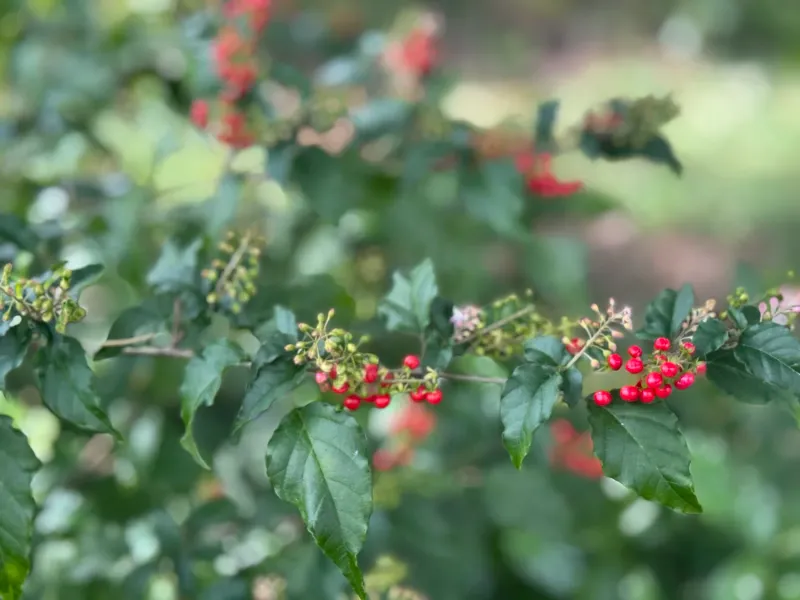
Flowers and bright red berries can share the same stem here, giving a shady corner more than one kind of color. Rouge plant, Rivina humilis, is especially useful when you value a woodland look over a neat carpet of bedding flowers.
Its small white to pinkish blooms are delicate, not showy from across the street. The berries supply much of the visual punch, and birds may visit to feed on them.
Plant it in partial shade with well-drained soil, allowing roughly 2 to 4 feet of room for its loose, branching shape. It fits beneath open-canopied trees and along sheltered foundation beds where harsh afternoon sun is limited.
Flowering and fruiting may continue through winter in frost-free locations. Cold weather can interrupt the display, so gardeners outside warm South Florida should treat winter flowers as a possibility rather than a guarantee.
Thin unwanted seedlings and lightly prune awkward stems to keep paths clear. The berries are not for people to eat, so choose another plant beside a children’s snack garden or anywhere accidental picking is likely.
3. Scorpiontail
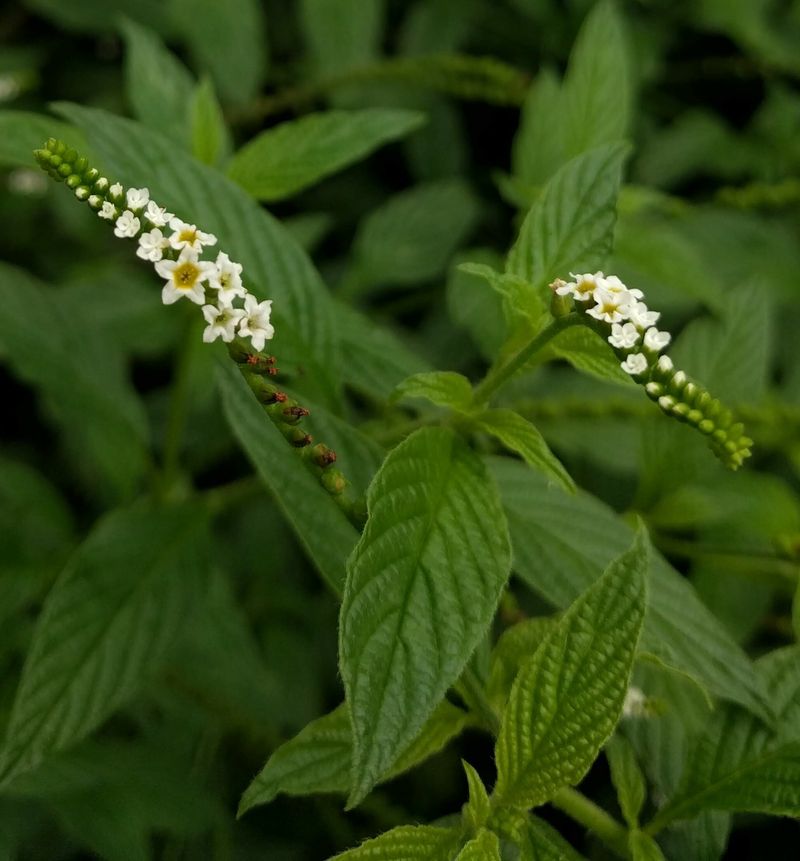
Look closely at the curling flower spikes and the name suddenly makes sense. Scorpiontail, Heliotropium angiospermum, carries tiny white flowers along curved stems that slowly unfurl.
Those little blooms are its main advantage in a wildlife-friendly bed. They attract small flower visitors while adding a light, airy layer between larger leaves and bolder flowers.
Choose a bright edge of the shade garden, not the darkest space beneath a dense tree. It handles partial shade, but stronger light generally produces a fuller plant and more flowers.
Expect a loose plant commonly around 2 to 3 feet tall, sometimes larger when conditions suit it. Give it room to branch, use well-drained soil, and avoid keeping the root zone constantly wet.
In warm, frost-free South Florida, flowers can appear throughout the year, including winter. A cold snap may pause growth or damage exposed stems.
Light trimming helps prevent a lanky appearance, and occasional seedling removal keeps the planting intentional. Put it beside a porch or path where its unusual flower shape can be appreciated up close rather than lost at the back of a large bed.
4. Havana Skullcap
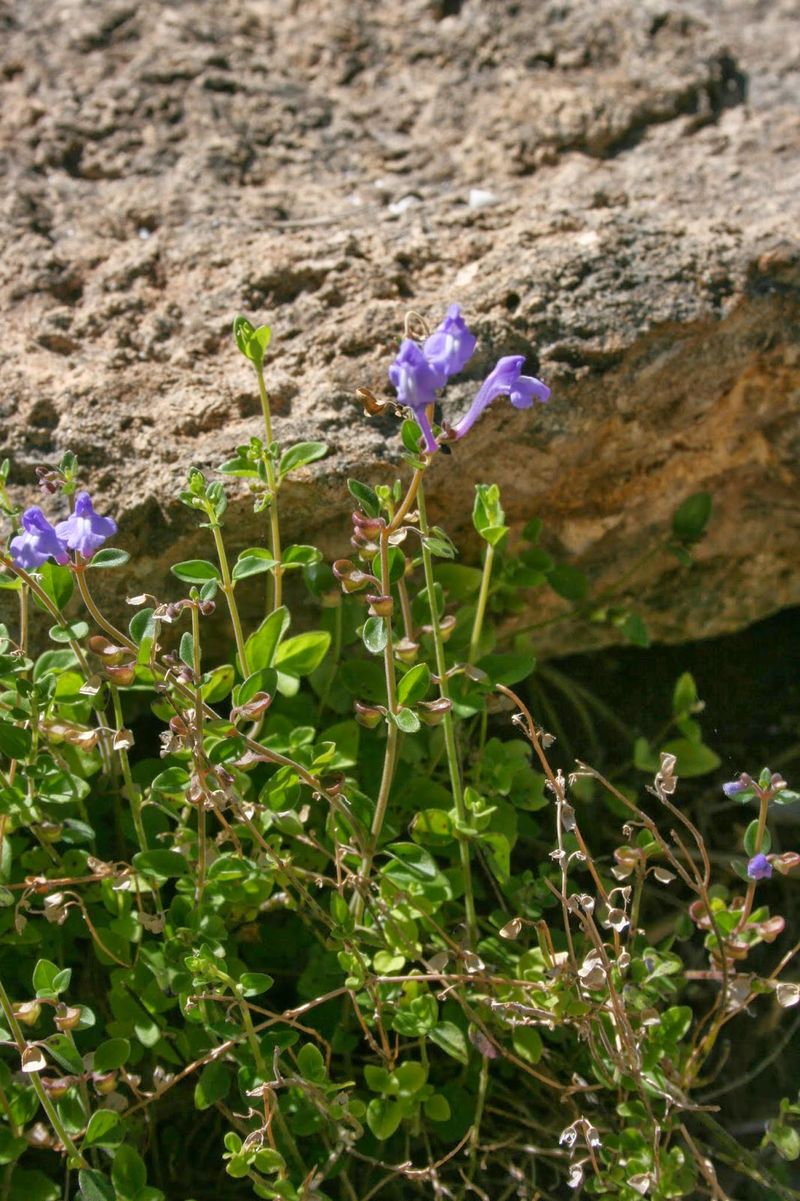
For a small pocket beside stepping stones, a towering shrub is simply the wrong tool. Havana skullcap, Scutellaria havanensis, offers a much lower option with small lavender-blue flowers and a tidy scale.
This Florida native belongs in a bright, well-drained spot, especially in South Florida gardens that resemble its rocky natural habitat. Think open shade with some sun, not a damp hollow under thick shrubs.
Its low growth makes it useful near the front of a bed, where the flowers will not disappear behind taller neighbors. Repeat several plants in separate pockets for a more visible display without crowding their crowns.
Winter flowers are possible in warm locations, although timing and abundance depend on weather and light. It is not a dependable all-winter bloomer across the entire state.
The biggest care decision is drainage: avoid heavy irrigation and soggy planting holes. A raised, rocky pocket can be a better fit than a heavily amended bed designed for thirsty annuals.
Buy nursery-propagated plants from a reputable native specialist. Because this is a less common choice, ask about local suitability before building your whole winter planting around it.
5. Native Blue Porterweed
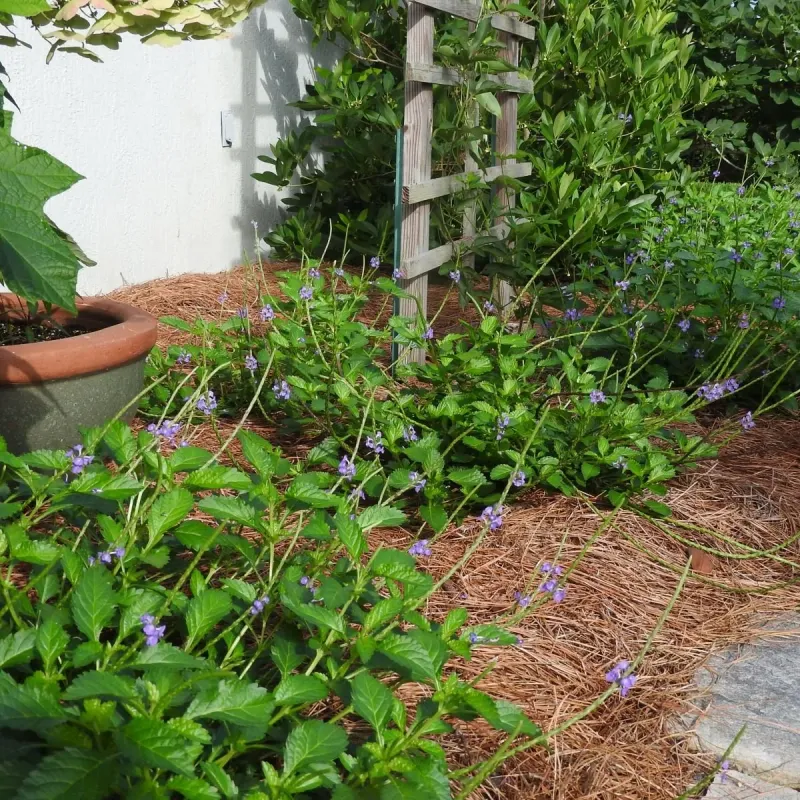
Butterflies do not need a solid blanket of flowers to find a worthwhile stop. Native blue porterweed, Stachytarpheta jamaicensis, offers a few small blue blooms at a time along long, slender spikes.
Its low, spreading habit makes it useful at the bright outer edge of a shade bed. Give it several hours of sun or very open partial shade, since deep shade means fewer flowers and weaker growth.
Shopping carefully matters with this plant. Nurseries also sell taller nonnative porterweeds and hybrids, so check the botanical name and buy from a supplier who can confirm the native species.
In frost-free South Florida, flowering can extend through winter. Chilly weather slows the show, and a freeze can damage the plant, making it a less dependable winter choice farther north.
Use well-drained soil and water consistently during establishment without leaving it soaked. Once settled, it usually needs less attention than a bed of seasonal annuals.
Let the stems spread naturally where space allows, or trim lightly to keep them off paving. Choose it for low pollinator activity near a patio, not for the dense, continuous color associated with impatiens.
6. Firebush
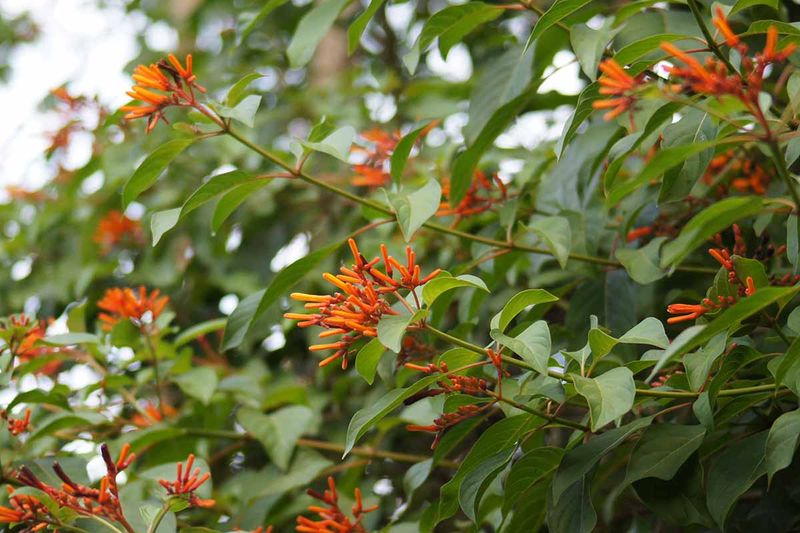
Sometimes the missing piece is height, not another row of small flowers. Firebush gives a shady border a flowering backdrop, with orange-red tubes that draw butterflies and occasional hummingbirds.
The native Florida form is Hamelia patens var. patens. Ask a native nursery for that form rather than assuming every plant labeled firebush is the same.
Allow generous space, because an established shrub can reach 8 to 12 feet or more in warm parts of Florida. Plant it behind lower-growing flowers, away from windows or paths that would require constant shearing.
Partial shade is acceptable, especially with morning sun, but heavier shade reduces flowering. In frost-free South Florida, blooms may continue through winter; in Central Florida, cold can damage branches, and freezes farther north may kill stems back.
Water during establishment, then match irrigation to rainfall and drainage. Avoid placing it where standing water lingers after storms.
Use selective pruning when needed instead of clipping it into a tight hedge, which removes flowering growth. Its payoff is a lasting garden framework with seasonal wildlife traffic, rather than a small replacement that fits directly into every former impatiens pocket.
7. River Sage
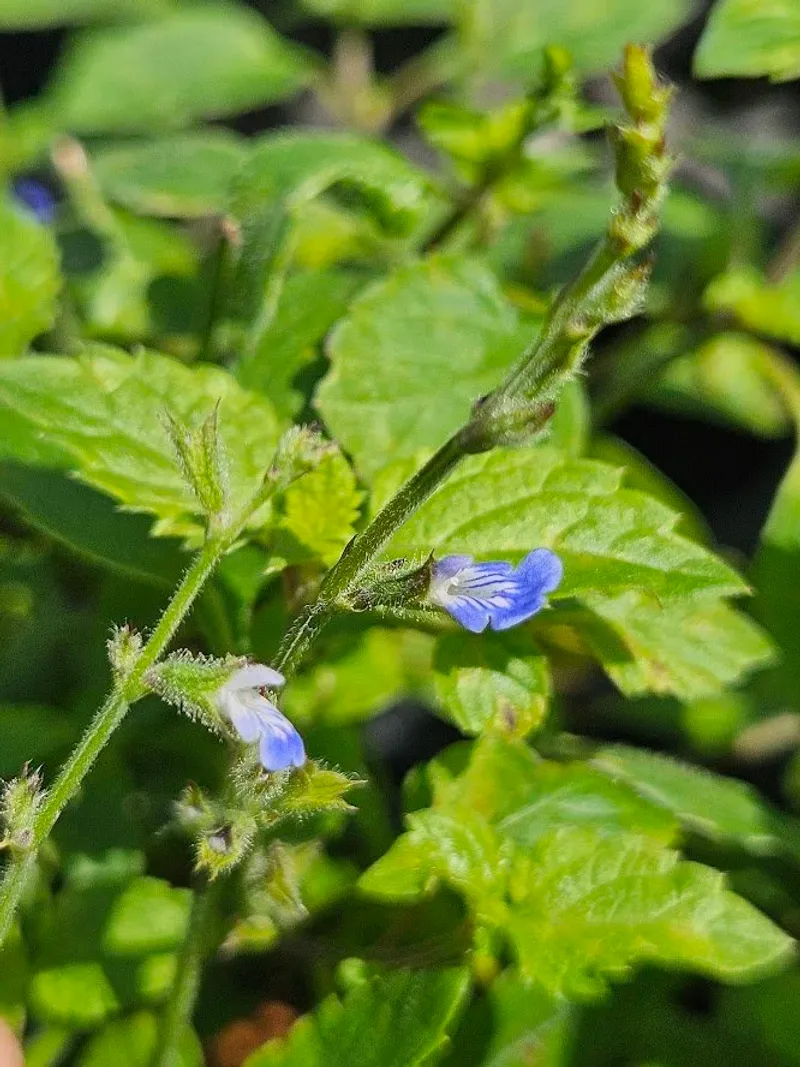
Not every useful shade plant announces itself from the driveway. River sage, Salvia misella, rewards a closer look with tiny blue flowers and low growth that suits informal woodland beds.
This is one of the quieter choices on the list, best used where foliage coverage matters as much as flower size. Place it near a path, beneath taller open shrubs, or in small groups where bare soil makes a bed look unfinished.
Partial shade and well-drained soil are a sensible starting point. Keep new plants watered while they root, then watch the soil rather than running irrigation on an automatic daily schedule.
Flowers can occur through the year in warm parts of its range, including winter when conditions stay mild. Do not expect large blue flower spikes or the packed color of a bedding display.
Its spreading habit may need occasional editing around small neighbors. Pull unwanted seedlings and shorten wandering stems if they begin covering a path.
River sage earns its place as a modest, shade-tolerant supporting plant. Pair it with a bolder flowering native from this list if your main goal is color that reads clearly from the street.
8. White Indigoberry
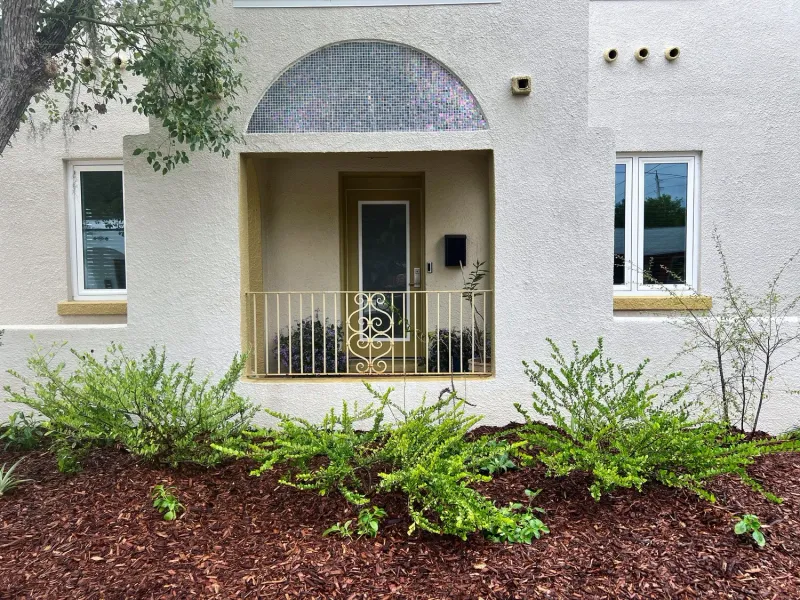
A sheltered corner can offer more than color: it can carry a little fragrance, too. White indigoberry, Randia aculeata, produces small, fragrant white flowers and later develops pale fruits that give this native shrub its name.
It suits warm South Florida gardens, particularly where a permanent evergreen plant makes more sense than another seasonal flower purchase. Flowering can occur at different times of year, including winter, but it is not a nonstop floral display.
Choose partial shade with good light and well-drained soil. Its slow growth and branching shape work well in a mixed native border, provided you allow room for a shrub that can eventually reach several feet tall and wide.
Short spines make placement important. Keep it back from narrow walkways, play spaces, and spots where you regularly reach in to turn on a hose.
Water carefully during establishment and avoid a soggy root zone. Once settled in a suitable site, it can handle dry periods better than moisture-loving annual bedding plants.
For the best winter result, combine it with smaller flowering natives rather than expecting one shrub to do everything. Check your county’s UF/IFAS Extension guidance and choose plants suited to your local cold risk.