
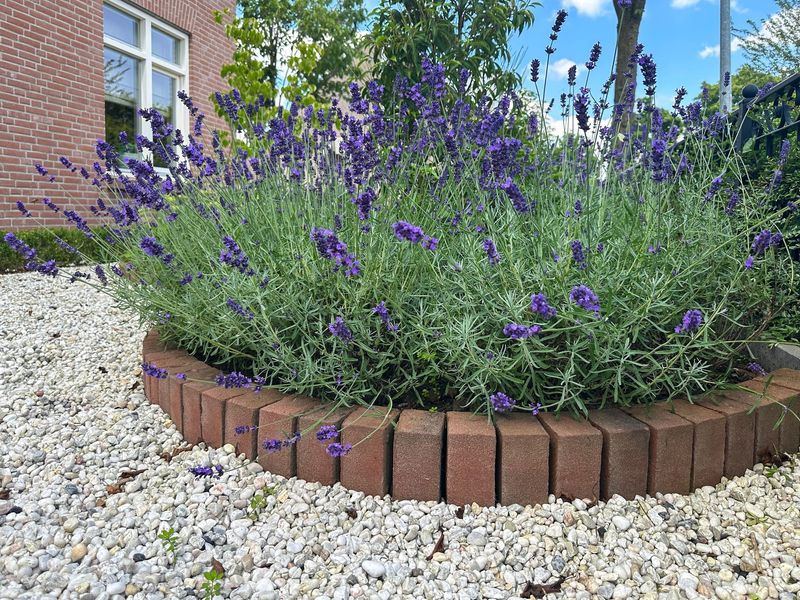
A silvery, purple-flowered herb sounds like the perfect way to make a yard pretty and keep rats out at the same time. The trouble is that the pest-control part of that promise does not hold up well.
Lavender still has plenty to offer in a sunny garden, and rats are better handled with a few practical yard habits. Here is how to enjoy one and manage the other without mixing them up.
Lavender is not a proven way to keep rats away
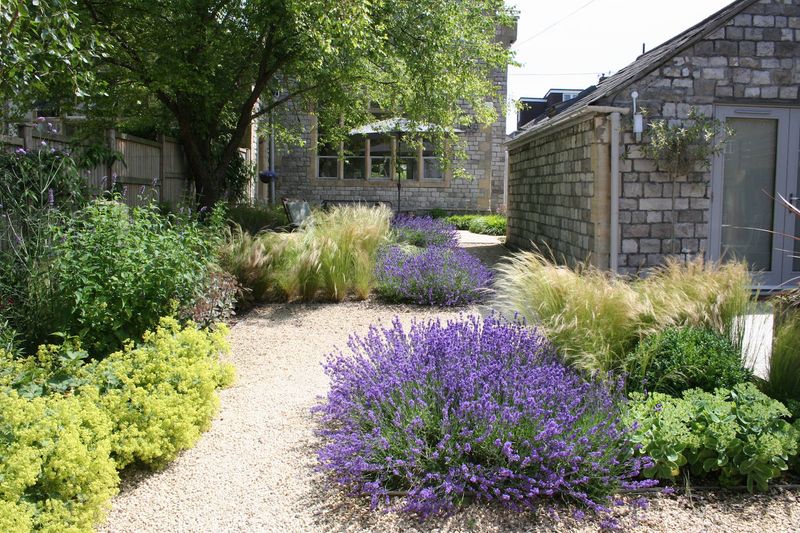
The title of this article points to a fragrant California herb but never names it. Lavender is the most likely match, so that is the plant used here, and it should be confirmed before publication.
If lavender is the plant in question, there is no reliable proof that growing it keeps rats out of a yard.
That may disappoint anyone hoping a flower bed could double as pest control. According to the UC Statewide IPM Program, rats may avoid certain odors and tastes at first, but repellents have not been shown to solve a rat problem beyond a short time.
UC IPM also says that no truly effective rat repellents are registered for use in California. That statement is specific to California, so readers elsewhere should check their own state rules.
The takeaway is simple. Choosing a garden plant and managing rats are two separate jobs.
Plant lavender because you like how it looks and smells. Deal with rats by taking away their food, closing their entry points, and using proper control methods when they are already around.
Treating the two as one project can cost you time. A pretty border may leave you feeling protected while rats keep finding fallen fruit, open trash cans, and gaps under the shed.
The rest of this article sorts out what lavender can do for your yard and what actually helps with rats.
What the rat-odor research did—and did not—test
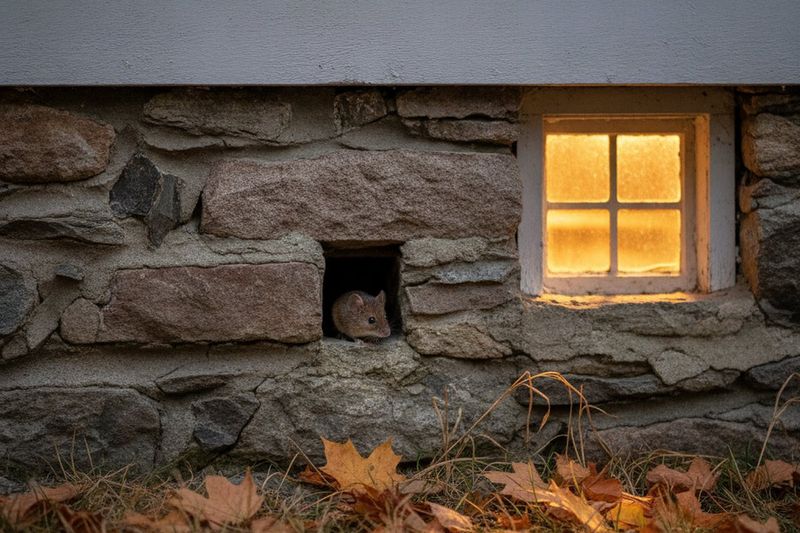
Articles about natural repellents often point to lab studies, so it helps to know what one of them actually did. A study in the Thai Journal of Veterinary Medicine tested pure natural oils and extracts, including peppermint, on rats in a circular open field.
That is a controlled behavioral arena, not a backyard.
The rats showed short-term avoidance of some of the substances. The authors also said more research was needed to establish whether any of them work in practice.
In other words, the result was a first step, not a finished answer.
Just as important is what the researchers left out. They did not test lavender.
They did not test living plants, garden borders, or long-lasting control outdoors, where wind, rain, food sources, and shelter all play a part.
So the study cannot back up a claim that planting lavender deters rats. A concentrated oil in a small test space is very different from a shrub growing in the ground.
If you see a post linking this research to a lavender hedge, that link is the author’s guess, not a finding.
Lavender offers fragrance and flowers for the garden
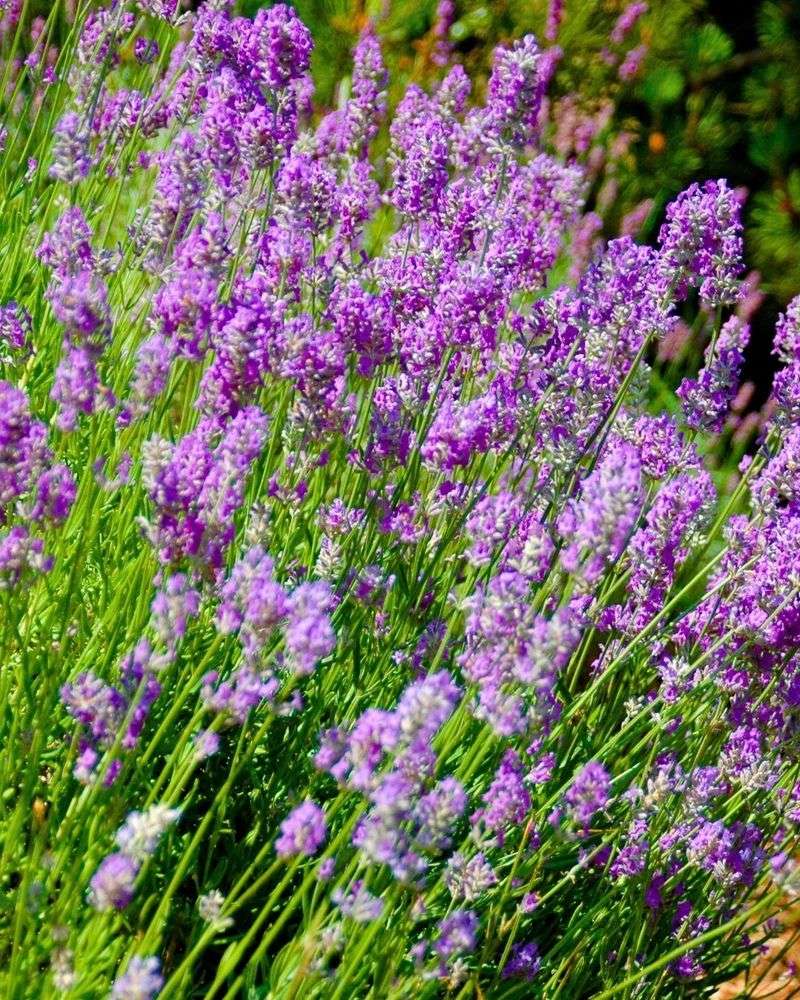
Brush your hand across a lavender plant and you will understand why gardeners love it. The silvery foliage looks good even when the plant is not in bloom, and the flower spikes bring a soft purple color to borders, walkways, and containers.
Scent is a big part of the appeal. UC Master Gardeners of Sonoma County describe lavender as fragrant and note that bees and butterflies use it.
That makes it a good fit for a sensory garden or a pollinator-friendly planting near a patio, gate, or front walk.
Try planting it where you will pass close enough to enjoy it. A bed along a sunny path, beside steps, or under a kitchen window puts the fragrance within reach.
Low-growing types suit edging, while larger shrubs can anchor a corner.
Keep the benefits in their proper category. Fragrance, color, and visits from pollinators are ornamental and sensory perks.
A strong smell to us does not prove that rodents will stay away, and no source reviewed for this article makes that claim. Think of lavender as a pleasure plant, and you will not be let down.
Choose a sunny, well-drained California site
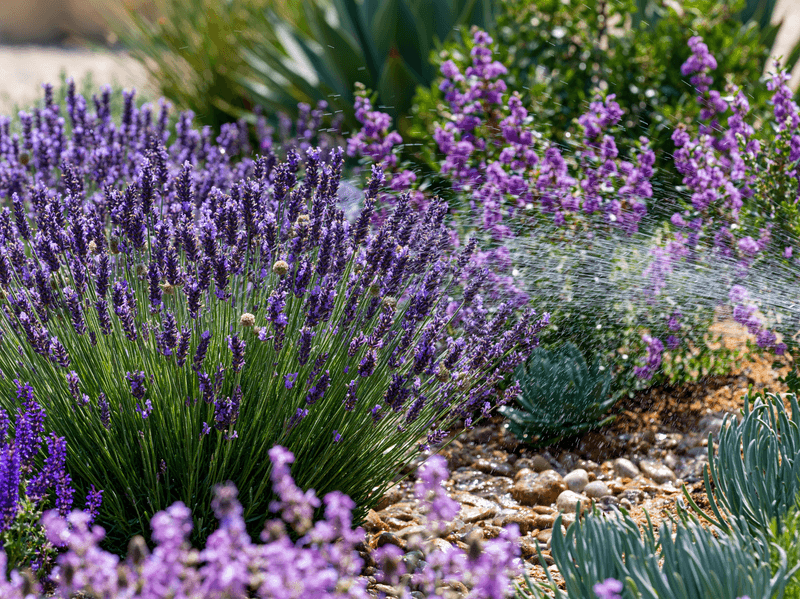
Where you put lavender matters more than almost anything else you do for it. The UC Statewide IPM Program’s cultural tips for growing lavender call for at least six hours of sun and a spot where water drains well.
Soggy ground is a common reason these plants struggle.
Watering style is the next piece. The same guidance advises keeping lawn-sprinkler overspray off lavender and using drip irrigation instead.
A drip line puts water at the roots and keeps the foliage drier, which suits a plant that comes from dry, sunny hillsides.
New plants need regular irrigation while they establish. Once mature, lavender generally needs less water.
That fits well with California’s long dry summers and the water-wise habits many homeowners already follow.
Picture a spot along a south-facing fence or the edge of a gravelly bed rather than the corner of a lawn. A raised bed or mound can help if your soil holds water.
These tips come from California sources and reflect California conditions. They are not a one-size recipe for every state, and the next section explains why Texas and Florida gardeners need to look at local advice.
Texas and Florida gardeners should check local lavender advice
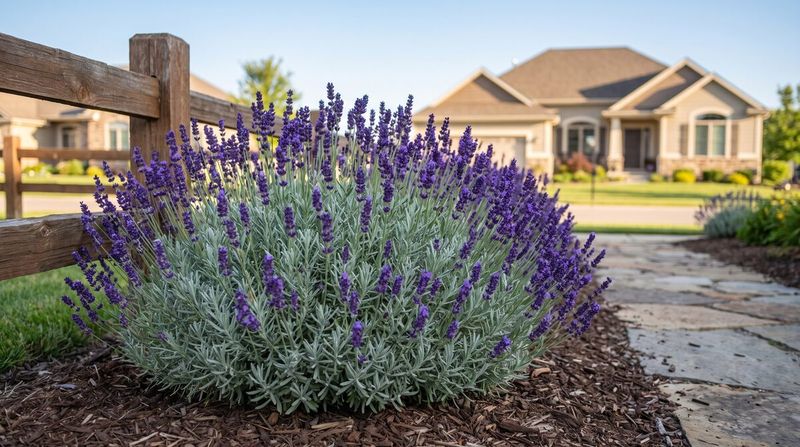
Lavender loves a dry-summer climate, and not every part of the South offers one. Texas and Florida gardeners should look to their own extension services before copying California steps.
For Texas, Texas A&M AgriLife Extension describes lavender as difficult to grow in the state and lists varieties that suit Texas conditions. That means picking the right type matters as much as picking the right spot.
In Florida, humidity is the main hurdle. UF/IFAS Extension Manatee County recommends lavender types better suited to Florida’s humid conditions in an aromatic garden.
The practical lesson is to ask local experts which lavender to buy before you shop. No single cultivar or care plan fits every climate.
Your county extension office or a nearby independent nursery can point you to the options that have worked in your area.
If lavender proves fussy where you live, other aromatic herbs listed in those regional guides may give you scent and color with less struggle.
Reduce the food, shelter, and access rats can use
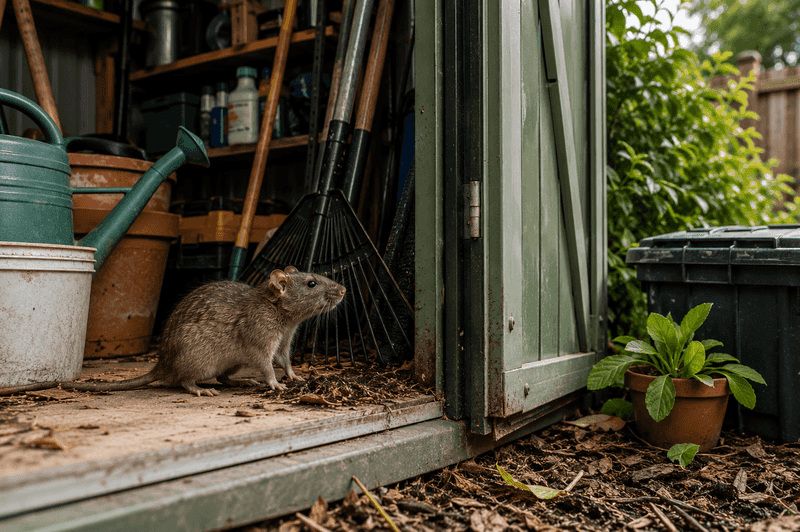
Rats come to a yard for meals and a place to hide. Take those away, and your yard becomes much less inviting.
UC IPM’s rat guidance centers on exactly this kind of work.
Start with food. Keep garbage in tightly closed containers, bring pet food indoors or store it in a sealed bin, and pick up fallen fruit and nuts promptly.
Clear away garden debris, too, since piles of clippings make cozy hideouts.
Next, look at shelter. Store lumber, pots, and other materials off the ground.
Thin out dense vegetation, and keep dense shrubs at least two feet from one another and from buildings so rats have fewer protected paths to your walls.
Then close the doors. UC IPM advises sealing openings larger than one-quarter inch, which can stop both rats and mice from getting inside.
Check around pipes, vents, garage doors, and the foundation.
Notice that none of these steps depend on a smell. They work by cutting off food and cover or by blocking entry, which is why they hold up better than a scented plant ever could.
Use appropriate control measures when rats are active
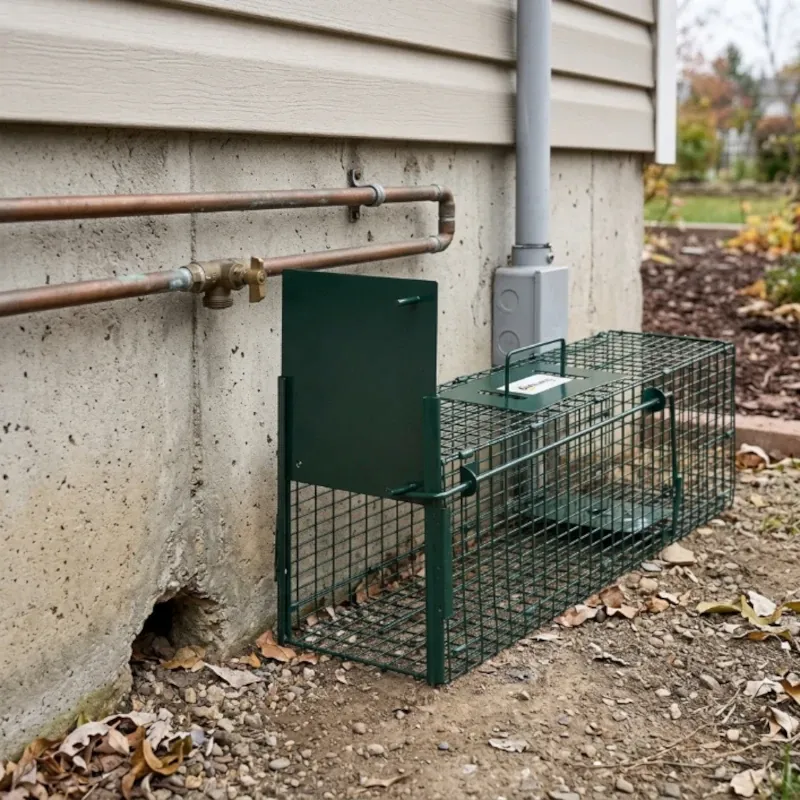
If you already see droppings, gnaw marks, or live rats, do not wait for a flower bed to help. Yard cleanup and sealing gaps lower the odds of trouble, but an active problem usually calls for direct control.
UC IPM points to trapping as an effective option around homes. Set traps along the routes rats use, which you can spot by droppings, gnaw marks, or other signs of activity.
Keep every trap out of reach of children and pets, using covered or tamper-resistant placements where possible.
Rodenticides, or rat poisons, carry more risk. They can harm people, pets, and nontarget wildlife, including animals that eat a poisoned rat.
If you consider one, follow the product label exactly and check the rules that apply where you live, since local restrictions differ.
When the problem is large, or you are unsure where the rats are getting in, a licensed pest management professional can help. Pair any control step with the cleanup and exclusion work from the previous section so new rats do not simply replace the old ones.
Plant lavender for the garden, not as rat control
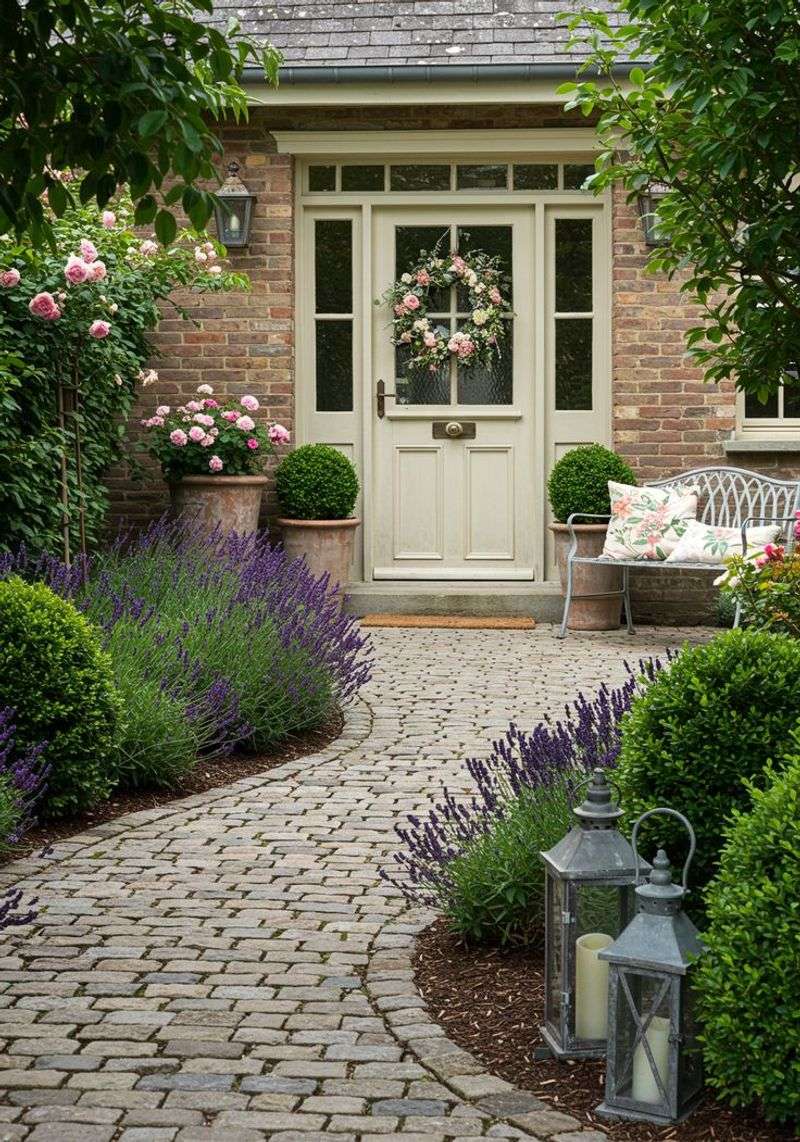
If lavender is the herb you had in mind, plant it for its silvery leaves, purple blooms, and scent in a spot that suits your local climate. Let it be the pretty part of the yard.
For rats, rely on UC IPM’s steps: clean up food and shelter, seal entry points, and use suitable control measures when rats are present.
A fragrant border is a nice thing to have, but a sealed gap does more work than a hundred flowers.