
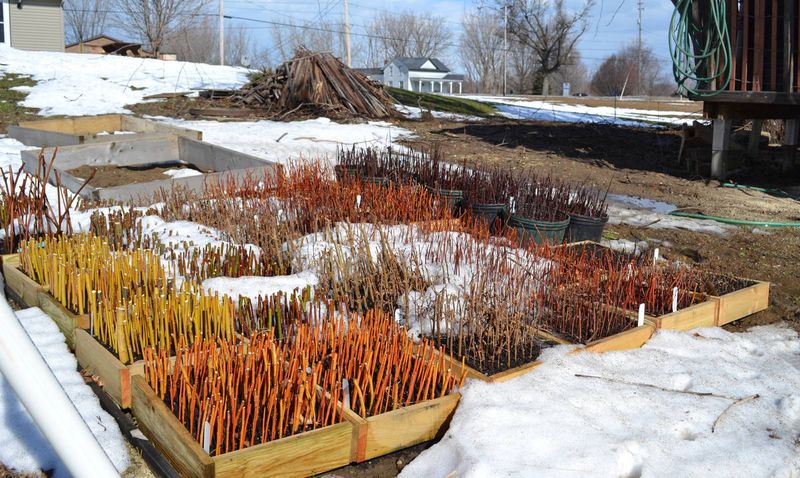
A few bare stems from a shrub you already own can turn into new plants without a trip to the nursery. Hardwood cuttings are taken when a shrub is asleep for the winter, and they cost far less than buying shrubs.
They do not work for every plant, and they can take longer than you might hope. Here is how North Carolina gardeners can try it and what to expect along the way.
Use dormancy as your timing cue
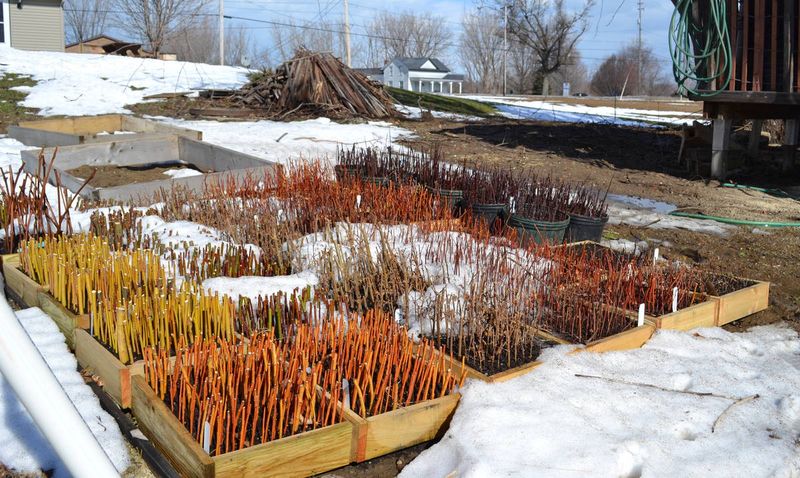
Hardwood cuttings come from mature, firm stems that grew last season and have now gone dormant. Wood like this does not bend easily, which is how NC State Extension describes it.
The general window runs from late fall through winter and into early spring, as long as the stems are fully dormant.
Late fall is a fine time to start, but it is not the only workable time. A calendar date matters less than what the plant is doing.
If leaves are still green and the shrub is pushing growth, wait. Once leaves have dropped and growth has stopped, the stems are ready.
North Carolina makes this a moving target. A shrub in the mountains may go dormant weeks before one on the coastal plain, so watch your own plant instead of copying a neighbor’s schedule.
University of Georgia Extension also stresses that timing depends on the species, so look up the plant you have in mind.
There is a practical payoff to working in the dormant season. The garden is quiet, the plant has no leaves to lose water through, and pruning now can double as a cutting harvest.
You are gathering material you might have trimmed off anyway.
Keep in mind that a hardwood cutting describes the stem’s age and dormant state. It is not a single method that works the same way for every shrub.
Choose a shrub and parent stem suited to hardwood cuttings
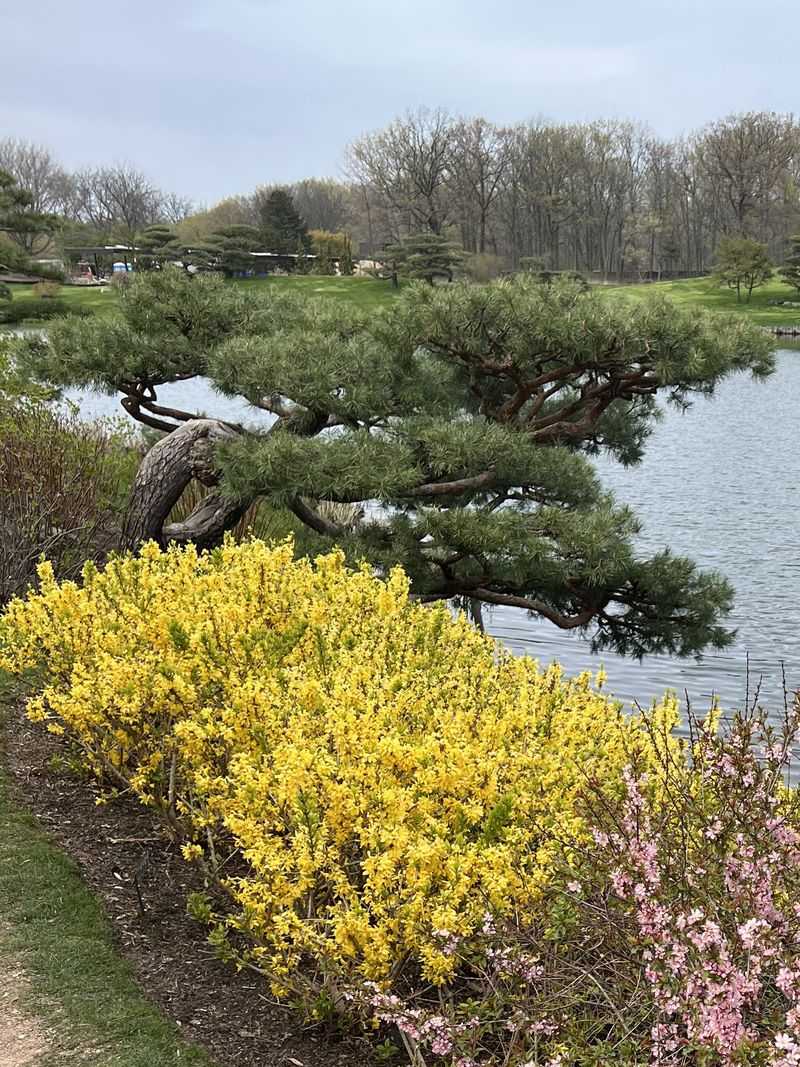
Start by asking whether your shrub is a good match. NC State Extension lists fig, forsythia, grape, privet, and spirea as examples of plants propagated by hardwood cuttings.
Treat that list as a starting point, not a promise that every plant in your yard will cooperate.
Some shrubs root better from softwood or semi-hardwood cuttings taken at other growth stages. Before you cut, check species-specific advice from your local Extension office.
University of Georgia Extension sends gardeners to plant-by-plant recommendations for just this reason.
Next, look at the parent plant. Pick a healthy, disease-free shrub with no spotted, dying, or insect-damaged stems.
Then choose mature wood from last season that is firm and has gone dormant, as Iowa State Extension advises. A weak parent usually gives weak cuttings.
One more check matters before you pick up the shears. Cuttings generally keep the traits of the parent plant, but some cultivars are patented, and propagating them may be prohibited.
Look at the plant tag or ask the nursery, and skip any cultivar where propagation is not allowed.
If you are unsure, a common older shrub with no patent label is usually an easier place to practice.
Prepare and orient each stem carefully
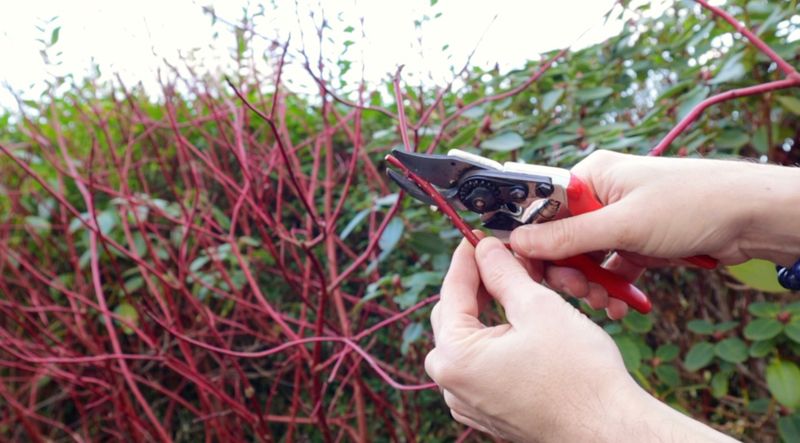
Sharp, clean tools make better cuts and spread fewer diseases. NC State Extension recommends sharp tools and offers several ways to disinfect them.
Wipe or treat your pruners between different plants, not just at the start.
Handle the stems gently so you do not bruise them or knock off buds. There is no single stem length or cut pattern that suits every shrub, so follow the guidance for your species instead of a generic rule.
Direction matters. A stem pushed in upside down is unlikely to root well.
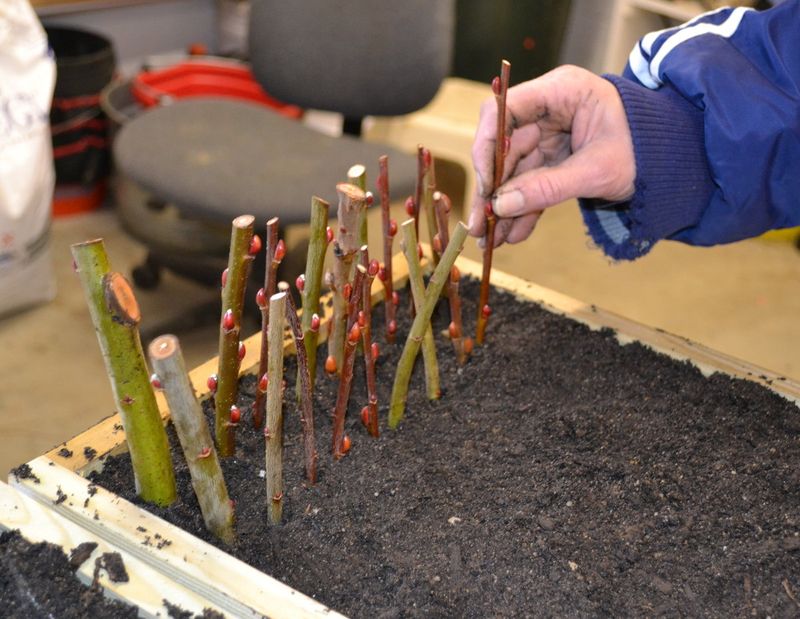
Iowa State Extension explains that bud position and leaf scars help you tell the base from the tip. Buds point up toward the tip, so the end opposite them is the base.
Some gardeners make a slanted cut at the base and a flat cut at the top to keep track.
Rooting hormone is optional. It can improve rooting in some plants, but too much can lower your success.
If you use it, apply a light coating and tap off the excess.
Keep the cuttings from drying out while you work. A damp paper towel or a closed bag in the shade works well until they are in their containers.
Keep container cuttings moist but well drained
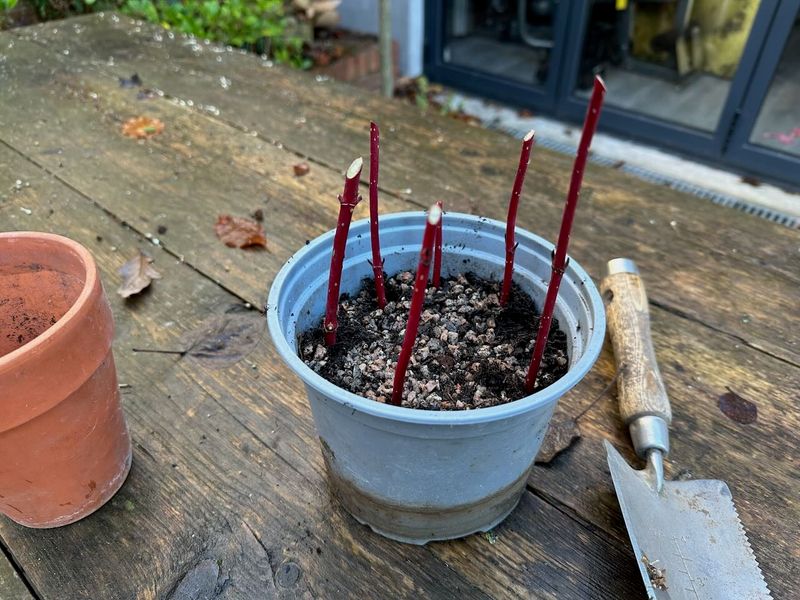
Container rooting is simple, but the setup matters. Use a clean rooting medium that drains well and still holds some moisture.
NC State Extension also calls for containers with drainage holes, so water never sits at the bottom.
Moisture is the daily job. A cutting has no roots yet, so it depends on the medium to supply water.
Iowa State Extension says hardwood cuttings still need water before roots form. Aim for damp, not soggy.
Soaked medium can lead to rot.
A quick finger test helps. If the top inch feels dry, water gently.
If it feels wet and heavy, hold off.
Costs depend on what you already have. Reused pots that you have cleaned may do the job, while bagged medium and new containers can add up.
Water and your time are part of the price too.
Pots are one way to root cuttings, not the only one. Other methods exist, and the right setup can vary by plant.
Treat this approach as a basic container routine, and adjust it to the shrub you are working with.
Treat wet-site live stakes as a separate use
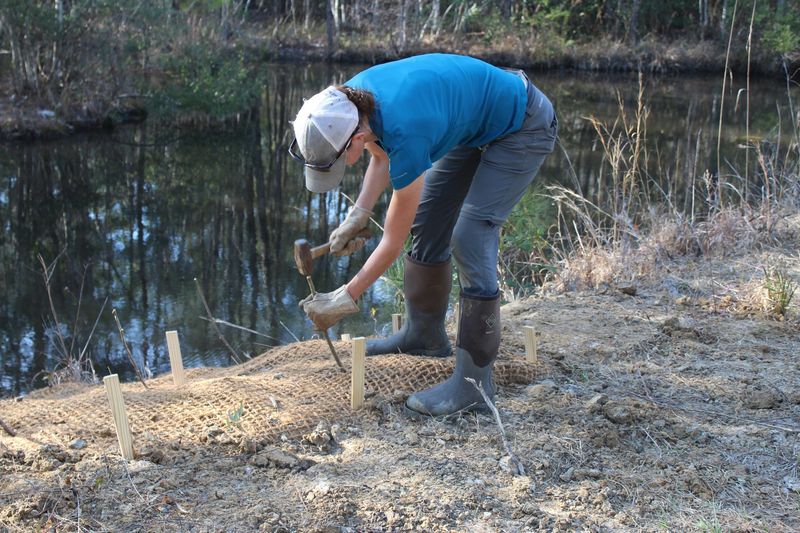
Live stakes are a different job from rooting cuttings in pots. The NC Forest Service describes them as a small-scale way to repair eroding streambanks.
Its guidance lists buttonbush, silky dogwood, red-twig dogwood, ninebark, silky willow, and American elderberry as successful live-stake plants for wet sites.
The timing is specific to that use. The guide gives November through February for cutting and planting these stakes.
It also says to remove no more than 5 percent of the parent plant, which keeps the source shrub healthy.
Do not stretch these instructions beyond their purpose. They apply to the listed plants on wet streambanks.
They are not a calendar for every shrub, a recipe for pots, or advice for a dry yard border.
The listed plants also do not behave the same. Sources differ on how to propagate some of them, elderberry included, so method and plant both matter.
Do not assume all six root equally easily.
If you have a creek or a soggy low spot, this guide is worth a read. For an ordinary garden bed, stick with the container methods above and check guidance for your species.
Treat spring growth as a checkpoint, not a finish line
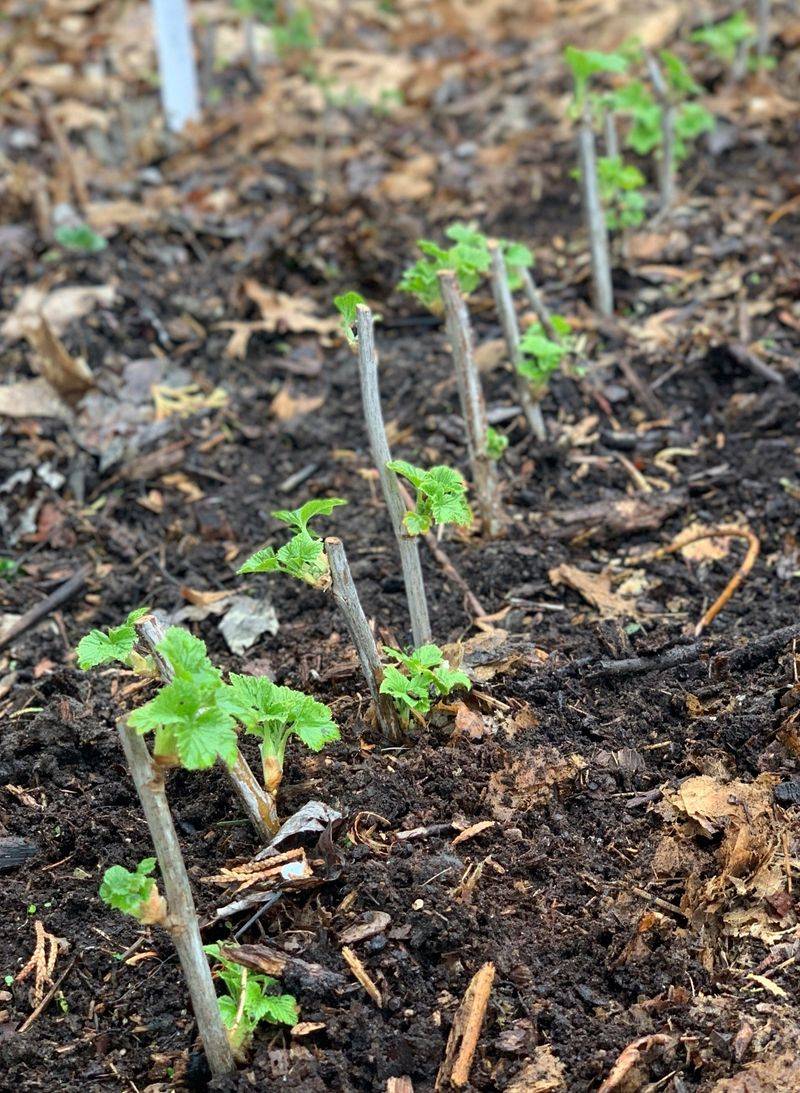
Green leaves in April feel like victory, but they can be misleading. A cutting can leaf out using stored energy before it has built a real root system.
Iowa State Extension advises patience with hardwood cuttings and recommends checking for roots.
To check, look for roots coming out of the drainage holes, or give the cutting a very light tug and feel for resistance. If you need a closer look, lift one gently and then replant it.
A leafy cutting with weak roots can wilt fast when summer heat arrives.
Hardwood cuttings may root slowly, and some take longer than cuttings from the growing season. After rooting, many plants spend one or two years in a grow-out bed before they are ready for a permanent spot.
A protected corner with regular water works well for this.
On cost, the savings come from not buying new plants. UF/IFAS describes dormant hardwood propagation as low-cost.
Still, NC State Extension notes the need for a proper medium and containers, so pots, mix, water, and tools may add some expense.
Expect some cuttings to fail. Starting extra ones gives you better odds of ending up with a few strong shrubs.
Verify the method and give cuttings time
Before you cut, confirm that hardwood cuttings are the right method for your shrub, and wait until the plant is truly dormant. NC State Extension treats dates as guidelines.
Iowa State Extension urges patience.
Think of spring as an early progress check, not a deadline. Results and timing vary by plant, but a few clipped stems can become shrubs you did not have to buy.
Some stems just take a season longer to get there.