
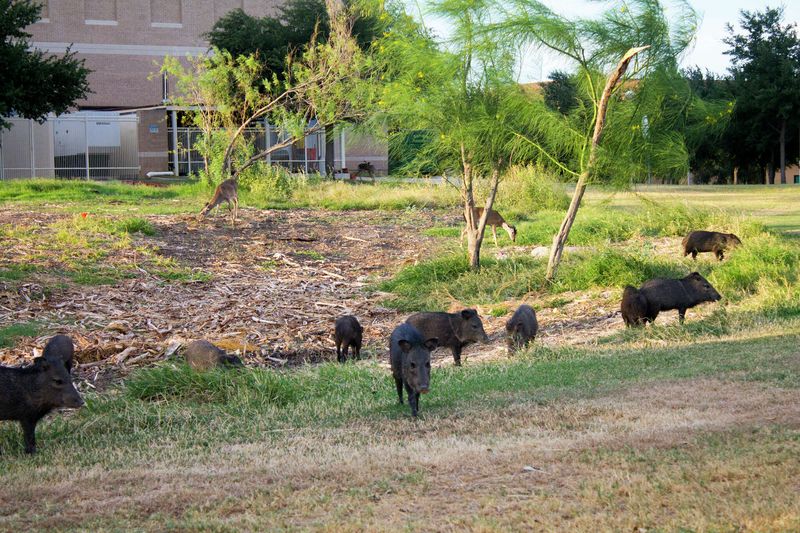
You step outside with your coffee and find a patch of lawn flipped over like a plowed field. Feral hogs are the usual suspects in Central Texas, and the mess can look like a puzzle with one missing piece: what were they after?
Torn turf tells part of the story, but not all of it. Knowing what it can and cannot tell you helps you spend your time and money on steps that actually make sense.
Rooting reveals a feeding attempt, not the menu
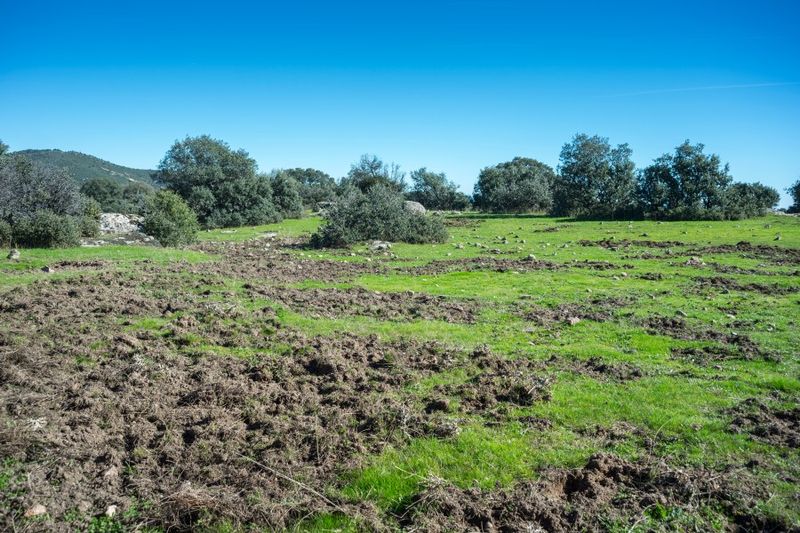
Fresh rooting usually means hogs were foraging. They push their snouts into the ground and flip the surface over to reach whatever sits just below it.
That much is a fair conclusion to draw from a torn-up lawn.
What the damage cannot tell you is the menu. Turned sod looks much the same whether a hog found insects, earthworms, roots, or tubers.
Texas Parks and Wildlife describes wild pigs as opportunistic feeders, which means they take what the landscape offers rather than hunting one favorite item.
Think of it like finding an empty plate in the kitchen sink. You know someone ate, but you cannot say whether it was pasta or tacos.
The same goes for a rooted yard: it is evidence of activity, not a diagnosis of a particular food.
Timing is another trap. Finding damage in the morning does not prove the hogs only work at night.
Texas wildlife sources describe activity at dusk and dawn, and nighttime habits shift with climate and human disturbance. A hog could have visited at sunset while you were inside making dinner.
So treat rooting as a starting clue. It tells you hogs were there, and it points you toward looking at the surroundings for more signs, which later sections walk through.
A hog’s menu shifts with what is available
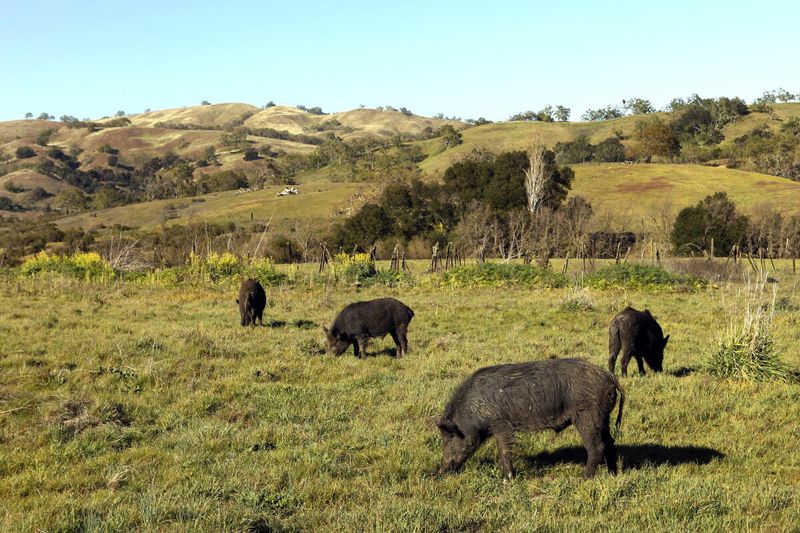
Ask what feral hogs eat and the honest answer is: it depends. Their diet changes with the season, the location, and what is growing or falling nearby.
A hog near a creek bottom in Bastrop may eat differently than one on a ranch edge near Georgetown.
Plants make up most of the menu. According to Texas Parks and Wildlife, their diet includes grasses and other vegetation, roots, tubers, and acorns and other mast.
Mast is the term for nuts and fruits that drop from trees, and in oak country it can matter a great deal in fall.
Animal foods fill in the gaps. Insects and earthworms are possible foods, and hogs are known to eat other items they come across.
Texas A&M AgriLife’s ecology information backs up the picture of a flexible eater that adjusts to local supply.
Natural foods can pull hogs into an area, especially when acorns are dropping or the ground is soft enough to dig. But a list of possible foods is not a diagnosis for your lawn.
Your yard might offer one of these items, several, or none at all, and hogs might simply be passing through on the way to something else.
This flexibility also explains why no single fix works every time. If one food source disappears, a hog with other options nearby has little reason to change its routine.
Grubs are one possibility beneath torn turf
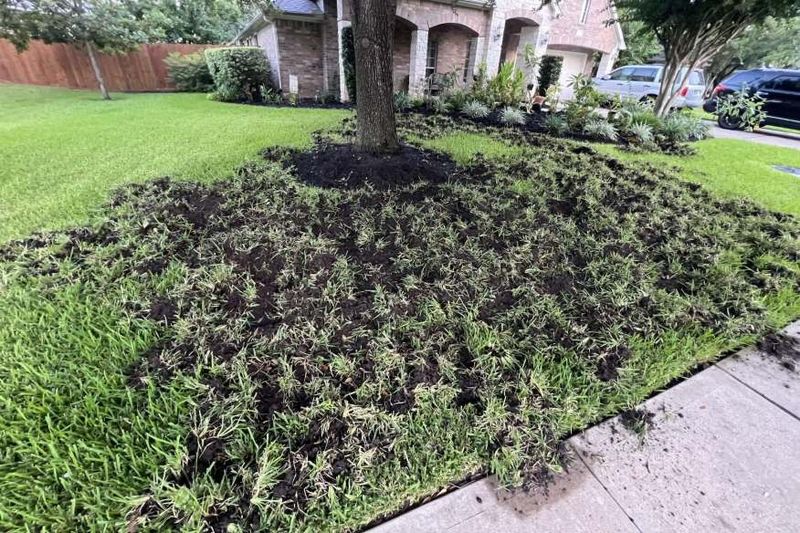
Grubs deserve a place on the suspect list. Hogs root for underground foods, and insects, earthworms, roots, and tubers are all on the table.
A lawn with beetle larvae in the soil could certainly be tempting.
The catch is that surface damage looks alike no matter the target. Overturned sod from a grub meal, an earthworm search, or a root hunt can be nearly impossible to tell apart by sight.
Texas sources such as TPWD’s wild pig page list these foods as possibilities without pointing to any one as the usual cause.
Soil conditions play a role in how the digging goes. A Texas A&M Forest Service publication notes that soil affects how deep hogs can root.
Softer ground may be easier to work, while hard, dry clay can limit them.
That is not the same as saying damp turf means grubs are present. A moist Central Texas lawn does not prove a grub problem, and there is no solid basis for saying hogs choose a yard because of grubs.
Roots and tubers, which USDA APHIS technical guidance also lists among foods hogs dig for, could be just as likely.
Keep grubs in mind, but hold the conclusion loosely until you have checked the soil yourself.
Wet ground can mean a wallow, not a meal
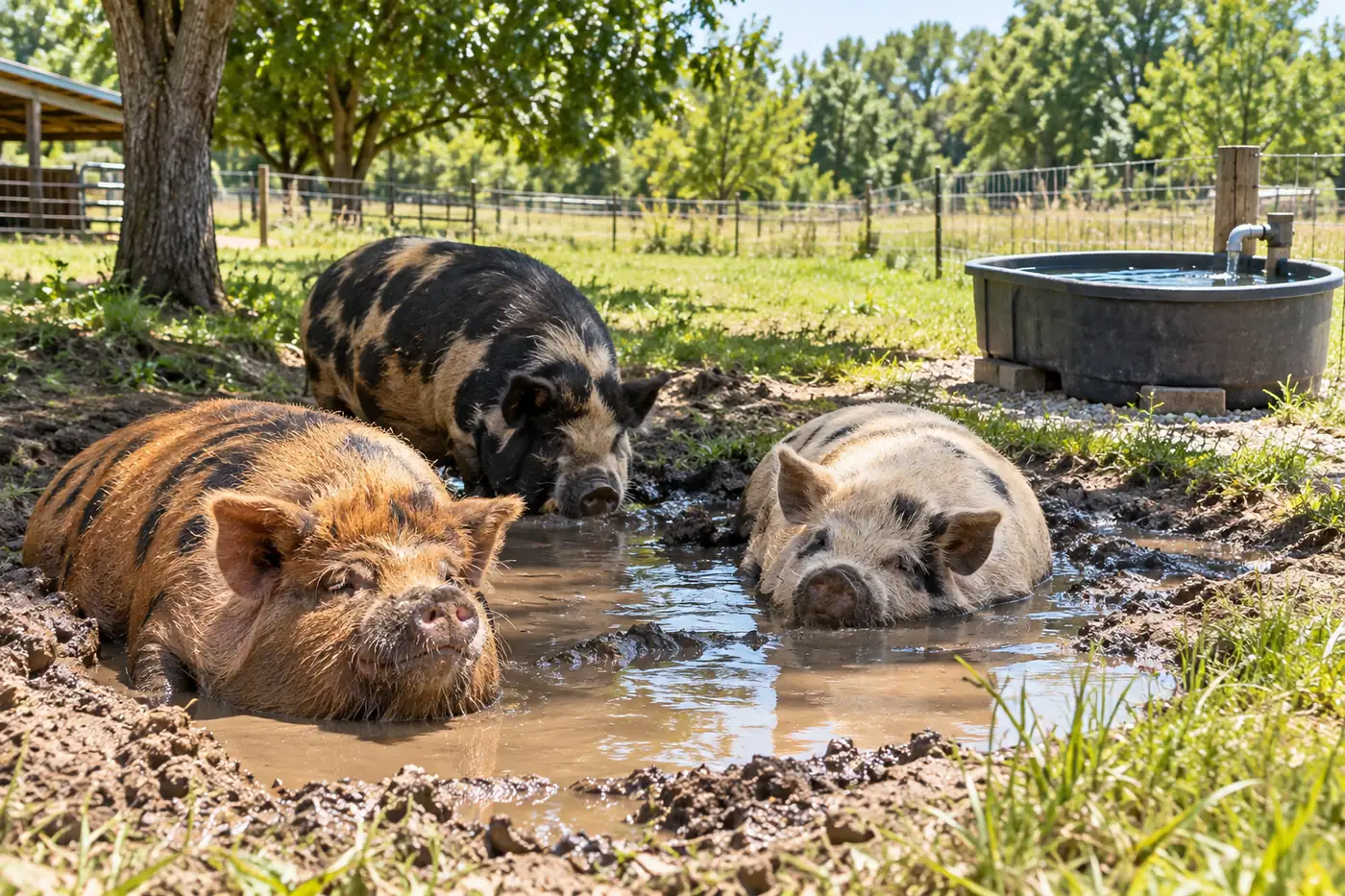
Damp soil and food are two different things. Hogs do not sweat well, so they use wet, muddy spots called wallows to cool off.
A puddle near a sprinkler head can serve that purpose without any food being involved.
Texas A&M’s preventative options guidance lists standing water and irrigation puddles as something homeowners can look at, which fits the idea that water itself can be part of the draw.
Moisture can play a second role. Soil conditions may affect how easily hogs reach underground foods such as roots and soil animals, and USDA APHIS technical material separates wallowing from foraging.
Those are different behaviors that can overlap in the same patch of yard.
So an irrigated lawn, a leaky spigot, or a soggy low spot does not prove that grubs or any other food brought hogs in. It is one yard condition worth noting, not a confirmed cause.
A practical clue: wallows tend to look like mucky, flattened or scooped-out basins, while foraging damage looks like flipped turf and furrows. You may see both in one spot, which is useful to know before you decide what to change.
Check the signs before treating the lawn
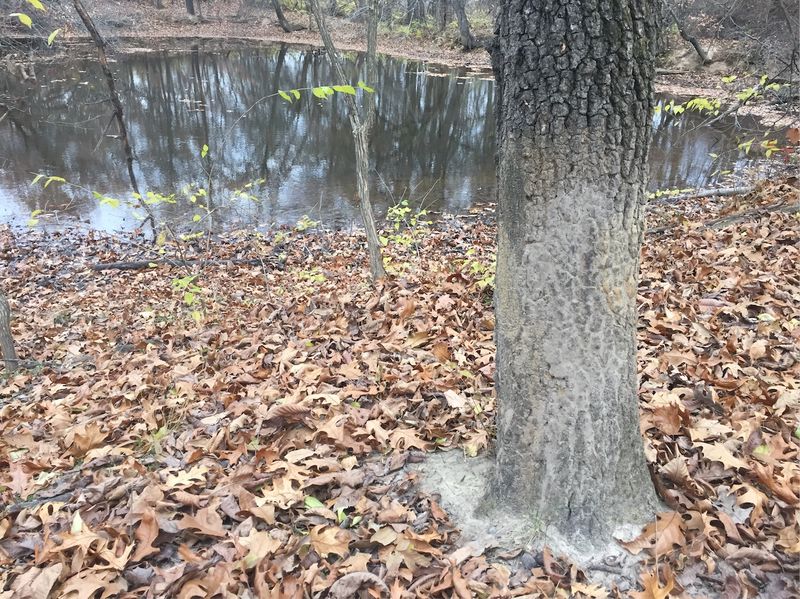
Before you buy anything, walk the area like an investigator. Look at the damage and the ground around it for tracks, trails, scat, wallows, and rubbing marks on trees, posts, or fences.
Texas A&M AgriLife’s guide to recognizing feral hog sign covers these clues in detail.
Each of these signs says hogs use the area. None of them says what the hogs ate.
A track in the mud is a visitor’s calling card, not a menu.
If you suspect grubs, check the lawn itself. Cut a few small flaps of turf in areas that are not yet damaged, peel them back, and look at the root zone for pale, curled larvae.
UC IPM’s lawn insect guidance notes that lawn damage has several possible causes and advises confirming that pests are really present before applying insecticide.
That caution matters here. Spraying a grub killer across the yard on a hunch is not a sound hog-control plan.
It will not address other foods, water, or access, and insecticides carry their own risks.
If you do find a real grub problem, treat it as a lawn-care issue on its own terms. It may be worth fixing for the grass, but do not expect it to settle the hog question.
Remove the easy food people leave behind
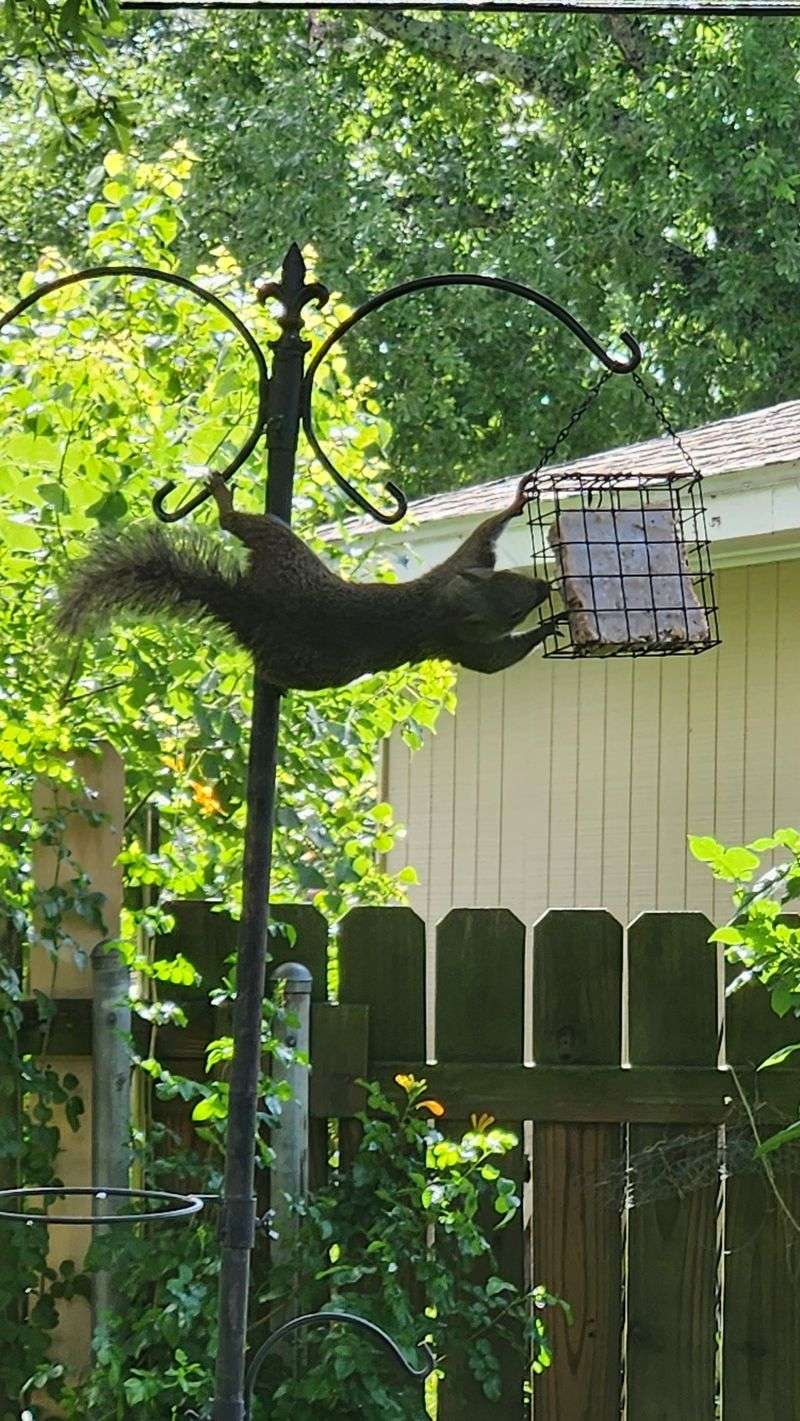
Some of what pulls hogs in is entirely up to us. Garbage, pet food left outside, spilled birdseed, and feed are easy meals.
Texas A&M AgriLife’s preventative options page identifies these as potential attractants.
Start with a short routine. Keep trash in a bin with a secure lid, or store it in a garage until pickup day.
Bring pet bowls inside at night, and clean up seed that drops beneath bird feeders or around feed buckets.
Skip any urge to leave out food for wildlife. Even a small handout can teach hogs that your property is a dependable stop.
These steps are worth doing because they are within your control. Acorns, roots, and other natural foods are a different story, since you cannot realistically clear them from a yard with oak trees or from the land around it.
Keep expectations realistic. Cleanup may reduce the pull, but it cannot guarantee hogs will stop visiting, especially if natural foods, water, and cover are still close by.
Think of it as taking away the easiest options, so your yard is less rewarding than it was before.
Reduce access without expecting a perfect barrier
Next, look at water and entry points. Where practical, fix leaks and adjust irrigation so puddles do not linger.
Texas A&M’s preventative options guidance also suggests considering fencing off permanent water.
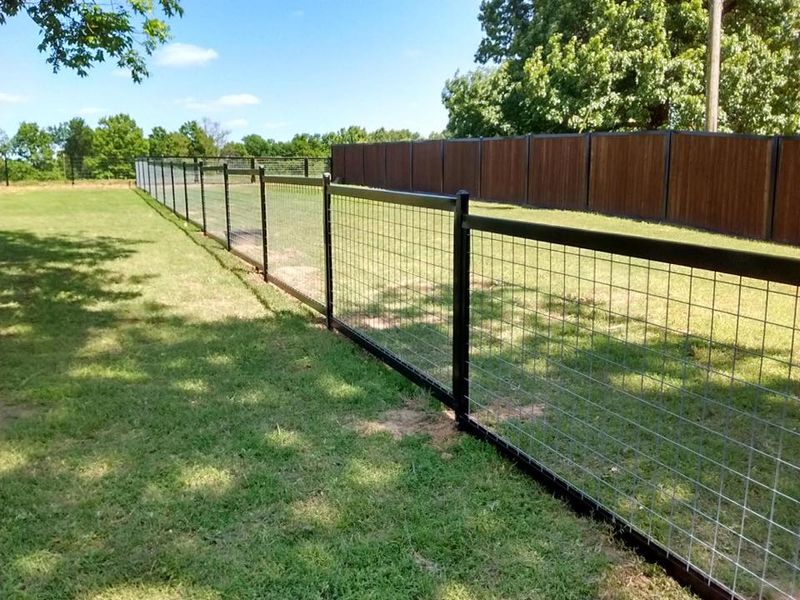
Fencing can help protect a garden, pond, or other vulnerable area. The same source recommends a strong six-foot net-wire fence as a deterrent for most hogs, installed without gaps at ground level.
Hogs push and root under weak spots, so a loose bottom edge can undo the whole job.
Even a well-built fence is not foolproof. Determined animals may challenge barriers, and a fence around one area will not remove food sources elsewhere on the property.
Repellents deserve a cautious word too. Scents, noises, and store-bought products should not be counted on as dependable, hog-specific protection.
Texas A&M’s managing wild pigs publication emphasizes prevention and exclusion, and APHIS material notes that repellents may be short-lived and will not stop rooting behavior.
Treat water control and fencing as layers. Each one may make the yard less attractive or harder to enter, and together they give you better odds than any single gadget.
Recurring damage calls for a safer next step
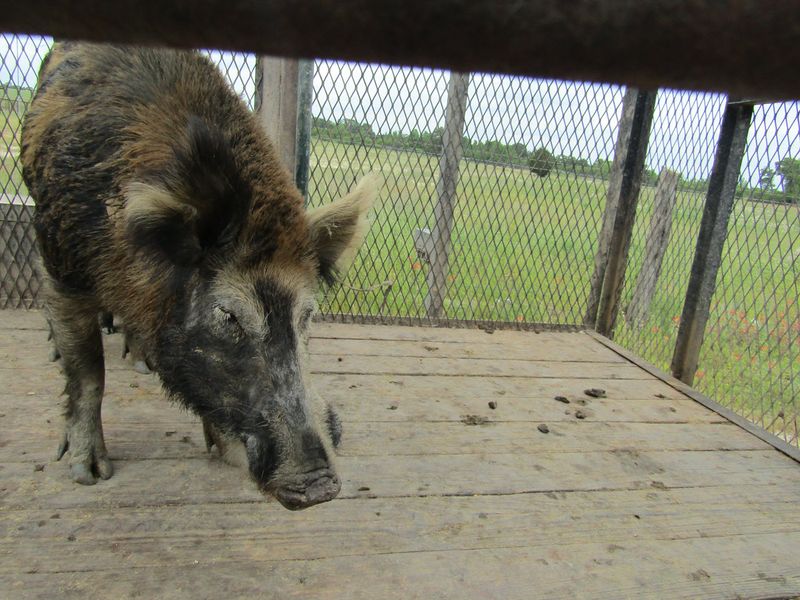
When damage is serious or keeps coming back, it is time to call in help. Texas Wildlife Services or a local wildlife-management professional can assess the property and options that fit your situation.
Keep your distance in the meantime. USDA APHIS warns about disease risks from feral swine, so do not approach hogs or carcasses, and do not feed them.
Relocating hogs is off the table. Texas A&M says releasing relocated feral hogs is not feasible and is illegal in Texas.
Homemade poison or bait is also unsafe, and Texas A&M’s chemical control information describes strict limits, including licensing and label requirements for certain products.
No trapping or shooting do-it-yourself plan belongs here either. Leave that to the professionals.
Your best odds come from trimming several draws at once rather than betting on one suspected food. A yard with less easy food, fewer puddles, and solid fencing gives hogs fewer reasons to stop by.