
Few things test a gardener’s patience like a fig tree loaded with hard green fruit while the season winds down. It is tempting to grab your pruners and try a quick fix.
The truth about pinching tips is more limited than the popular tip suggests, and knowing it can save you from cutting away next year’s figs. Here is what the gardening guidance really says and what you can do right now.
Why hard green figs may remain on the tree
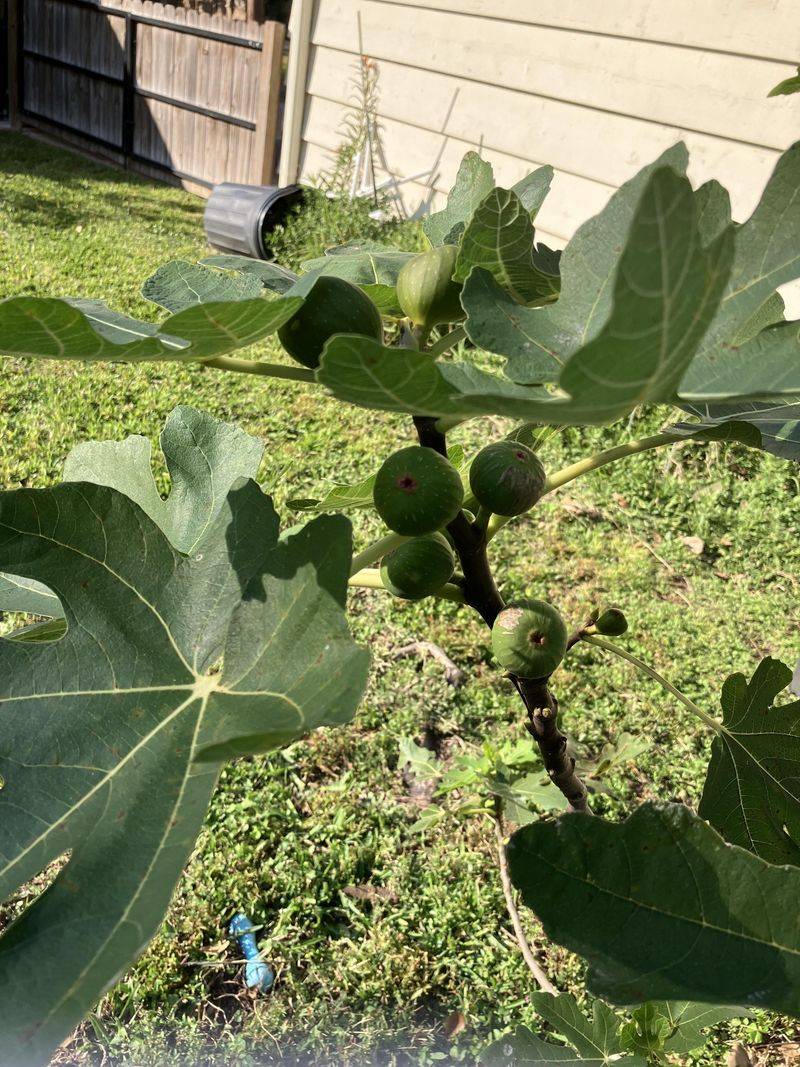
Staring at rock-hard green figs in the fall is frustrating, but the fruit may simply be running out of time. LSU AgCenter notes that figs can take up to two months from formation to optimal ripeness.
A fig that set late in the season may not have enough warm weather left to finish.
Timing is not the only factor. Clemson Extension points to cold winter temperatures, fruit borne on new shoots after severe dieback, and late-maturing cultivars as reasons figs ripen behind schedule.
UGA Extension’s home garden fig guide covers other growing conditions that can affect fruit as well.
So hard green fruit by itself is not a diagnosis. Drought, excessive vigor, and a hard winter can all play a part, and none of them means you pruned wrong.
Check your cultivar and last winter’s damage before blaming yourself.
Crop type and cultivar affect pruning decisions
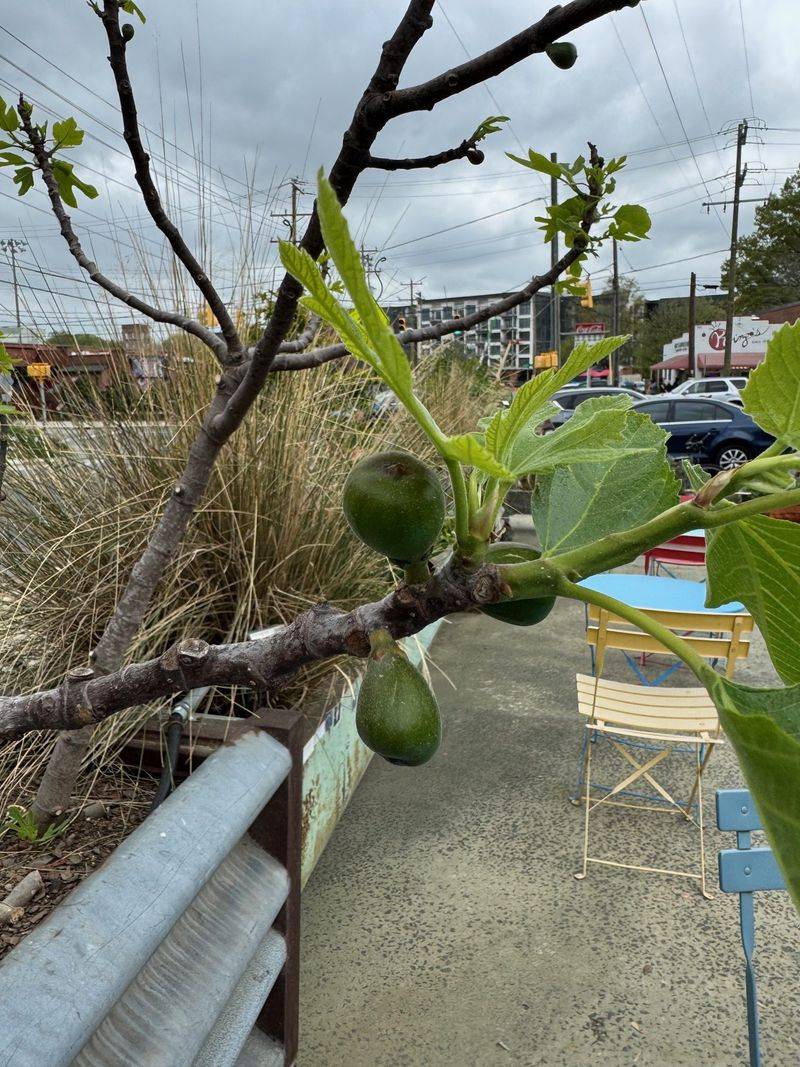
Figs can produce two kinds of crops, and that matters before any cut is made. The breba crop grows on last year’s wood, while the main crop grows on the current season’s shoots.
Rutgers Cooperative Extension describes this pattern for home garden figs.
Not every tree follows the same schedule. Some cultivars lean on the main crop, and local conditions such as winter cold can shift which crop a tree actually delivers.
UF/IFAS explains that pruning effects depend on the cultivar and where it grows.
Here is a practical example. If you remove last year’s wood on a tree that counts on a breba crop, you cut off that early fruit.
If your tree depends on new shoots, cutting them at the wrong time can trim next season’s figs. Know your variety first, then decide.
Use tip pinching as an early-season practice
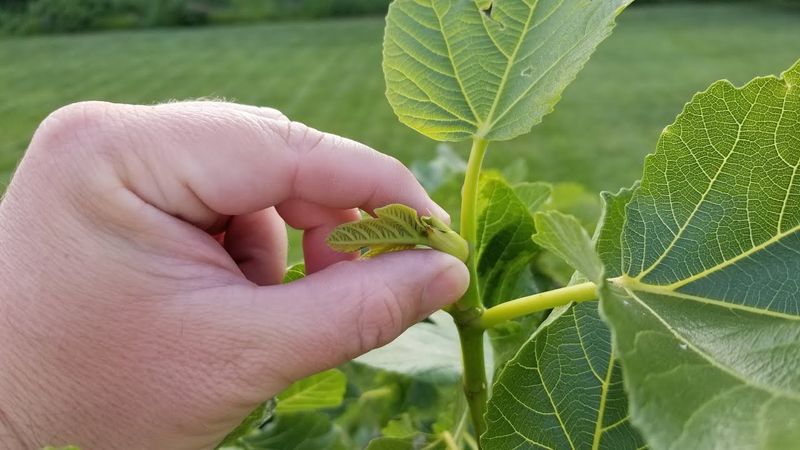
Pinching means snipping off only the soft tip of a growing shoot, and the guidance for it is narrow. The Royal Horticultural Society recommends pinching early-summer shoots after they have five leaves.
The goal is to encourage branching and embryonic fruitlets, and pinching should stop by midsummer.
Notice what that advice covers. It is about shoot growth and fruitlet formation, not a late-season rescue for hard green fruit.
The RHS pruning overview fits the same stage-based approach.
The RHS writes for a cooler climate, so do not copy its dates. Florida and Texas seasons start earlier and run longer.
Watch your own shoots, and count leaves rather than looking at the calendar.
Late-season pinching is not proven to advance next year’s harvest
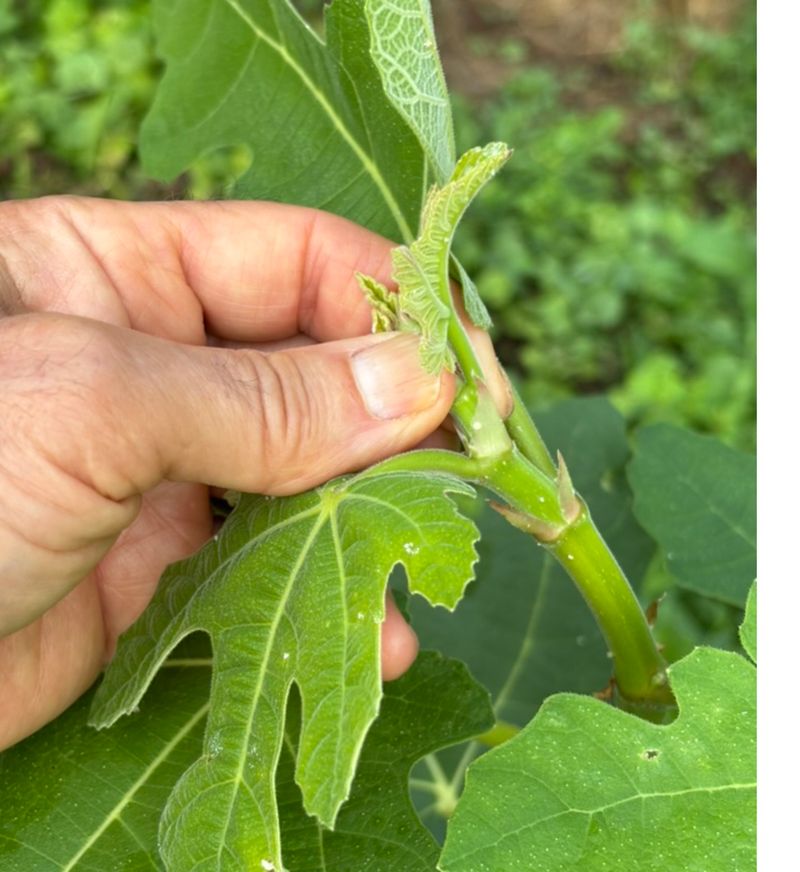
The popular tip says pinch tips now and next year’s crop comes in earlier. The guidance we reviewed does not back that up.
Nothing shows that late-season tip pinching makes next year’s figs ripen sooner.
The idea that pinching sends energy from unripe fruit into next year’s main crop is also unproven. Growers repeat it, but no reliable source shows it as a predictable result.
Treat it as a guess rather than a rule.
What is supported is smaller. The RHS places pinching in early summer and links it to branching and fruitlets forming by midsummer.
That is a different job from rescuing late fruit or speeding up a future harvest, so keep the two apart.
Avoid broad or late pruning that may cost the next crop
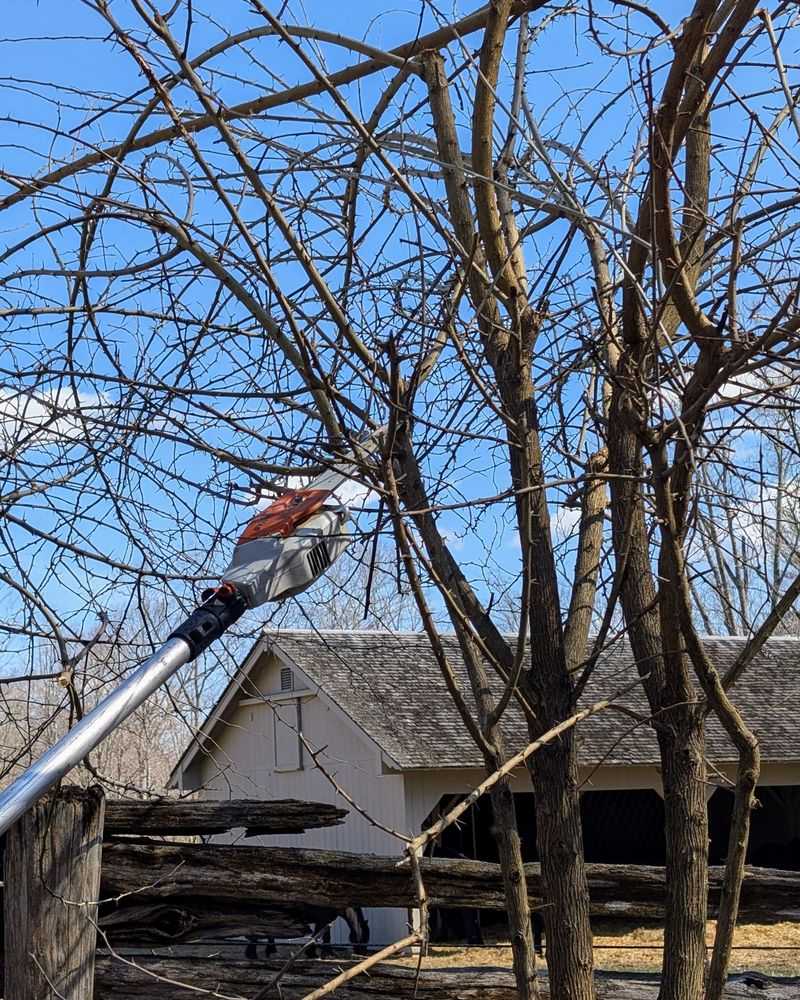
Pinching a soft tip is not the same as cutting back branches. Hard pruning can remove the very wood that carries next year’s figs.
UF/IFAS says that if pruning is needed, it should follow harvest, and it warns that pruning late-maturing cultivars may significantly reduce the following year’s yield.
Texas growers get similar advice. Texas A&M AgriLife says figs need little pruning and suggests removing dead, diseased, and weak limbs during dormancy.
Whenever you cut, protect your skin. Fig branches ooze milky latex that can irritate skin, so wear gloves and long sleeves.
Wash off any sap promptly.
Let current fruit ripen on the tree when conditions allow
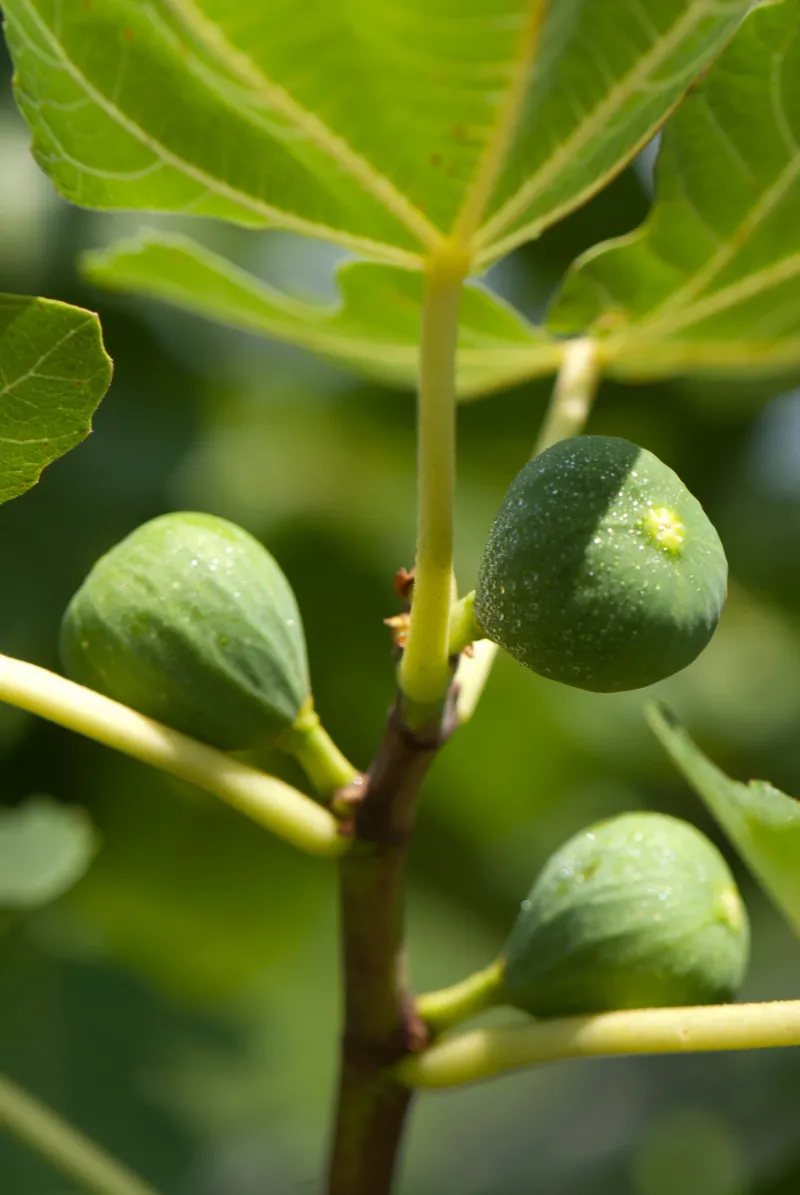
Patience is the practical move for figs already on the tree. Leave them to ripen while the weather still allows it.
Texas A&M AgriLife advises letting fruit fully ripen on the tree.
Picking hard green figs and setting them on the counter will not help. University of Maryland Extension says unripe figs will not ripen after picking.
Some late fruit may never finish. As LSU AgCenter notes, fruit can need up to two months, and the season may end first.
There is no proof that removing or keeping particular fruit changes next year’s crop, so judge by what you see. Check the tree every few days for softening fruit.
Plan around your tree’s growth stage and local season
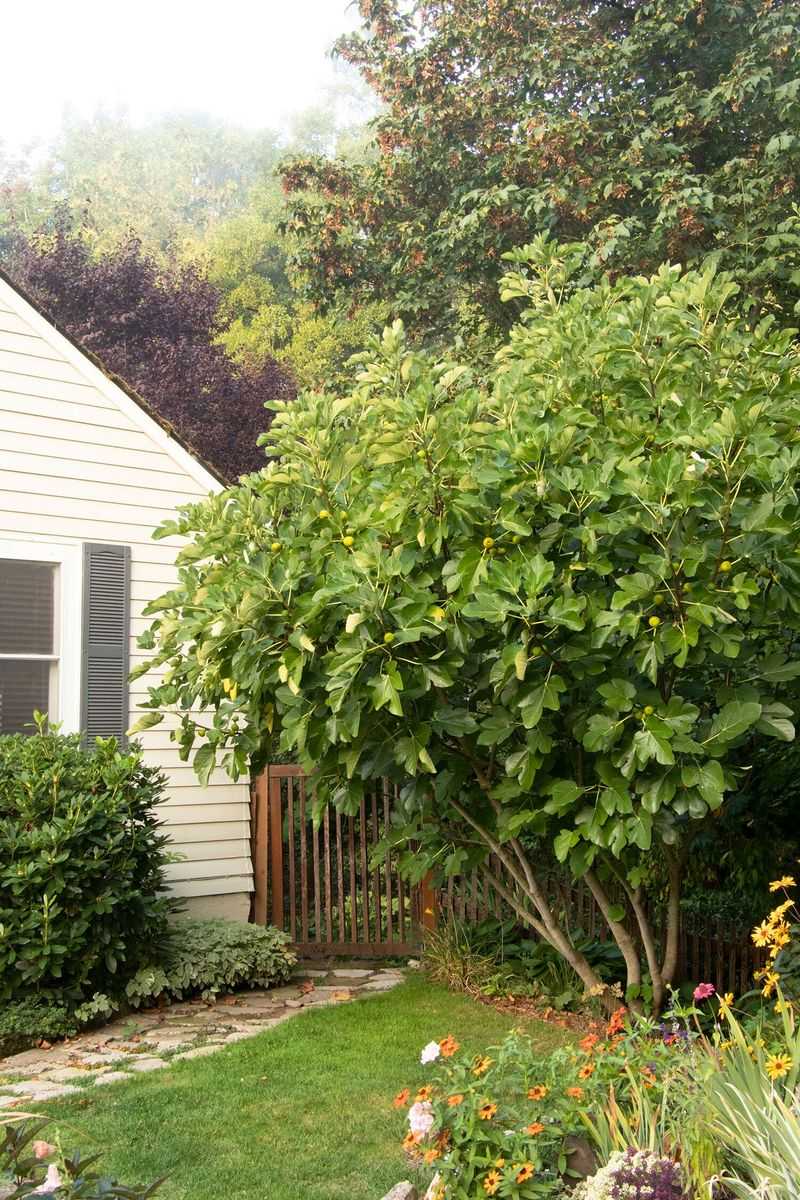
A good plan starts with knowing which fig you grow. Find out the cultivar, then note when its shoots push and when fruit forms and ripens in your yard.
A garden notebook with a few dates gives you a local calendar worth more than any copied schedule.
If you want to try pinching, do it selectively and only at the early-season stage. RHS guidance ties it to shoots with about five leaves.
It may support branching and fruitlet formation, but it does not promise earlier ripening.
Skip broad cuts without a clear reason. UF/IFAS leans toward pruning after harvest, and only when needed.
A fig tree rewards a gardener who watches more than one who cuts.