
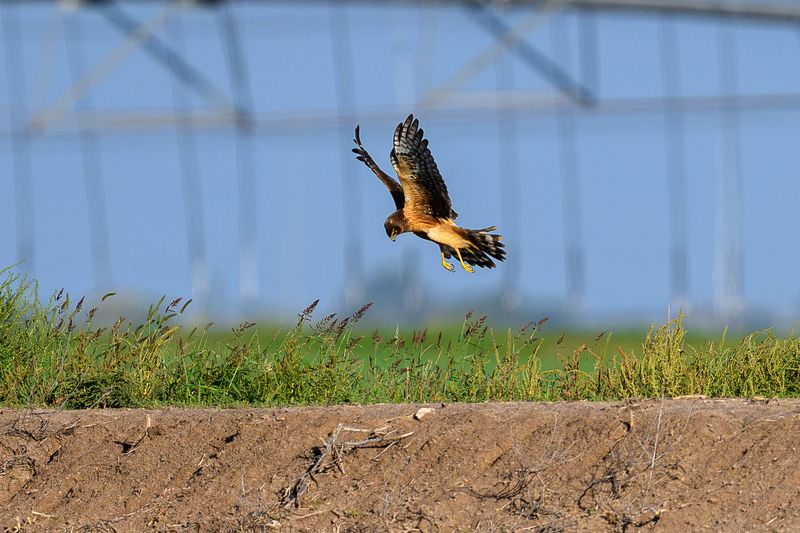
Out across the flat fields of the Texas Panhandle, a hawk from the Arctic may be hunting this winter. The rough-legged hawk spends summers on far northern tundra and heads south when the cold sets in.
Texans who like to scan open country have a real chance to spot one. Knowing what to look for makes a winter drive or a walk along a field edge a lot more rewarding.
A Panhandle winter opportunity, not a Texas monopoly
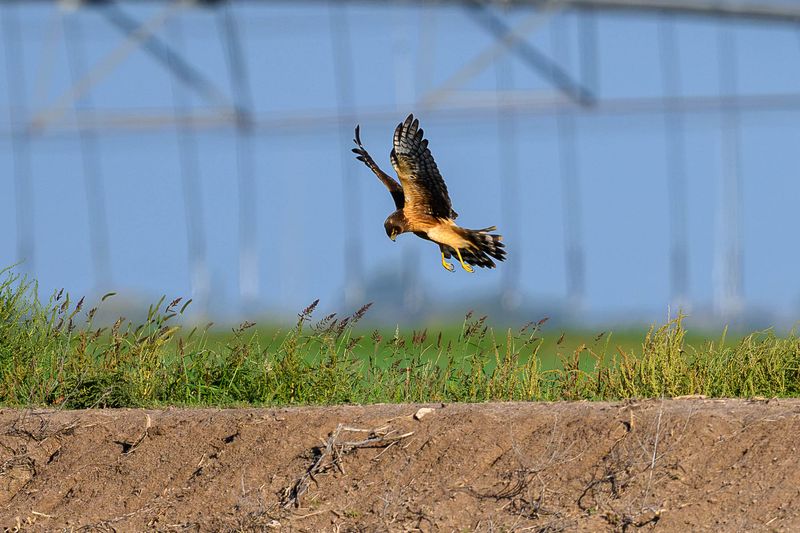
The rough-legged hawk is a large raptor that gives Texas wildlife watchers a reason to look up in winter. A Texas Parks and Wildlife Department checklist for the High Plains and Rolling Plains marks the species as present in fall and winter.
That makes the Panhandle a good seasonal place to start looking.
The Panhandle is not the only place the hawk turns up, though. Texas sits inside the bird’s winter range, and reported sightings appear beyond that one corner of the state.
Cornell’s sightings map is built from eBird reports, so it shows where people have logged birds. It is not a complete census, and it does not tell us how common the hawk is in each region.
The same caution applies to the checklist. It dates to 2002 and covers only two regions of Texas, so it gives broad seasonal context rather than a current count.
Nobody can say from these sources how the Panhandle compares with the rest of the state, and it would be unfair to the bird to claim that it never shows up elsewhere.
What we can say is simple. Winter in the Panhandle is a sensible time and place to look for a hunter that, according to Audubon’s field guide, favors open country.
Keep your expectations modest, bring binoculars, and treat any sighting as a bonus.
An Arctic breeder moves south for winter
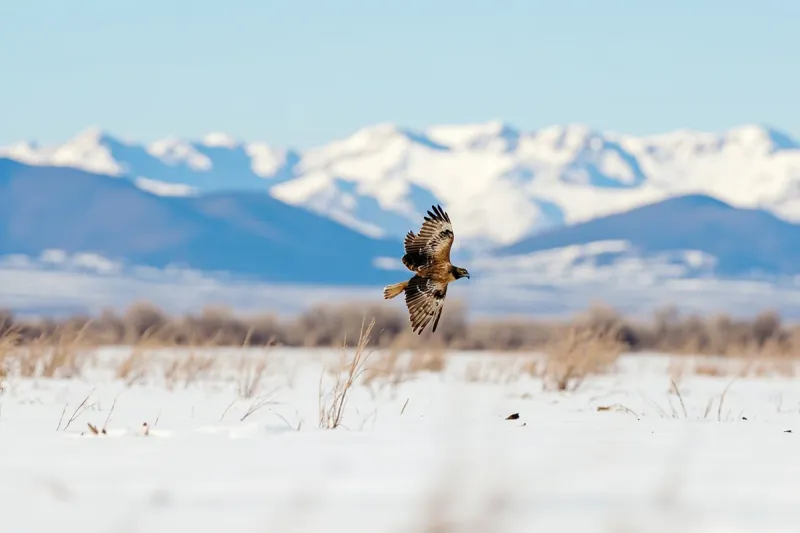
Summer for this hawk means tundra, far north of anything in Texas. According to the National Park Service, rough-legged hawks breed in Arctic tundra and then migrate south for the winter.
By the time a Texas cold front rolls through, some of them have traveled a very long way.
Once they arrive, they favor wide-open ground. Fields, prairies, marshes, and agricultural land all fit the bill, and that is a good description of much of the Panhandle.
Treeless country is what the bird knows from home, so a big sky and a long view suit it well.
That habitat link is the reason to scan farm country and grassland edges rather than wooded neighborhoods. A hawk hunting small animals needs room to watch for movement, and flat land gives it plenty.
None of this guarantees a sighting. Some winters bring more birds south than others, and a bird can be anywhere across a huge landscape.
Think of the open country as the right stage, not a promise that the performer will show up. A patient scan on a few different days gives you better odds than one quick look.
Look for several field marks
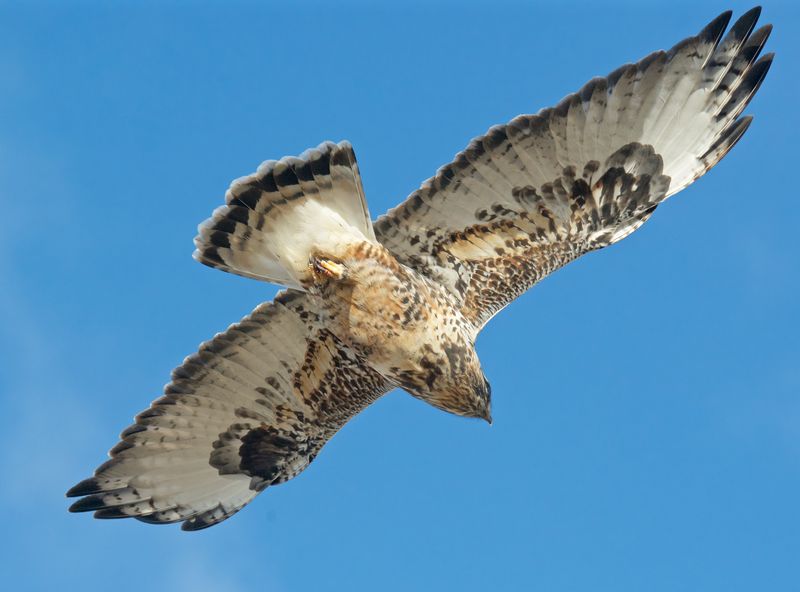
Hawk identification goes better when you collect clues instead of leaning on one. Cornell’s identification guide points to three useful marks.
These are feathering down the lower legs, dark patches at the wing wrists, and a pale tail base with a dark band near the tip.
The leg feathers are the mark that gives the bird its name, but they are hard to see from far away. Wrist patches show best when the hawk is overhead or hovering, as dark spots on the underside of the wings.
The tail pattern can be easier to catch as the bird turns or lifts off.
Plumage varies, and that matters. The National Park Service notes that the species has light and dark forms, and age can change the look too.
Two rough-legged hawks may not look alike.
So keep your notes honest. If you see a hawk with a banded pale tail and dark wrist patches, that is a strong start.
If the bird is far off, backlit, or only visible for a second, it is fine to call it an unidentified hawk. A photo from a safe distance can help you check it against a guide later.
Scan open country for a hovering or perched hawk
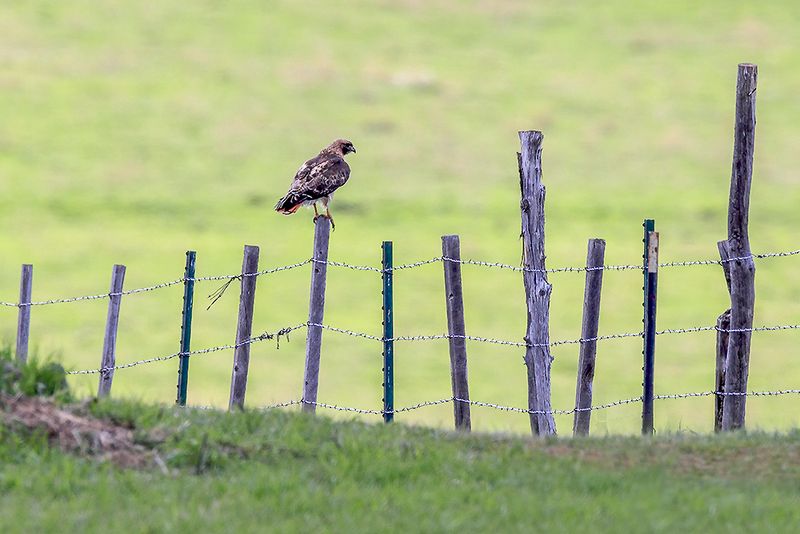
Start with the big picture. Pull over safely where you have a wide view of fields or grassland, and sweep slowly from one horizon to the other.
A hawk that holds still on a fence post or utility pole can be easy to miss until you look for a lump on a line.
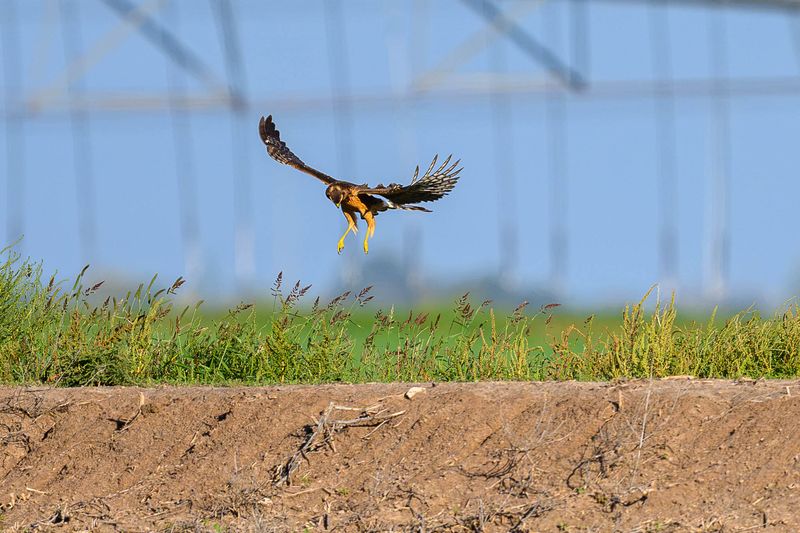
Watching the air matters too. Cornell’s guide describes the hawk hovering into the wind while it hunts.
A bird that hangs in place over a field, wings beating and tail fanned, is worth a longer look.
The National Park Service lists small mammals as prey, along with other small animals and carrion. That means a hawk might also be near a roadside or field edge where food turns up.
Watch for it, but do not count on it.
Perches and hovering are clues, not rules. Plenty of days will bring only red-tailed hawks or none at all.
Stick to public roads, pull-offs, and places where you have permission, and skip any gate or fence that is not yours to cross. A good pair of binoculars will do more for you than a closer approach.
Historical dates cannot confirm a current arrival
Old records tell a useful story, but not a live one. A Panhandle Bird Club arrival list places the rough-legged hawk in the week of October 13.
That is a typical seasonal marker, not a fixed date that repeats every year.
The TPWD checklist adds that the species occurs in fall and winter. Together, the two references give a feel for the season, and nothing more.
Timing shifts from one winter to the next, and so can how far south the birds travel. Because of that, no one can say a hawk has arrived this year without a current, local sighting.
For an up-to-date picture, look for recent reports from nearby birders and then check the fields yourself. Treat the calendar as a reason to start looking, and let your own eyes decide the rest.
Watch without disturbing the bird
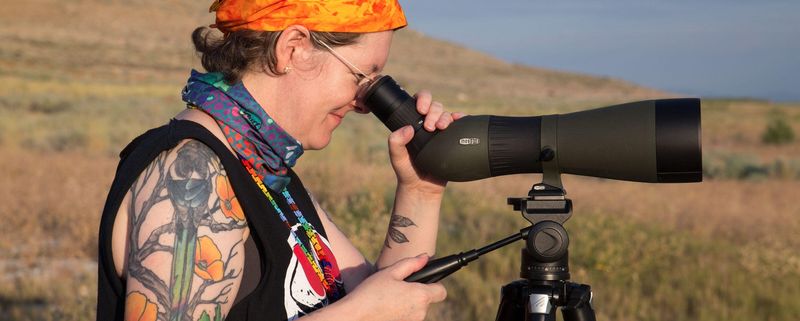
Good manners keep a winter hawk hunting instead of fleeing. Watch from a public place or with the landowner’s permission, and keep your distance.
Audubon’s ethical guidance says to back away if the bird flushes or changes its behavior because of you.
Binoculars and a spotting scope let you stay far back. Avoid baiting, chasing, or walking toward a perched bird for a better photo.
This is also a wild raptor, not a feeder visitor. As Audubon’s field guide describes, it hunts small prey in open country, so seed and yard plantings are not a dependable way to draw one in.
A sighting is a worthwhile possibility, never a promise. Some days the fence posts hold only sparrows and wind, and then one gray-brown shape lifts into the breeze and hangs there like a kite.