
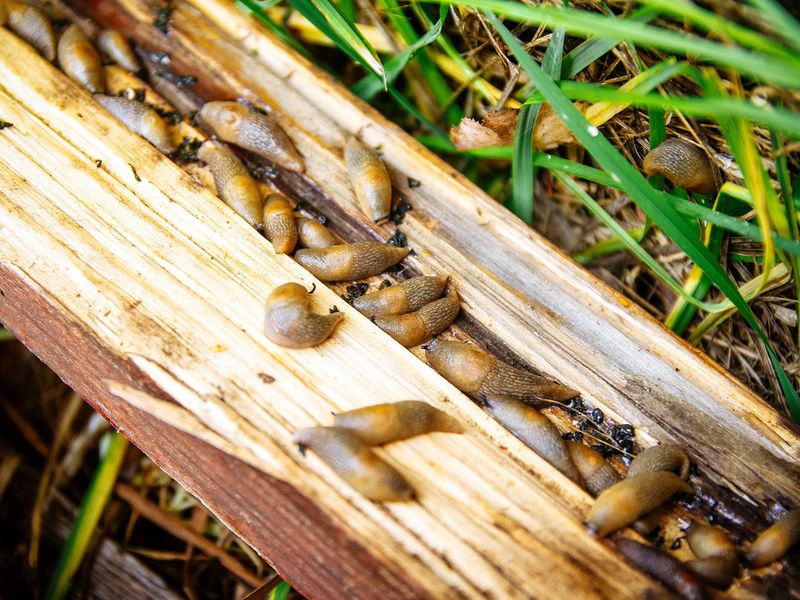
You plant a neat row of spinach and lettuce, a cool rain rolls through, and the next morning half the seedlings are gone. In many cases, the culprit left behind a shiny, silvery trail.
Slugs love the damp, mild nights that fall brings to Southern gardens, and tender greens are their favorite snack. The good news is that a few simple traps, set before the next rain, can help you catch them before your fall crop disappears.
1. Shallow Beer Traps
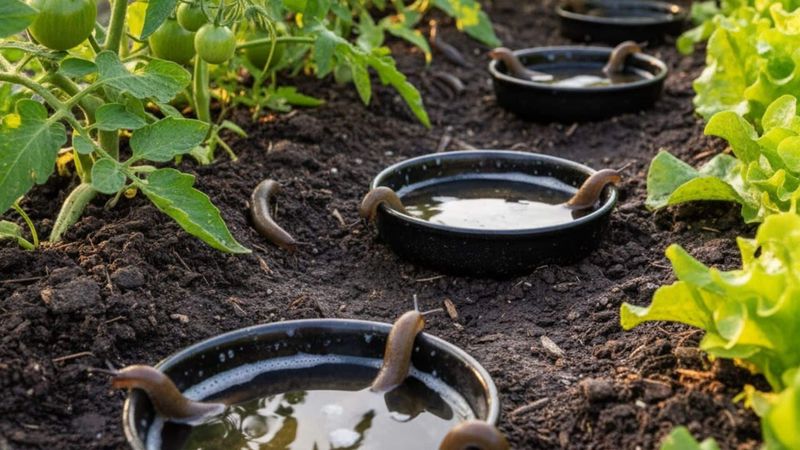
Picture a slug sliding through your lettuce bed at midnight, catching a whiff of yeast, and crawling straight into a cup it can’t escape. That sneaky little drama is why beer traps have stuck around in home gardens for generations.
Slugs are drawn to the fermenting smell of beer, so a shallow dish sunk into the soil can lure them away from tender spinach. Bury a yogurt cup or tuna can so the rim sits about half an inch above ground.
That small lip may help keep helpful ground beetles from tumbling in. Fill it halfway with cheap beer, or mix water, sugar, and a pinch of yeast if you’d rather skip the six-pack.
Space traps every few feet along your rows, especially near the edges where slugs crawl in from mulch or lawn. Check them each morning and empty them into the trash or compost.
Fresh bait matters a lot. After a rain, beer gets diluted and loses its pull, so swap it out every two or three days.
In warm Florida and Texas falls, the brew can spoil quickly, so refresh more often. You likely won’t catch every slug, but a steady haul can noticeably cut down the nightly damage.
2. Board and Shingle Hideouts
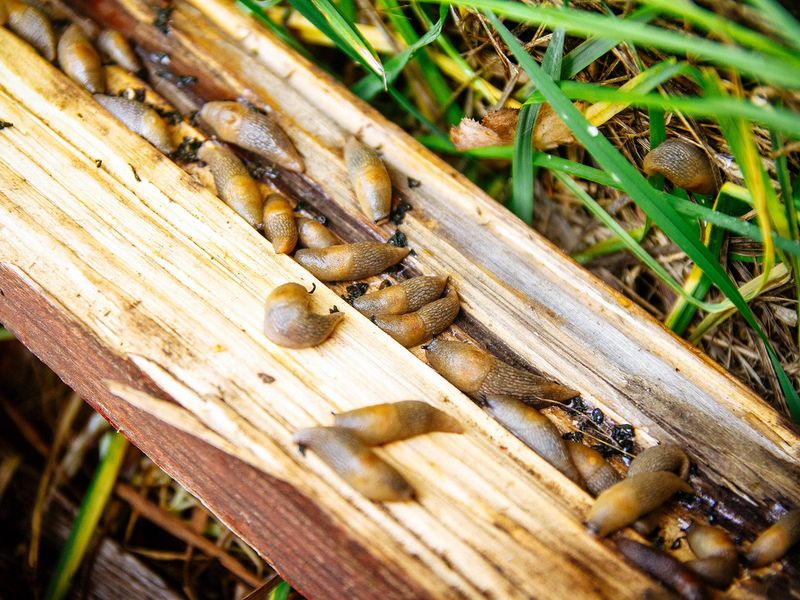
Slugs hate sunshine. By dawn, they’re hunting for somewhere cool, dark, and damp to sleep off their feast, and you can hand them the perfect bedroom.
Lay a flat board, old roof shingle, or piece of cardboard on moist soil between your rows in the evening. Prop one edge up slightly with a small stone so slugs can slip under easily.
Overnight, many will crawl beneath it to hide from the coming daylight.
Early the next morning, flip the board over and you’ll often find a cluster of them stuck to the underside. Scrape them into a bucket of soapy water or simply relocate them far from the garden.
It takes about two minutes and costs nothing if you already have scrap lumber lying around.
Gardeners like this method because it doesn’t rely on bait that needs refreshing after every shower. It also gives you a quick daily headcount, which can tell you whether the slug pressure is rising or easing off.
If you’re finding a dozen a morning, it’s a signal to add more traps. If only one or two show up, your other defenses are probably holding the line nicely.
3. Grapefruit Rind Domes
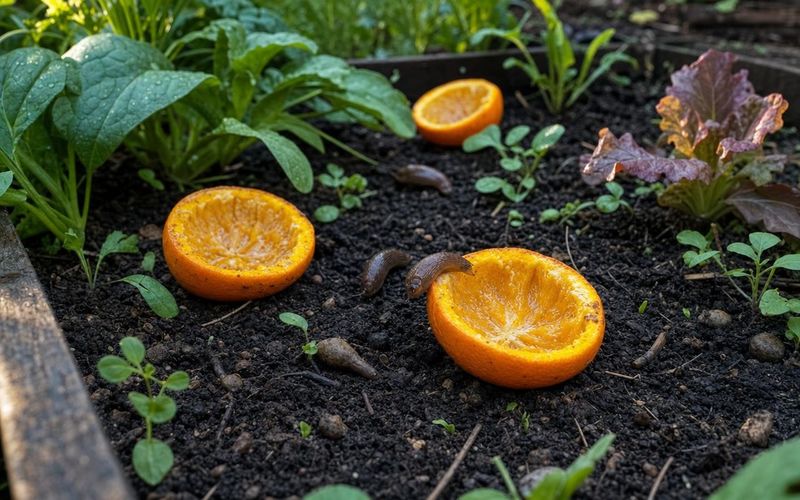
Here’s a breakfast leftover with a second job. After you scoop out a grapefruit, the empty half-rind makes a cozy, sweet-smelling dome that slugs seem to find hard to resist.
Cut a small notch or two along the rim so slugs can crawl inside. Then place the rind upside down on the soil near your seedlings at dusk.
The citrus scent and trapped moisture create an inviting shelter, and by morning you’ll often lift it to find slugs gathered underneath, nibbling on the pulp.
Southern gardeners have a real advantage here, since citrus season in Florida and Texas lines up nicely with fall greens. Oranges and cantaloupe rinds can work too, though results vary from garden to garden.
Collect the slugs each morning and dispose of them however you prefer. Replace rinds once they dry out or start to mold, usually every few days.
Keep in mind that a rotting rind left too long could attract other critters, like roaches or pill bugs, so don’t forget about them.
Kids tend to love this one. Turning over a rind to see what’s hiding underneath feels like a treasure hunt, and it gets young helpers excited about protecting the garden.
4. Copper Tape Barriers
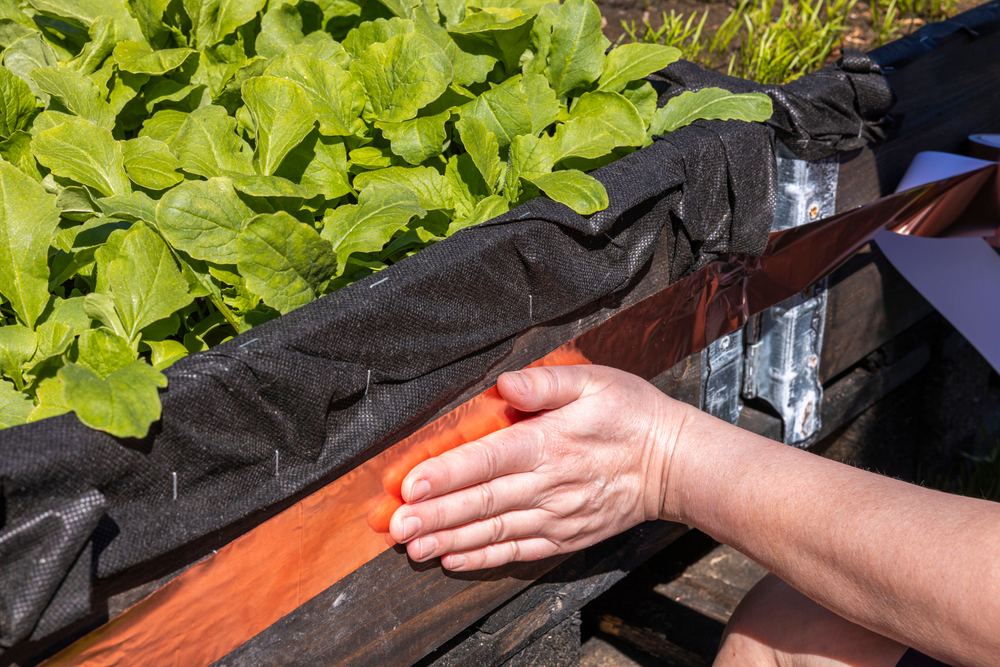
Not every defense has to catch slugs. Some just tell them to turn around, and copper tape is the polite bouncer at the door of your raised bed.
When a slug’s slimy body touches copper, it appears to get a mild reaction that many will avoid crossing. Gardeners run strips of adhesive copper tape around the top edges of raised beds, containers, or planter boxes.
The tape works best on clean, dry wood or plastic, so wipe surfaces before sticking it on.
Choose tape at least two inches wide. Narrow strips may let larger slugs stretch right over.
Also check that no leaves droop over the edge, since slugs can use foliage as a bridge and skip the copper entirely.
Results can be mixed. Copper tarnishes over time, and a dull, dirty strip may lose some effectiveness, so a quick scrub with vinegar now and then can help.
It also won’t help much if slugs are already living inside the bed, which is why pairing it with a trap or two makes sense.
For container growers on patios, though, copper offers a tidy, chemical-free option that lasts most of the season.
5. Iron Phosphate Bait Stations
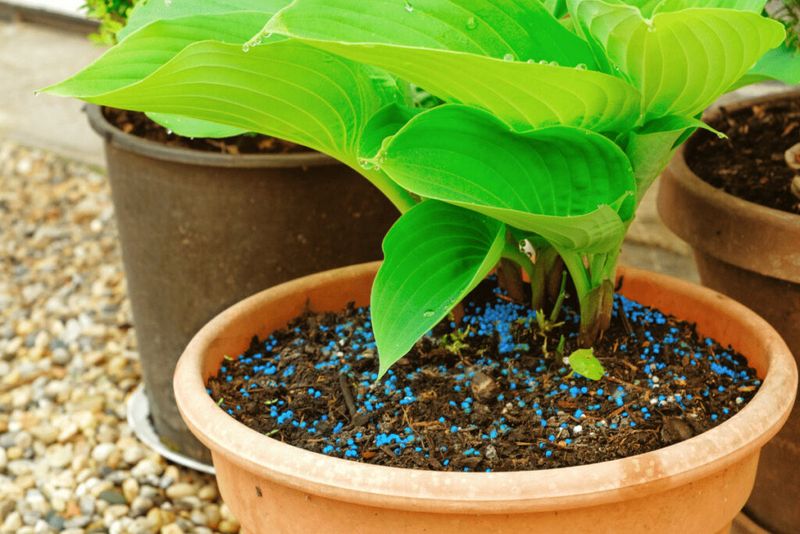
Sometimes homemade traps can’t keep pace, especially during a wet stretch when slugs seem to multiply by the hour. That’s when many gardeners reach for iron phosphate bait.
Sold under names like Sluggo, these small pellets are considered one of the gentler options for vegetable gardens. Slugs eat the bait, stop feeding, and usually crawl away to die within a few days.
You may not see bodies, but you should notice fewer chewed leaves.
Scatter pellets lightly around seedlings rather than piling them up. A thin sprinkle works better and goes further.
Apply in the evening, ideally right after a rain or watering, when slugs are most active. Some products hold up to moisture fairly well, but heavy downpours may mean reapplying.
Compared to older metaldehyde baits, iron phosphate is generally viewed as lower risk around pets and wildlife, though you should still follow the label and store it out of reach. Many versions are approved for organic gardening.
Think of it as backup muscle. Using bait alongside boards or beer traps may give your spinach and lettuce the best chance of making it through those first fragile weeks.
6. Nighttime Flashlight Patrols
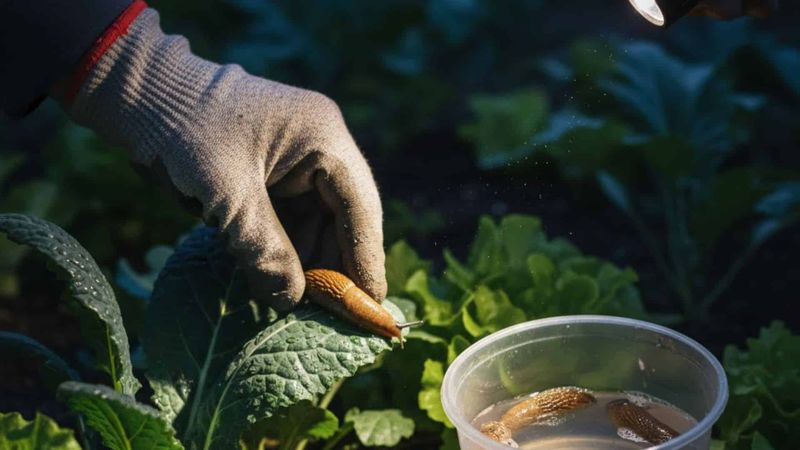
Grab a flashlight, a jar of soapy water, and maybe a pair of gloves. Walking the garden after dark sounds a little odd, but it’s one of the most direct ways to see who’s eating your greens.
Slugs do most of their damage between about an hour after sunset and midnight. Head out around then, especially on mild, drizzly evenings, and shine your light low along the rows.
You’ll spot them gliding over leaves and soil, glistening in the beam.
Pick them off with gloves, chopsticks, or tweezers and drop them into the jar. A few nights of steady hand-picking can make a real dent in a local population, particularly in small beds.
Fun fact: slugs have two pairs of tentacles, and the upper pair carries tiny eyes that mostly sense light and dark. That’s why they hide during the day and come out once the sun’s gone.
Patrols also help you confirm the culprit. Cutworms, pill bugs, and even rabbits can mow down seedlings, so actually seeing slugs on your lettuce tells you your traps are aimed at the right target.
7. Dry Mulch and Morning Watering
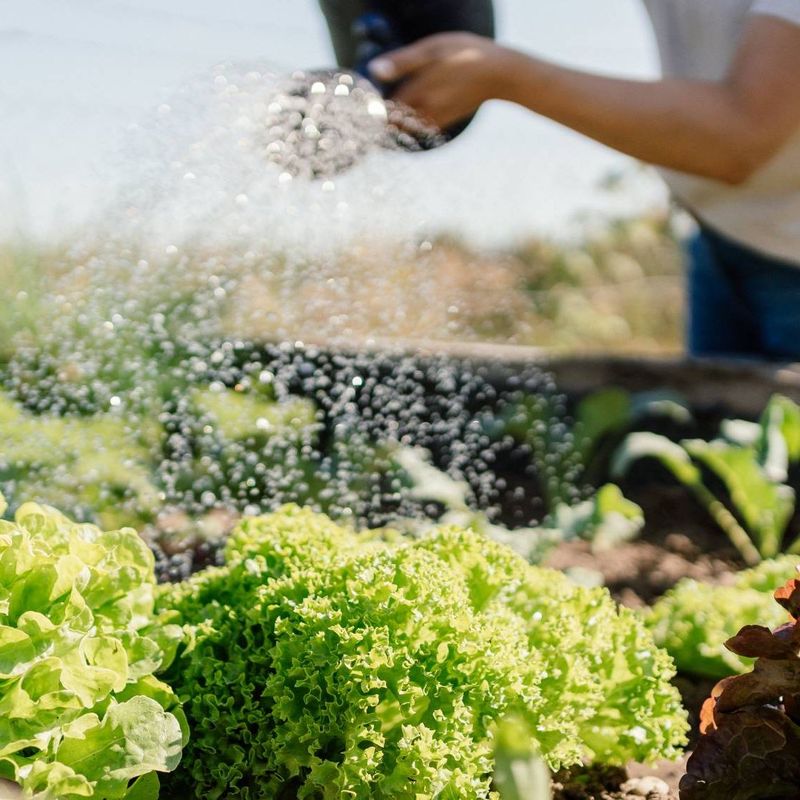
Traps work better when the garden itself stops rolling out the welcome mat. A few habit changes can make your beds far less comfortable for slugs to begin with.
Start with watering time. Evening sprinkling leaves soil soaked overnight, which is exactly when slugs feed.
Switching to morning watering lets the surface dry out by sunset, and many gardeners notice less damage after making that one switch.
Next, look at mulch. Thick layers of wet leaves or straw right against seedlings give slugs a shady daytime hideout just inches from dinner.
Pull mulch back a few inches from young plants until they toughen up, then tuck it in later.
Clear out boards, pots, and weedy edges you aren’t using as traps. Overgrown grass along bed borders can act like a slug highway, so keep it trimmed.
In Florida and Texas, fall plantings often go in while nights are still warm and humid, so these steps matter even more. Pair a drier bed with a couple of traps from this list, and your spinach and lettuce stand a much better chance of greeting you each morning, leaves intact.