

Rosemary smells great, looks tidy in a pot, and ends up in a lot of California dinners. Many people also hear that it keeps ticks and mosquitoes away, and that claim is shaky.
Here is what rosemary really offers your patio, and what actually lowers bites and tick risk in your yard. A few simple habits do far more than any single plant.
A patio plant cannot promise protection from both pests
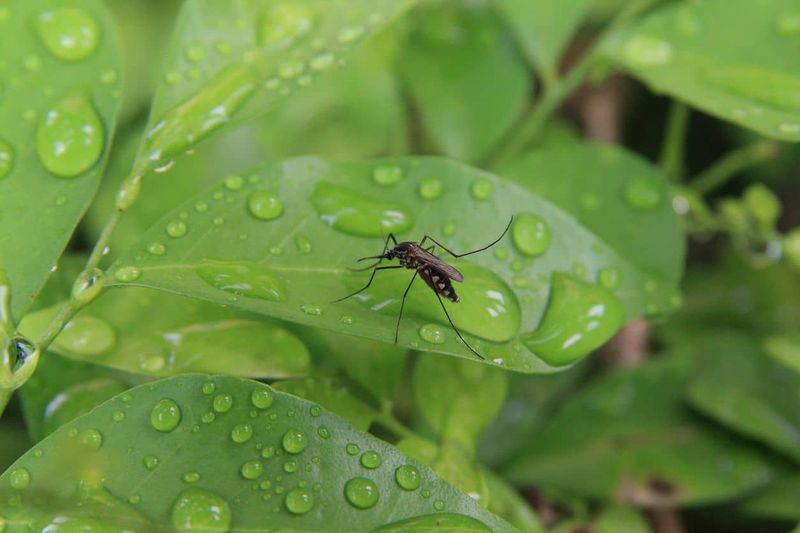
Here is the correction up front: no living patio plant has been shown to keep both ticks and mosquitoes away. University of Florida Extension explains that some plants contain compounds that repel mosquitoes, but simply growing them in a garden gives little passive protection.
California’s own pest experts agree. UC IPM lists aromatic plants, including the marketed mosquito plant, as ineffective mosquito repellents.
For ticks, University of Maryland Extension says it knows of no scientific studies showing that particular landscape plants effectively repel them.
So why does the rumor stick around? Part of the answer is that crushed leaves, concentrated extracts, essential oils, and formulated repellents are very different from an intact plant sitting in a pot.
A claim about a concentrated product tells you nothing about whether a plant a few feet away protects anyone.
That does not make your rosemary a bad choice. It just means pest control needs its own plan.
The sections ahead cover rosemary care, then separate steps for mosquitoes, ticks, and personal protection, since those pests are different problems with different fixes.
Grow rosemary for the patio, not as a pest shield
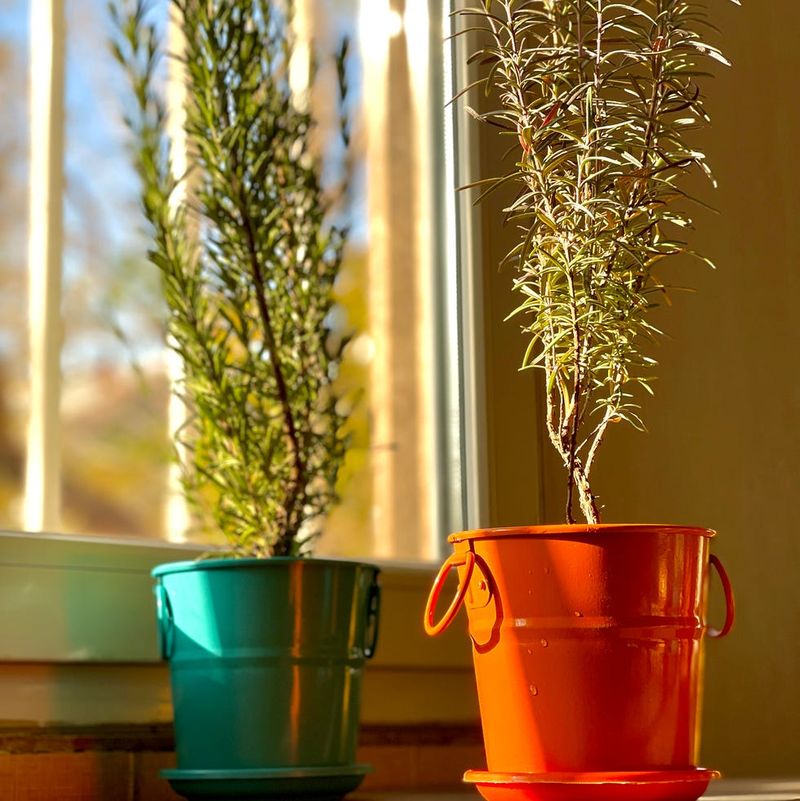
Rosemary earns its spot for reasons you can taste and see. It gives you fragrant leaves for roasted potatoes and chicken, plus a neat evergreen shape and small blue flowers.
UC IPM treats it as a plant that suits California gardens.
Give it at least 4 to 6 hours of sun, though full sun to partial shade works. Well-drained soil matters most.
In a pot, use a gritty mix and a container with drain holes, and never let the saucer hold water.
Here is where the water-wise reputation needs a caveat. According to UC IPM’s growing tips, rosemary needs regular watering during its first year.
After it is established, it needs much less. Containers also dry out faster than ground soil, so potted plants may need more attention than ones in a bed.
Planting dates differ across California. A coastal garden, a Central Valley yard, and a high desert patio do not share the same calendar, so check local guidance for your area.
Rosemary will not behave identically in each place.
Enjoy it for flavor, shape, and fragrance. Those are real benefits, and they do not depend on any pest-control promise.
For mosquitoes, start with standing water

A mosquito’s life starts in water. The California Department of Pesticide Regulation notes in its home mosquito guide that mosquitoes need standing water to finish their life cycle, and even small containers can serve as breeding sites.
That makes a quick patio walk-through one of the best things you can do. Look for anything that holds water for days, and fix it.
Start with the usual suspects. Empty plant saucers under your potted herbs, including the one under your rosemary.
Refresh birdbath water often. Clear gutters and drains that hold puddles, and repair irrigation leaks that leave soggy spots or pooling.
Other overlooked spots include buckets, tarps that sag with water, toys, and wheelbarrows. Turn them over or store them under cover.
This job is about mosquito breeding only. Ticks do not develop in standing water, so dumping saucers will not change tick risk.
It also helps your water bill, since fixing leaks fits the drought-aware habits most California gardeners already have.
Reduce vegetation and litter that favor ticks

Ticks favor certain conditions, and your yard can offer fewer of them. UC ANR guidance recommends mowing and trimming vegetation and removing leaf and grass litter, where ticks can find cover.
If your lawn meets an overgrown natural area, consider a 3-foot barrier of gravel or wood chips between them. It creates a dry, open strip that is less friendly to ticks and gives you a clear line between yard and wildland.
Keep the fire-safety angle in mind too. Trimming and clearing dry debris often fits with defensible-space habits, especially in hillside and wildland-edge neighborhoods.
Be realistic about results. These steps reduce favorable tick habitat, but they do not make a yard tick-free.
Deer, rodents, and other wildlife can still carry ticks onto a property.
Risk also varies by location. UC IPM’s Lyme disease page is a good place to learn how ticks and disease relate to California habitats.
Yard work is one layer, so pair it with the personal steps in the next section.
Use personal protection and check for ticks

Landscaping cannot stand in for protection you wear or apply. CDC guidance recommends EPA-registered repellents, and lists DEET, picaridin, IR3535, oil of lemon eucalyptus (OLE), PMD, and 2-undecanone.
Follow the product label every time.
CDC advises against using OLE or PMD on children under 3. Ask a pediatrician if you are unsure what suits a young child.
Natural does not automatically mean safe. Do not rub concentrated plant oils on skin without reliable, label-based directions, since they can irritate.
After time outdoors, check yourself, your kids, and your pets. CDC suggests a full-body check, plus a look at clothing, gear, and pets.
Pay attention to hairlines, behind ears, underarms, and waistbands.
Pets need a plan too. UC ANR suggests talking with your veterinarian about tick control for dogs and cats.
Keep a repellent by the back door and make checks part of your routine after gardening, hiking, or yard cleanup.
Adapt prevention to local conditions and seasons
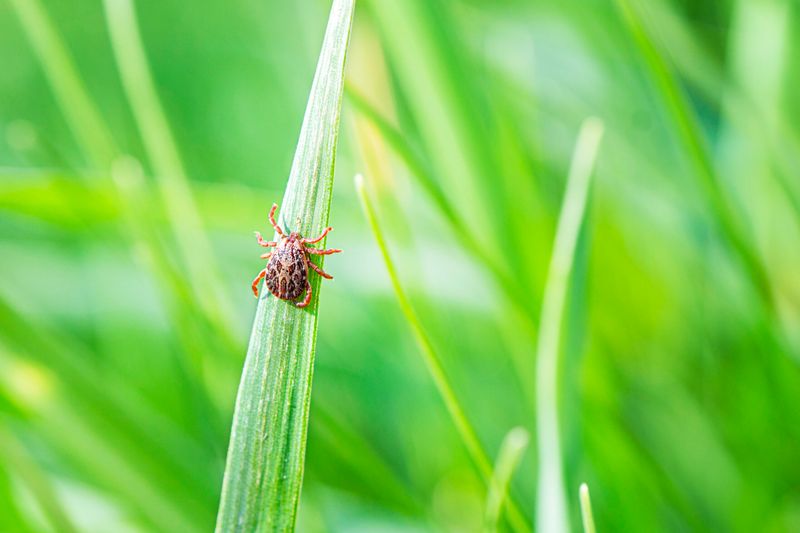
“All season” sounds comforting, but pests do not follow a neat calendar. CDC says tick exposure can happen year-round, though ticks are most active in warmer months.
California adds more variation. Coastal hills, oak woodlands, inland valleys, and desert communities differ in habitat and tick activity.
UC IPM notes that risk depends on location and habitat. A yard bordering brushy open space faces different odds than a city lot.
Mosquitoes shift too. The state pesticide agency ties mosquito problems to local breeding sites, so a neighbor’s neglected pond or a leaky sprinkler can matter more than the month.
Practical takeaway: watch your own yard. Notice where water collects after irrigation or rain, where leaves pile up, and when you spot wildlife nearby.
Adjust your habits to that, and keep up basic prevention instead of waiting for a set season or counting on one plant.
Build a safer patio with layers, not a single plant

Keep the rosemary for its flavor and good looks. Then add the layers that work: dump standing water, trim and clear tick-friendly vegetation, and follow CDC advice on repellents and tick checks.
Your next step takes five minutes: tip out every saucer on the patio. A fragrant pot makes a great dinner garnish, but your habits do the protecting.