
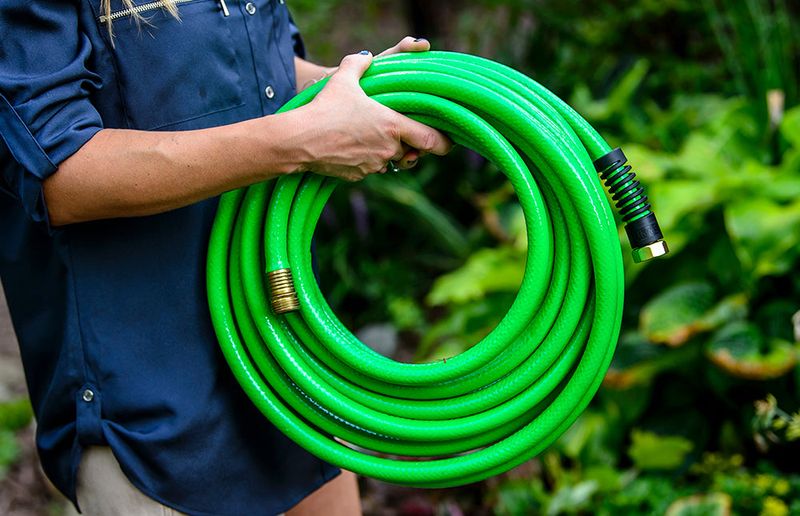
A forgotten hose can hold a surprising amount of water, and that water can turn to ice when the temperature drops. Ice takes up more room than water, which puts stress on hoses, sprinklers, and the faucet they hang from.
Emptying your gear takes only a few minutes and protects tools you already own. Here is how to do it, and how to know when your own yard needs it.
Water left inside can create freeze-damage risk
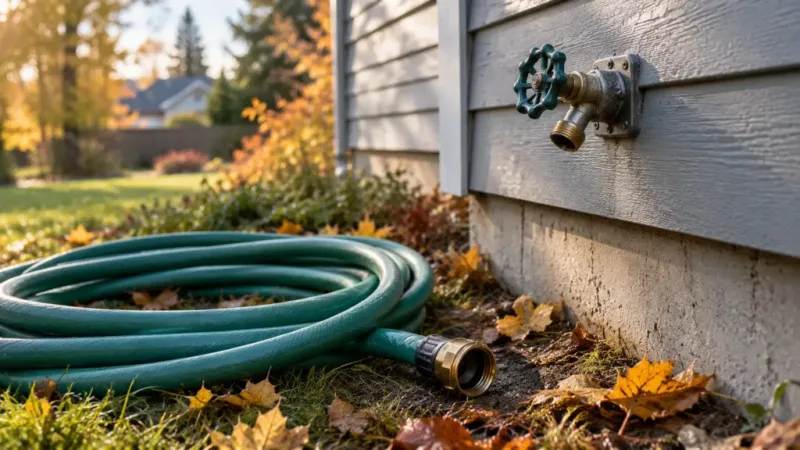
Water trapped inside a hose or the plumbing it connects to can freeze, and freezing water expands. That squeeze can split hose walls, crack sprinkler parts, or strain the faucet.
Damage is a risk, not a sure thing, but a little prep makes it far less likely.
Both Oregon State University Extension and Texas A&M AgriLife point to the same basic fix. Drain the hose thoroughly, and unhook hoses before a freeze.
Think of it as a ten-minute chore that can save a hose, a sprinkler, and a repair call. The key is doing it before freezing temperatures arrive, not after the first icy night.
Use your local forecast, not a regional deadline
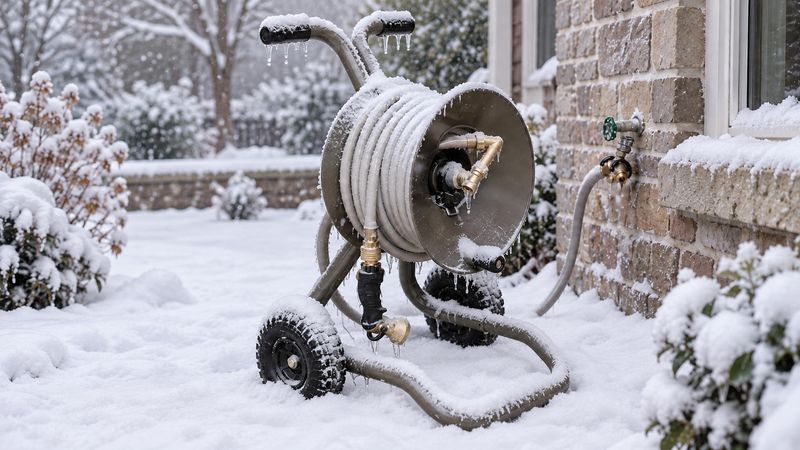
Freezing temperatures do not wait for a hard-freeze alert. Water can freeze at around 32 degrees, and National Weather Service materials show that freeze criteria differ, with some local offices using 28 degrees for a hard freeze.
Timing also swings across the South. Dallas-Fort Worth averages its first freeze around November 22.
The Tallahassee area ranges from mid-November to mid-December depending on the site, and South Florida often sees its first freeze in late December.
Averages are not personal deadlines. Watch your own forecast, and remember that low spots and open yards can run colder than the official reading.
Disconnect the hose and drain it thoroughly
Start at the faucet and unscrew the hose completely. Then lift one end high and walk the hose along, letting gravity push water out of the other end.
Work your way down the length, and check any sagging loops where water likes to hide.
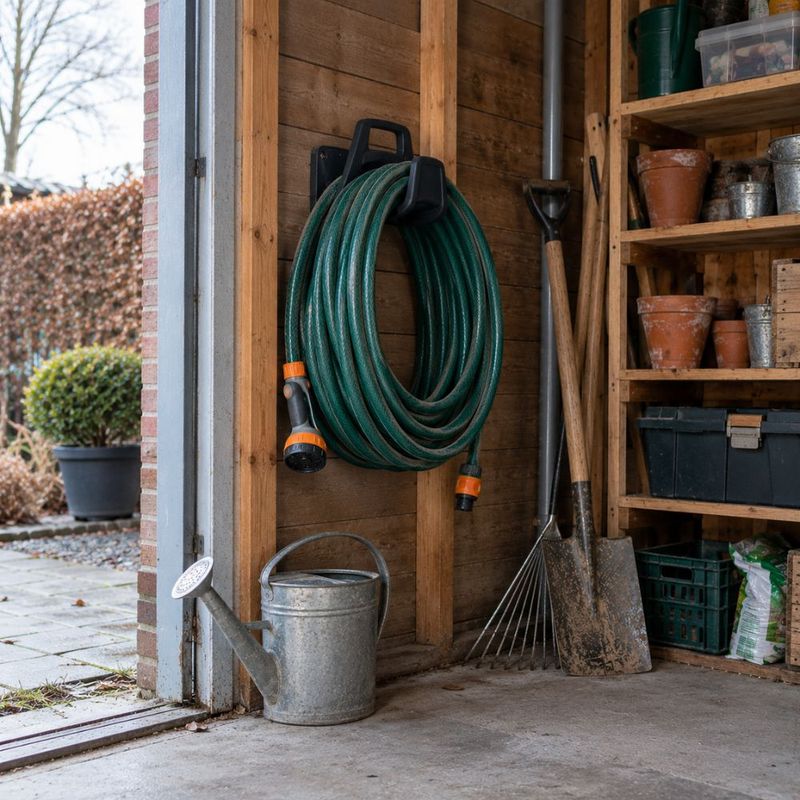
Once it is empty, you have two choices. Oregon State Extension says a completely drained hose can stay outside.
Storing it in a garage or shed may reduce its exposure to temperature swings, which can age hose material faster. Neither choice guarantees zero wear, but an empty, coiled hose is in good shape either way.
Follow the hose-end sprinkler’s instructions
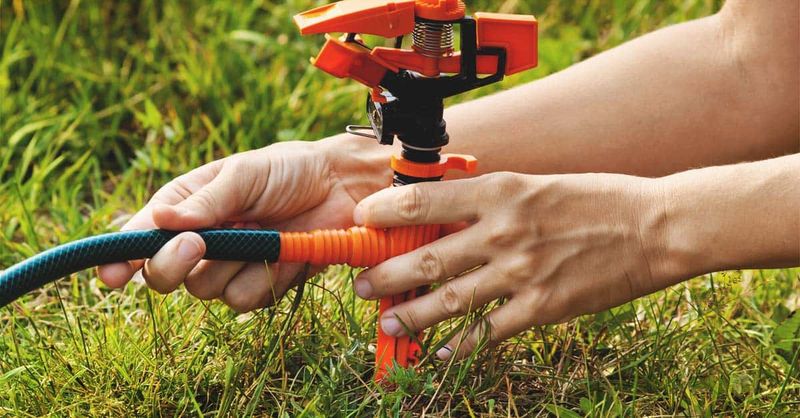
Portable sprinklers come in many designs, from oscillating arms to spinning heads, and each one traps water in different spots. Your best guide is the manual that came with yours.
Look for its draining and storage steps, and follow them as written.
If you use a screw-on timer or another attachment, check what the maker says about removing and storing it. Many people take such parts off the faucet and keep them somewhere sheltered, but the manufacturer’s directions come first.
No manual handy? Search the brand and model online, since many companies post PDFs.
Skip one-size-fits-all shortcuts, because a method that suits one sprinkler may not suit another.
Protect the outdoor faucet and exposed plumbing
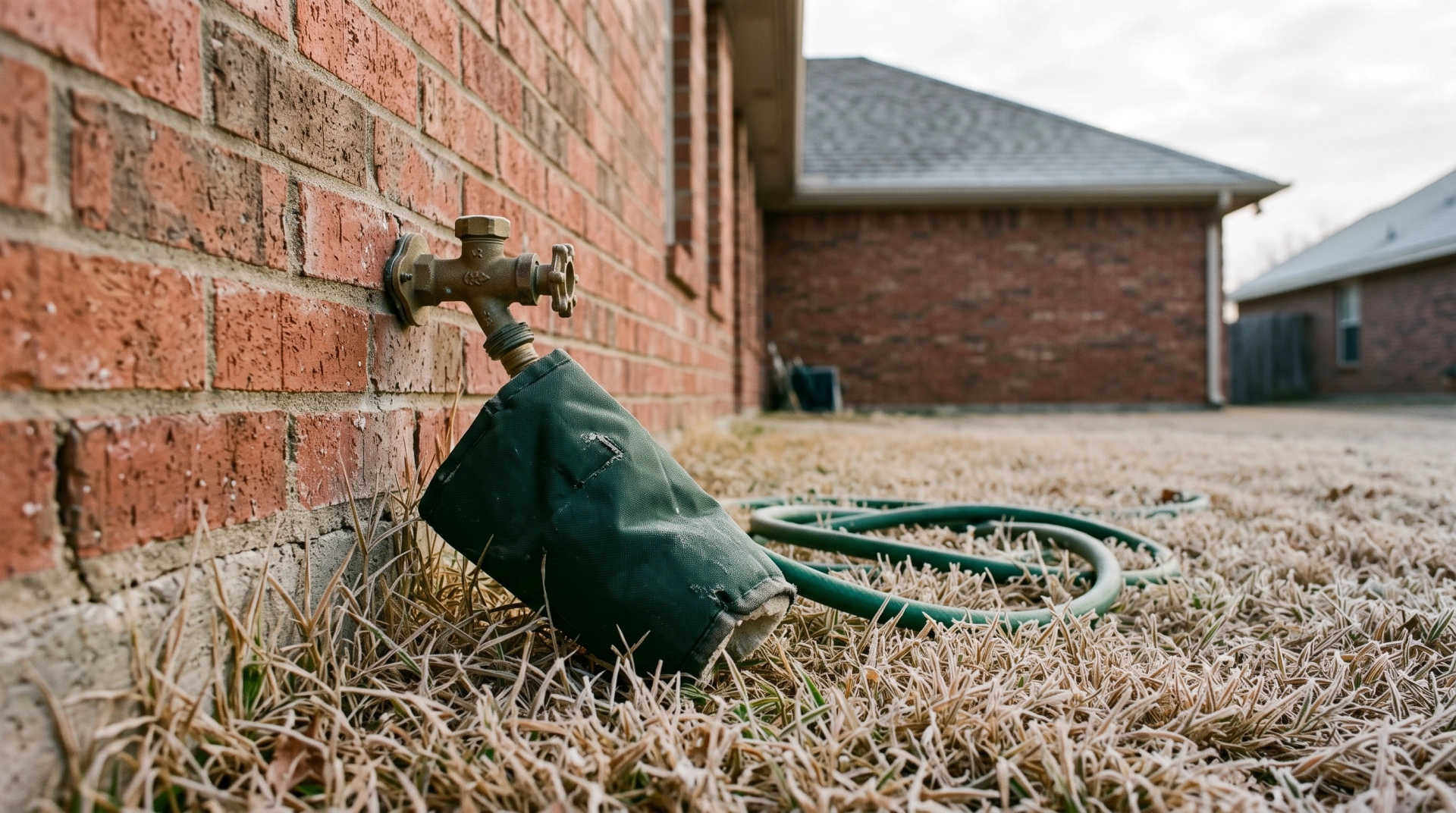
Pulling the hose off does double duty. It stops the hose from holding water against the spigot, and it lets you look at the faucet itself.
Local guidance, such as this city advice on protecting pipes, recommends disconnecting hoses and draining outdoor fixtures.
Some utilities also suggest insulation or a cover for exposed hose bibs, as Portland’s water bureau does for its area. Check what your own city or utility says, since needs differ between a Houston suburb and a north Texas ranch.
A faucet cover is an extra layer. It does not replace draining the hose or dealing with your sprinkler.
Treat underground irrigation as a separate system
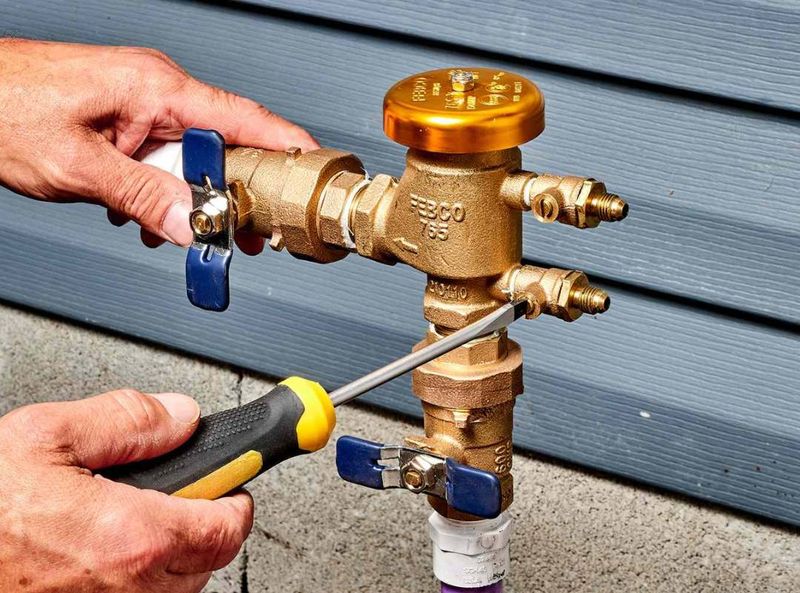
Permanent in-ground irrigation is a different job from a hose and portable sprinkler. Its needs depend on how it was built and how cold your area gets.
Texas A&M says winterizing most Texas systems focuses on shutting off the controller and water supply, insulating exposed pipe, and draining above-ground parts. It also notes that most Texas systems are not designed for a northern-style blowout.
Compressed air is where people get into trouble. Oklahoma State warns that improper blowouts can damage systems, and Colorado State Extension cautions that too much pressure can harm components.
So check your system’s instructions, or call a qualified local irrigation pro. Your hose can be handled in minutes, but buried pipes deserve a plan made for them.