
November in North Carolina is a quiet month, but it is one of the smartest times to grab your pruners. Many plants have gone dormant or finished their season, so a little cutting now can mean cleaner beds, fewer pests, and stronger growth when spring arrives.
The trick is knowing which plants welcome a fall trim and which ones should be left alone. Here are seven that tend to reward a November haircut, from the mountains to the coast.
1. Peonies
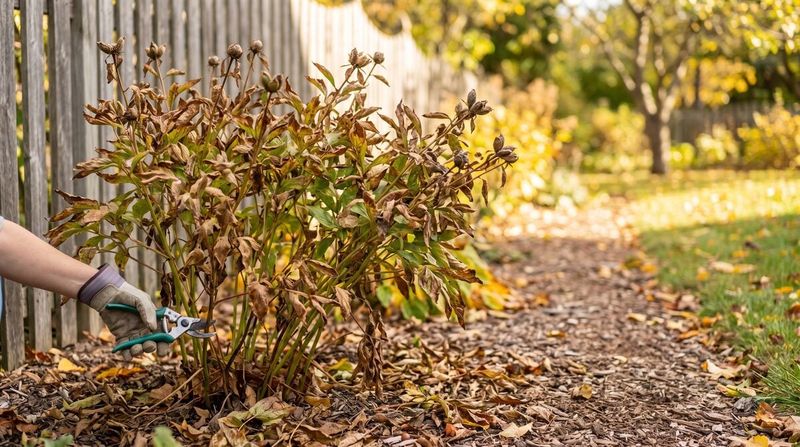
Ask any longtime peony grower in the Piedmont and they will tell you the secret to big spring blooms starts with a messy fall chore. Once frost browns the leaves, herbaceous peonies are done feeding their roots for the year.
Cut the stems down to about an inch above the soil and bag the trimmings instead of composting them. Old peony leaves can carry botrytis and leaf blotch spores, and removing them may help reduce disease pressure next season.
Leave tree peonies alone, though. Their woody stems hold next year’s flower buds, so only snip out dead wood.
Mountain gardeners can usually tackle herbaceous types in early November, while coastal plain growers may wait until late in the month when foliage finally yellows.
2. Bearded Iris
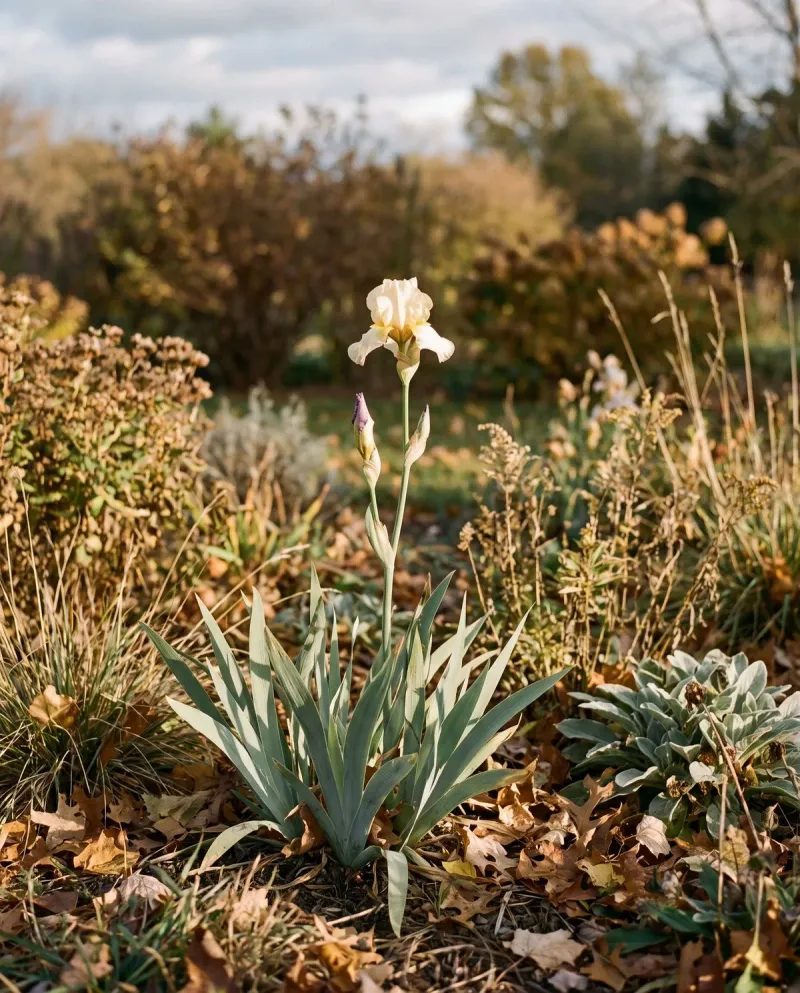
Picture a row of tidy green fans instead of a slumped pile of brown, spotted leaves. That simple change is what a November trim does for bearded iris.
Cut each fan back to about six inches, angling the top like a little rooftop. Iris borers lay eggs on old foliage in fall, so clearing and disposing of it can cut down on the grubs that tunnel into rhizomes come spring.
While you are down there, pull away mulch from the rhizomes. They like to sit with their shoulders in the sun, which matters in our humid Piedmont and coastal clay soils where rot is a real risk.
3. Hostas
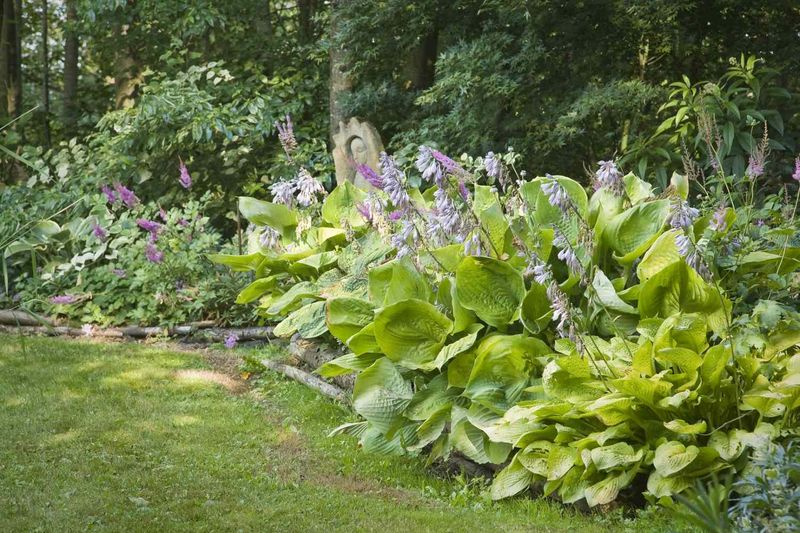
Nothing turns to slime quite like a hosta after its first hard frost. One cold night in the mountains or Piedmont, and those lush leaves collapse into a soggy heap.
Clearing them out is about more than looks. Slugs and their eggs love to overwinter in that wet mess, so removing it can mean fewer holes in your new leaves next April.
Cut stems at ground level and toss the debris. Then add a light layer of shredded leaves over the crowns to insulate roots without giving slugs a five-star hotel.
4. Daylilies
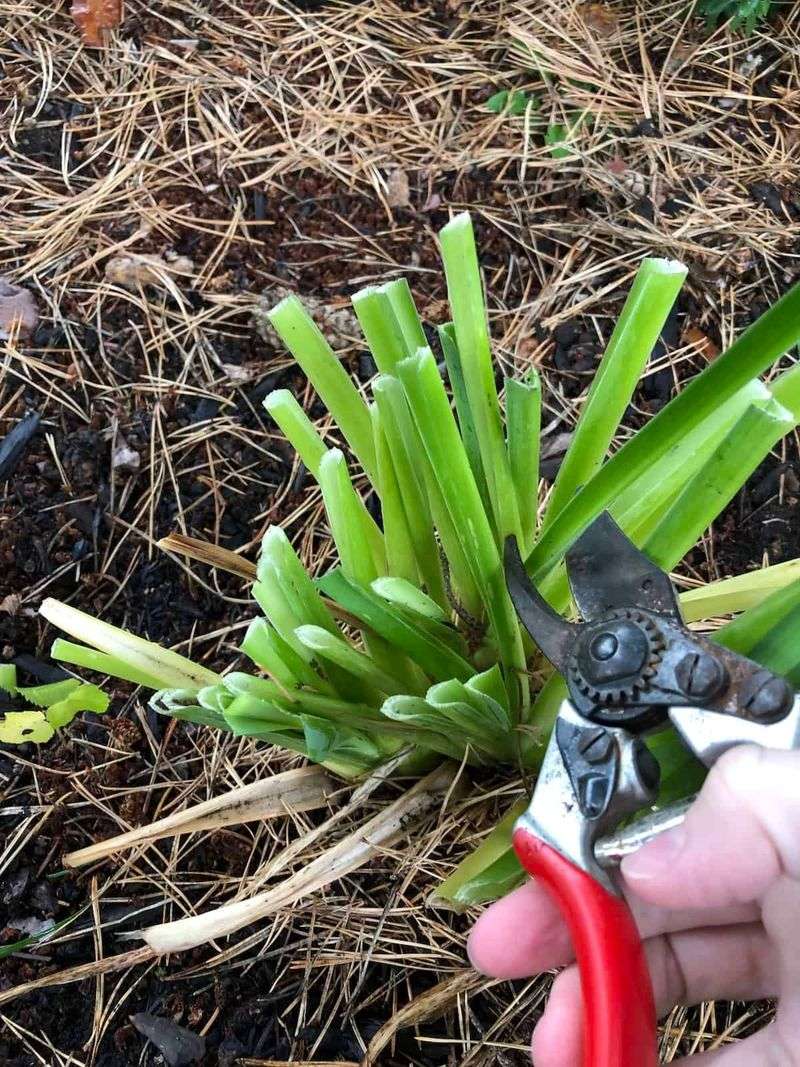
Daylilies are the toughest plants in plenty of North Carolina yards, and they handle a fall cleanup without blinking. By November, most varieties have yellow, floppy foliage that looks tired along driveways and borders.
Shear clumps down to three or four inches. This opens the crowns to air, may help limit daylily rust and leaf streak, and lets fresh shoots pop up clean in spring.
Evergreen types common in coastal gardens can simply get a light tidy, pulling dead leaves by hand. Finish with pine straw for a crisp look that holds through winter.
5. Bee Balm
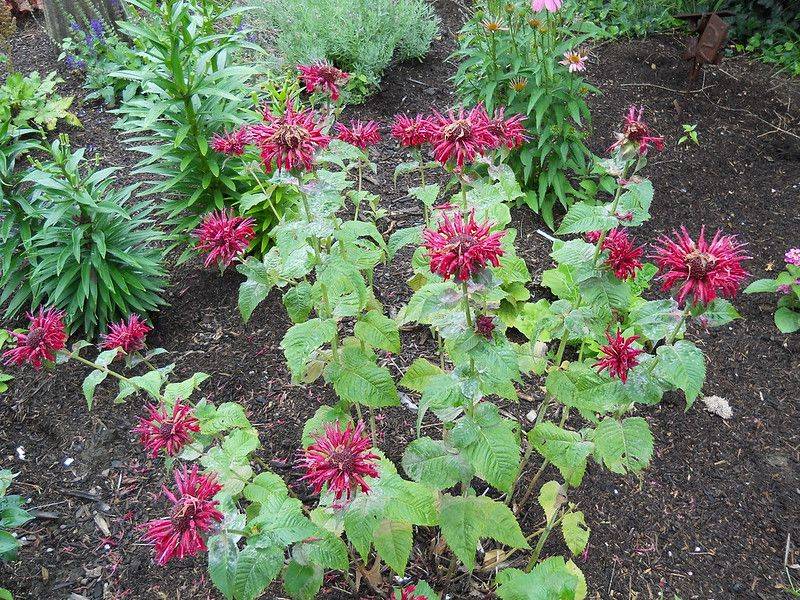
Here is a native plant that earns a different rule than most. Bee balm, or Monarda, feeds hummingbirds and native bees all summer, but by fall its leaves are often gray with powdery mildew.
Cutting those stems to the ground and removing them can lower the mildew spores waiting to reinfect spring growth. Bee balm seed heads offer less to birds than coneflowers, so you lose little habitat value.
Keep other natives standing nearby. Coneflowers, black-eyed Susans, and hollow stems shelter overwintering bees and feed finches, giving you a clean bed and a wildlife-friendly one at the same time.
6. Asparagus
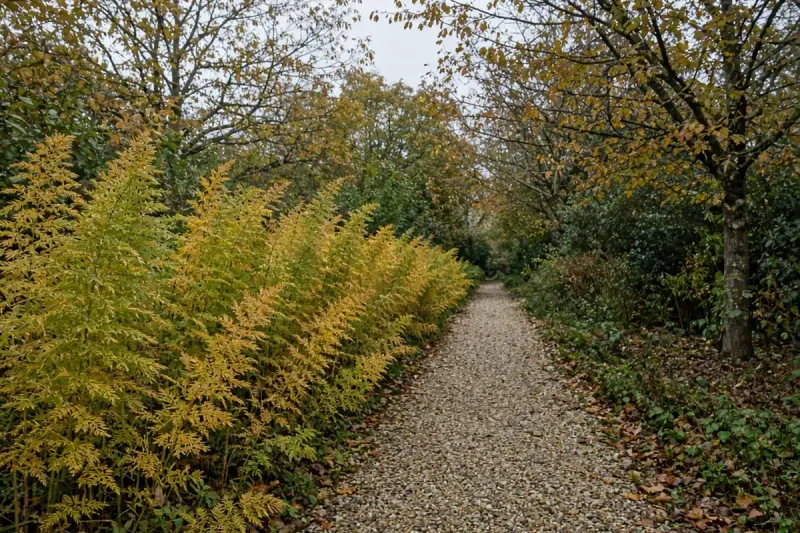
Vegetable growers sometimes forget the asparagus patch once the feathery ferns turn gold. Leaving it is a missed chance for a better spring harvest.
After the ferns brown, usually by mid to late November across most of the state, cut them to the soil line. Asparagus beetles overwinter in that old growth, and removing it can reduce how many come back to chew your tender spears.
Top the bed with an inch or two of compost. By March in the coastal plain and April in the mountains, you could be snapping fresh spears from a cleaner, healthier patch.
7. Blackberries and Raspberries
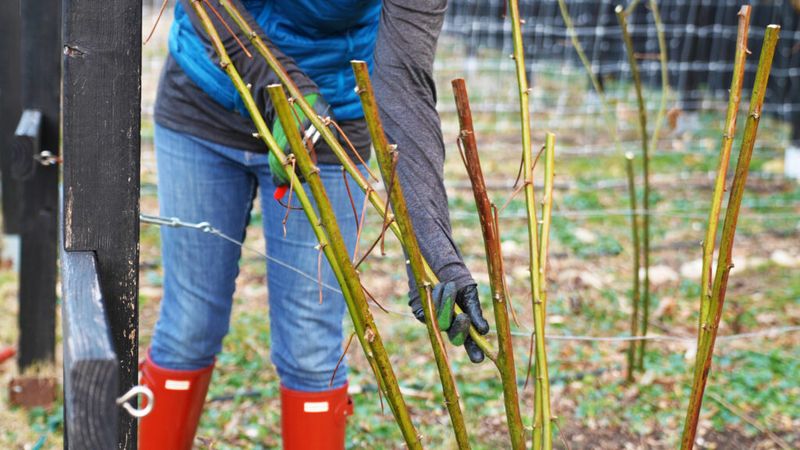
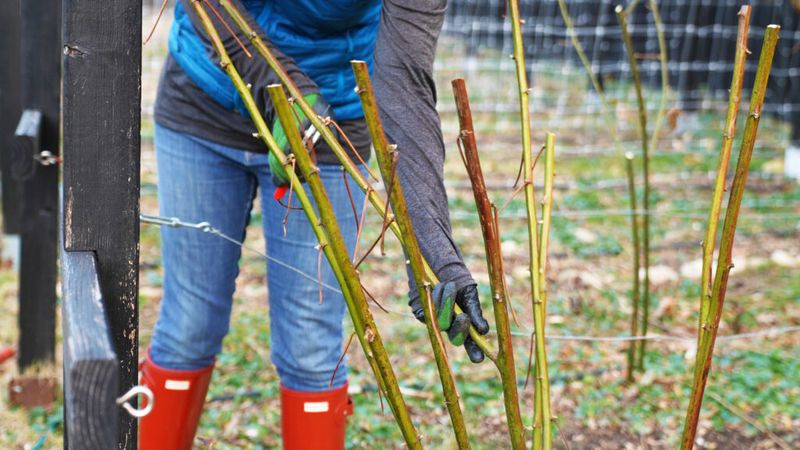
North Carolina is one of the top blackberry states in the country, and homegrown brambles love a November cleanup. Thick gloves recommended.
Canes that fruited this summer, called floricanes, will never fruit again. Cut them at ground level so the plant puts energy into the new canes that will carry next year’s berries.
Thin remaining canes to four to six per foot of row and remove any that look cracked or diseased. Better airflow can reduce cane diseases in our humid summers, and you will find picking far easier next June.