
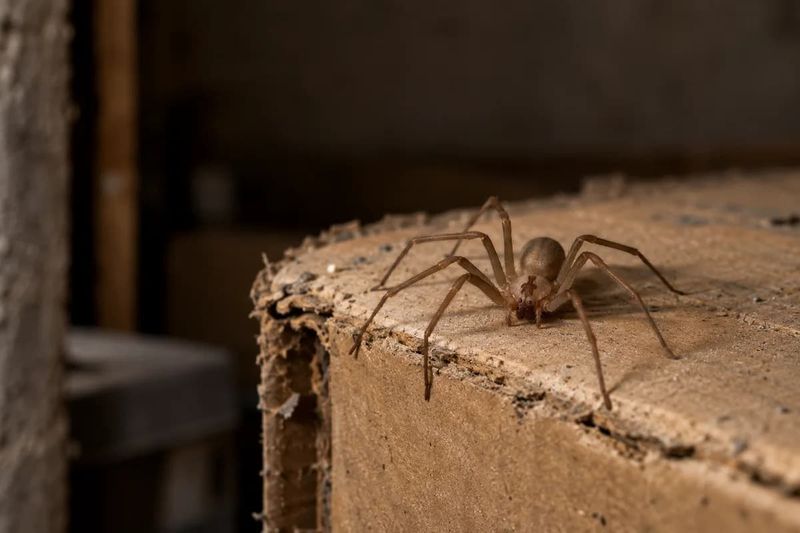
A stack of firewood by the back door or a pile of boxes in the garage can seem harmless. For brown recluse spiders, though, quiet and undisturbed spots can make good hiding places.
Knowing which spots matter lets you fix a few things near the house instead of clearing the whole yard. Here is what Central Texas homeowners can do, and what the evidence does not say.
Cool weather does not prove a winter influx toward homes
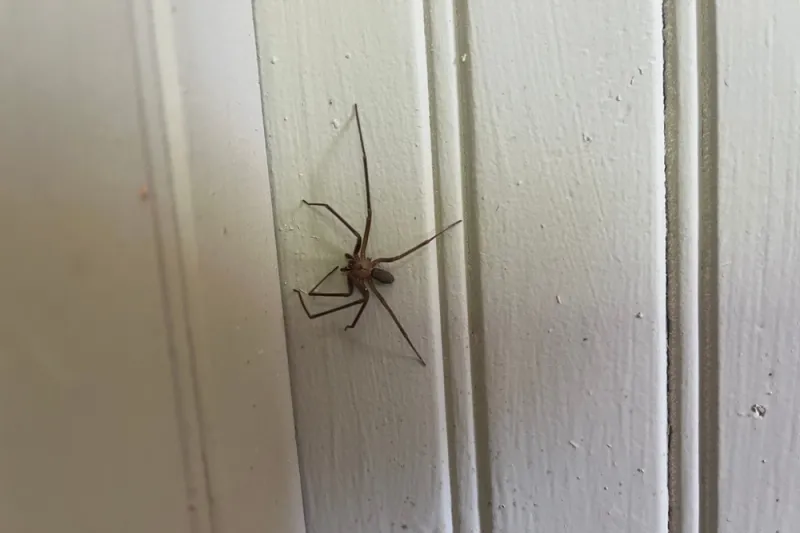
Plenty of people believe that when nights cool off, brown recluses leave the yard and march toward the house. That idea is popular, but it is not what the sources show.
Texas A&M AgriLife describes outdoor activity as mainly a spring-through-fall story.
A peer-reviewed pest-management review describes recluses retreating into winter harborages around October and emerging around April or May. In plain terms, outdoors they tend to settle into seclusion as it cools, not surge toward houses.
Nothing documented shows a Central Texas winter migration from yard clutter to homes.
Indoors is a different picture. Texas A&M’s Insect Updates notes that spiders in climate-controlled homes, storage areas, and garages can stay active year-round.
A heated garage in January may hold a spider that an outdoor woodpile would not.
Timing also varies. A sheltered patio in Austin and an open pasture near Waco can behave differently, so treat the dates above as general guides.
Your concern is still reasonable, because hiding places near the house do matter. The rest of this article shows which ones to tackle and how.
Store firewood and lumber away from the house

Stacked firewood is one of the best-documented outdoor hiding spots. Texas A&M lists firewood stacks, boards, and wood stored on the ground among the secluded places where recluses shelter, and the pest-management review says much the same.
Tight gaps between logs stay dark and rarely disturbed.
You do not need to give up your fireplace. Move the pile away from the walls, ideally to the far side of the yard, and lift it off the soil on a rack or pallet where practical.
Keep only what you will burn in a week or two close to the door.
Handle existing stacks with care. Wear thick leather gloves, pick logs up from the side, and avoid reaching blindly into gaps.
Do this on a cooler part of the day, and shake out each log before carrying it in.
Leftover lumber works the same way. Stand boards on end in a rack or store them on shelves instead of flat on the ground.
Moving wood reduces nearby hiding places and chances of contact, but it does not prove piles draw spiders indoors, and it cannot guarantee none will show up.
Target sheltered debris, not the whole yard
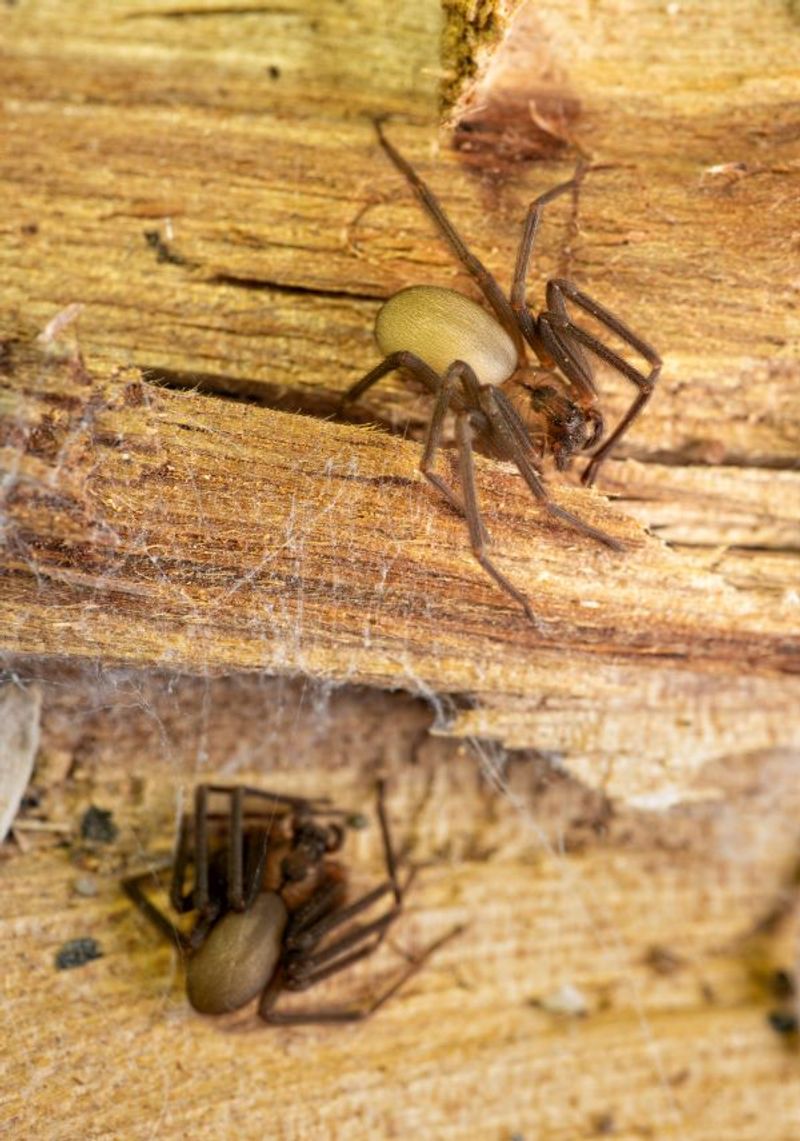
Walk the edge of your house and look for items that sit still for months. Boards, stones, plywood, tarps, tires, and storage boxes are all documented recluse hiding places, according to Texas A&M, and the pest-management review lists similar debris.
Leaf litter can count too when it piles thickly against a wall and is never disturbed.
What matters is the combination of shelter and stillness. A healthy garden bed, a patch of native grasses, or a few fallen leaves under a shrub is not the same thing as a stack of plywood leaning on the siding.
Nothing here calls for stripping the yard bare.
Start with a short list. Haul away debris you do not need, such as the old tire or the folded tarp.
Put the items you keep on shelves or in sealed plastic bins, and raise them off the ground.
Focus on the first few feet around the foundation, patio, and doors. UC IPM guidance also points to reducing clutter as a basic step.
A tidy zone near the house keeps your garden plantings intact.
Organize dark, undisturbed garage storage
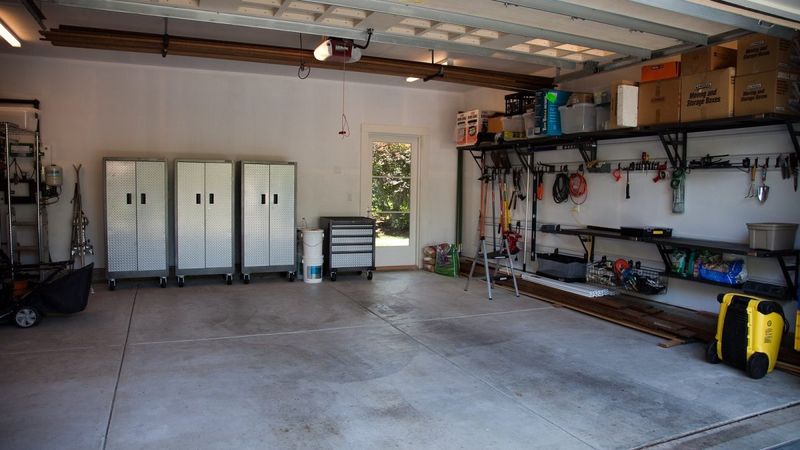
Garages come up often in Texas spider reports. The Texas Department of State Health Services reports brown recluses in garages, hiding between boards, boxes, old towels, and clothes in dark, undisturbed corners.
Because garages and storage rooms are climate-controlled or sheltered, spiders there can stay active through winter, as Texas A&M notes.
Cut down the piles first. Donate what you no longer use, and put the rest in sealed plastic bins on shelves instead of loose cardboard on the floor.
Leave a little space between boxes and walls so you can see behind them.
Build a quick check into your routine, such as once a month. Look under and behind stored items, and keep towels, work clothes, and rags off the floor.
Gloves are a smart habit when you move boxes or boards. Shake out stored shoes, boots, and clothing before you put them on, as Poison Control advises.
A few minutes of sorting once can make every later check faster.
Seal entry gaps and use traps to monitor activity

Spiders get in through small spaces, so walk the outside of the house with a tube of caulk. The Texas DSHS recommends sealing cracks and openings.
Check around pipes, door frames, the garage door bottom, and utility lines, and add weatherstripping where light shows through.
Sticky traps are the monitoring tool to know. Placed along walls or near suspected hiding areas, they can show activity and catch some spiders, as the pest-management review describes.
A trap with no catches does not prove the problem is gone, so keep checking.
Lighting is a smaller piece. DSHS suggests reducing bright outdoor lighting because it draws insects, which can be spider food.
That is general spider-prevention advice, not a proven brown recluse treatment, so do not expect new bulbs to keep recluses away.
Skip routine broad spraying. Extension guidance, such as Alabama Extension, puts sanitation and exclusion first.
If you consider a pesticide, follow the label directions, and call a pest professional for a significant confirmed infestation.
Identify spiders carefully and respond safely to suspected bites
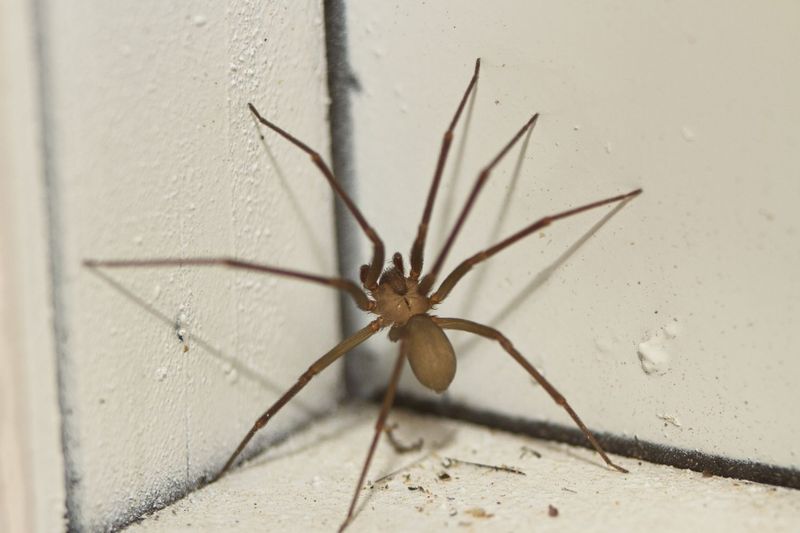
Not every brown spider is a recluse. Many people lean on the violin-shaped mark, but that marking alone can lead to a wrong ID.
UC IPM notes that six eyes arranged in three pairs are more diagnostic, and Texas A&M also describes the eye arrangement.
Color is not enough either. If knowing matters, catch the spider in a jar or save a clear sample, and ask your county extension office or a qualified expert to confirm it.
That beats guessing from a photo.
Keep medical talk simple. A skin sore should not automatically be called a spider bite, since CDC and Poison Control note that many alleged spider bites are other conditions, including infections.
If you suspect a bite, wash the area and call Poison Control at 1-800-222-1222, as their guidance advises. Get professional help for a suspected bite, or if symptoms worsen or spread through the body, such as fever or feeling very ill.
Gloves and shaking out shoes still apply in every case.
Prioritize nearby shelter without promising elimination
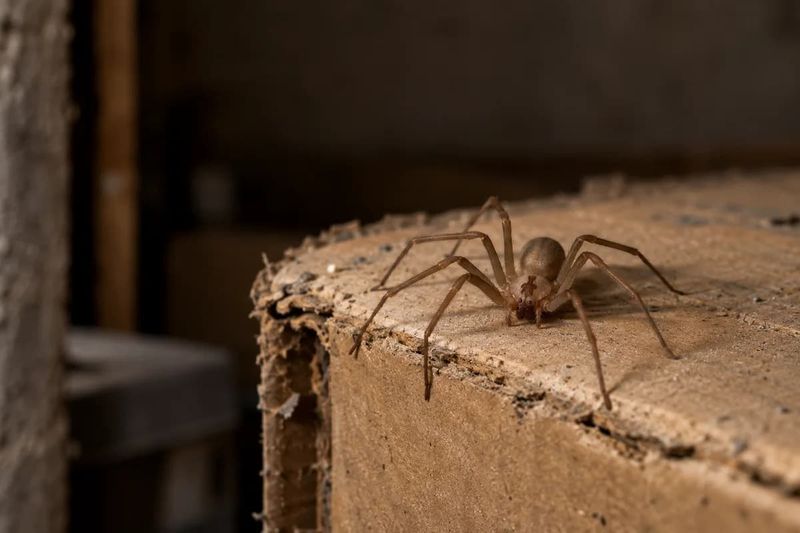
Start close to the house. Move the woodpile out, clear unneeded debris, sort the garage, and seal gaps along the foundation.
The pest-management review backs this kind of sanitation and exclusion.
Those steps may reduce nearby harborage and chances of contact, but no checklist guarantees a spider-free home. Cool nights alone do not create a winter influx, and your garden beds can stay lush.
A calm, small fix near the door beats a bare yard every time.