
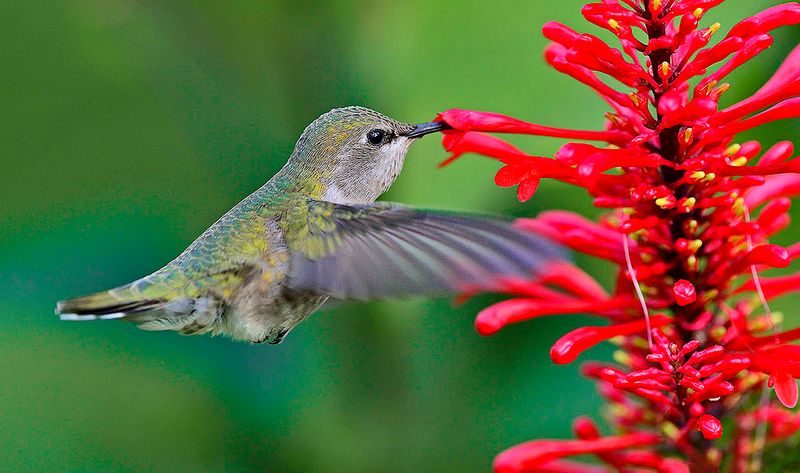
Few plants bring bright red color to a partly shaded Florida yard as reliably as firespike. Its tall spikes of tubular flowers show up in the cooler months in much of the state, and hummingbirds are known to visit them.
Before you buy one, it helps to know when it blooms where you live, how it grows, and what it can and cannot do for birds. Here is a practical look at making room for it.
Firespike brings seasonal red color to Florida gardens
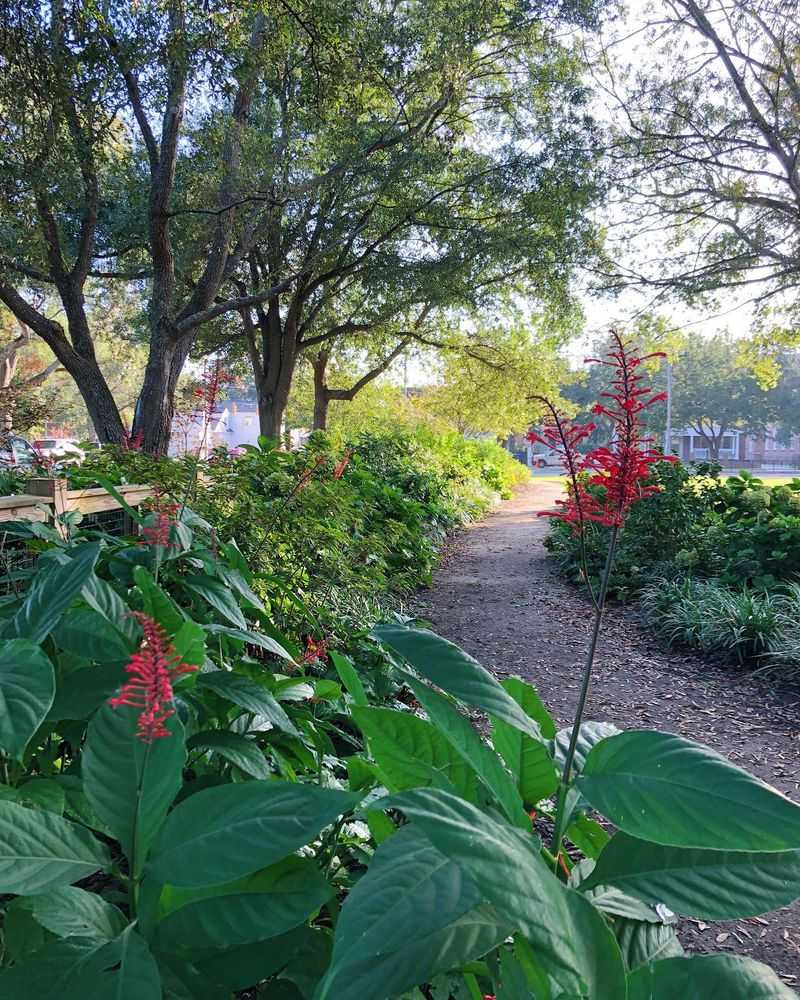
Firespike, known botanically as Odontonema cuspidatum, grows 4 to 6 feet tall and carries upright spikes of red tubular flowers. According to UF/IFAS Gardening Solutions, it blooms in fall and winter in North and Central Florida, and it flowers year-round in South Florida.
That regional difference matters when you plan your yard. A gardener in Gainesville or Orlando should expect color mainly in the cooler months, while a gardener in Miami or the Keys may see flowers across much of the year.
Bloom timing also shifts with weather, plant age, and growing conditions, so treat these dates as typical patterns rather than a calendar promise.
It also helps to be realistic about a plant bought at the nursery today. Firespike can be a fine addition to a garden, but planting one does not guarantee blooms right away, and it does not guarantee hummingbirds will show up this winter.
Where it does shine is in spots that other red bloomers struggle with. A UF/IFAS Extension Leon County fall gardening guide lists firespike as a favorite for partially shaded areas in fall.
If you have a yard corner that gets filtered light and needs height, texture, and a splash of red, this plant deserves a look.
Part shade works, but full sun usually brings the best bloom
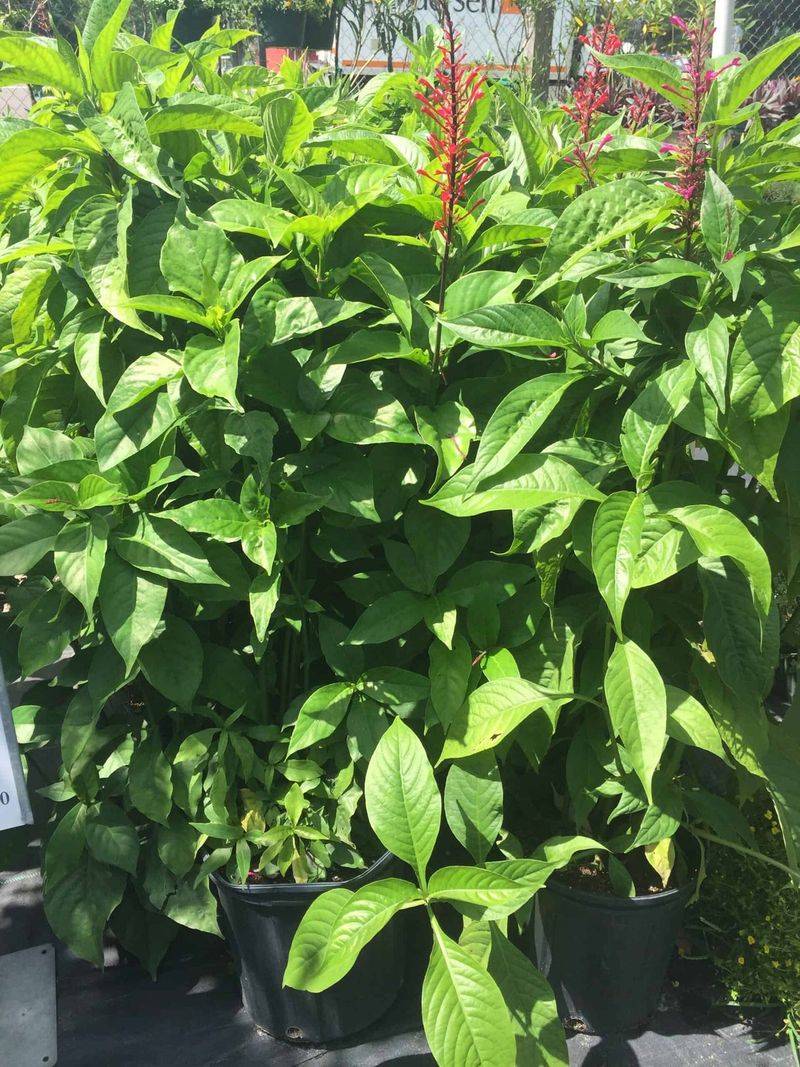
Picture the light in your yard before you pick a planting spot. Firespike tolerates part shade, which makes it handy under tree canopies or along the east side of a house.
Full sun, though, generally produces the best bloom, so a bright spot is the better bet if flowers are your top goal.
Think of part shade as a workable compromise rather than the ideal. A plant in dappled light will still grow and can flower, but you may see fewer blooms than a sunnier neighbor would give you.
Firespike is not a shade-loving bloomer, and it is not a low groundcover either.
Growth habit changes with location. UF/IFAS describes it as a clumping herbaceous perennial in North and Central Florida and as a small shrub in South Florida.
Either way, expect a plant that reaches 4 to 6 feet, so it works best at the back of a border, along a fence, or as a loose informal screen.
Give it room to fill out. UF/IFAS recommends spacing plants 24 to 36 inches apart.
Tighter spacing may look full sooner, but wider spacing leaves space for the clump to spread and lets you reach in for pruning or cleanup later.
Plant year-round and set realistic first-season expectations
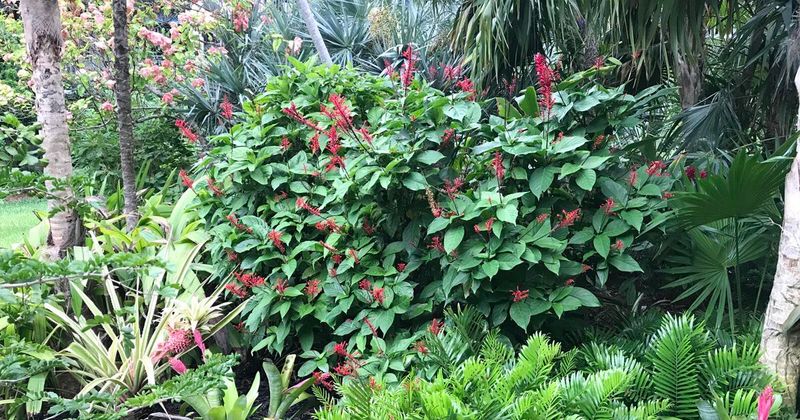
Florida’s long growing season gives you flexibility. UF/IFAS says firespike can be planted year-round in the state, so you are not stuck waiting for one narrow window.
That is good news for anyone who spots a healthy plant at the garden center in the middle of summer or winter.
The soil is forgiving, too. According to UF/IFAS Gardening Solutions, firespike tolerates soils from sandy to loamy, which suits the fast-draining ground many Florida gardeners start with.
Once established, it is moderately drought tolerant, though a newly planted specimen is still settling in and needs your attention.
Watch the plant rather than the calendar. Leaf color, wilting, and new growth tell you more about its needs than a fixed routine, and local rainfall and soil vary too much for one schedule to fit every yard.
Plant year-round does not mean bloom right away. A new plant may spend its first stretch growing roots and leaves, and flowers will depend on the season, your region, and the light it receives.
If you want to see red in the coming cooler months, treat any early flowers as a bonus and give the plant time.
Firespike can offer hummingbirds nectar when it blooms
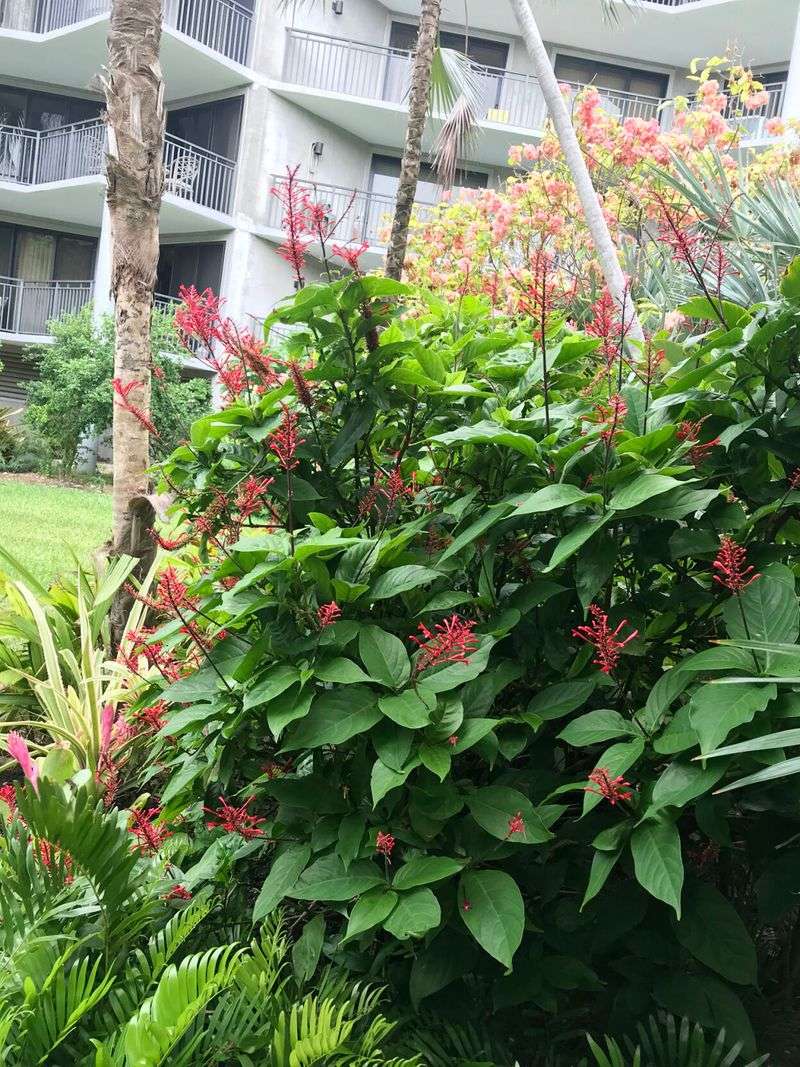
Red tubular flowers are a classic match for hummingbird beaks. UF/IFAS notes that the nectar-rich blooms attract hummingbirds, so a flowering firespike can serve as a nectar stop when birds are around.
The key phrase is when it blooms and when birds are present. A plant without flowers offers no nectar, and a yard outside a bird’s route may see few visitors no matter what you plant.
Firespike is one possible food source, not a promise of visits and not a replacement for everything a hummingbird needs.
Hummingbirds eat more than nectar. They also catch small insects for protein, so a garden full of only one flower type misses part of the picture.
Audubon encourages gardeners to plant tubular flowers in a variety of colors and to avoid assuming a given yard will draw birds every year.
A practical approach is to pair firespike with other flowers that bloom at different times. That way your yard offers something over several months, and firespike becomes one useful piece of a larger, more welcoming space.
Hummingbird timing varies across Florida
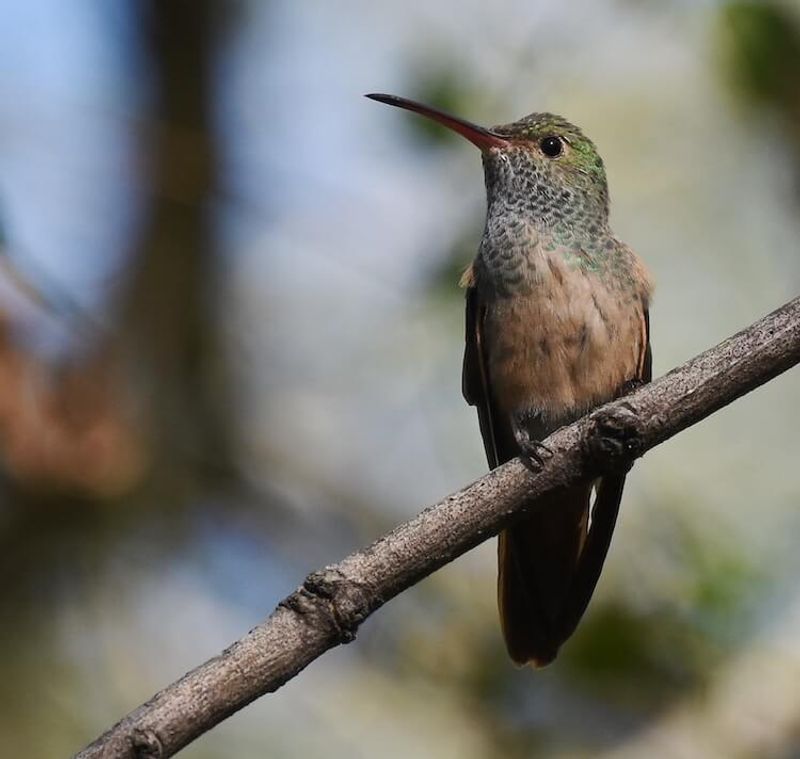
Florida is not one big hummingbird calendar. Audubon describes Ruby-throated Hummingbirds in the state from about the second week of March through the second week of November.
Fall migrants push numbers up in August and September, and then the flow thins out by November.
Winter is a different story in some places. Audubon notes that several species regularly overwinter along the Gulf Coast and in South Florida.
The UF/IFAS Extension publication on hummingbirds of Florida is a helpful reference for learning which species you might see in your area.
So a gardener in the Panhandle, one in Tampa Bay, and one in Broward County can have very different experiences. Species, season, and location all matter, and some yards will simply see fewer birds.
That is why firespike cannot promise winter visitors.
You can still stack the odds in your favor. Audubon advises planting a range of tubular native flowers and cutting back on pesticides, so your garden keeps the insects hummingbirds also eat.
Firespike can sit alongside those natives as one more blooming option in the cooler months.
Account for firespike’s introduced status and freeze response
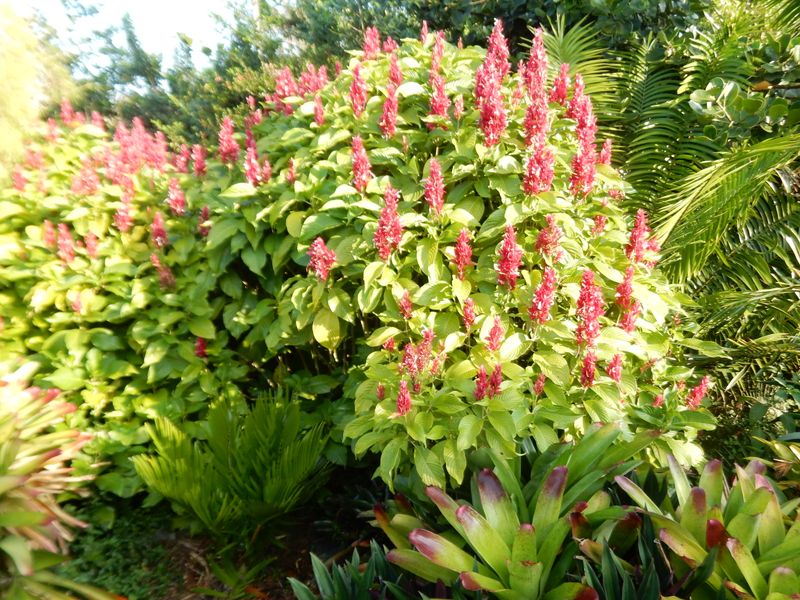
Two things deserve a thought before you plant. First, firespike is not native to Florida.
Kew’s Plants of the World Online lists its native range as Mexico to Honduras, so it belongs in the introduced-ornamental category.
UF/IFAS reports that it often reseeds, and a UF/IFAS Extension Charlotte County post says it has naturalized in some areas. The same post says it is not technically considered invasive, but it advises watching for escapes into natural areas.
In practice, check around the plant for seedlings, pull the ones you do not want, and think twice about planting near preserves, wetlands, or woods. Native plants remain the choice if your goal is a strictly native landscape.
Second, cold. UF/IFAS says hard freezes can kill above-ground growth, though plants typically return in spring.
That is a typical pattern, not a guarantee, so survival can vary by winter and location. In colder parts of North Florida, expect that a cold snap may cut the plant back, and be patient before deciding it is gone.
Make firespike one part of a varied Florida garden
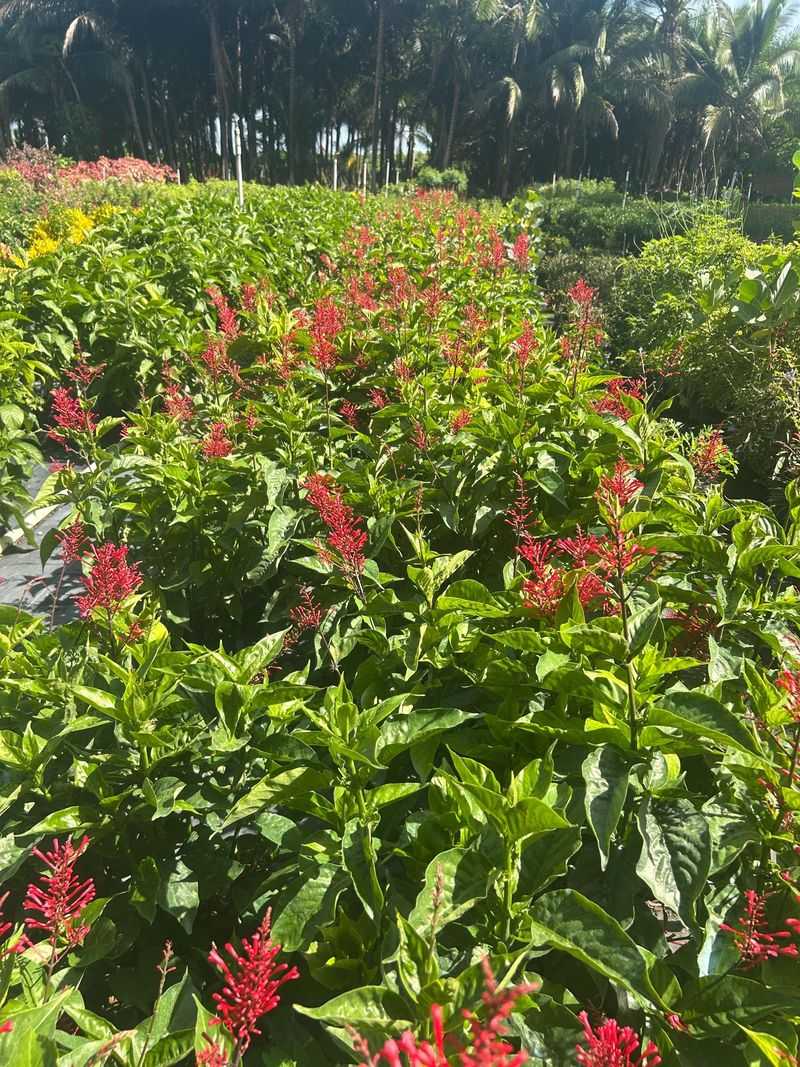
Firespike suits gardeners who want tall red flowers, have sun or part shade to offer, and understand that bloom timing differs from North Florida to the Keys. UF/IFAS backs it as a flowering choice with nectar-rich blooms.
Treat it as one nectar source among several, and keep the garden varied and light on pesticides, as Audubon suggests. Hummingbirds may or may not visit, and that is part of gardening for wildlife.
Plant it well, and the red spikes will be worth the wait on their own.