
Big plumes look great until a grass outgrows the space you gave it. Florida has native grasses that bring color, movement, and wildlife value without introducing a nonnative invader.
Native does not mean a plant will never spread or need trimming, so choosing the right grass for your yard still matters. These seven options offer useful swaps for pampas grass, from pink fall clouds to bold green clumps.
1. Muhly Grass
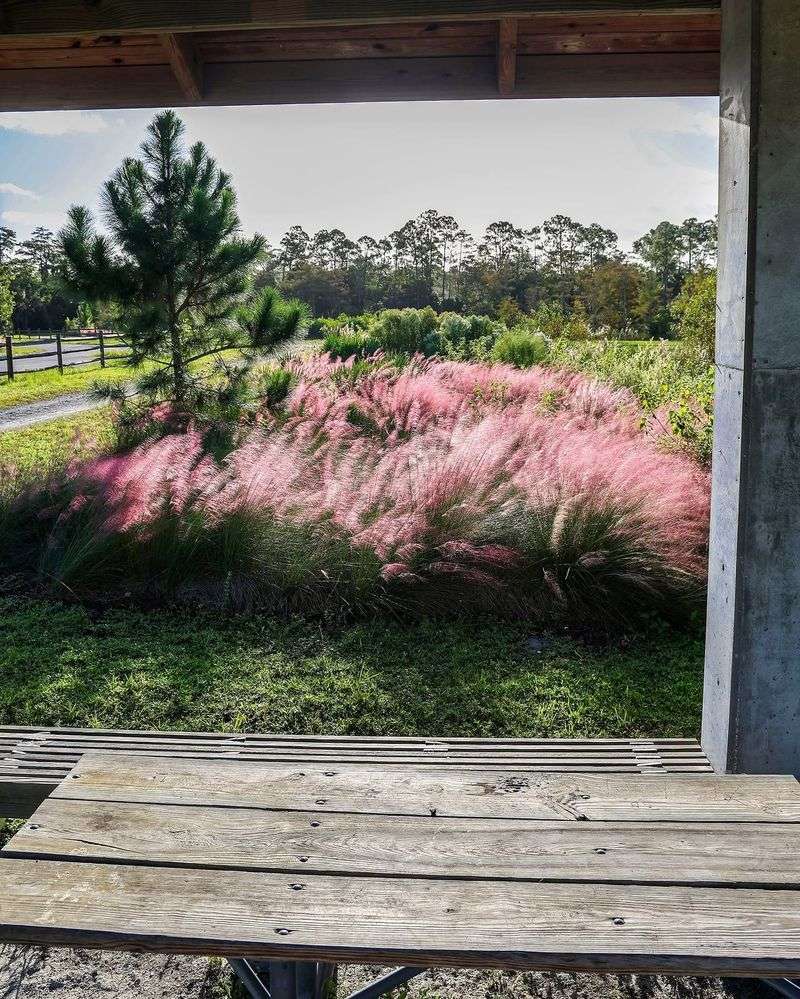
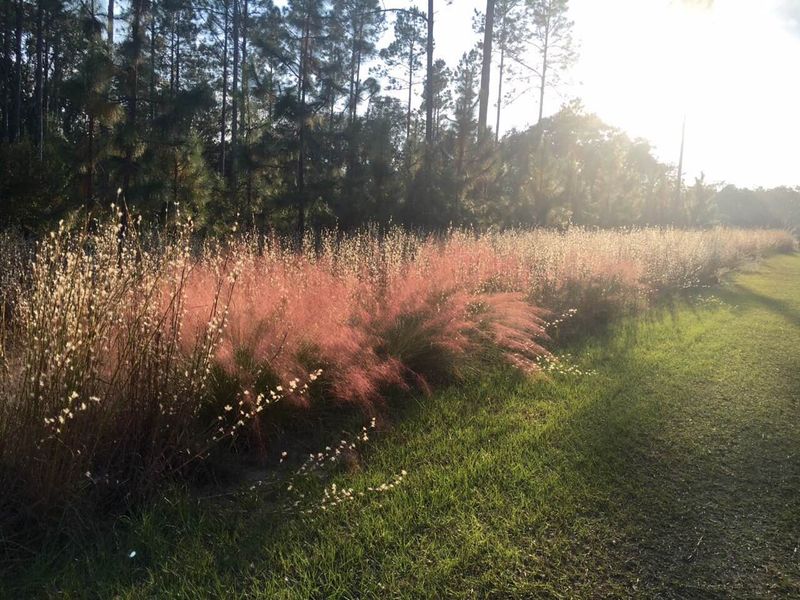
A pink cloud beside the driveway can deliver more curb appeal than a giant wall of pampas leaves. Muhly grass, Muhlenbergia capillaris, earns its place with fine foliage and airy pink flowers that glow in fall sunlight.
Expect a leafy clump roughly 2 to 3 feet tall, with flower stalks reaching higher. Give plants full sun and about 3 feet of space so their rounded shapes stay visible instead of becoming a crowded hedge.
For many Florida yards, the easiest spot is a sunny bed with sandy, well-drained soil. Water new plants until their roots establish, then adjust irrigation to rainfall rather than keeping the bed constantly damp.
Place a small group where low afternoon light can shine through the flowers. The effect is especially striking against a dark fence or evergreen shrubs, and the open growth leaves nearby flowers room to show.
Remove old foliage in late winter if it looks worn, before fresh growth gets underway. Avoid repeated shearing, which sacrifices the loose shape that makes this native such a standout.
2. Fakahatchee Grass
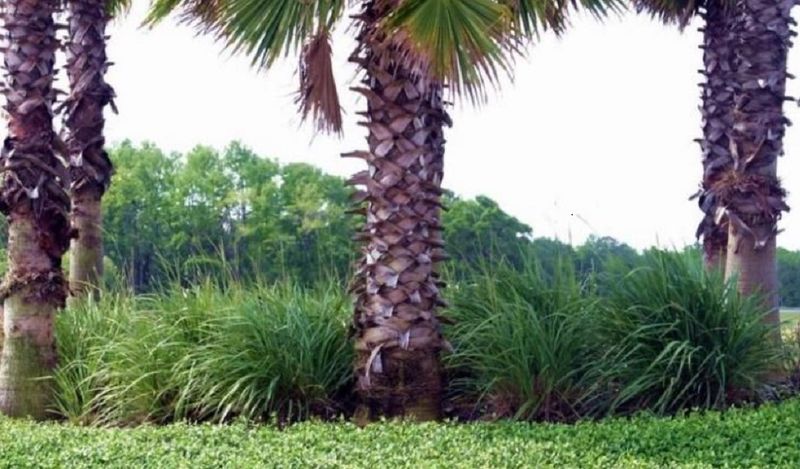
That damp corner near a downspout needs a different solution than a dry roadside bed. Fakahatchee grass, Tripsacum dactyloides, brings a bold, fountain-like shape to places where moisture lingers after Florida rainstorms.
Its broad green blades create a stronger visual screen than most fine-textured native grasses. Mature clumps commonly reach about 4 to 6 feet tall and wide, making this one of the better choices when you miss the size of pampas grass.
Use it near a rain garden, along a roomy property edge, or behind shorter flowering plants. Full sun to partial shade suits it, and established plants can handle some dry weather as well as moist conditions.
Leave generous room around each clump, especially near sidewalks and outdoor seating. Native status does not make a large plant small, and crowded leaves can still spill into places where people walk.
The flower stalks are subtle rather than fluffy, so choose it for leafy structure and cover for wildlife. Remove damaged leaves as needed, and divide an oversized clump when growth resumes in warm weather.
3. Dwarf Fakahatchee Grass
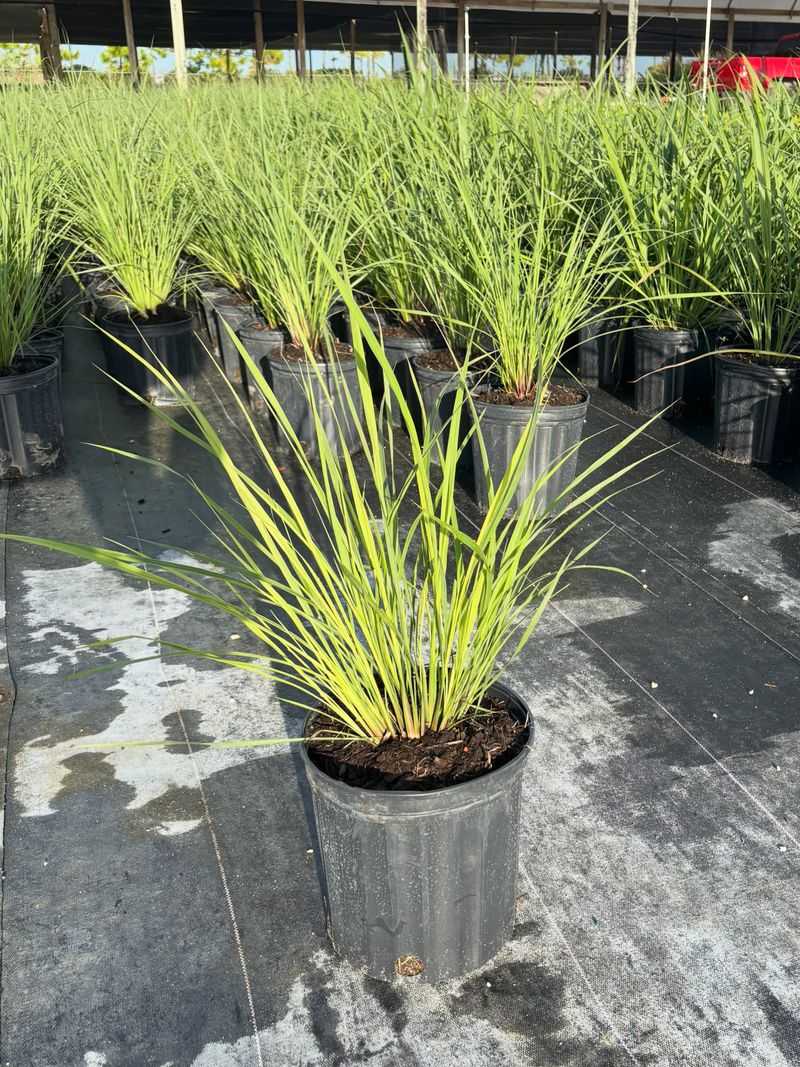
Small yards deserve movement and texture without losing half the walkway. Dwarf Fakahatchee grass, Tripsacum floridanum, offers the arching look of its larger relative in a much more manageable package.
Usually about 2 to 3 feet tall, it works well along a front border, near a patio, or in repeating groups beneath an open view. Its narrow green leaves create a tidy-looking mound without the heavy presence of a huge ornamental grass.
Choose full sun or light shade and soil that drains reasonably well. Once established, it handles dry periods, but young plants still need regular checks during Florida’s hot, rainless stretches.
For the clearest design, space plants around their expected mature width instead of squeezing nursery pots together. A little bare ground at planting time is easier to manage than a packed border a year later.
Small flower stalks add interest without towering over nearby plants. Ask for the botanical name when shopping, since common names can blur the difference between dwarf and full-size Fakahatchee grass.
4. Wiregrass

Under an open pine canopy, a neat row of showy grasses can feel out of place. Wiregrass, Aristida beyrichiana, fits the quieter beauty of Florida’s sandy pine landscapes with dense tufts of thin, wiry leaves.
The foliage generally forms low mounds around 1 to 2 feet tall, while flowering stems can rise above them. Rather than replacing pampas plume for plume, it replaces bulk with texture and space for native wildflowers.
Give it sun and dry, sandy, well-drained ground. It is a poor match for a heavily watered lawn edge or a low bed that stays soggy after summer storms.
Buy nursery-grown plants from a reputable native grower, and leave wild populations undisturbed. Wiregrass can be slow to establish, so small plants need patience and careful watering while their roots settle in.
In natural habitats, fire helps trigger strong flowering and seed production. Home gardeners should not burn a planting bed to force blooms; enjoy the foliage and ask local Extension staff about suitable maintenance for your site.
5. Lopsided Indiangrass
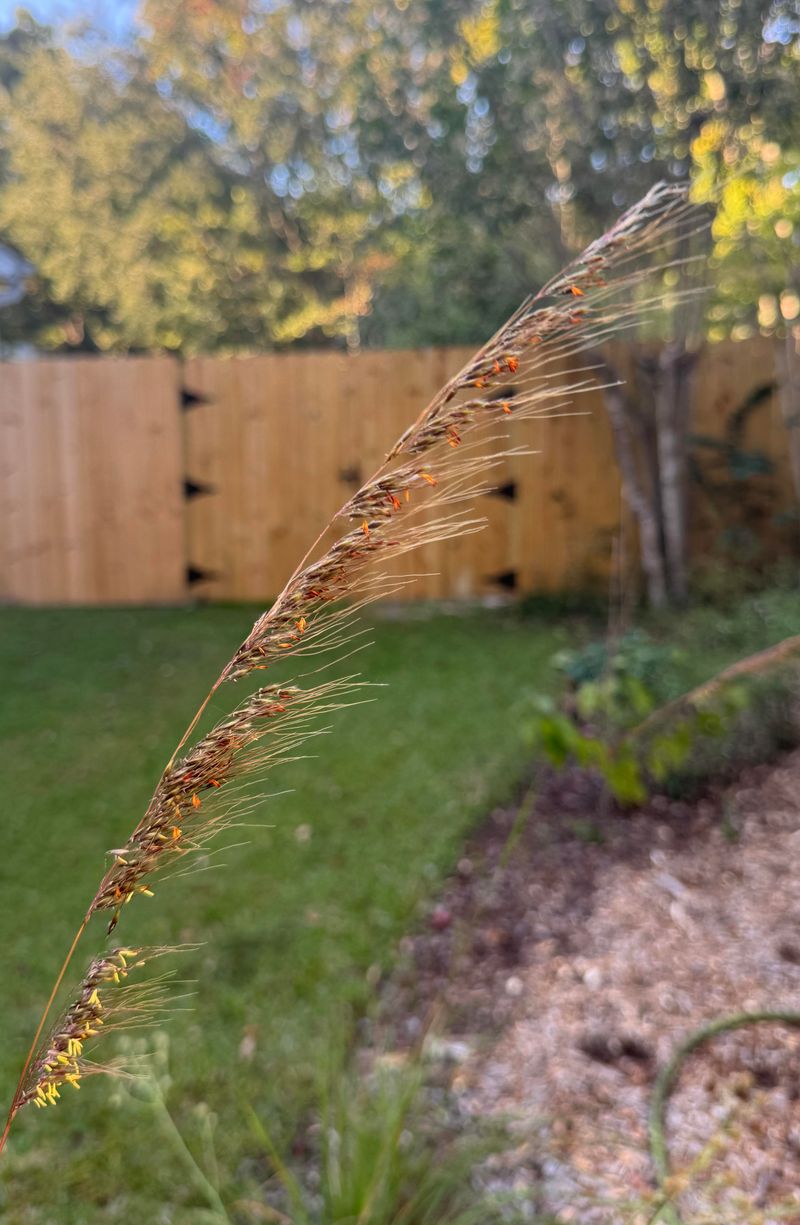
Not every tall grass needs a giant feather duster on top. Lopsided Indiangrass, Sorghastrum secundum, carries golden-brown flower clusters mostly along one side of each stem, giving a planting an unusual, graceful outline.
Flowering stems can rise roughly 3 to 6 feet, so put it toward the back of a sunny bed. The open structure adds height without forming the same dense visual barrier as mature pampas grass.
Dry to moderately moist, well-drained sandy ground is a sensible starting point. Avoid treating it like thirsty turf, and keep rich fertilizer away from the planting unless a soil test shows a need.
Its strongest role is in a meadow-style border mixed with lower native flowers and grasses. Several plants spaced through a bed look more natural than one lonely stem tucked against a blank wall.
Leave seed heads standing while they remain attractive, giving wildlife time to use the planting. Seedlings may appear nearby, so pull unwanted starts early if you want a more controlled garden edge.
6. Splitbeard Bluestem
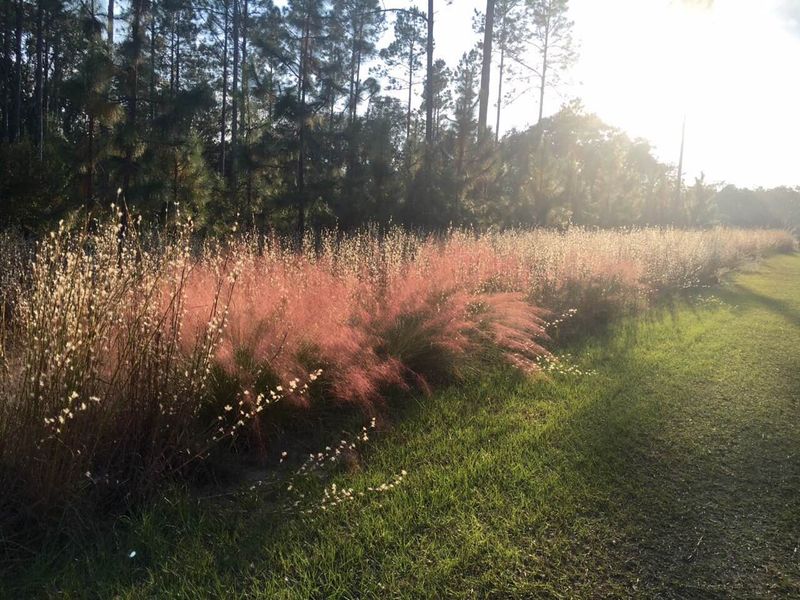
Late-day sunlight turns the silky seed heads of splitbeard bluestem into tiny silver lights. Andropogon ternarius is a good pick when you want some of pampas grass’s soft-looking drama on a lighter scale.
Plants commonly reach about 2 to 4 feet tall when flowering. As the season changes, the foliage often takes on warm copper or reddish tones, adding another layer of color to a Florida fall border.
Plant it in full sun on dry, well-drained soil, especially where sand makes thirstier ornamentals a chore. A soggy depression or constantly irrigated flower bed is not the right home for this grass.
Try a loose group beside a path, leaving enough room that stems do not lean into passing feet. Dark green shrubs behind the planting make the pale seed hairs easier to see.
Allow the stems to stand through the cooler months if they remain upright. Cut back old growth before new shoots expand, and remove extra seedlings where a crisp bed line matters more than a meadow effect.
7. Elliott’s Lovegrass
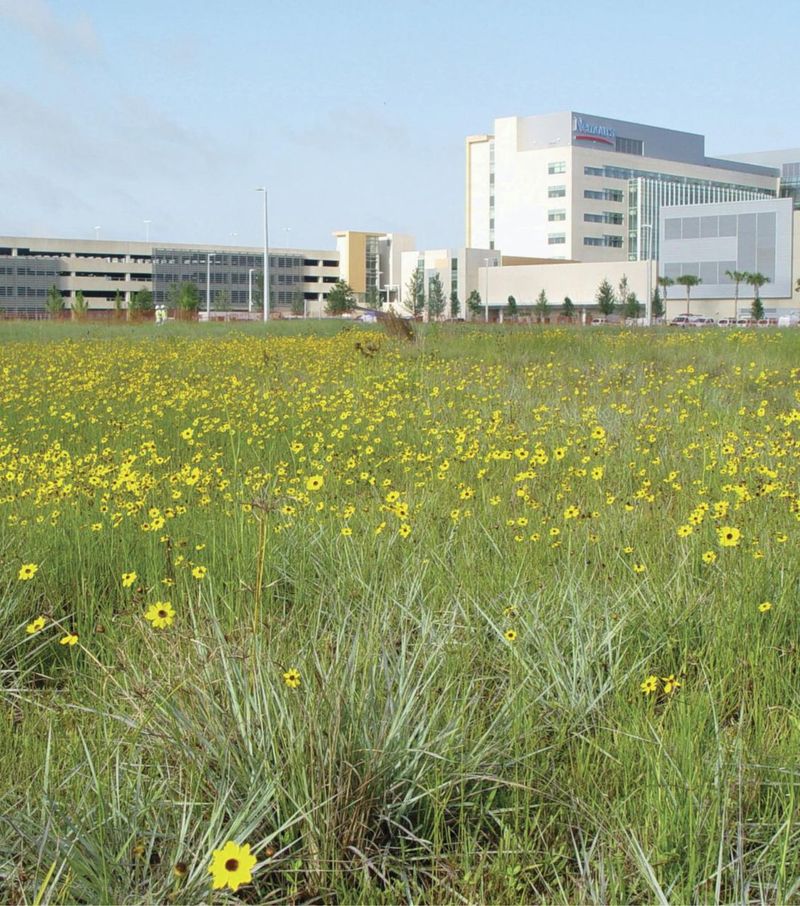
Blue-green foliage can freshen a planting even when nothing is blooming. Elliott’s lovegrass, Eragrostis elliottii, pairs that cool color with loose sprays of tiny flowers, making it a useful choice for smaller Florida beds.
Expect a fine-textured clump roughly 1 to 3 feet tall, depending on conditions and flowering stage. It looks especially good near plants with broader leaves, where the contrast keeps the border from becoming a blur of similar shapes.
A sunny position with sandy, well-drained soil suits it well. Water during establishment, then avoid routine overwatering that keeps the root zone wet and encourages weak growth.
Use several clumps along a low border or weave them among native flowering plants. The airy flower stems allow you to see through the planting, which helps a compact front yard feel less crowded.
Lovegrass can reseed, so check nearby open soil and remove unwanted youngsters while they are small. That is the practical distinction behind this whole swap: a Florida native can spread in a garden without being a nonnative invasive plant.