
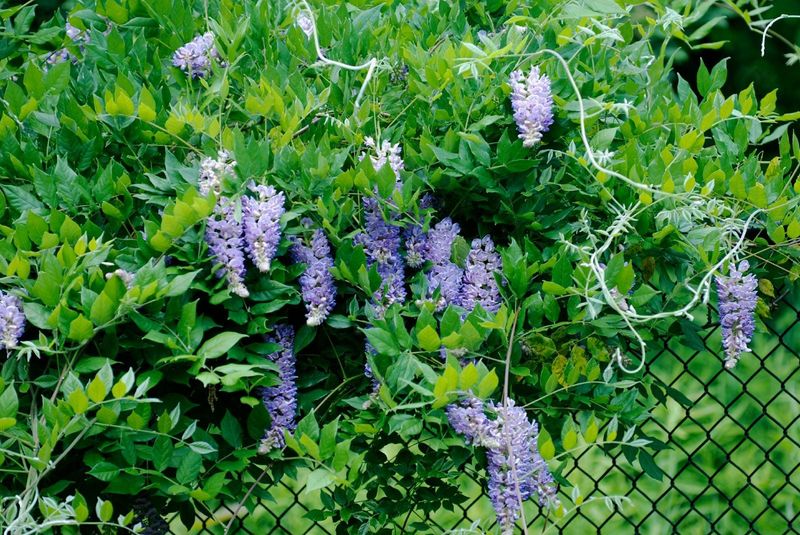
You cut the vine off your fence, haul away the pile, and a few weeks later green shoots are back. Many Texas yards deal with this, and the frustration is real.
Some vines can return after cutting, but the reason depends on the plant. Figuring out what you have is the first step toward a plan that actually works.
Identify the vine before choosing a treatment
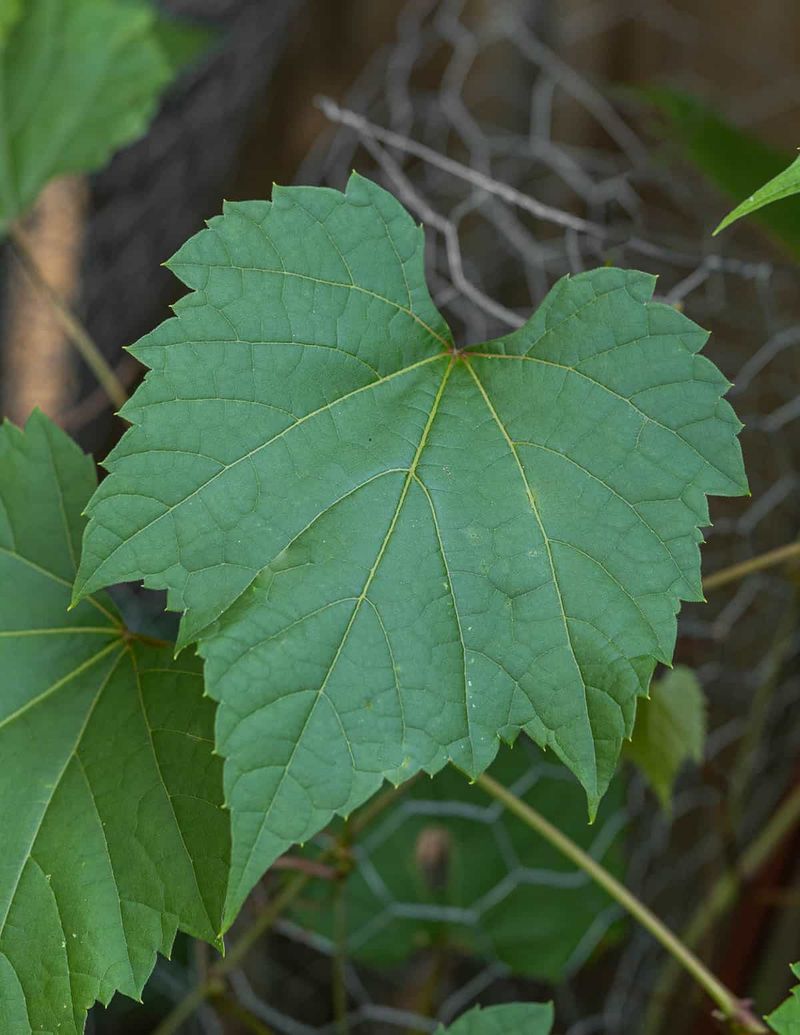
Before you grab pruners or a spray bottle, find out what is growing on your fence. Texas yards hold a mix of vines, and the right move for one may be wrong for another.
Your local AgriLife Extension office can help with identification if you bring a clipping or a clear photo.
It helps to separate two words that often get mixed up. An aggressive vine grows fast and crowds its neighbors, and that can include native plants.
An invasive vine is a non-native species that spreads and harms natural areas. Texas A&M Forest Service lists wild grape, greenbrier, and trumpet creeper among aggressive vines, and these are native plants, not invasive imports.
That difference matters because not every vine is a villain. The same Forest Service guidance notes that many vines provide food or habitat for wildlife.
Birds eat wild grape fruit, and some vines offer cover for small animals.
So think about where removal is truly needed. A vine smothering a young tree or pulling down a fence section deserves action.
A vine growing quietly along a far corner of the property may be fine to leave. Choosing your battles saves time, money, and wildlife value.
Until you know the plant, avoid burning it, and hold off on ripping it out. Take photos through the seasons, note where it grows, and get a name for it first.
A confirmed identity lets you match the method to the plant instead of guessing.
Why a vine may come back
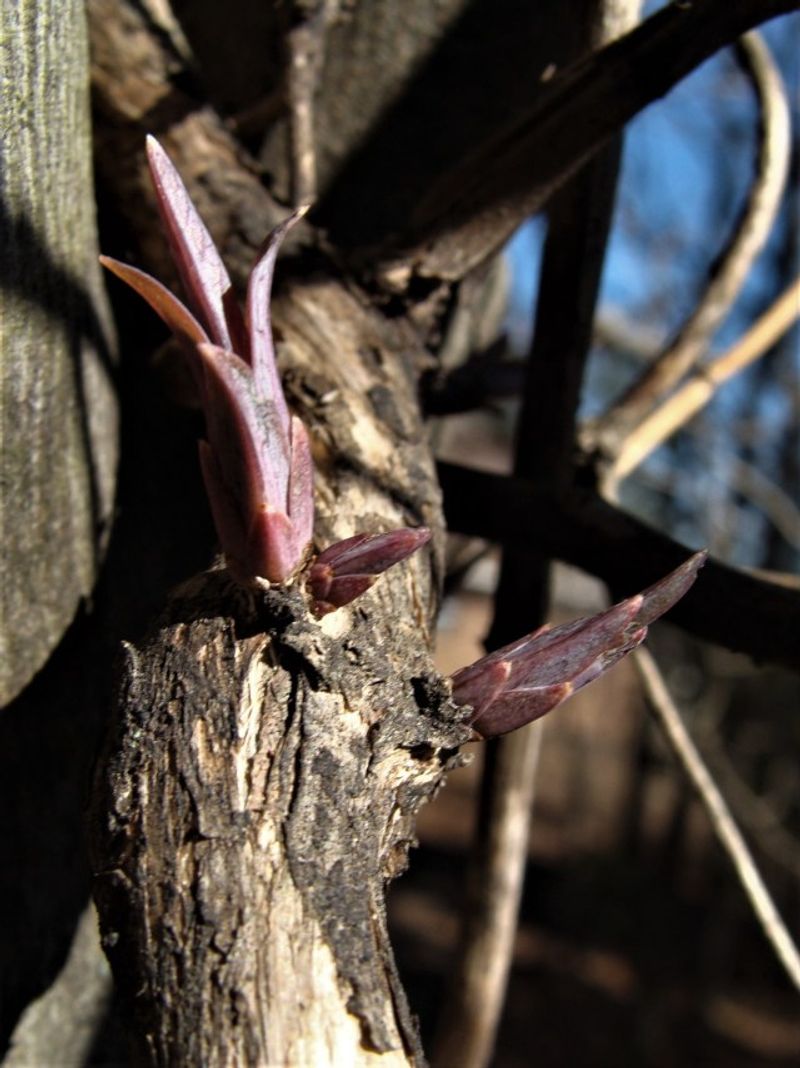
Cutting off the part you can see feels like winning. Underground, though, many vines keep living tissue that the pruners never touched.
Roots and other belowground parts can send up fresh shoots, and that is why a clean-looking fence can turn green again.
Japanese honeysuckle works as a clear example, and it is only an example, not a diagnosis of your plant. Texas Invasives describes it as persisting through woody rootstocks and spreading by rooting at the nodes, the joints along the stem.
Pull off the visible vine, and a rooted node or a woody base can still carry on.
Other vines may regrow by different routes. Some resprout from roots, and others from stem pieces left on the ground.
Because the mechanism varies, you cannot assume your vine behaves like honeysuckle.
That is also why one tactic rarely fits every vine. UGA Extension guidance on weedy vines in home landscapes treats the choice of control method as something that depends on the plant and the setting.
A practical clue is where the new growth appears. Shoots coming from the base of the old stem point toward living roots.
Shoots popping up along the ground may point toward stem pieces that took root. Either way, note what you see so your follow-up fits the problem.
Small infestations may respond to digging
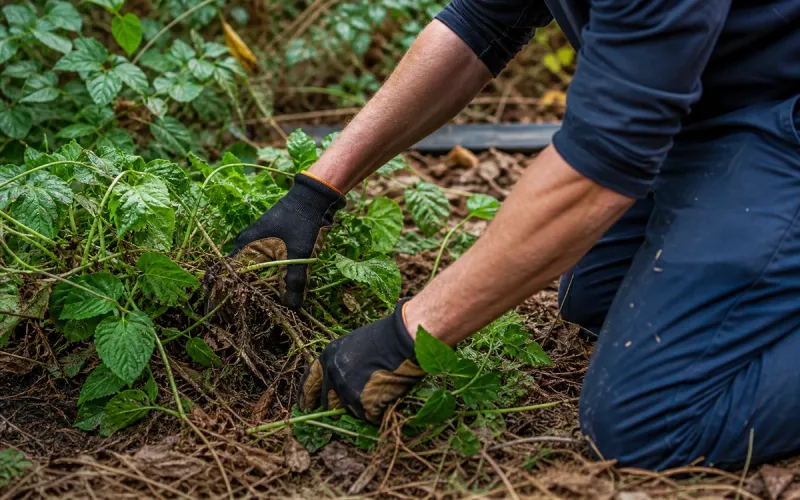
When a vine has only taken hold in a small patch, pulling or digging can be a sensible choice. The catch is simple: you have to get the roots and other belowground parts out too.
Yanking the top growth alone just repeats the cycle you already know.
Soften the soil first, since dry Texas clay fights back. A good soaking the day before makes roots slide out much more easily.
Then work with a trowel or digging fork, following each stem to its base and lifting the root mass rather than snapping it off.
Leftover bits cause trouble with some species. In the Japanese honeysuckle example, Texas Invasives management guidance notes that vines can root at nodes and persist through woody rootstocks, so follow-up checks matter.
A piece of stem left lying on moist soil may start a new plant.
Bag the material and dispose of it with yard waste or trash instead of piling it in a corner of the yard. UGA Extension describes pulling or digging as workable for small infestations when the roots are removed.
Keep your expectations realistic. Even a careful dig may miss a fragment, so plan to walk the spot every couple of weeks through the growing season.
Pull any new shoots while they are small, and the effort stays manageable instead of turning into a repeat of the original job.
For a tangled vine, consider a cut-stem approach
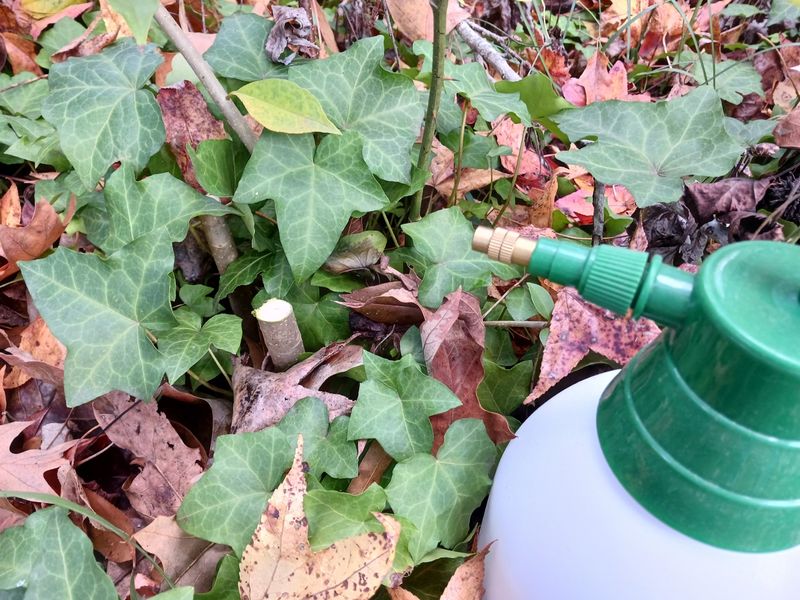
Some vines are too big and too woven into good plants for digging. Think of a thick vine climbing through a hedge or a prized shrub, where spraying the leaves would hit everything around it.
In that situation, a cut-stem approach may fit better.
The idea is to cut the stem near the ground, then treat the fresh cut surface only, as the herbicide label allows. UGA Extension guidance describes this method as a way to limit spray contact with surrounding foliage.
Because the product goes on the cut, not on the leaves, the neighboring plants face less risk.
Whether it works for your vine depends on the species, the product, and the conditions. Not every product is labeled for cut-stem use, and not every vine responds the same way.
Do not borrow a mixing ratio from a friend, a video, or a label for a different product or plant.
Read the exact label of the product you buy. It tells you which plants and sites are allowed, how to apply it, and what protective gear to wear.
The EPA-registered triclopyr label shows how detailed those directions can be, including warnings about drift onto desirable plants and use that goes against the label. Check any local rules too.
Spraying the entire vine is not a safe shortcut when good plants are close by. Treat only the cut, work on a calm day, and leave the cut vine in place on trees or shrubs.
Then watch for resprouts and retreat only as the label permits.
Repeated cutting takes persistence
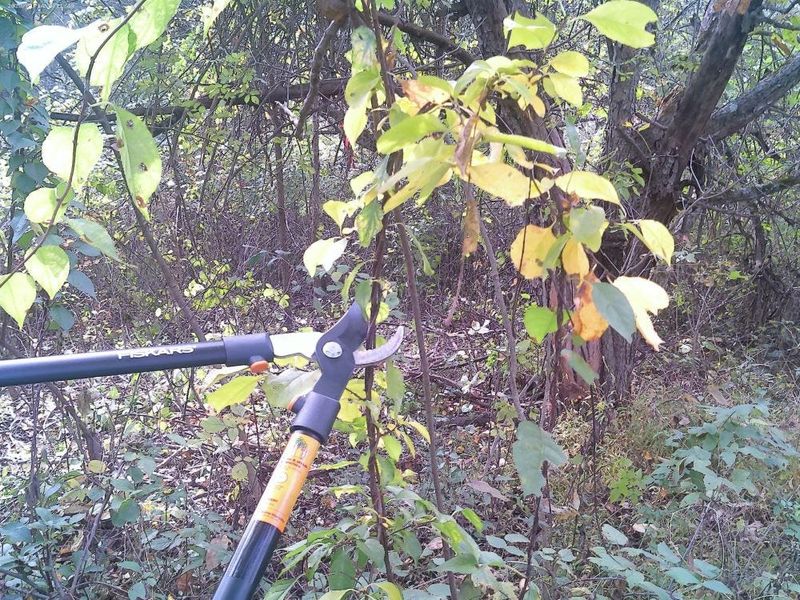
If you would rather skip herbicides, repeated cutting is an option, though it asks for patience. Iowa State Extension explains that frequent, repeated cutting can eventually wear down some perennial vine root systems over several growing seasons.
A single cut is not a dependable fix.
Each time the vine regrows, it spends stored energy from its roots. Cutting again before it rebuilds that energy can weaken it over time.
Mark a reminder on your phone to cut back new growth often through the long Texas growing season.
Timing deserves honesty too. The idea of beating a vine before spring regrowth sounds tidy, but it is not a universal deadline.
Penn State’s woody vine guidance shows that cutting can happen year-round, while the window for treating regrowth with foliar herbicide is seasonal. Best timing depends on the species, the product, and the method.
Penn State also notes that well-developed vines need ongoing monitoring to reach complete control. Plan to check the area regularly after every cut, and keep notes on what comes back and where.
If the vine is climbing a tree, cut it at the base and leave the upper growth in place to die back. Do not pull cut vines down from trees, since that can damage the bark and branches.
Patience, not force, protects the tree.
Protect people, pets, and nearby plants
Any control plan should keep safety in front. Herbicides can harm the wrong plants if they drift or touch leaves you meant to keep.
Spray on calm days, shield nearby shrubs and flowers, and skip broad spraying wherever desirable plants grow close.
Pets and people need protection too. The EPA triclopyr label warns against contact with people or pets and drift onto desirable plants, and it says to keep people and pets off treated areas until the spray dries.
Your own product may have different directions, so read its label and follow it exactly, along with any local requirements.
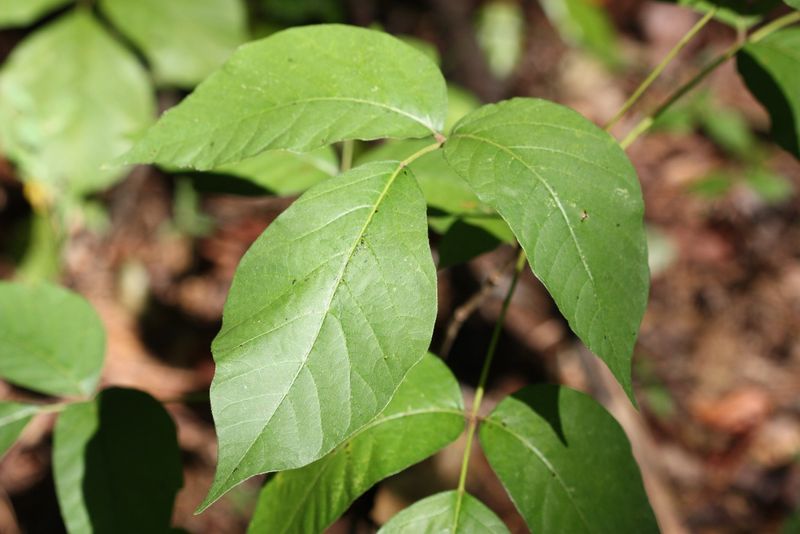
Poison ivy is a special case worth knowing about. Texas A&M AgriLife Extension says urushiol, the rash-causing oil, occurs in all parts of the plant and stays in dry plant material.
Dead vines can still cause a reaction, so wear long sleeves, gloves, and wash tools afterward.
Never burn vines you have not identified. The same AgriLife source warns that smoke from burning poison ivy can cause severe injury if inhaled.
A brush pile is not a safe shortcut.
When in doubt, bag the cut material and send it out with yard waste or trash. If a rash or breathing problem shows up, contact a medical professional.
A careful hour of preparation beats a week of regret.
Build follow-up into the plan

Start with a name for the vine, then match the method to the size of the problem and the spot where it grows. Small patches may suit digging, tangled growth may call for a cut-stem approach, and persistent cutting works for some others.
Texas A&M Forest Service reminds readers to choose which trees would benefit from vine removal instead of targeting every vine.
Japanese honeysuckle is only an example, so it cannot tell you what your plant is. Even Penn State’s guidance calls for ongoing monitoring of well-developed vines.
No single treatment or calendar date guarantees control. The vine that returns is simply asking you to keep paying attention.