
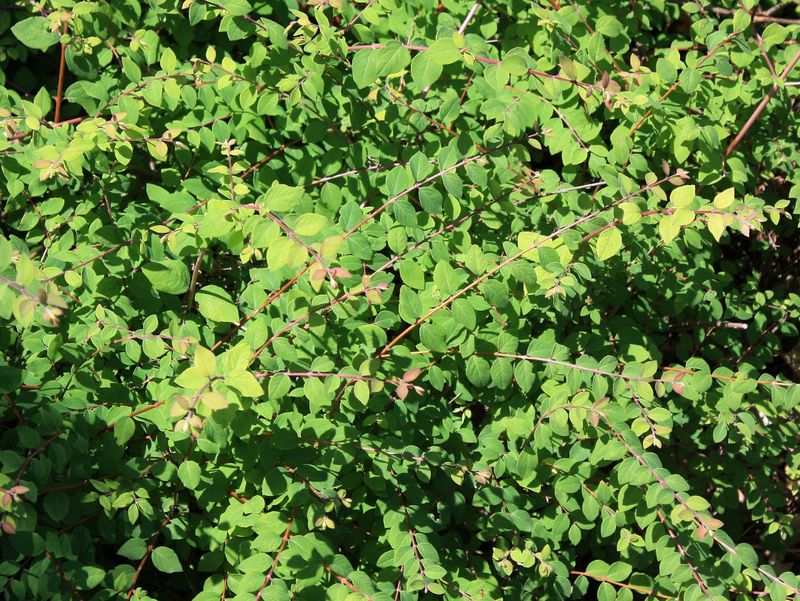
Bare slopes and dry corners can be hard to fill in a California yard. Creeping snowberry is a low native shrub whose branches can root as they spread, which helps it knit together a living cover over time.
It is not magic, and it will not plant itself at every touch of soil. Here is what it does well, where it fits, and what care it still needs.
Creeping snowberry fits the low-growing, spreading description
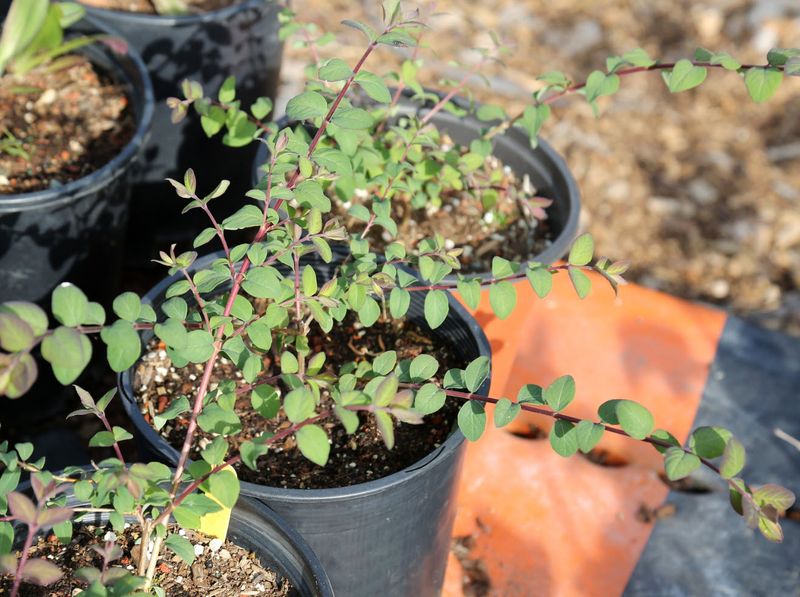
The plant behind this idea is creeping snowberry (Symphoricarpos mollis). It is a low, trailing, deciduous shrub, so it is not a grass and not a strawberry.
Calflora lists it as native to California, and its range also reaches other parts of western North America.
Gardeners like it because it stays close to the ground and spreads outward. UC Master Gardeners in Sonoma County describe it as a groundcover whose branches root as they spread, reaching about 12 inches tall.
They also say it can be completely drought-tolerant once it is established.
That last phrase matters. Drought tolerance belongs to established plants, not to a new planting fresh out of a nursery pot.
A young snowberry still needs attention while its roots settle in.
Rooting needs a little caution too. Branches can root as they travel, often at nodes, but that does not mean every stem that brushes bare soil becomes a new plant.
Think of the spreading habit as a helpful tendency, not a guarantee.
For a homeowner with a slope or a patch that needs cover, creeping snowberry is a useful native to consider. It works best when you expect a shrubby, seasonal cover rather than a mowed, evergreen carpet.
The sections below cover how it roots, where it suits, and what to plan for.
Its branches can root as they spread
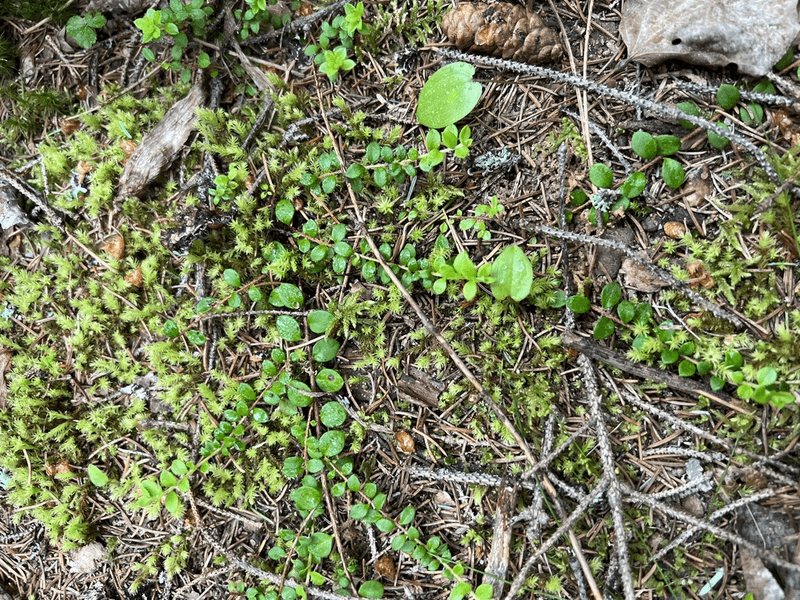
Snowberry spreads by laying its branches along the ground. Oregon State’s plant profile describes this rooting as happening along the branches or at the nodes, the joints where leaves and buds form.
Over time, those rooted spots can anchor new growth and widen the patch.
The popular claim is that every stem touching bare soil plants itself. The sources do not say that.
Rooting depends on conditions, and soil contact alone is not a promise of a new plant.
A practical example: if a branch rests on dry, packed ground, it may simply sit there. A branch that lies on loose, slightly damp soil, especially under a bit of mulch or leaf litter, has a better shot.
You can gently pin a branch down to help the odds, though results will vary.
Do not count on a set speed either. Sonoma County Master Gardeners say it can spread rapidly, but your site, soil, and water will shape how fast a patch fills in.
Check your planting every few weeks in the first seasons. Look for new growth at the tips and signs of roots where branches meet soil.
That tells you more than any rule of thumb.
Its best site depends on local conditions
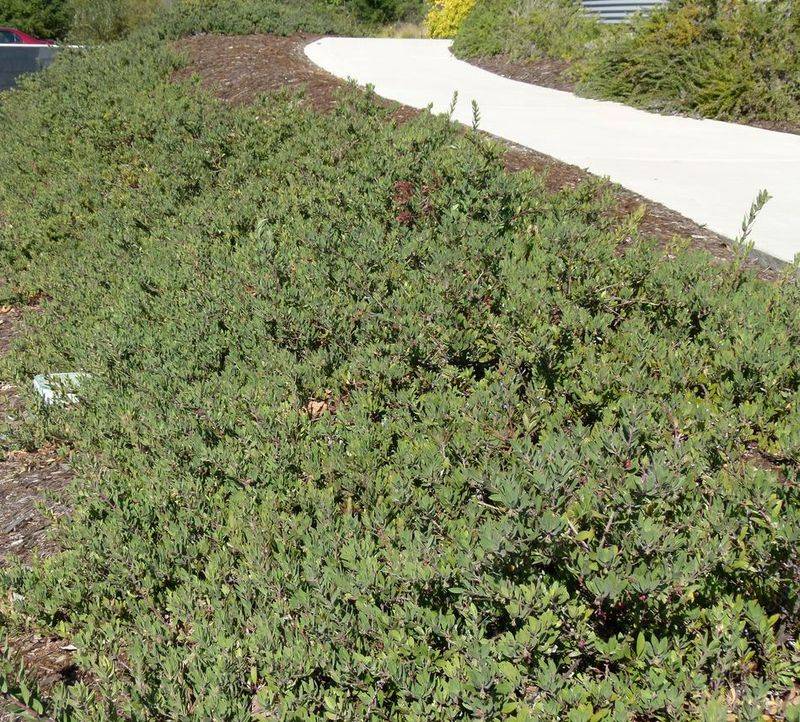
Creeping snowberry grows in more than one kind of place. The U.S.
Forest Service reports it on dry, sunny slopes and also in shady, moist communities. Its range runs from southern coastal British Columbia down to southern California.
That range tells you the plant is not only a California species. It also tells you that a single yard recipe will not fit every site.
In Sonoma County, UC Master Gardeners recommend it for slopes in sun, shade, or part shade, including under oaks. Treat that as a Sonoma County recommendation, not a statewide rule.
Conditions in a coastal fog belt, a Central Valley yard, and a Southern California hillside are very different.
Before buying, look at your own spot. Note how many hours of sun it gets, how fast the soil drains, and how hot and dry summers run.
Then compare that with what the plant tolerates in the wild.
Your next step is to ask a local source. A county Master Gardener office, a native plant nursery, or your regional California Native Plant Society chapter can tell you whether snowberry suits your area and which local forms to look for.
Expect a deciduous plant that needs room to spread
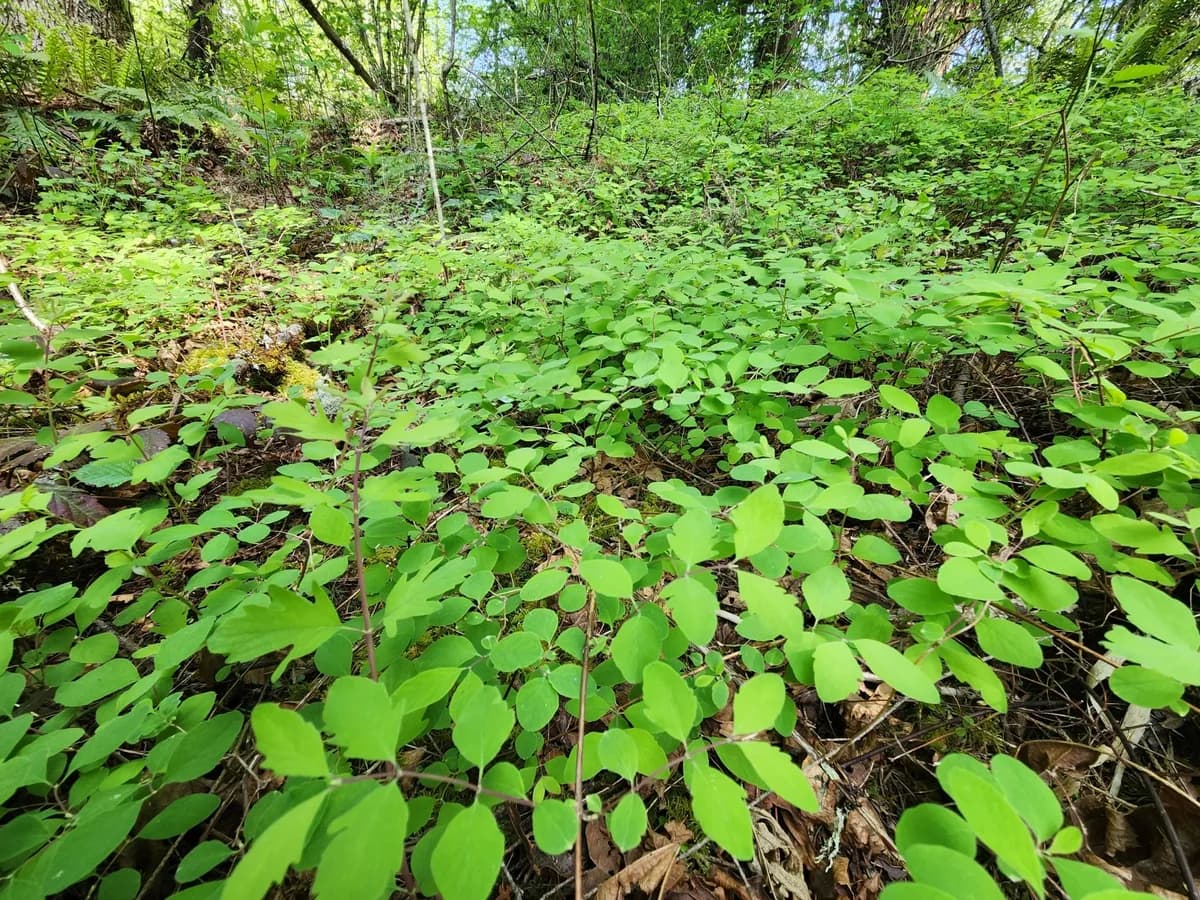
Winter changes the look of this plant. Creeping snowberry is deciduous, so it drops its leaves in the cold season.
Picture a leafy green mass in spring and summer, then a tangle of bare stems later in the year.
That makes it a poor match if you want a tidy, solid green lawn substitute all twelve months. It suits a naturalistic planting better, such as a hillside, a woodland edge, or a spot under oaks.
Spacing matters. Sonoma County Master Gardeners note that it can spread rapidly, so give it room.
Plan a border you can live with, such as a path, a retaining wall, or a strip of mulch.
Monitor the edges once or twice a year. Trim back branches that wander toward beds, walkways, or a neighbor’s fence.
Pulling a few rooted stems is far easier than taking on a large overgrown patch.
Coverage will also vary. A shaded, dry corner with poor soil may fill in slowly, while a spot with better conditions may race ahead.
Plant with patience, mulch between young plants to keep weeds down, and judge success after a couple of seasons, not a couple of weeks.
Drought tolerance does not eliminate establishment care
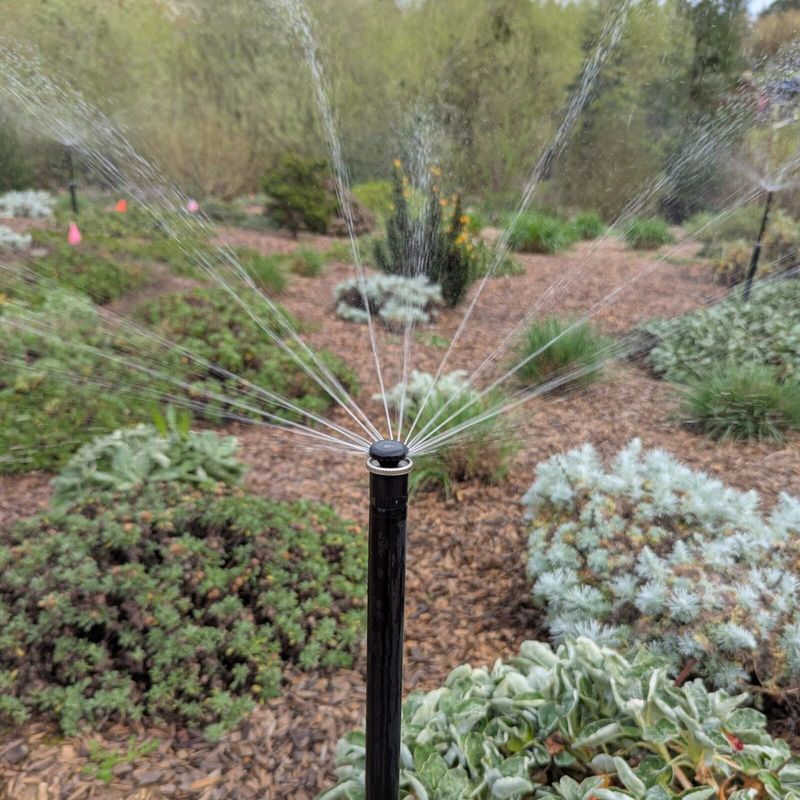
Established and newly planted are two different stages. A snowberry with deep, settled roots can handle dry spells far better than a fresh transplant.
The first year or two is when it needs your help.
California Native Plant Society guidance says newly planted natives need appropriate care. It describes established natives as generally doing best with careful, infrequent summer watering rather than frequent shallow watering.
Deep, occasional soaks encourage roots to go down instead of staying near the surface.
Keep in mind that this is general advice for California natives, not a watering schedule made for snowberry. No source here gives one.
Your soil, slope, sun, and local climate all change how much water a planting wants.
A simple routine can help. Water young plants as they settle in, then stretch the time between waterings as growth picks up.
Watch the leaves for wilting or scorching, and check the soil a few inches down before adding water.
Sonoma County Master Gardeners say snowberry can be completely drought-tolerant, but that is a description of mature plants in suitable spots. Plan on early care, and treat later water savings as a reward.
Flowers and berries provide reported wildlife value
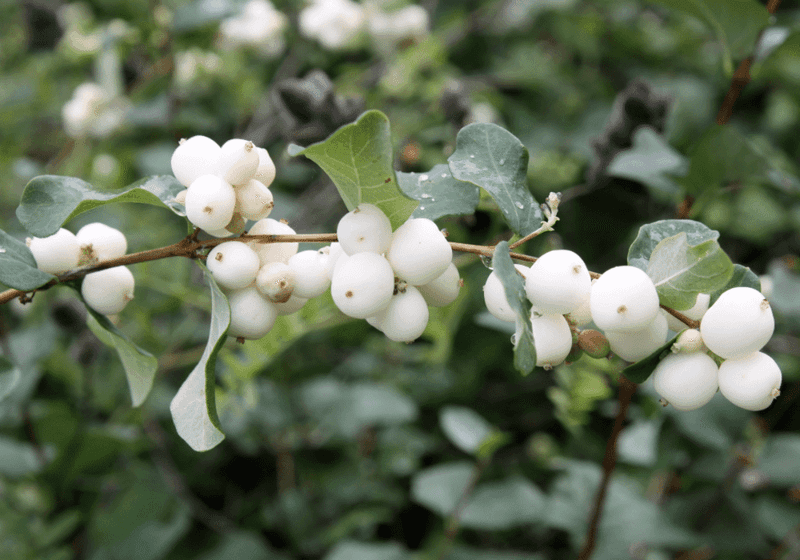
Plenty of yard plants look good and do little for wildlife. Snowberry has a better record.
UC Master Gardeners in Sonoma County report that its flowers attract hummingbirds, bees, moths, and butterflies, and that its white berries feed birds.
If you want a yard that supports pollinators, that is a real plus. A patch that flowers in the growing season gives small visitors a stop, and fall berries can offer food for birds.
Those claims come from the cited guidance, and what you see will depend on your area and the wildlife nearby.
Food for birds is not food for people. Calflora’s species record advises not to eat any part of the plant.
That includes the berries, which look tempting to kids and curious pets.
If children or dogs play in your yard, mention the rule early. Teach kids to look but not taste, and keep an eye on pets that like to chew on plants.
Wildlife value is a bonus, not the main reason to plant. Choose snowberry because it fits your site, then enjoy the visitors it may bring.
Compare snowberry with native strawberries by site and water needs
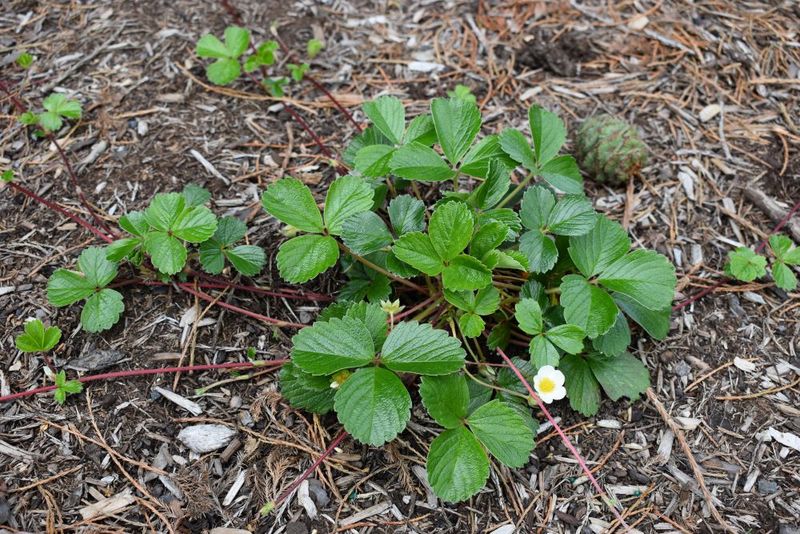
Native strawberries are the other plants people often mix up with snowberry. Fragaria chiloensisF. vesca and also spread across the ground.
They do it with runners that can form new plants, while snowberry is a shrub with branches that can root.
The spreading habit looks alike, but the plants are not interchangeable. Contra Costa County Master Gardeners say coastal strawberry has low to very low water needs, while woodland strawberry may need more water after it is established.
So neither strawberry supports a blanket low-water promise for every site.
Even runner rooting has limits. The U.S.
Forest Service reports that woodland strawberry nodes root when they touch moist substrate. Moisture matters, so soil contact alone does not do the job.
Choose by name, not by a general label like native groundcover. Match the species to your sun, soil, and summer conditions, and ask local experts about it.
Plan on establishment care for whichever one you pick.
A groundcover earns its place by fitting the spot, not by promising to do everything alone.