
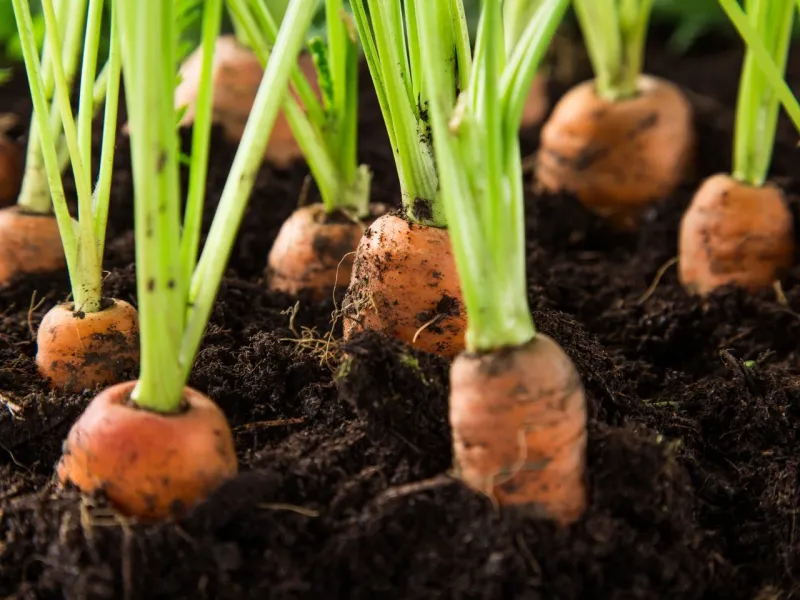
Plenty of gardeners have heard that carrots turn candy-sweet once frost hits them. The truth is a bit more tangled, and it matters if you grow carrots in Florida or Texas.
Cool weather can help flavor, but a frost is not a magic switch. Here is what the research really found and how to decide when to pull your roots.
Cool growing conditions can improve sweetness without a frost
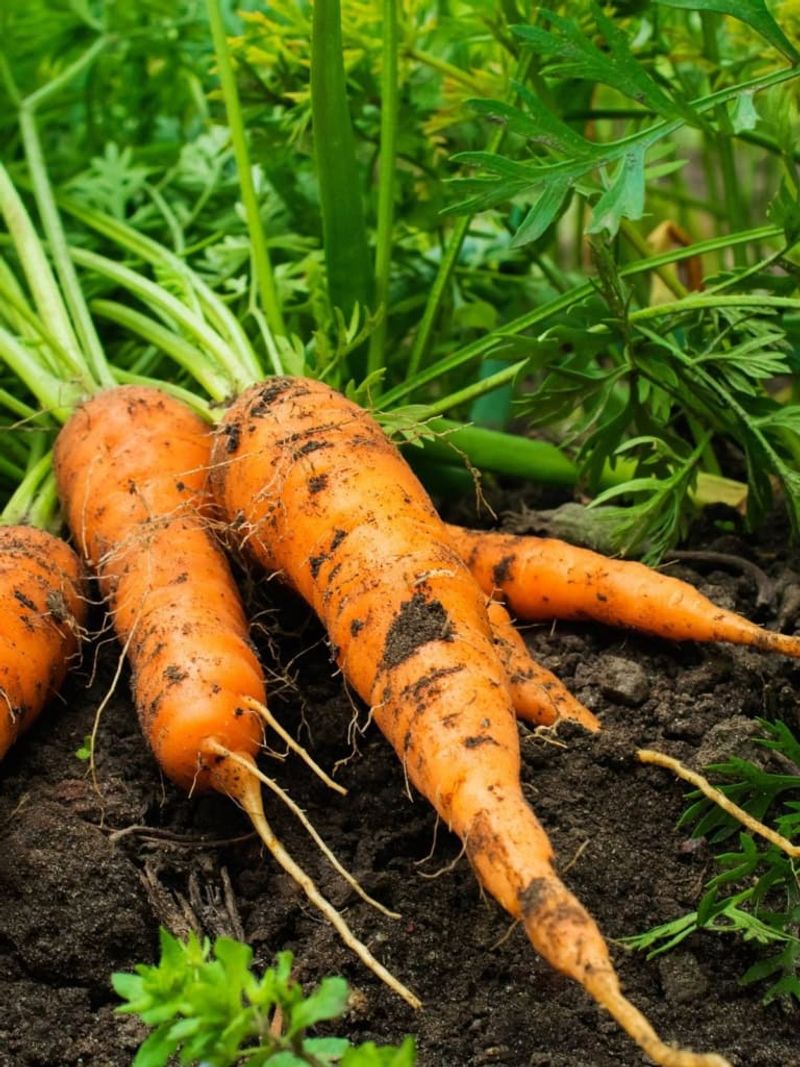
Cool weather and frost are two different things, and the sweetness story starts with the first one. In a controlled temperature experiment, carrots grown at lower temperatures tasted sweeter than carrots grown in warmer conditions.
That is a useful finding for anyone planning a fall or winter bed. Steady, cool growing days appear to nudge flavor in a good direction.
The same work adds two cautions. It did not show that frost caused the change, because the plants were grown at different temperatures rather than frozen.
It also found that the sweetest carrots did not simply have the most total sugar, so taste is not just a sugar count.
So the narrow, supported claim is this: cooler growing conditions can make carrots taste sweeter. Nothing in that result says you need a frost, or that each frost adds more sweetness.
The starch-to-sugar finding came from cold storage
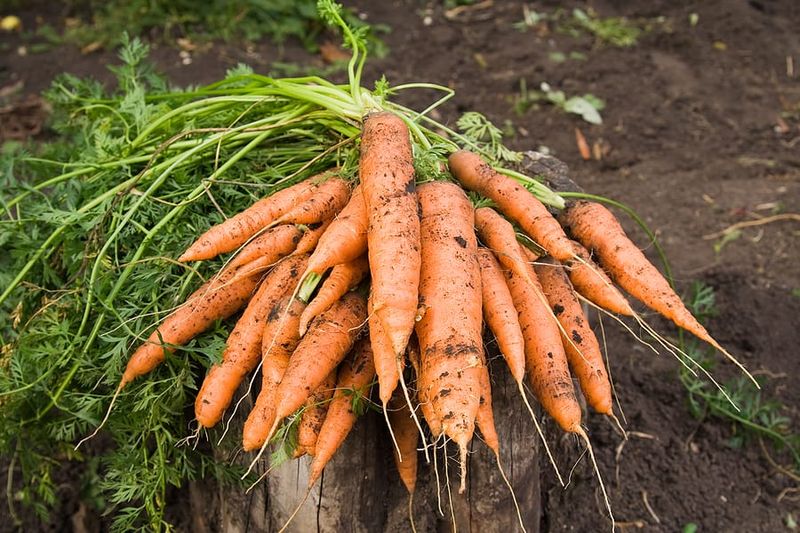
The idea that starch turns to sugar in carrots comes from lab work on stored roots. In a study of starch in carrot roots, researchers held harvested carrots at 2°C, which is a refrigerator-type temperature.
In some high-starch cultivars, starch dropped and sucrose rose during storage. Taste tests also pointed to more sweetness over that time.
Keep the limits in view. The roots had already been dug, and only selected cultivars showed the change.
The authors also note that carrots are traditionally thought of as low in starch.
Nobody tested carrots growing in a garden bed that got hit by frost. Stretching this result to your backyard row, or to every variety, goes further than the study did.
Field results do not show carrots getting sweeter after every frost
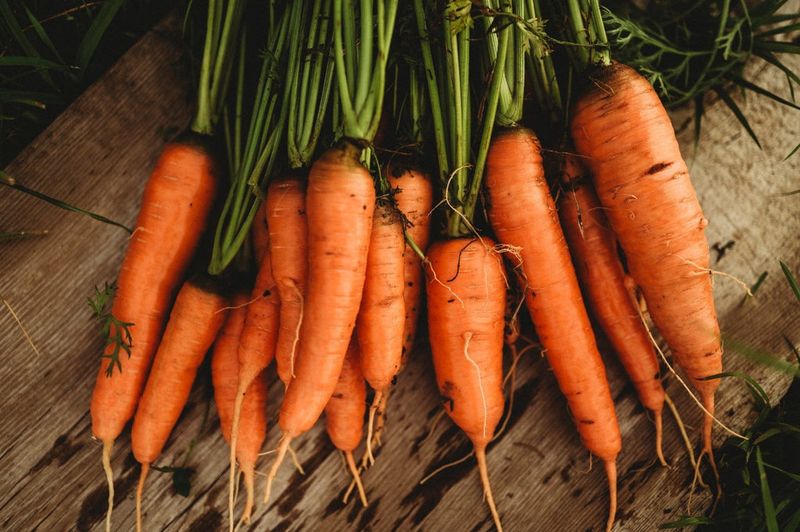
Real fields have been less cooperative than the folklore. In a multi-year harvest-timing study, later harvests improved taste scores at some sites but not at others.
Severe frosts that visibly injured the carrots did not change sensory quality in the reported trials. Waiting through a hard freeze did not buy better flavor.
Sugar content and perceived sweetness also did not line up consistently. A carrot with more measured sugar was not always the one tasters preferred.
For your garden, that means a delay may help, may do nothing, or may simply leave roots exposed to weather. Treat any flavor gain as a possible bonus, and do a taste test of a carrot or two before deciding to wait longer.
Mulch can keep the soil workable for a later harvest
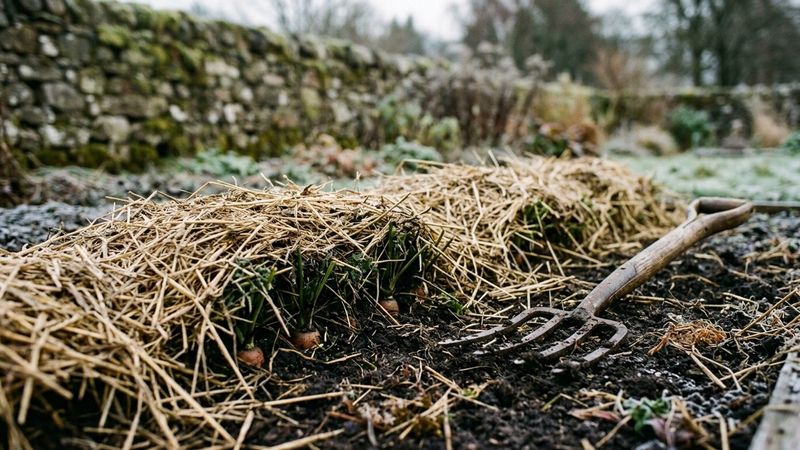
Mulch earns its place as insulation. Illinois Extension advises covering the row with straw or loose leaves, and it gives 6 to 8 inches as a depth that can help keep the soil from freezing solid so roots can be dug into winter.
The extension’s carrot growing guide adds two habits. Keep snow off the row, and dig when temperatures are above freezing.
Notice what this advice promises: access to your carrots, not a flavor upgrade. It is storage in the bed.
It also comes from a place with real winters. How well a leaf blanket works depends on your local cold, your soil drainage, and how often you need to harvest, so adjust the plan to your own site.
Southern planting calendars do not require a wait for frost
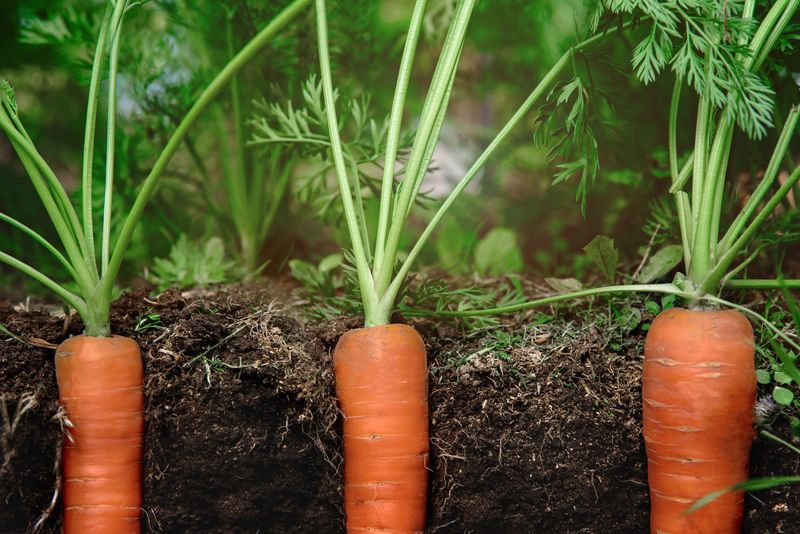
Southern calendars tell a different story than a frost rule. Texas A&M AgriLife Extension says carrots can be grown all winter in many South Texas areas, with a planting window of July through February there.
In other parts of the state, August is the time for fall crops.
Florida runs on a similar clock. UF/IFAS lists August through March for North and Central Florida and September through March for South Florida.
Those windows show carrots as a cool-season crop that grows well without waiting on a frost. In many Gulf Coast and peninsula gardens, a hard freeze may never arrive.
If you garden here, plan by the planting dates and the cool months, then harvest when roots reach a good size and taste right.
Cold tolerance does not make carrot roots frost-proof
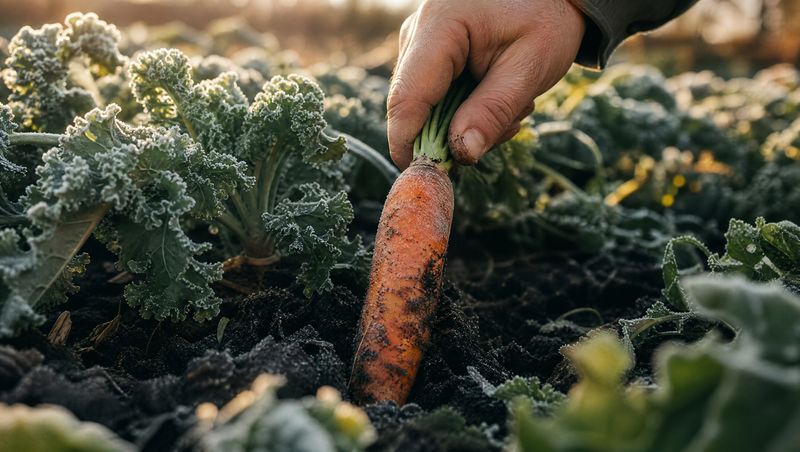
Carrots handle chilly weather, but handling it is not the same as being immune. Iowa State Extension says carrots and other very hardy cool-season vegetables typically take minor damage or recover when temperatures fall to about 26 to 28°F.
That figure describes garden plants.
A different number comes from the postharvest world. UC Davis notes freezing injury in harvested carrots is likely at about 29.5°F or lower.
Those two numbers answer different questions, so neither one is a safe line for every bed. Soil type, moisture, and how long the cold lasts all matter.
Mulch reduces how much the soil freezes, but it does not remove the risk. After a cold snap, check a few roots for soft, damaged spots before counting on the rest.
Choose in-ground storage to fit your conditions
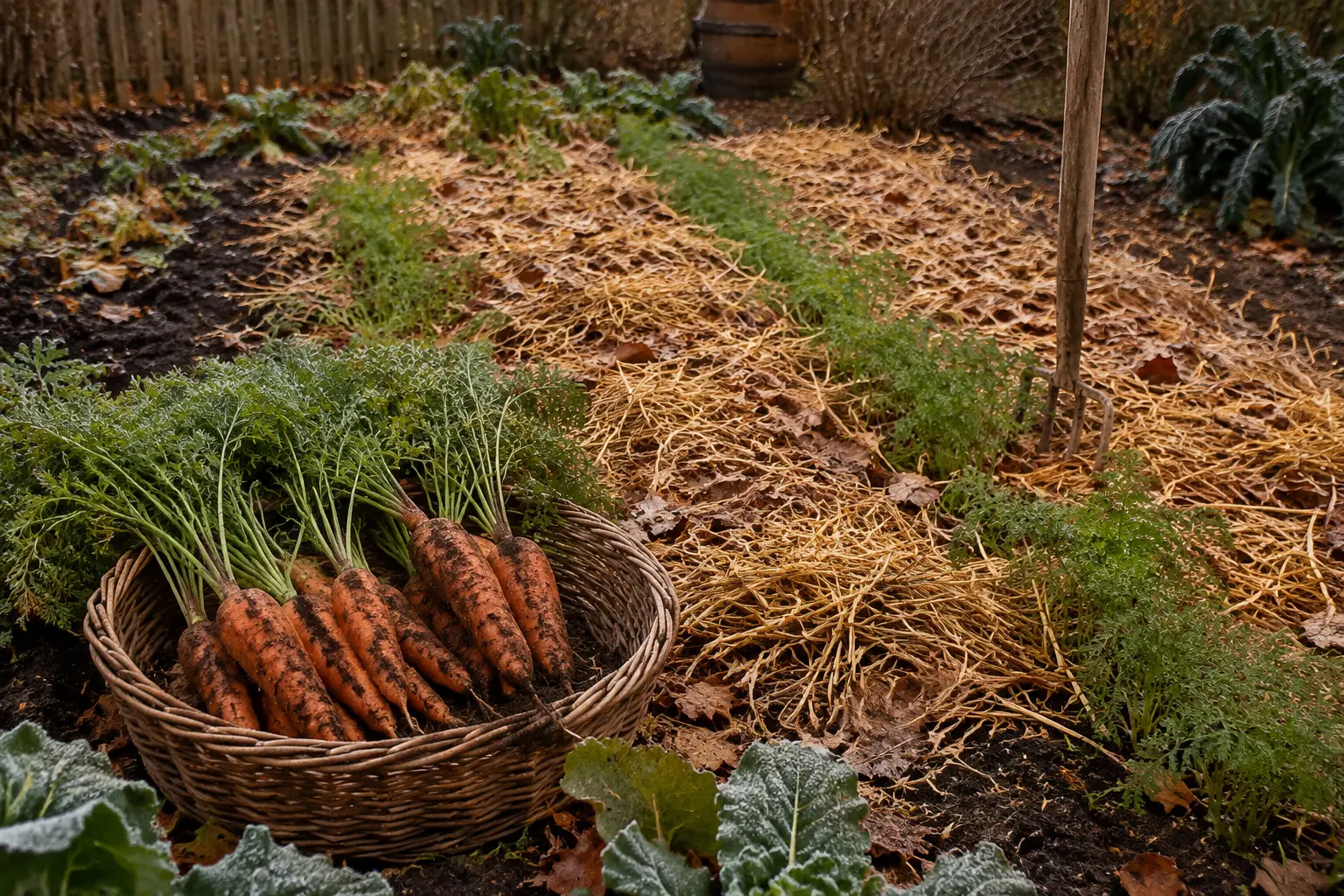
In-ground storage suits you if you can insulate the row, keep the soil workable, and pull carrots a few at a time. Digging sooner makes more sense if your weather swings hard, your soil stays soggy, or you need the bed for something else.
Either way, leaving carrots in the ground is simply storing them. It does not promise more growth or better flavor, and the Illinois mulching advice is about keeping the soil diggable.
Timing matters too. Carrots are biennials, and UF/IFAS notes that roots left into a second growing season can produce flowers.
Think of the leaf blanket as a pantry door you can leave open a while, not a flavor treatment.