
A ripe fig picked warm off your own tree tastes nothing like the ones sold in plastic clamshells at the store. Better still, fig trees handle Southern heat well and ask for surprisingly little once they settle in.
Most fig troubles, like dropped fruit, yellow leaves, or a tree that never produces, trace back to a handful of simple choices. Get those few basics right, and your tree can reward you with sweet harvests for decades.
1. Pick a Variety Bred for Your Climate
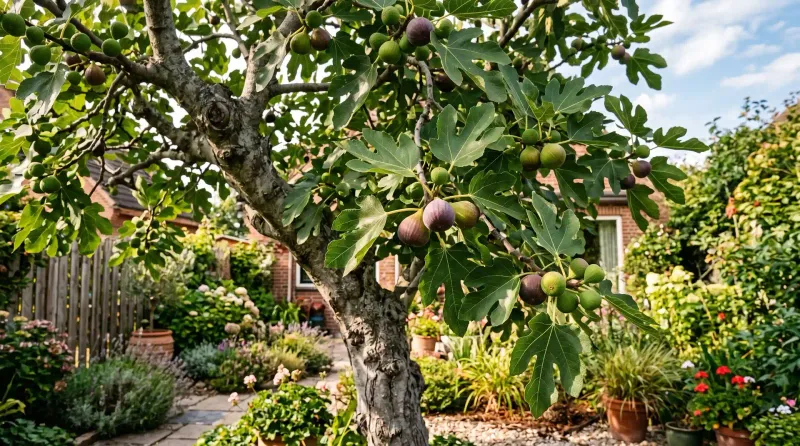
Ask any longtime Gulf Coast gardener about figs, and you will probably hear about Celeste, the little sugar fig that grandmothers grew by the back door. That old favorite earned its reputation by handling heat, humidity, and the odd cold snap without fuss.
Choosing the right variety is the single biggest decision you will make. Many figs sold online are bred for dry California summers and may split or sour in muggy Southern weather.
Look for types with a closed or tight eye, the small opening at the bottom of the fruit, because it can help keep out rain and the dried fruit beetles that spread rot.
For Texas and much of the Southeast, Celeste, Brown Turkey, LSU Purple, and Alma are dependable choices. In Florida, LSU Gold and Brown Turkey often perform well, though nematodes in sandy soil can be a challenge, so many Florida growers plant near structures or use large containers.
Fun fact: Louisiana State University ran a fig breeding program for decades, which is why so many Southern-friendly varieties carry the LSU name. Buy from a local nursery when you can, since staff usually know which figs actually fruit in your area.
2. Give It Full Sun and Some Shelter
Figs are sun lovers through and through. Plant one in a shady corner and you will get a lanky tree with plenty of leaves but very little fruit, which ranks among the most common complaints gardeners have.
Aim for at least six to eight hours of direct sunlight each day. Morning sun matters most, since it dries dew off the leaves early and may reduce fungal problems like fig rust.
In the hottest parts of South Texas and Florida, a bit of late afternoon shade is fine and can ease leaf scorch during brutal August stretches.
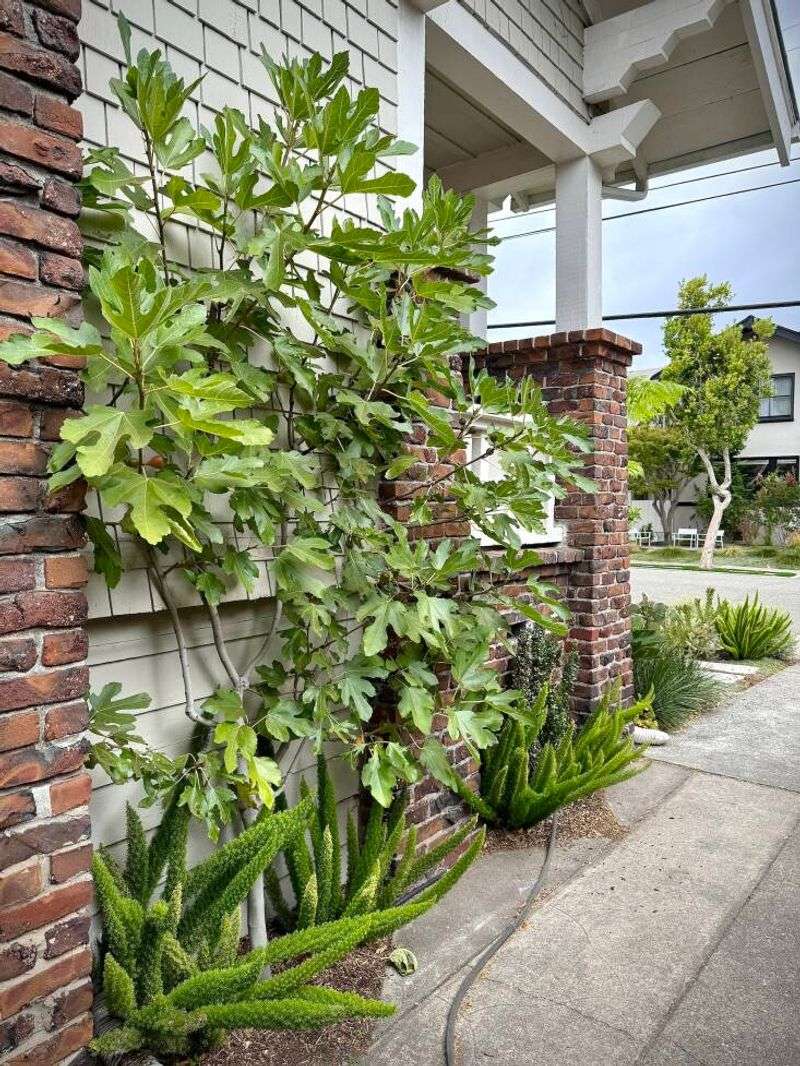
Location also offers protection. A spot near a south or east facing wall soaks up warmth, which can shield young trees during the occasional winter freeze that sneaks into North Texas or the Florida Panhandle.
Walls and fences also break strong winds that tear the big, soft leaves.
Leave room to grow, too. Many figs reach 10 to 15 feet tall and just as wide, so keep them several feet away from foundations, septic lines, and pools.
Their roots travel farther than most people expect, and a little planning now saves headaches later.
3. Plant in Well-Drained Soil
Soggy feet will sink a fig faster than almost anything else. Heavy clay that holds water after storms can starve roots of oxygen, leading to yellowing leaves, stunted growth, and sometimes root rot.
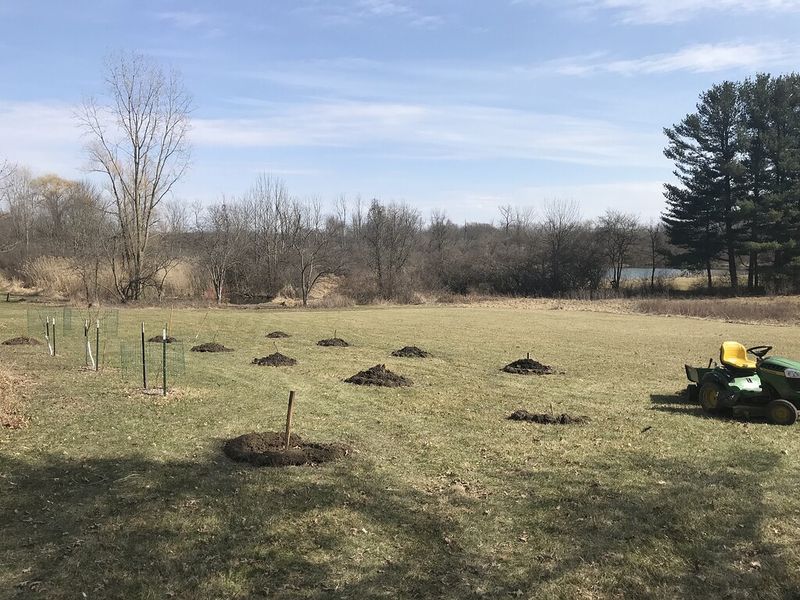
Before planting, dig a test hole about a foot deep and fill it with water. If it still holds water several hours later, plant your fig on a slightly raised mound or in a raised bed so the root zone sits above the wettest soil.
Black clay common around Dallas and Houston often benefits from this trick.
Sandy Florida soil has the opposite problem, draining so quickly that nutrients and moisture slip away. Mixing in compost can help hold water and feed beneficial soil life.
Figs tolerate a fairly wide pH range, roughly 6.0 to 7.5, so most yards work without major adjustments.
When you plant, set the tree at the same depth it grew in the pot, or just slightly deeper. Avoid piling rich amendments only inside the hole, since roots may circle there instead of spreading out.
Backfill with native soil blended lightly with compost, water deeply, and let the soil settle naturally.
4. Water Deeply and Consistently
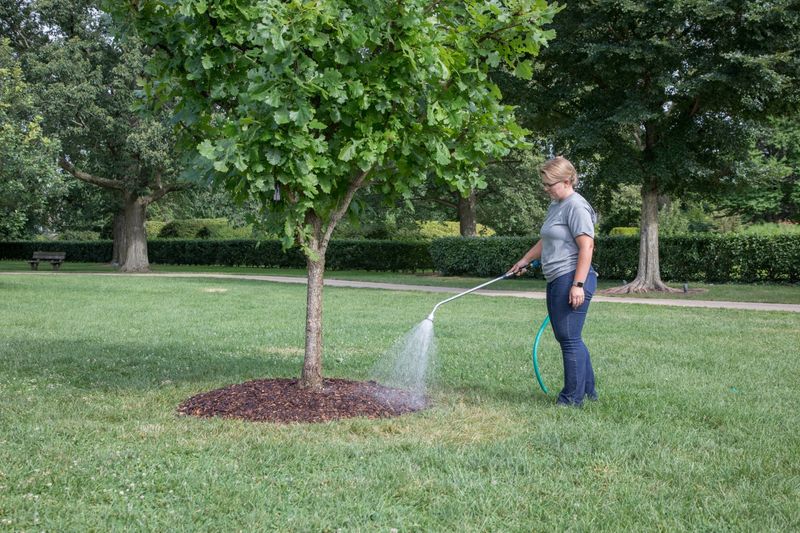
Here is a scene many fig growers know too well. The tree is loaded with small green fruit in June, then a hot, dry week hits and half of them drop to the ground.
Uneven watering often causes that heartbreak. Figs have shallow, spreading roots, so they dry out quickly in Southern summers.
Young trees usually need a deep soak once or twice a week during their first year, and established trees appreciate the same during long dry spells or heat waves.
Deep watering beats frequent sprinkling. A soaker hose or drip line running slowly for an hour or so encourages roots to grow down rather than staying near the surface.
Check by pushing a finger a couple of inches into the soil, and water when it feels dry.
Too much water can cause trouble as well. Heavy irrigation right as figs ripen may lead to split, watery fruit with less flavor.
Once fruit starts softening and changing color, ease off slightly unless leaves begin to droop. Wilting leaves in the afternoon heat that perk back up by evening are usually normal, but morning wilting signals a real thirst.
5. Mulch Generously Around the Roots
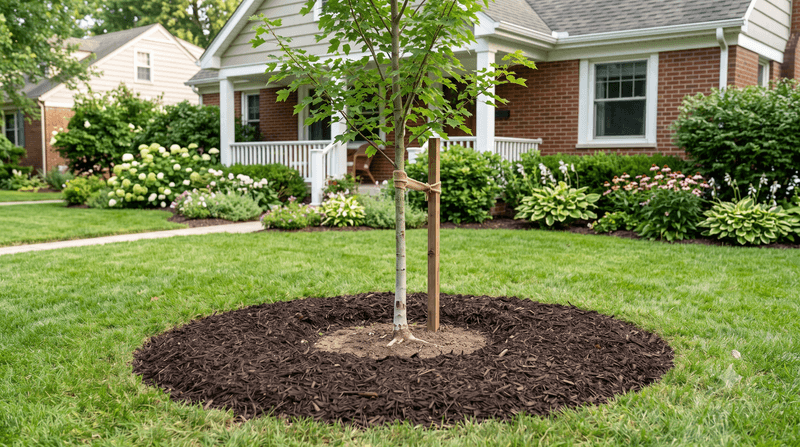
Think of mulch as an inexpensive insurance policy for your fig. A simple layer of shredded leaves, pine straw, or wood chips quietly solves several problems at once.
Because fig roots stay close to the surface, they bake in summer sun and dry out fast. Spreading three to four inches of mulch across the root zone can keep soil cooler, hold moisture longer between waterings, and smooth out the swings that make fruit drop.
It also smothers weeds that compete for water.
In Florida, organic mulch offers a bonus. Some research suggests that thick mulch and added organic matter may help figs cope with root-knot nematodes, tiny soil pests that attack roots in sandy ground.
It is not a cure, but it often gives trees a healthier start.
Spread the mulch wide, ideally out to the edge of the branches, and keep it a few inches away from the trunk. Mulch piled against bark traps moisture and may invite rot or pests.
Refresh the layer each spring as it breaks down, and you will gradually build richer soil too. Few garden chores give back so much for so little effort.
6. Go Easy on the Fertilizer
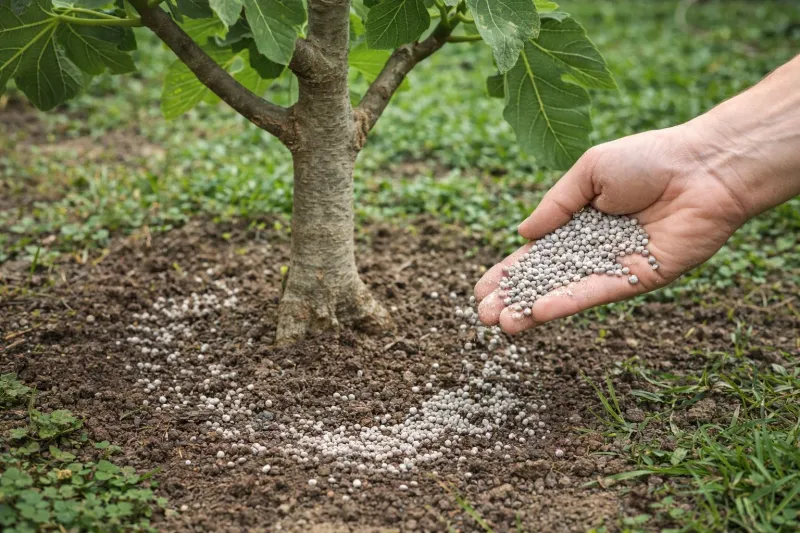
Counterintuitive as it sounds, loving your fig with too much food is one of the surest ways to get fewer figs. Heavy nitrogen pushes big, leafy growth while fruit production lags behind.
Many established figs in decent soil need little or no fertilizer at all. If your tree grows at least a foot each year and the leaves look deep green, it is likely getting what it needs.
Pale or yellowing leaves combined with weak growth may point to a real shortage.
When feeding does make sense, use a balanced fertilizer such as 8-8-8 or 10-10-10 in small amounts. A common guideline is about a pound per year of the tree’s age, up to a modest maximum, split between late winter and early summer.
Sandy Florida soils may need a bit more frequent feeding than Texas clay.
Stop fertilizing by midsummer. Late feeding encourages tender new growth that has not hardened off before cool weather, making it more vulnerable to freeze damage.
Compost spread under the mulch each spring is a gentle alternative that slowly feeds the tree while improving soil, and it rarely causes the leafy overgrowth that synthetic fertilizers can trigger.
7. Prune Lightly and Protect Your Harvest
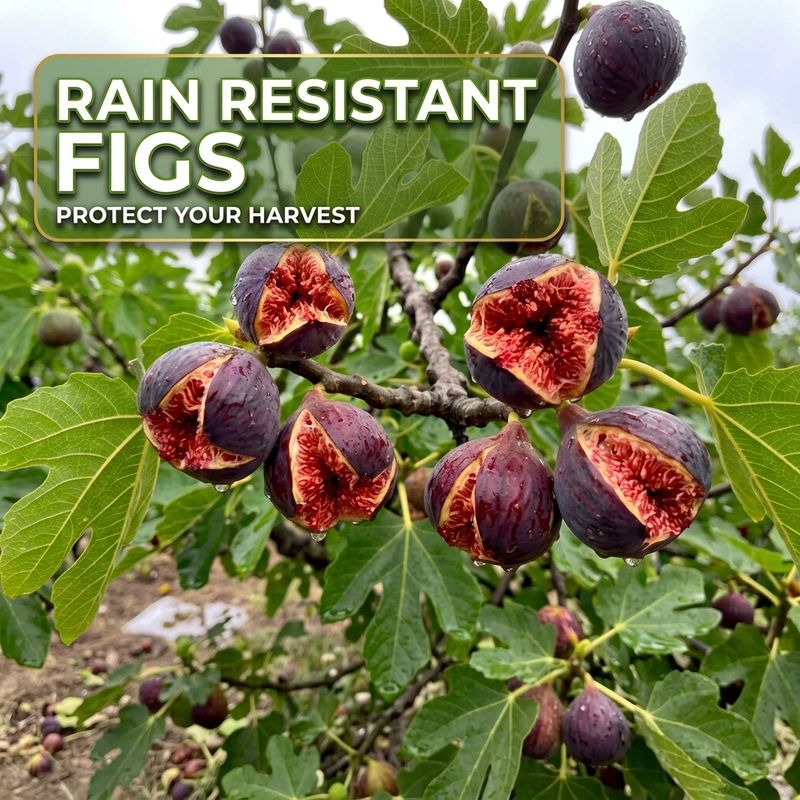
Nothing stings quite like walking out to pick the first ripe figs and finding a mockingbird got there first. Protecting the harvest is the last basic, and light pruning makes it much easier.
Figs do not need heavy pruning. In late winter, while the tree is dormant, remove dead, crossing, or damaged branches and any suckers sprouting from the base.
Keeping the tree shorter, around head height, makes picking simpler and lets you cover it with netting. Avoid cutting everything back hard, since many varieties produce an early crop on last year’s wood.
Birds, squirrels, and even raccoons all love ripe figs. Bird netting draped over the canopy may help reduce losses, and picking fruit as soon as it softens and droops on its stem leaves less for critters to find.
Figs do not ripen further once picked, so wait until they feel slightly soft.
Watch for fig rust in humid late summer, which shows up as small orange-brown spots and early leaf drop. Raking up fallen leaves can reduce next year’s problems.
With these simple habits, your tree can keep producing sweet figs for years.