
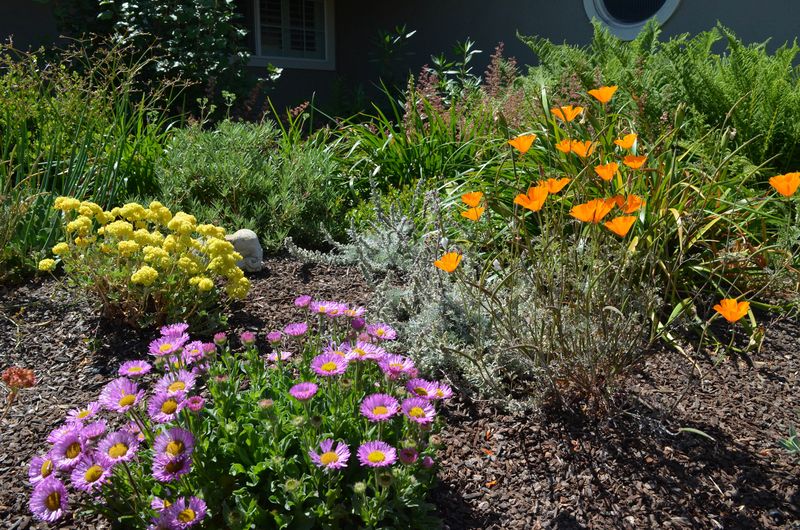
If your shovel bounces off rock-hard ground every summer and turns into sticky glue every winter, you probably have clay soil. Many California gardeners spend money on bags of compost and sand trying to fix it, but plenty of native wildflowers already know how to thrive in it.
Clay actually holds water and nutrients well, which helps tough natives get through long dry summers. Here are ten California wildflowers that bloom happily in heavy clay while feeding bees, butterflies, and hummingbirds in your yard.
1. California Poppy
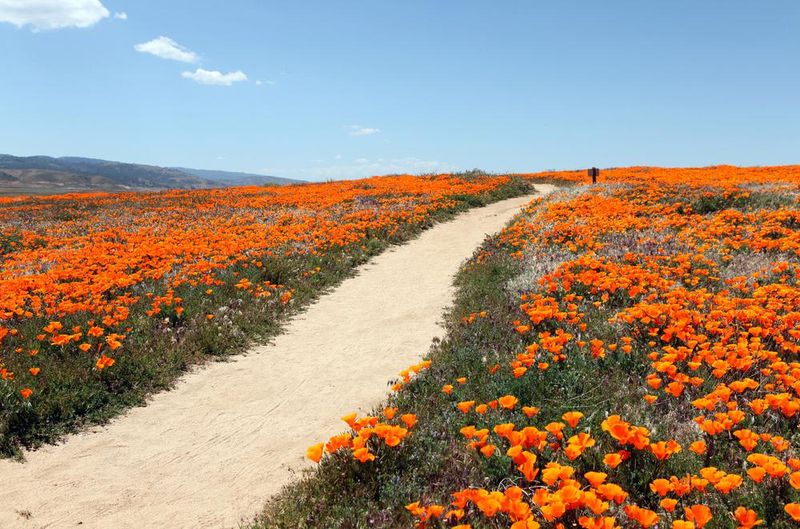
Few flowers announce spring in California quite like a hillside glowing orange. The state flower is famous for growing along roadsides where the ground is compacted and lean, and that toughness carries right into a clay-soil yard.
Scatter seed in fall, just before winter rains arrive, and press it lightly onto the surface. Skip the compost, since rich soil can make poppies floppy with fewer blooms.
Clay holds enough winter moisture to carry them into a long spring show.
Native bees and other pollinators visit the open cups on sunny days. Let some plants go to seed, and you may find a fresh crop popping up next year without lifting a finger.
2. Douglas Iris
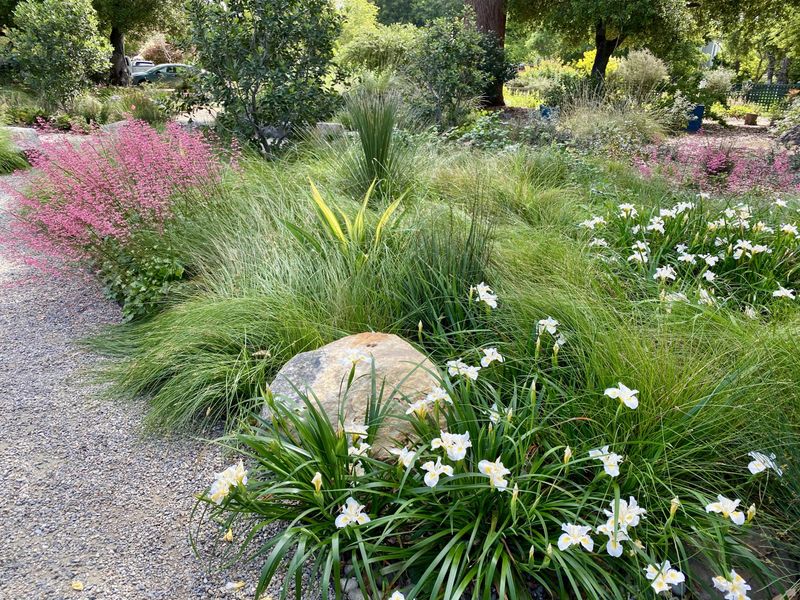
Picture a clump of lavender and violet blooms tucked under an old oak, looking like it has always been there. Douglas iris is a coastal native that handles heavy soil and summer dryness once established.
It does best in part shade in inland valleys and can take full sun near the coast. Plant it in fall so roots settle during the rainy season.
After that, occasional summer water is plenty, and in many coastal gardens it can get by on rain alone.
Bumblebees love the flowers in spring. The grassy evergreen leaves also make a tidy edging along paths where lawn used to struggle.
3. Blue-Eyed Grass
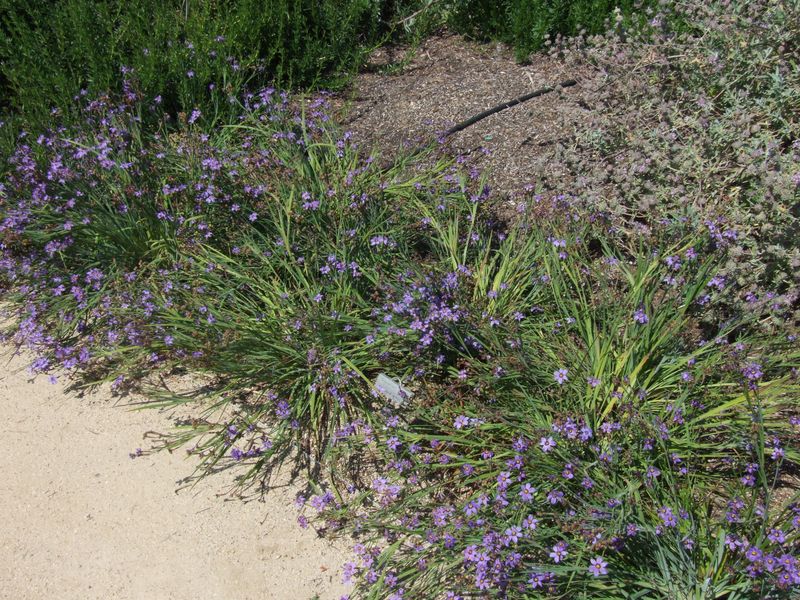
Here is a fun twist: blue-eyed grass is not a grass at all. It belongs to the iris family, which explains those cheerful little purple-blue flowers with sunny yellow centers.
Clay that stays soggy in winter is exactly what it likes. In the wild it often grows in seasonally wet meadows that bake dry by midsummer.
That makes it a smart pick for low spots in the yard where water tends to pool after storms.
Plants go dormant in summer heat, so pair them with something that holds its leaves. They reseed gently and make a sweet lawn-edge accent that native bees will thank you for.
4. California Fuchsia
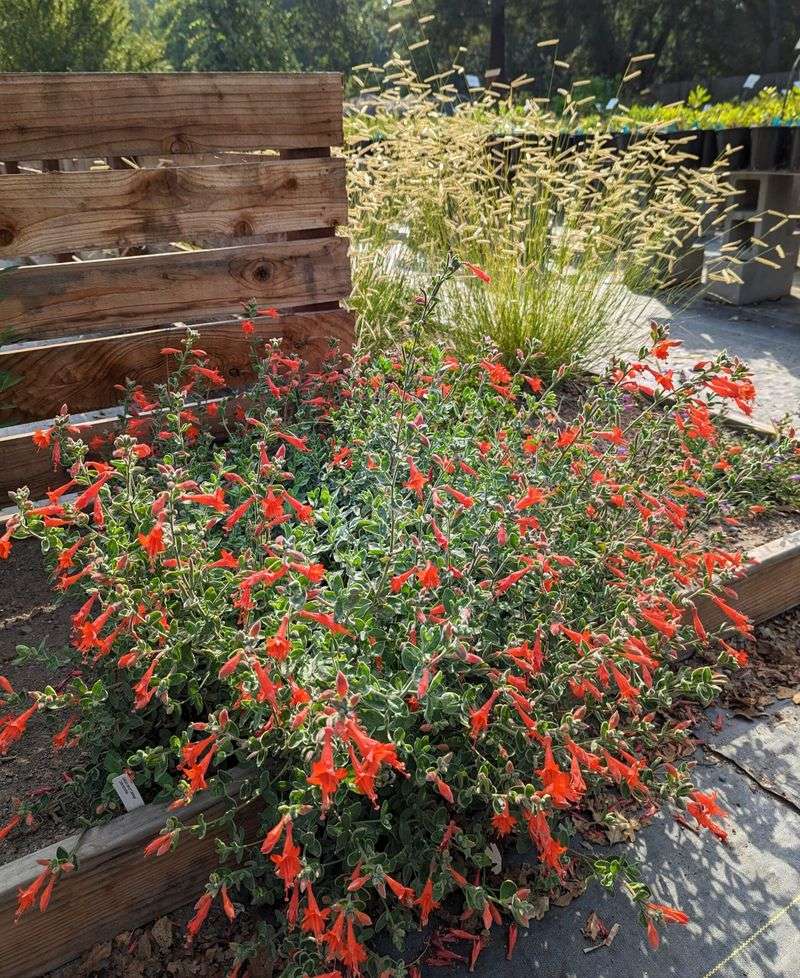
When most of the garden looks tired in August, California fuchsia is just getting started. Its scarlet tubular flowers light up late summer and fall, right when hummingbirds need food the most.
Give it full sun and lean clay soil, and hold back on watering once it is established. Too much water and fertilizer can make it sprawl and flop.
A hard cutback in winter keeps it neat and encourages fresh growth.
Gray-leaved types look great next to boulders or along a hot driveway strip. Some forms spread by underground runners, so give them room or choose a clumping variety.
5. Narrowleaf Milkweed
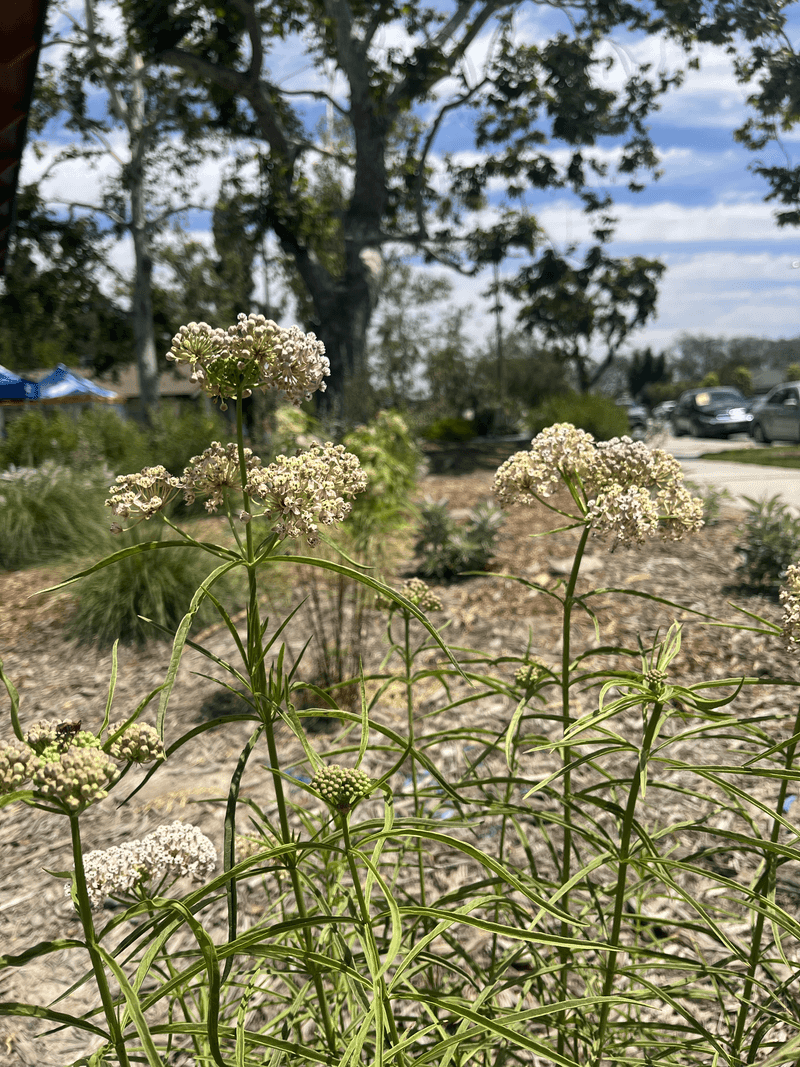
Monarch butterflies have had a rough few decades in the West, and homeowners can help. Narrowleaf milkweed is a native host plant for monarch caterpillars, and it handles clay soil without complaint.
Choose it over tropical milkweed, which stays green year-round and may contribute to disease issues in monarchs. Native milkweed dies back in winter, which follows a more natural cycle.
Plant it in full sun and water lightly through its first summer.
Expect pale pink flower clusters that draw native bees and wasps too. It spreads slowly by roots over time, so place it where a growing patch is welcome.
6. Yarrow
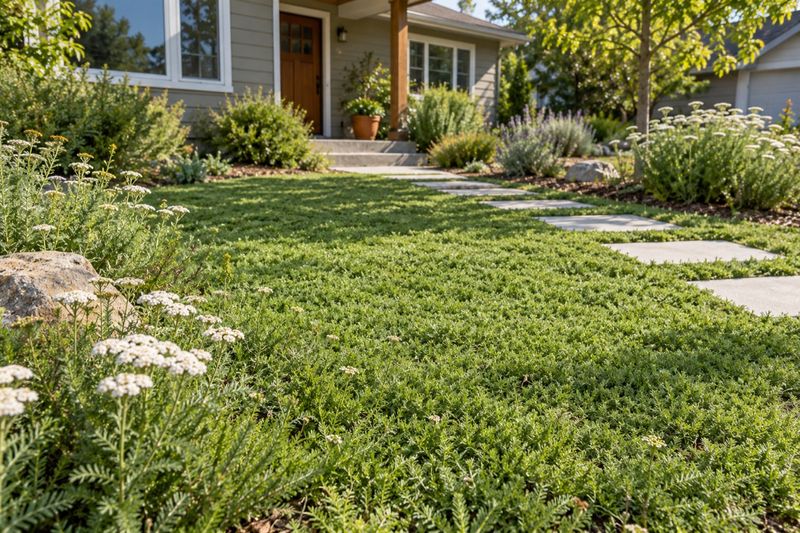
Tough as old boots. Native California yarrow grows from coastal bluffs to mountain meadows, and heavy clay barely slows it down.
Its feathery leaves and flat white flower heads attract tiny beneficial insects like hoverflies and parasitic wasps that help control garden pests. Some gardeners even mow it into a low, walkable lawn alternative that needs far less water than turf.
Plant in sun, water to establish, then cut back on irrigation. If clumps get tall and floppy, a quick shear after bloom tidies them right up.
7. Hummingbird Sage
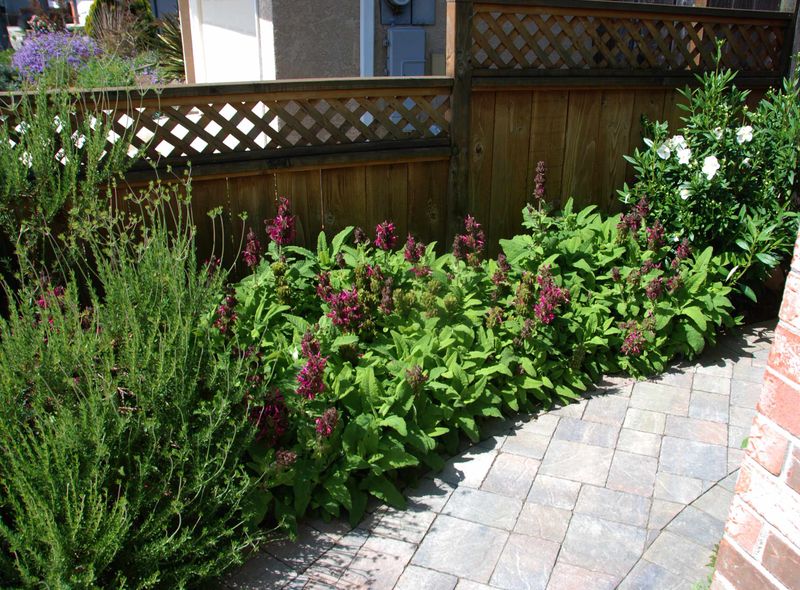
Dry shade under oaks can feel like a dead zone in the garden. Hummingbird sage turns that tricky spot into something special, with magenta flower spikes in spring and wrinkled leaves that smell fruity when brushed.
It spreads slowly into a ground-hugging patch and tolerates clay as long as it is not kept constantly wet in summer. That last part matters, because native oaks can also suffer from summer watering.
So this plant and your oak want the same thing.
Hummingbirds visit the blooms, of course. Its low height makes it handy along shady walkways.
8. Seaside Daisy
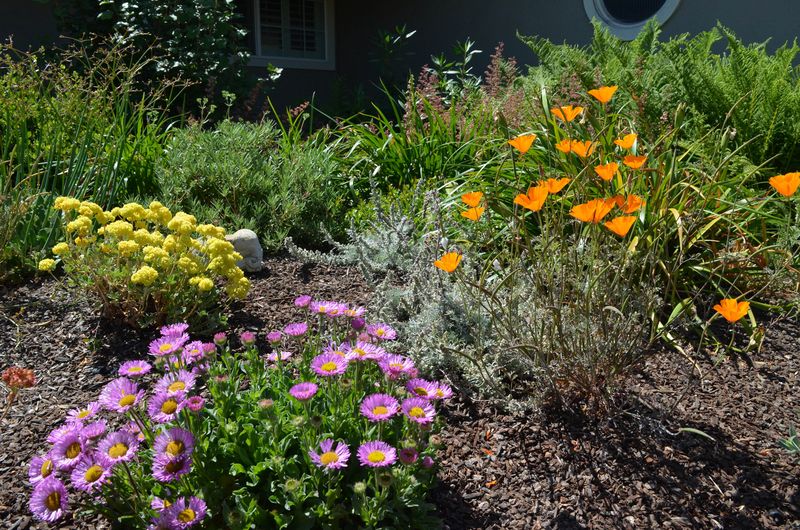
Looking for a cheerful edging plant for the front walk? Seaside daisy forms low mounds covered in lavender-pink, yellow-centered flowers for months.
It comes from the coast, so it shines in cooler coastal gardens and appreciates afternoon shade inland. Clay is fine if the spot is not waterlogged, and a slight mound at planting time can help.
Deadheading old blooms keeps flowers coming.
Bees and butterflies stop by regularly. Since it stays compact, it fits nicely into small front beds where curb appeal counts.
9. Gumplant
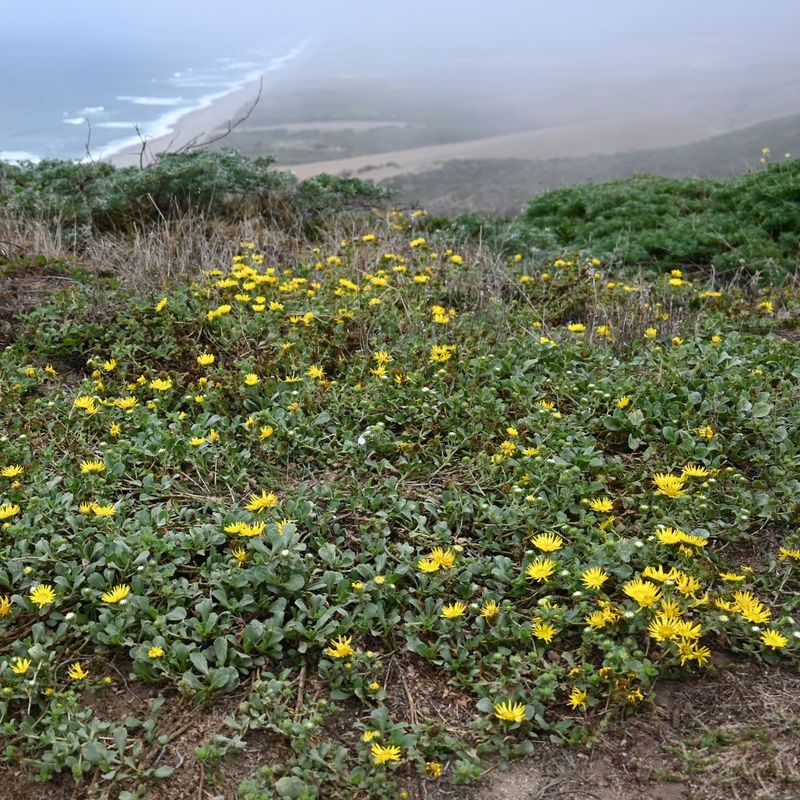
Gumplant earns its name honestly. Its flower buds ooze a sticky white resin that looks almost like frosting, a quirky trait that kids find fascinating.
Native to everything from salt marshes to dry grasslands, it handles dense, poorly drained clay that would rot many plants. Bright yellow daisy flowers appear from summer into fall, long after spring wildflowers fade.
Native bees flock to it during the late season gap. Plant in full sun and give it little water once settled.
10. Showy Penstemon
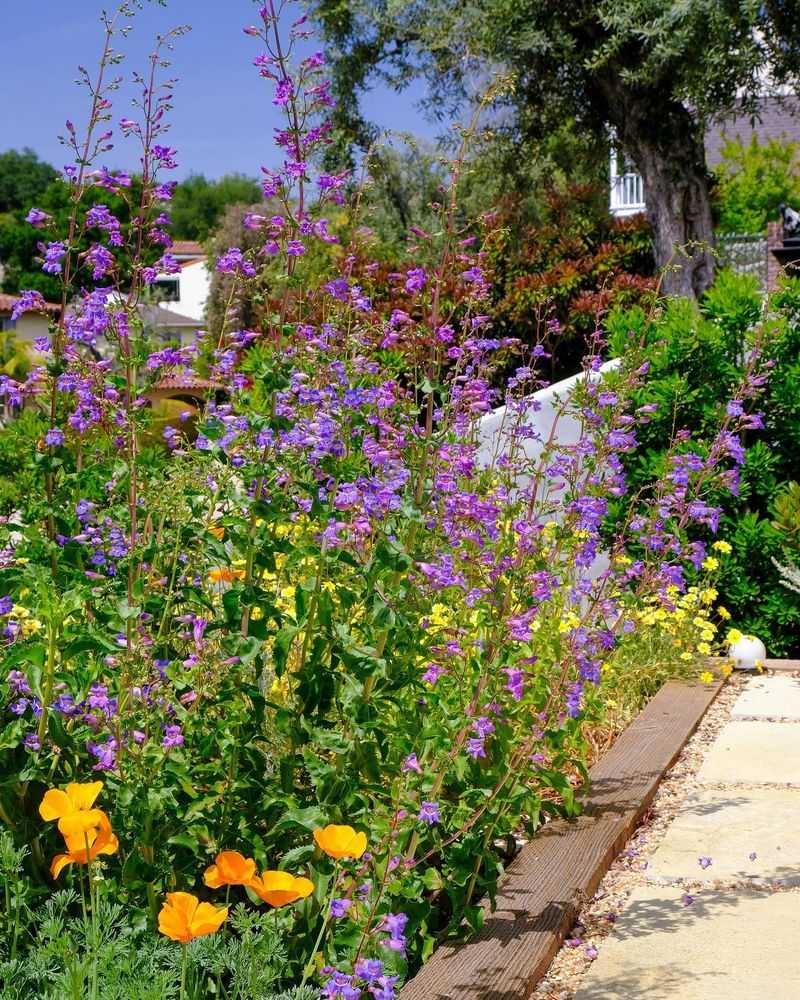
Electric blue flowers are hard to come by, and showy penstemon delivers them in spring. Tall stems of tubular blooms shift from blue to purple and attract hummingbirds and big native bees.
Penstemons can be picky about drainage, so this one takes a little care in clay. Plant on a slope or slight mound, avoid summer overwatering, and skip heavy mulch around the crown.
That is it, no truckloads of amendments needed.
Plants may be short lived, but they often reseed. Let a few seed heads ripen, and new plants may follow.