
Fresh pansies look perky for a week or two, and then some beds start to sag with limp, collapsing clumps. Many gardeners blame the mulch piled around the stems.
Mulch is only part of the story, though, and the real risks are a bit more layered. Here is how to plant, mulch, and water pansies in Texas and Florida so you can spot trouble early and respond calmly.
Keep mulch off the crown as a precaution
Pansies can develop root and crown rot, but nobody has shown that mulch touching a stem causes it all by itself. Those diseases come from soilborne pathogens, and Pacific Northwest plant disease guidance links them to cool, saturated soil and planting too deeply.
So why bother with a mulch-free ring? Mulch packed tightly against a crown can hold moisture there for a long time.
UC IPM guidance on Phytophthora rots points to excess moisture and poor drainage as the main drivers, so leaving the crown exposed is a sensible way to trim one avoidable source of dampness.
Think of that open space as a low-risk habit, not a cure. It cannot remove pathogens from the soil or fix a soggy bed, and it will not guarantee healthy plants.
It works best alongside the planting depth, drainage, and watering habits covered below.
Plant each transplant at its original soil line
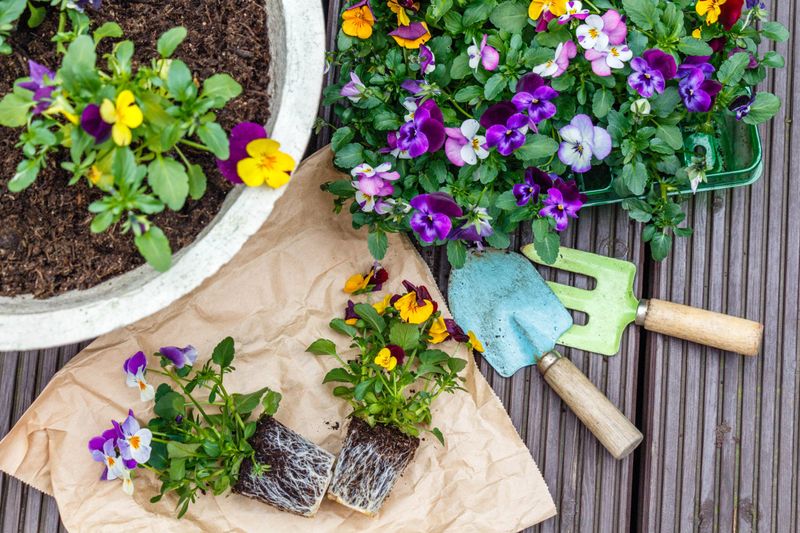
Before you dig, look at the nursery pot. The top of that potting mix is your target, and the finished bed soil should meet the root ball at exactly that height.
Slide the plant out, loosen any tight roots, and set it in so the crown stays above the surface.
Depth matters more than most people expect. Texas AgriLife guidance in a Galveston County newsletter warns that planting pansies too deeply makes them more susceptible to root rot.
That is a separate risk from mulch placement, and one you fully control on planting day.
A quick check helps. After firming the soil, run a finger around the plant and make sure no soil or compost is heaped over the crown, where the stems meet the roots.
If a heavy rain washes soil over it later, gently pull it back. Pansies sitting in a slight rise or bed edge often shed excess water better than those in a dip.
Use mulch without burying the crown
Mulch still earns its place in a pansy bed. UF/IFAS pansy guidance says it helps conserve moisture and insulate roots, which is handy when cold snaps arrive.
University of Georgia pansy advice also recommends mulching the bed, with careful placement around the plants.
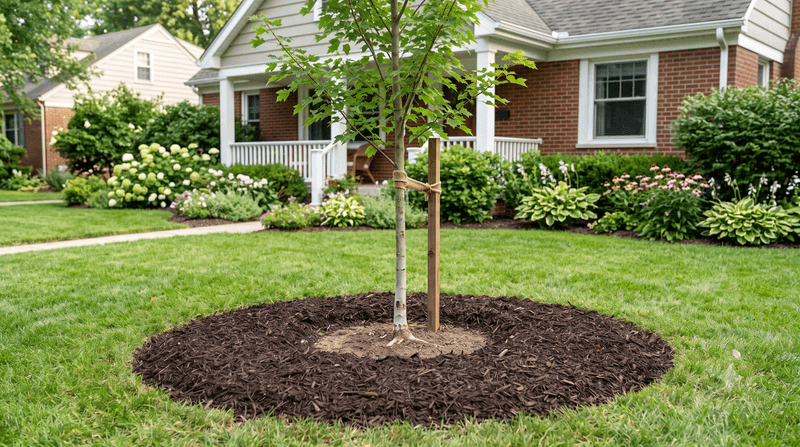
Spread a thin layer across the bed, then pull it back so it does not cover any crown or press against stems. A gloved hand or small trowel works well for tidying the circle around each plant.
No pansy-specific gap measurement has been published, so a visible ring of open soil is enough.
University of Minnesota Extension mulching advice offers the general rule of keeping mulch clear of stems to reduce disease and pest problems. Treat it as good practice, not a promise that rot will stay away.
Manage drainage and watering
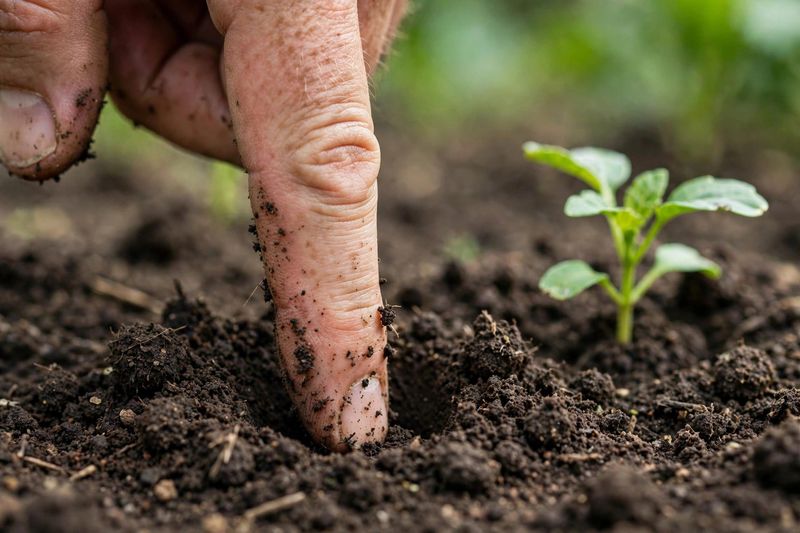
Wet feet cause more trouble than most gardeners guess. Pansies do best in well-drained soil, and UF/IFAS suggests letting the soil dry between waterings.
Heavy clay beds in much of Texas and soggy spots in Florida yards can be improved with compost or by building the bed up a few inches.
Soil that stays cold and saturated is the setting where the disease organisms thrive, according to the PNW Plant Disease Management Handbook. That makes overwatering a bigger concern than any single mulch habit.
Skip the fixed calendar. Push a finger an inch or two into the soil, and water only when it feels dry there.
Water at the base in the morning so leaves dry quickly. Good habits like these can lower the odds of problems, but no schedule can promise a disease-free bed.
Match planting time to your region
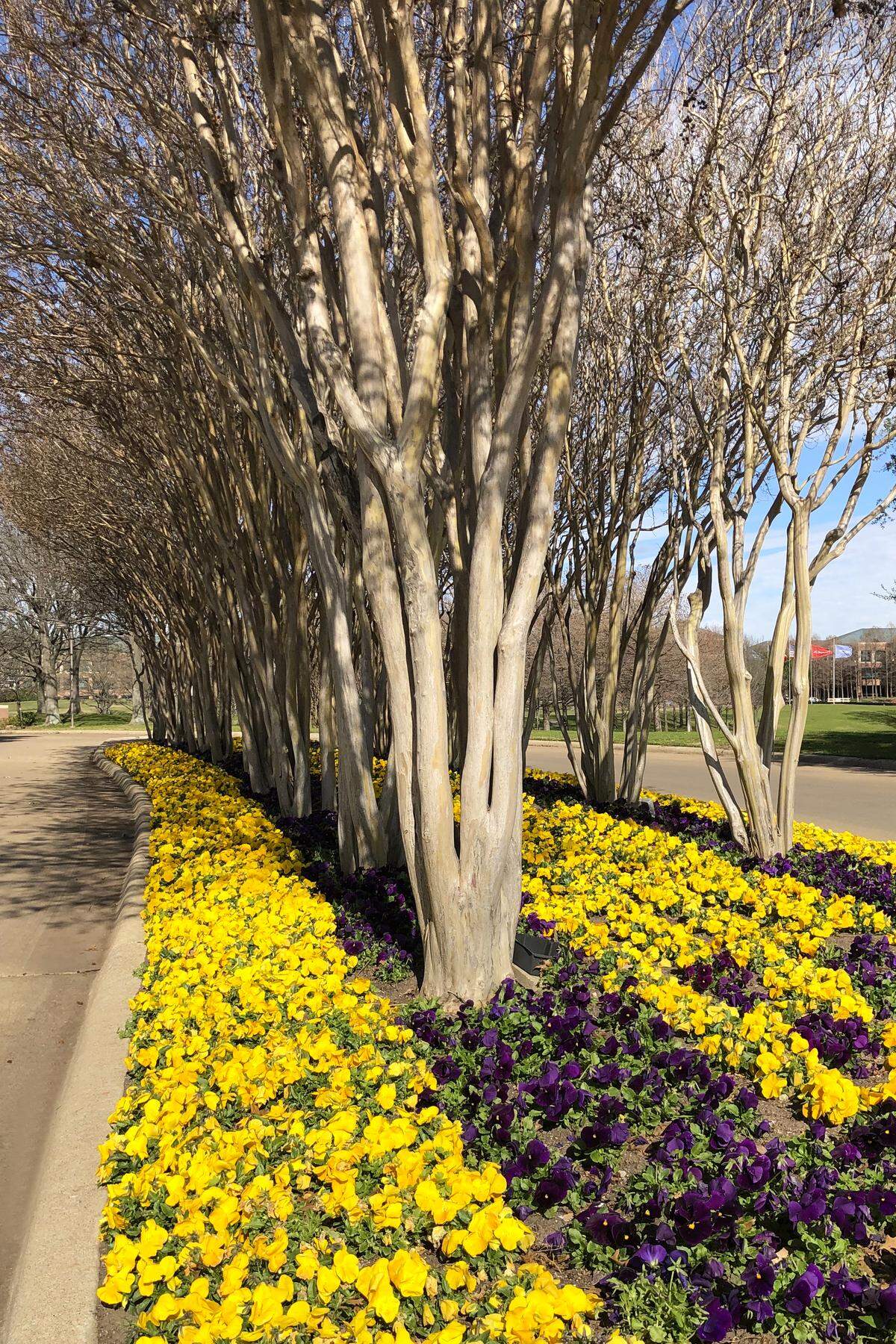
November works in many places, but not everywhere. For Florida, UF/IFAS lists November and December for USDA zones 9 through 11, and October through December for zone 8.
Your zone, not the calendar alone, sets the window.
Texas is its own story. Texas A&M AgriLife seasonal color guidance generally favors fall planting, often late September through October across much of the state.
A Texas AgriLife horticulturist’s advice in the Galveston County newsletter says Upper Gulf Coast gardeners can keep planting into early December.
If you live in the Panhandle, you face a very different autumn than someone in Houston or Miami. Check your local first-freeze timing and soil temperature, and ask a county Extension office when in doubt.
Inspect a collapsing pansy before diagnosing it
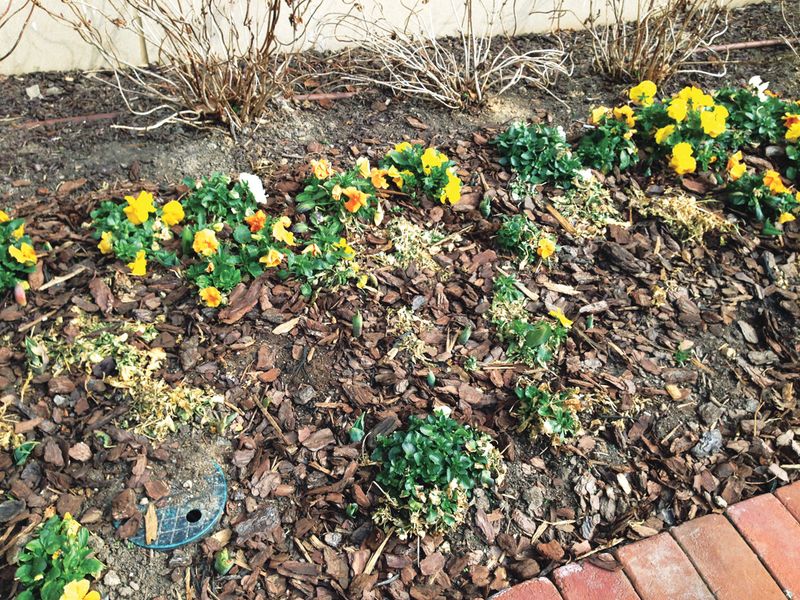
A drooping pansy is a reason to look closer, not proof of rot. Limp, yellowing, or collapsing foliage can come from several problems, so start by checking the soil.
Is it soaking wet, bone dry, or compacted?
Next, lift one plant gently and look at the roots and crown. The PNW handbook describes root and crown rot as causing yellowing, wilting, and collapse, along with brown, water-soaked, mushy roots.
It also notes the problem can be confused with black root rot or fungus gnat feeding. Firm, pale roots point away from rot, while dark mushy tissue raises suspicion but may still need an expert to confirm.
If a plant is confirmed infected, remove it and its debris and throw them away, not into the compost. Then fix the cause by improving drainage and cutting back on excess moisture.
UC IPM home garden guidance centers on these cultural fixes, and fungicide is no universal rescue.
Sometimes the wisest move is the simplest: a plant that flops usually just needs a closer look.