
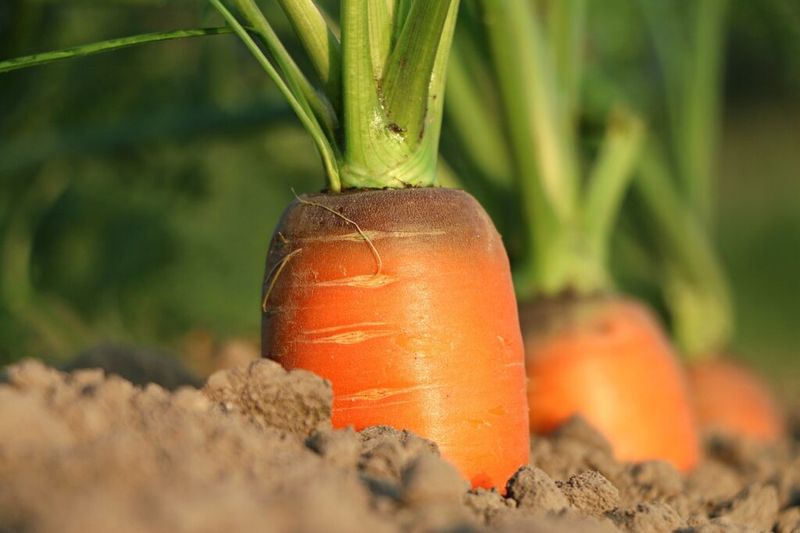
Cold nights in California do something sneaky and wonderful to certain vegetables. As temperatures drop, many leafy greens and roots turn their stored starches into sugars, so they taste sweeter than anything you could grow in July.
Fall and early winter are also when our rains usually return, which means less hose time and less worry about water rules. If you thought planting season was over, these ten crops can still go in now and reward you with some of the best flavors of the year.
1. Kale
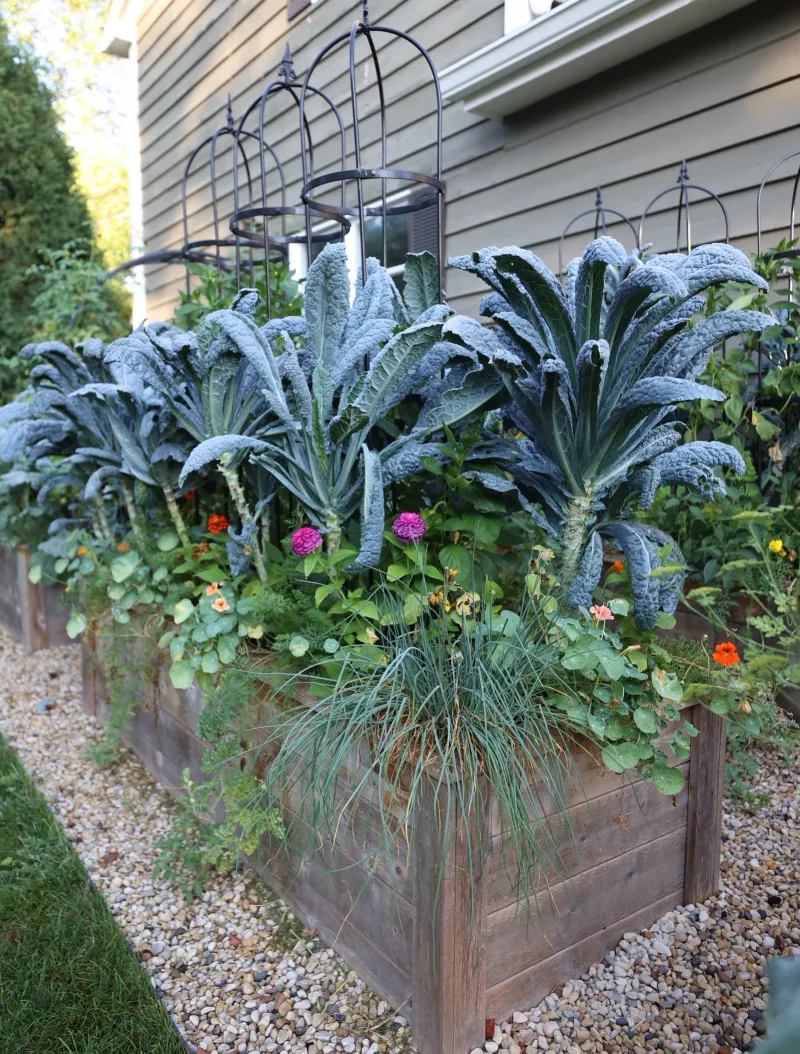
Ask any farmers market grower in Sonoma or San Luis Obispo when kale tastes best, and the answer is almost always the same: after a few chilly nights. The leaves build up sugars as a kind of natural antifreeze, softening that bitter bite many people dislike.
Transplants are the fastest route this late in the season, and they can go in from October through early winter across most coastal and inland valley zones. Lacinato, sometimes called dinosaur kale, handles wet winters well and stands tall enough to keep leaves out of muddy splash.
Harvest the lower leaves first and let the center keep growing. One healthy plant can feed a household for months, and any plants that bolt in spring tend to attract native bees to their yellow flowers.
2. Carrots
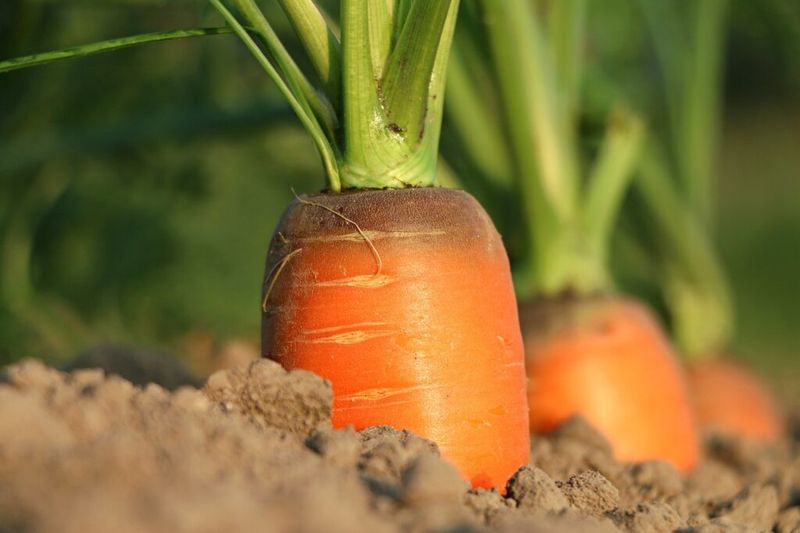
Pull a carrot in August and it may taste woody. Pull one in January after a string of 40-degree nights, and it can snap like candy.
Carrots are best sown directly from seed, since they dislike being moved. Keep the soil surface damp for the first two weeks, which is far easier now that fall rains may help with the job.
A light board or burlap laid over the row can hold moisture until sprouts appear.
Shorter varieties like Danvers or Chantenay are forgiving in heavy California clay. Thin seedlings to about two inches apart, and toss the thinnings into salads rather than wasting them.
3. Spinach
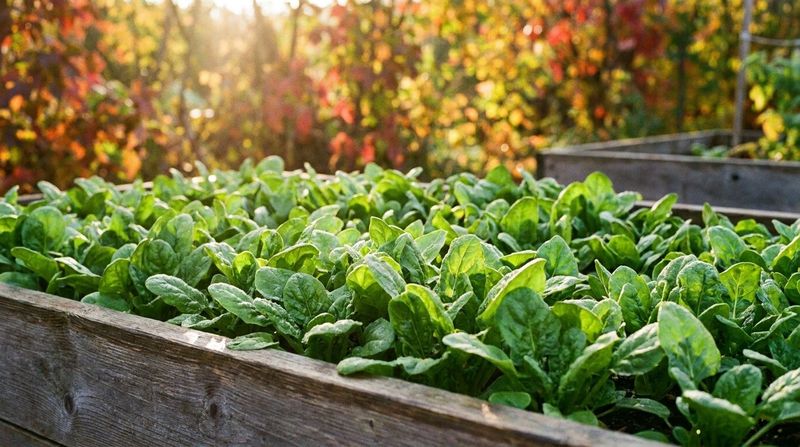
Summer is spinach’s enemy. Long days and heat make it bolt almost overnight, which is why so many Californians give up on it.
Fall flips the script. Shorter days and cool soil keep plants leafy, and frosty nights push sugar into the crinkled leaves of savoy types like Bloomsdale.
Sow seeds every two or three weeks through December in milder areas for a steady supply.
Spinach grows fast, often ready in about six weeks, so it fits neatly into gaps left by pulled tomato plants. A thin layer of compost on top helps the soil hold winter moisture without extra watering.
4. Beets
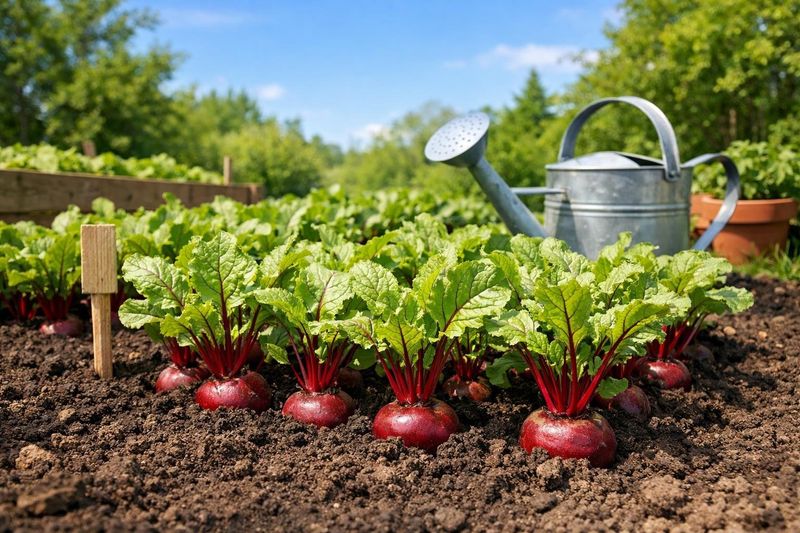
Two crops for the price of one: that is the beet bargain. You get earthy, sweet roots plus tender greens that cook up like chard.
Each wrinkly beet seed is actually a cluster holding several seeds, so expect sprouts to come up in little bunches. Snip extras at the soil line instead of pulling them, which keeps neighboring roots undisturbed.
Cool weather deepens the color and sugar content in varieties like Detroit Dark Red and Chioggia. In inland valleys where nights dip near freezing, roots tend to hold well in the ground, so you can harvest as needed rather than all at once.
5. Broccoli
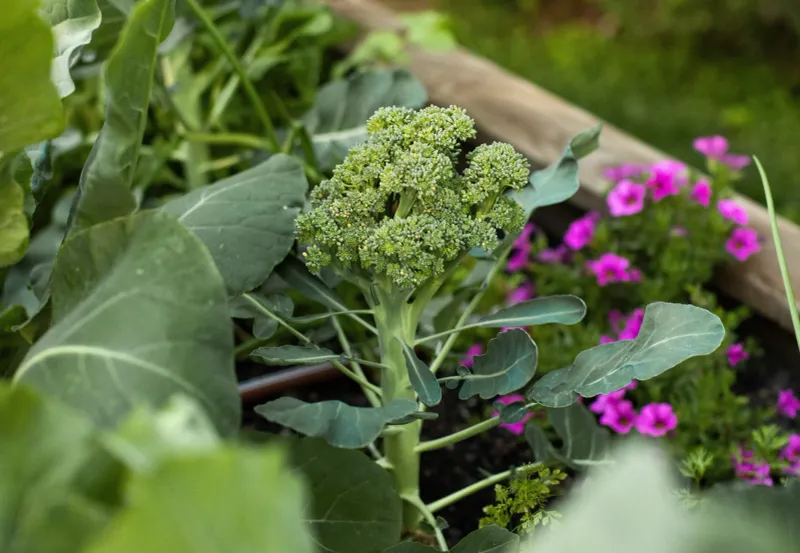
Grocery store broccoli rarely prepares you for homegrown heads cut on a cold morning. The florets are tighter, sweeter, and almost nutty.
Go with transplants at this point in the season, since seeds started now may not mature before spring warmth arrives. Space them about 18 inches apart and feed with compost or a balanced organic fertilizer, because broccoli is a hungry plant.
After the main head is cut, side shoots keep coming for weeks. Watch for cabbage worms, and consider handpicking or using Bt instead of broad pesticides, which can harm the beneficial insects your yard relies on.
6. Turnips
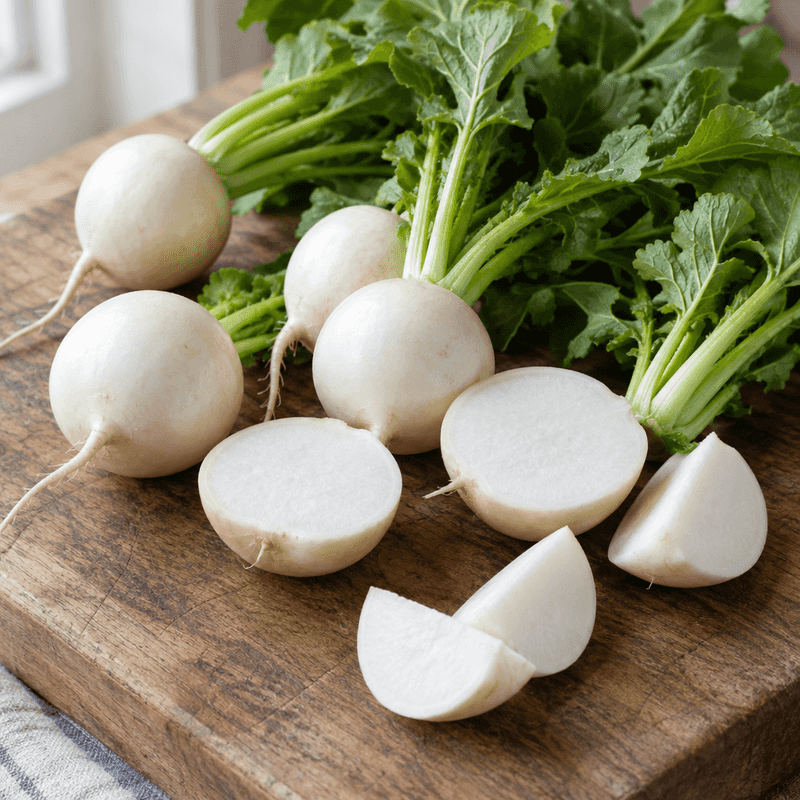
Turnips have an image problem. Many folks remember them as bitter, fibrous lumps from a school cafeteria.
Japanese salad turnips like Hakurei change that story completely. Picked small after cool nights, they are crisp, juicy, and sweet enough to eat raw like an apple, and they can be ready in about 40 days.
Direct sow them now in loose soil and keep them evenly moist. The greens are edible too, with a mild mustard kick that shines in a quick saute with garlic.
7. Swiss Chard
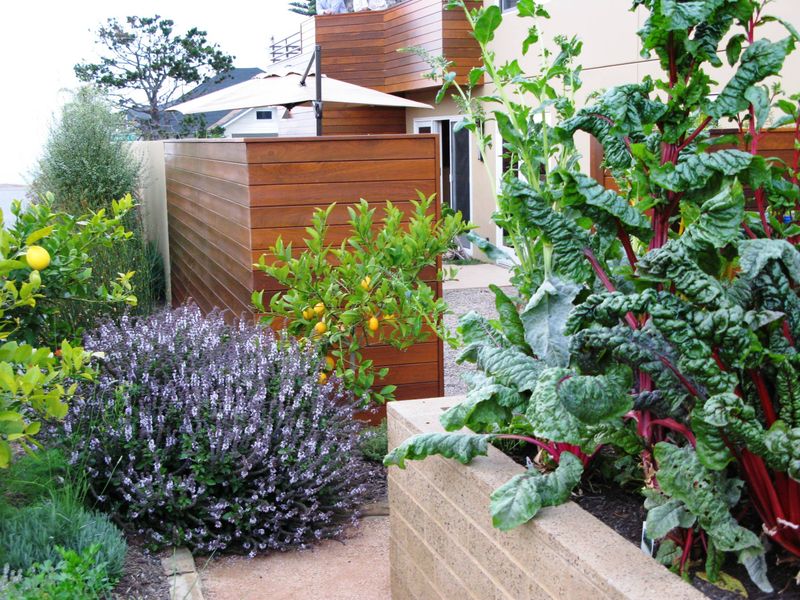
Few vegetables pull double duty like rainbow chard. Those neon stems in red, gold, and magenta look as good in a front-yard border as any ornamental.
Chard is tougher than spinach and shrugs off both light frost and the occasional warm winter spell common in Southern California. Cold weather mellows the earthy flavor, making leaves noticeably milder.
Transplants or seeds both work right now. Cut outer leaves regularly and the plant can keep producing well into spring, giving you a showy, edible accent with modest water needs once established.
8. Cabbage
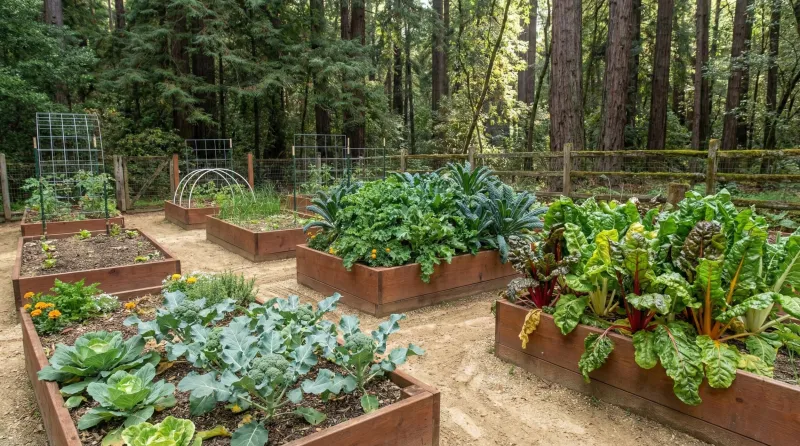
Patience pays off with cabbage. It is one of the slower crops on this list, but a frost-kissed head makes a coleslaw you will remember.
Use transplants and pick quicker varieties like Golden Acre or Early Jersey Wakefield, which mature in roughly 60 to 70 days. Even moisture matters, since uneven watering can cause heads to split.
Red cabbage is a fun choice for color and tends to hold well in chilly weather. Mulch around the base to keep roots cool and cut down on weeds during the rainy months.
9. Lettuce
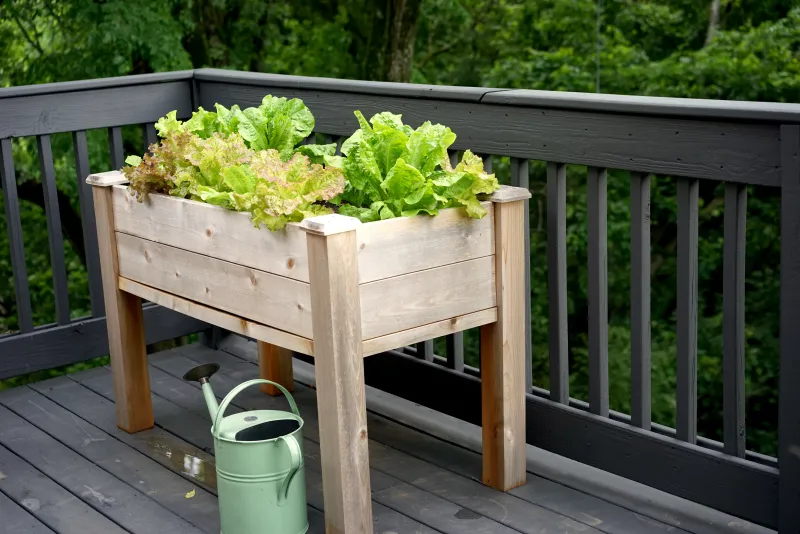
Here is a crop for anyone short on space. Lettuce thrives in pots, window boxes, and patio containers, and fall is when it truly behaves.
Loose-leaf mixes can be sown right now and cut as baby greens in about a month. Cool nights keep leaves crisp and slow the bitter milky sap that shows up in hot weather.
Sow a short row every couple of weeks for steady salads. If a hard frost is forecast in inland areas, a simple frost cloth draped overnight usually protects the plants.
10. Garlic
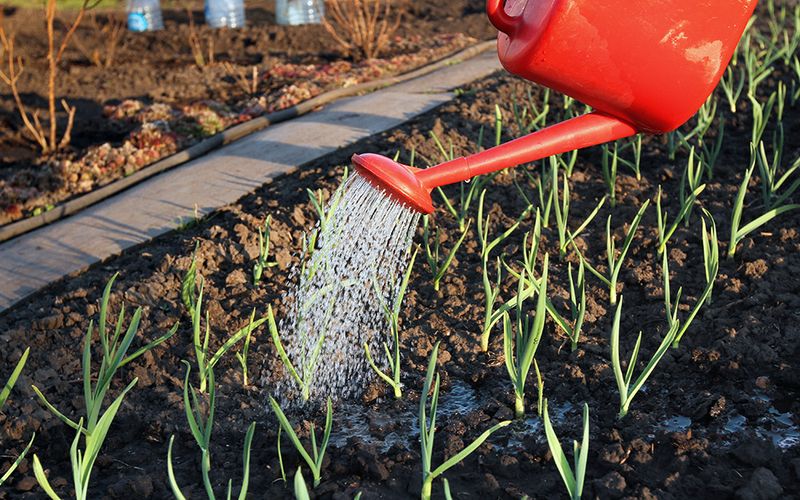
Garlic is the long game of the cool-season garden, and late fall is exactly when it belongs in the ground. Plant now, and you will be braiding bulbs by early summer.
Winter chill is actually required for many garlic types to form proper bulbs, so our cool months are an ally rather than a hurdle. Softneck varieties like California Early and California Late are well suited to mild climates across the state.
Set cloves pointy side up, about two inches deep, then mulch with straw. Winter rains often handle most of the watering, making garlic one of the most water-wise crops you can grow.