
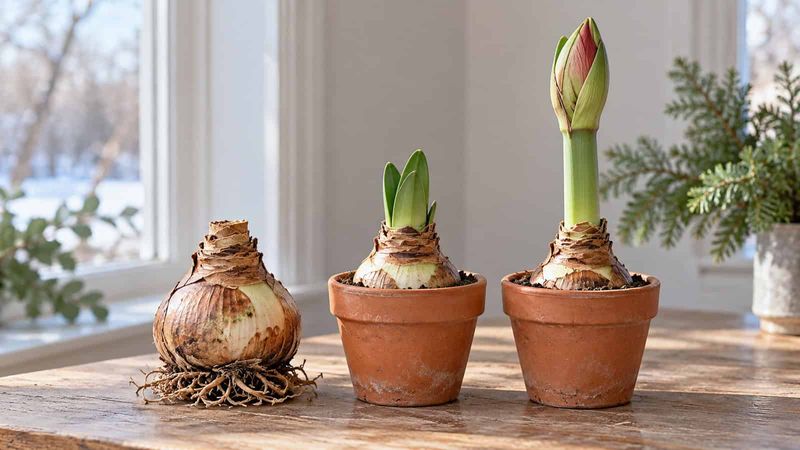
A potted amaryllis bulb can look like a lump of nothing, even when it is ready to grow. With the holidays about seven weeks away, a quick restart may give it a shot at flowering in time.
The steps are simple: a pot that drains, a first drink of water, warmth, and bright light. Here is how to wake it up and what to expect along the way.
Christmas blooms are possible, but the window is tight
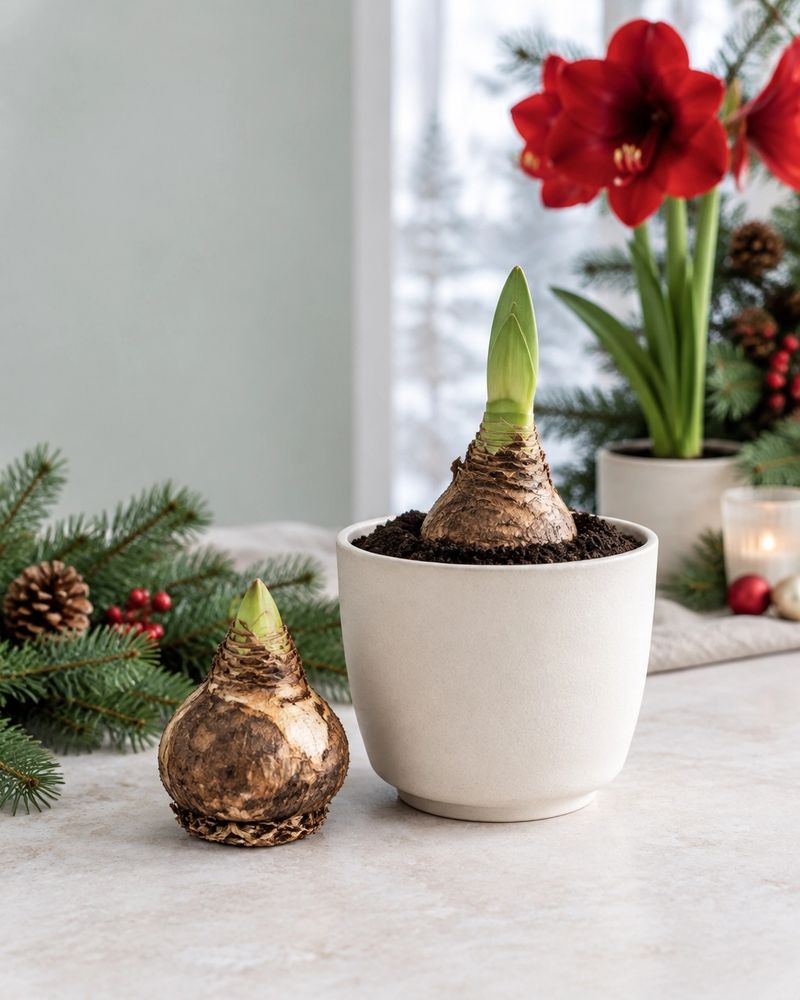
Extension estimates for how long a dormant bulb takes to flower vary quite a bit. Minnesota Extension reports 4 to 6 weeks, while Wisconsin Extension gives 6 to 8 weeks.
Iowa State lists 3 to 5 weeks for some bulbs and 6 to 8 for others. Put together, that is roughly 3 to 8 weeks, depending on the source and the bulb.
On November 4, Christmas is about seven weeks out. A bulb that is already dormant and ready to grow has a plausible shot, but the timing is tight and no one can promise a date for your particular bulb or variety.
Treat the calendar as a nudge to get started this week, not as a hard deadline.
Check whether the bulb has completed its rest
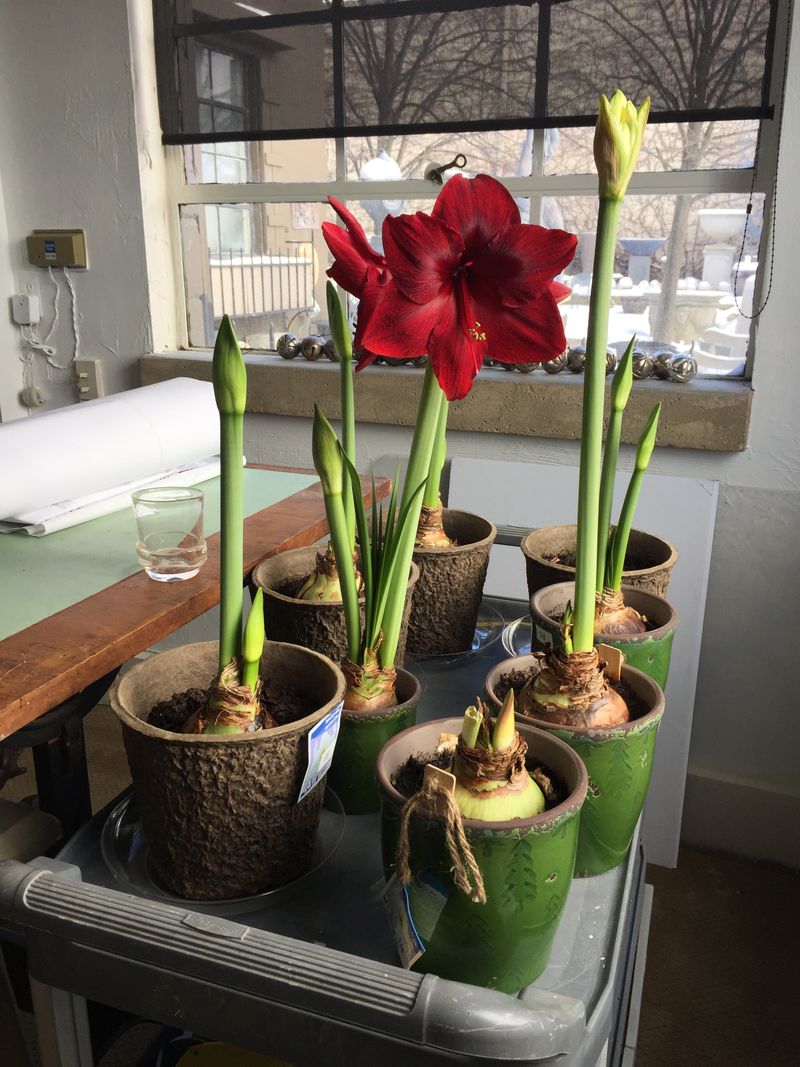
Before you water anything, figure out what kind of bulb you have. This restart plan is for a bulb that has finished a dormant rest and is not still carrying healthy green leaves.
A plant with fresh green foliage is a different case, and Minnesota Extension notes that a bulb needs enough stored energy to flower. Starting dormancy only now is not a reliable route to Christmas blooms.
Next, look for wax. A wax-coated bulb is meant to flower without soil or watering, so the standard watering steps below do not apply to it, according to Iowa State.
Rescuing a waxed bulb may mean carefully removing the wax, and success is uncertain.
Check the bulb for visible damage or rot as well. Firmness alone does not tell you the bulb is ready, so use it only as one clue among several.
Prepare a draining pot, then water carefully
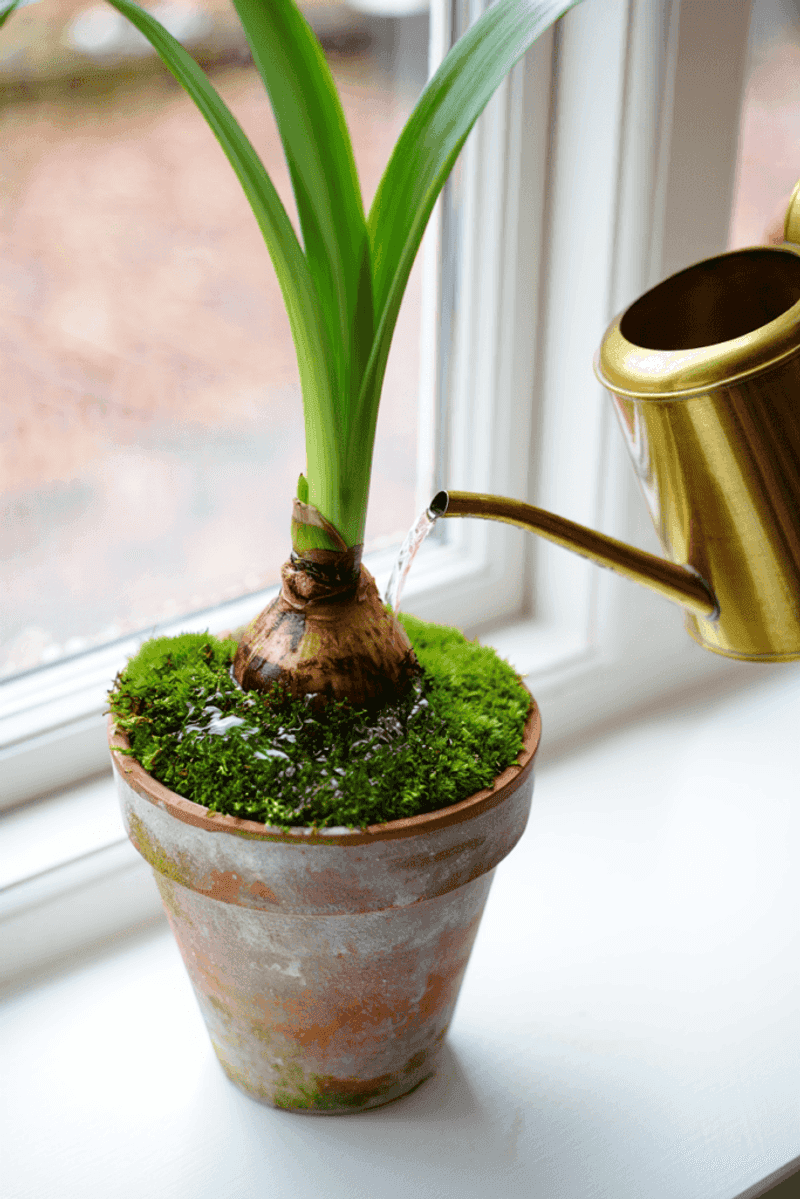
Start with the pot. Pick one with drainage holes and fill it with a well-drained mix, as University of Maryland Extension advises.
Set the bulb so about one-third to one-half of it stays above the soil.
Now give it a first drink. Water the mix, then let the extra drain away completely.
After that, keep the mix barely moist until growth begins, as described by Iowa State.
Resist the urge to soak it again every few days. Soggy mix can encourage rot, and Wisconsin Extension also cautions against too much water.
Empty any saucer so the pot never sits in a puddle.
Give the restarting bulb warmth and bright light
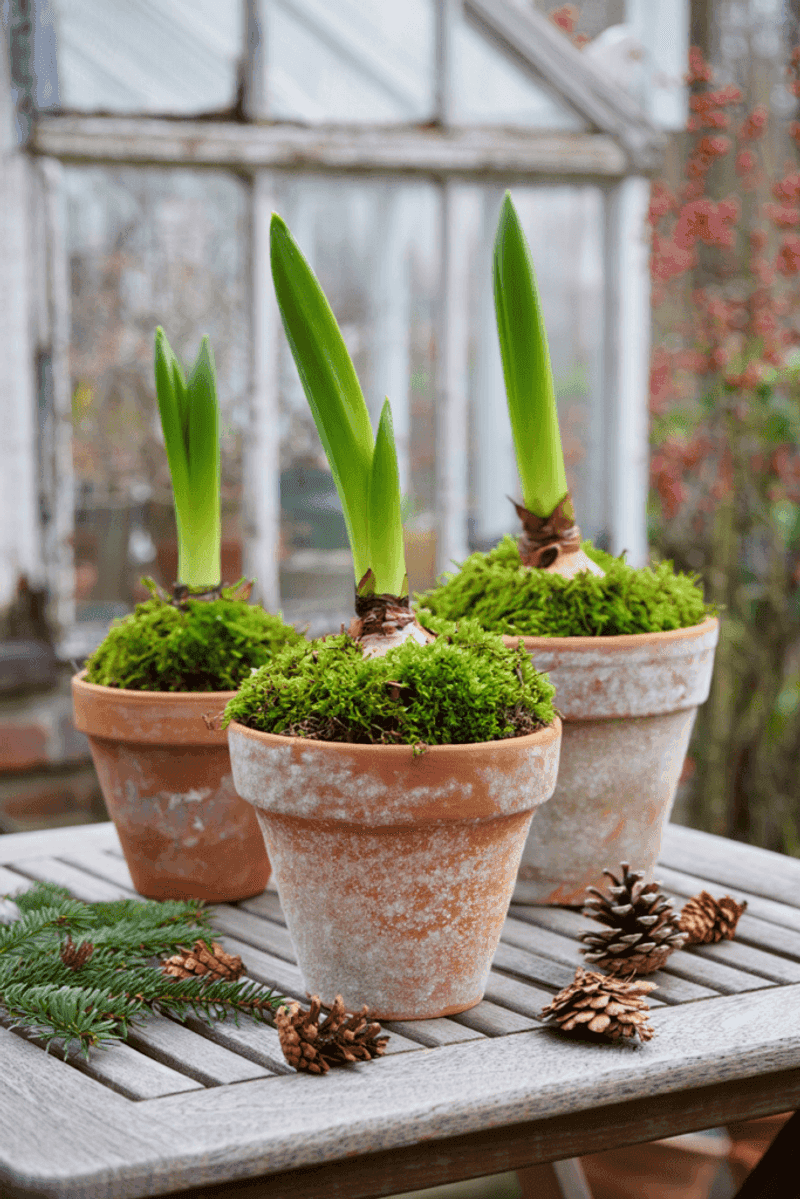
Warmth is what coaxes a rested bulb into motion. Iowa State recommends 70 to 75 degrees F, which is easy to hit in most Southern homes.
Pick a spot away from cold drafts and chilly floors.
Once growth appears, move the pot into bright light. University of Maryland Extension suggests a sunny window during active growth.
If the stalk leans toward the glass, turn the pot a bit every few days to keep it upright.
No cold treatment is needed. Wisconsin Extension says amaryllis do not require one, so skip the refrigerator and keep the bulb cozy.
Leaves before a flower stalk do not prove failure
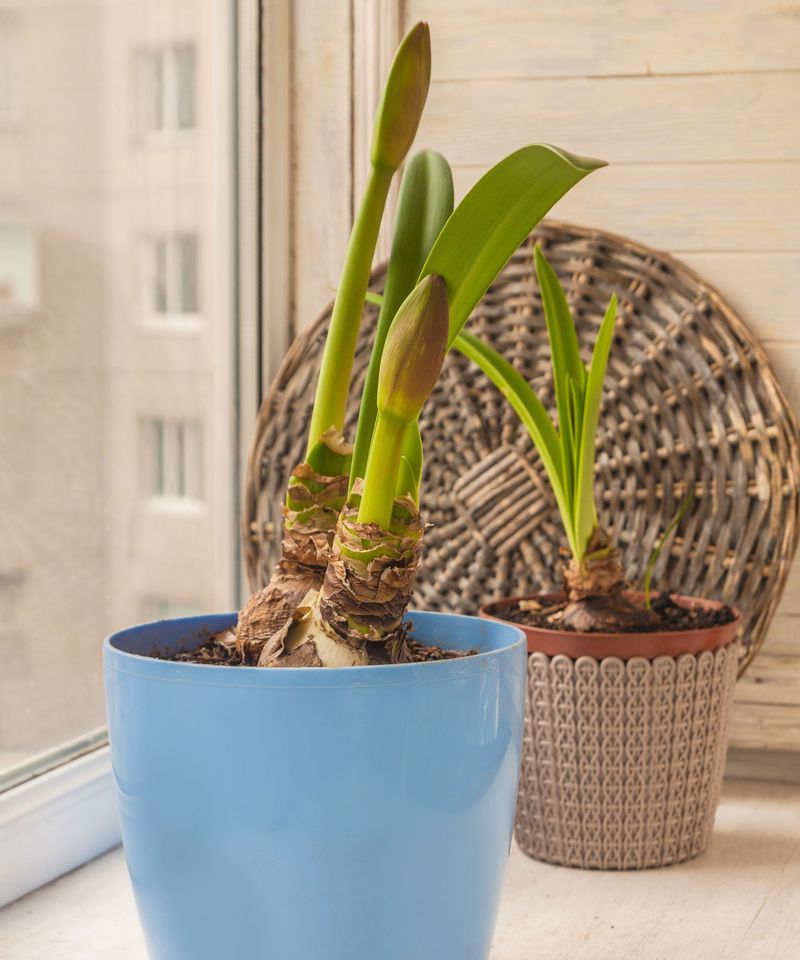
Most often a thick flower stalk pokes up first, with leaves trailing behind. Sometimes the order flips, and green leaves lead the way.
Iowa State describes both patterns, so leaves alone are not a sign you did something wrong.
What matters more is the bulb itself. Minnesota Extension explains that bulb size and stored energy affect whether it flowers.
If leaves show up first, keep giving light and warmth and keep the mix barely moist. A stalk may still follow, though nobody can promise it.
Check the bulb for softness or mold if nothing moves after several weeks.
Keep amaryllis away from pets that might chew it
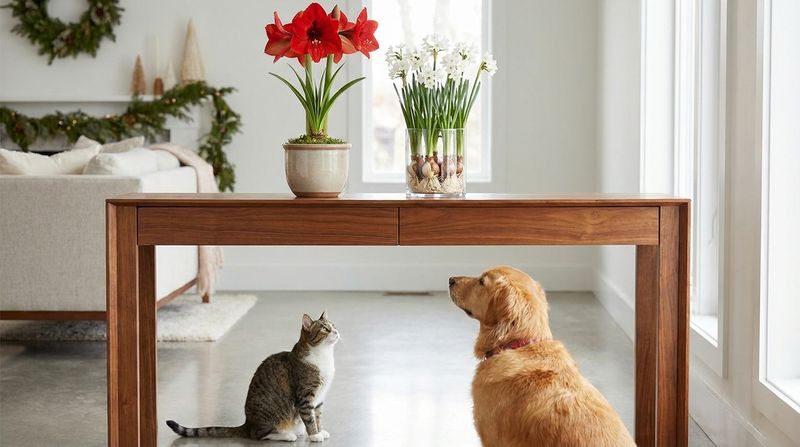
The ASPCA lists Amaryllis species as toxic to dogs, cats, and horses.
Place the bulb and the growing plant where curious chewers cannot reach them, such as a high shelf or a closed room. Keep loose leaves and trimmed pieces out of reach too.
Start with a ready bulb, not a promised date
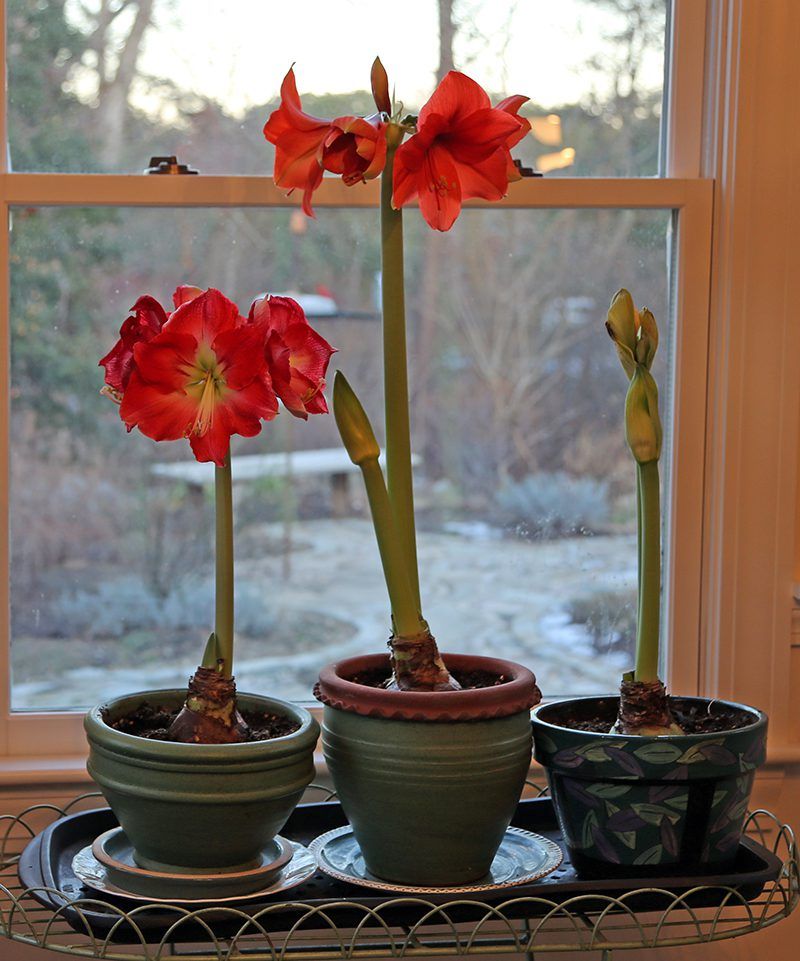
Confirm the bulb has finished its rest and is not wax-coated, then use a draining pot, water and drain, and add warmth and bright light as growth shows. Sources like Iowa State and Minnesota Extension back that routine.
It gives a ready bulb a fair chance at holiday flowers, not a guarantee. Even a late bloom is a bright reward in January.