
A bare fence line can make a yard feel exposed, but the wrong hedge can cause trouble later. Some popular screening plants send thick roots under patios, driveways, and garden walls, and that damage is costly to fix.
The good news is that many shrubs that thrive in California’s dry summers grow dense and fast while keeping their roots well behaved. Here are ten smart picks that can give you privacy, feed local wildlife, and sip water instead of guzzling it.
1. Toyon
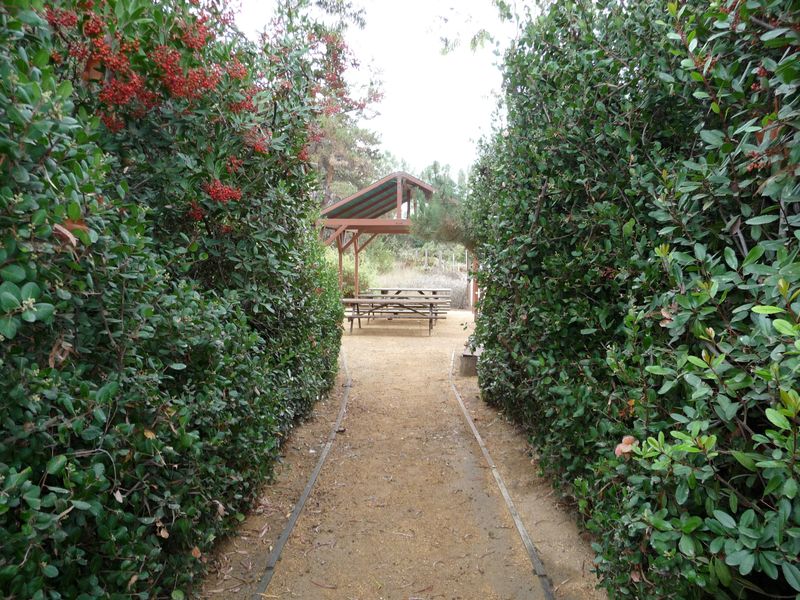
Hollywood was reportedly named after toyon, the native shrub once called California holly. Its bright red berries light up winter yards and pull in robins, cedar waxwings, and mockingbirds.
For fence screening, toyon grows 8 to 15 feet tall and fills out with thick, leathery foliage. Its roots tend to stay fibrous and spread outward rather than forming the heavy, surface-hugging trunks that buckle paving.
Planting it at least 3 to 4 feet from a wall is still a wise move for airflow and access.
Once established, toyon may need only occasional deep summer watering in coastal and inland valley gardens. It handles clay, sun, and partial shade, which makes it one of the easiest natives to start with.
2. Coffeeberry
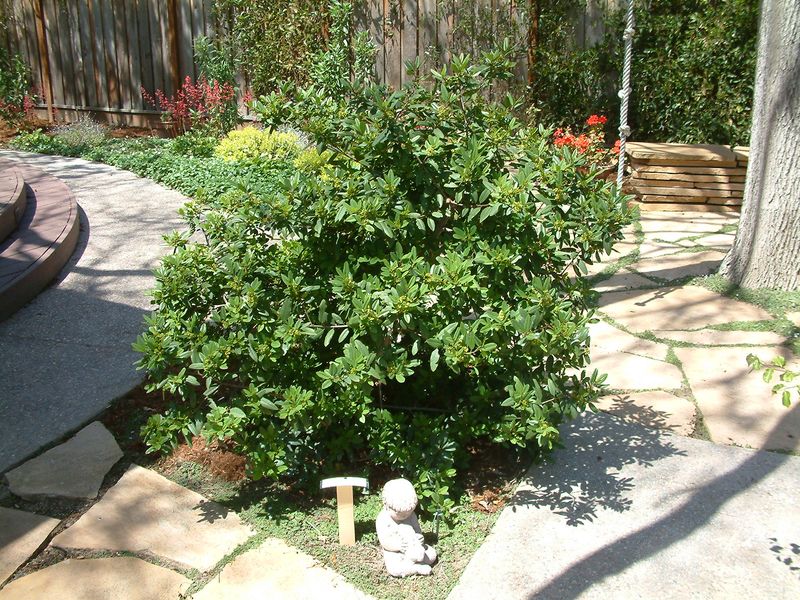
Picture a hedge that looks polished enough for a front yard yet feeds birds all fall. Coffeeberry pulls off both, with neat dark green leaves and berries that ripen from red to nearly black.
Cultivars like ‘Eve Case’ stay around 6 to 8 feet tall and wide, a tidy size for side yards next to walkways. The root system is moderate and non-invasive, so it can sit near a block wall without much worry.
Bees work the small flowers in spring, and thrashers and towhees clean up the fruit.
Give it good drainage and skip the summer sprinklers once it settles in. Too much water is a more common killer than drought for this tough native.
3. Pacific Wax Myrtle
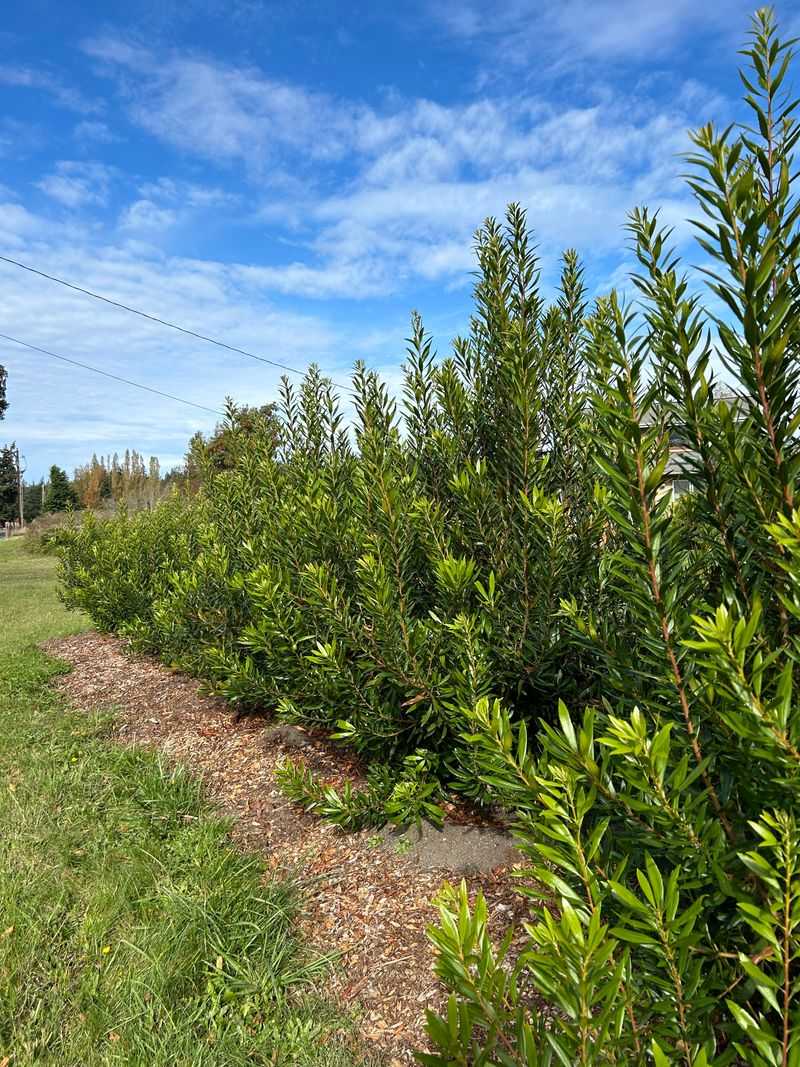
Need height in a hurry? Pacific wax myrtle can add 2 to 3 feet a year in good conditions and eventually reach 10 to 20 feet.
The foliage is fine-textured, aromatic, and evergreen, which makes it a classic living privacy wall near the coast. Its roots are generally considered well mannered, and the plant even fixes nitrogen with help from soil microbes.
Keep it about 4 feet from foundations so you can prune both sides.
It grows best in coastal and mild inland zones with some summer moisture. Birds love the waxy purple berries, and the dense branches offer safe nesting spots.
4. Hollyleaf Cherry
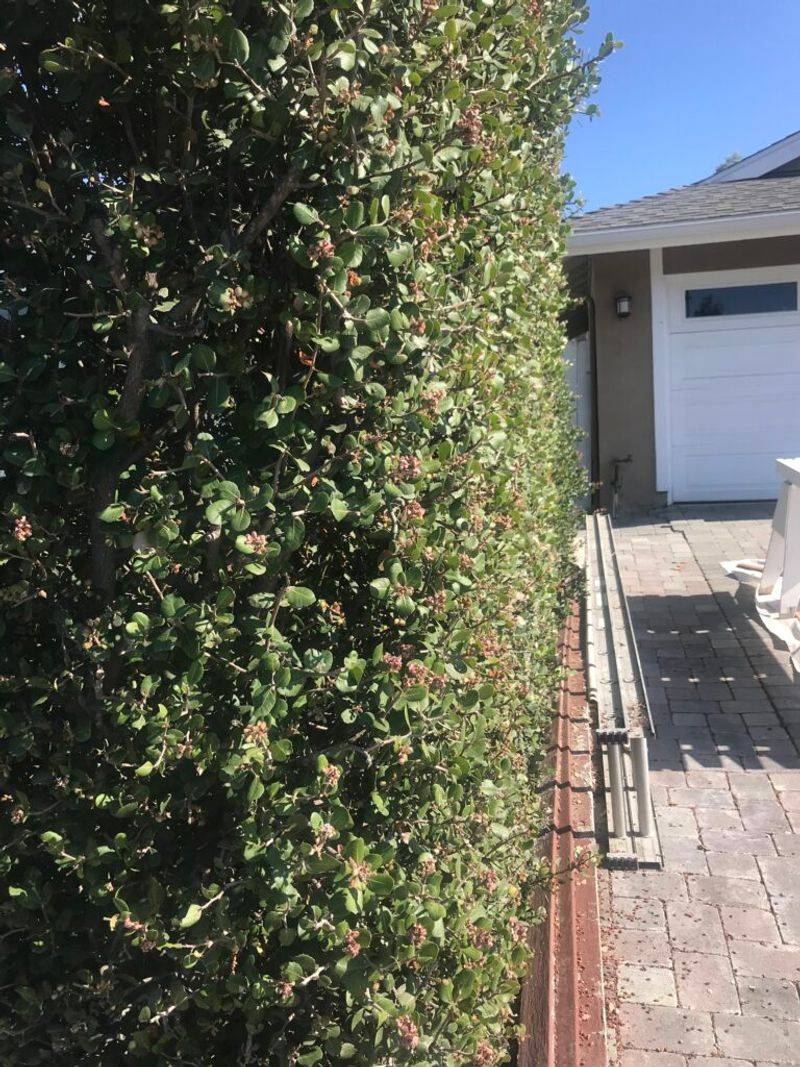
Shiny, holly-like leaves give this native cherry a formal look that surprises people. It can be sheared into a crisp hedge or left loose for a more natural screen.
Growth is moderate at first, then picks up once roots find their footing. Those roots dig deep for water instead of spreading under nearby slabs, which is exactly what you want along a patio edge.
White spring flower spikes attract native bees, and the fruit feeds birds later.
It handles heat, poor soil, and very little summer water. Inland valley gardeners who fight scorching Augusts often find it holds up where thirstier hedges fail.
5. Lemonade Berry
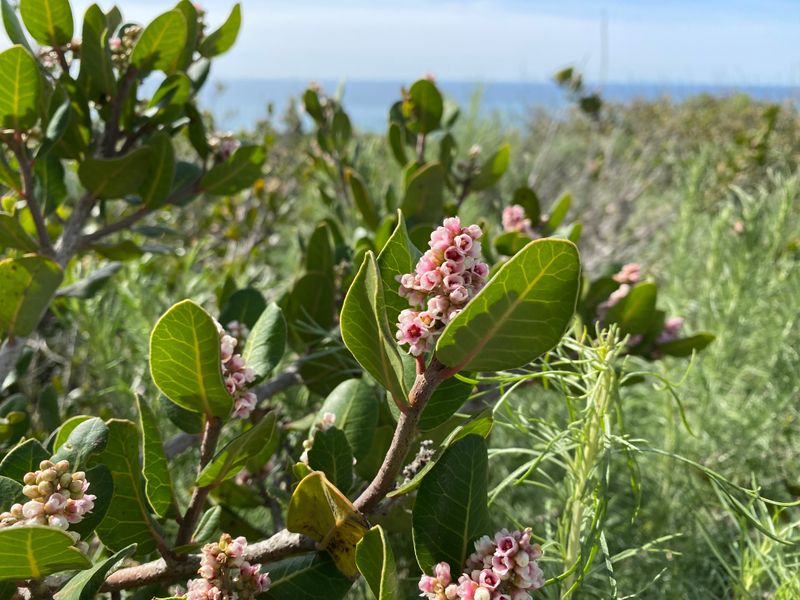
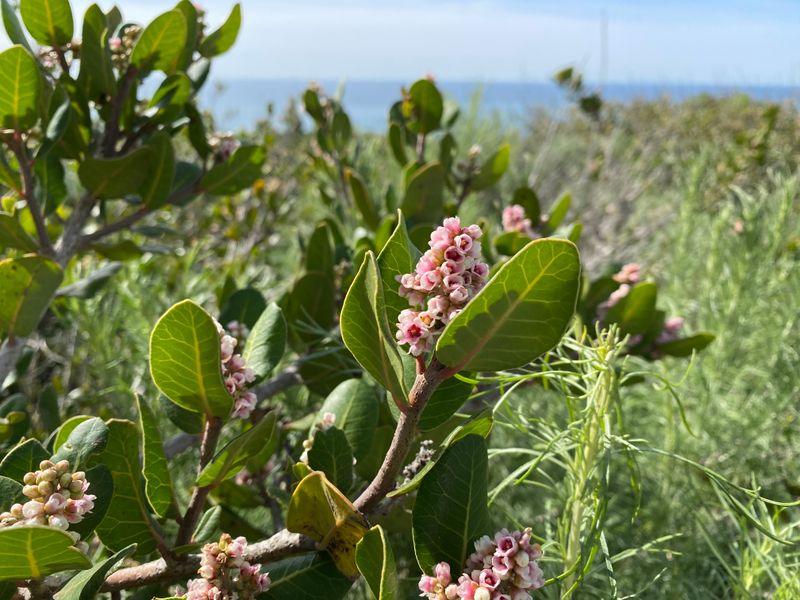
Early Californians soaked the sticky, tart berries to make a lemony drink, which explains the cheerful name. Today it shines as one of the toughest screening shrubs for Southern California.
Lemonade berry grows 6 to 10 feet tall with thick, leathery leaves that block views year-round. It tolerates salty coastal wind, slopes, and dry clay.
Root growth is steady and moderate, so it works well along property lines without lifting hardscape.
Hummingbirds and bees visit the pink spring blooms. Water deeply once a month in summer during the first two years, then let it fend for itself.
6. Ray Hartman Ceanothus
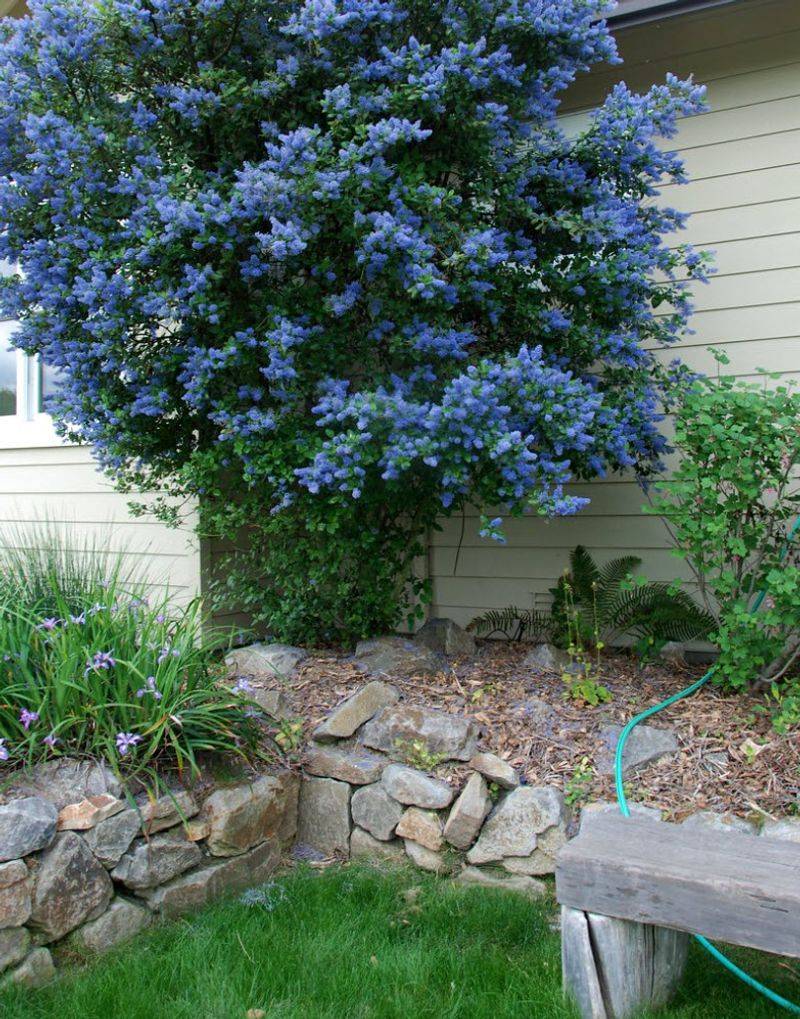
Bees go absolutely wild for this one in spring. ‘Ray Hartman’ is a large California lilac that covers itself in powder-blue blooms buzzing with native pollinators.
It grows fast, often reaching 10 to 15 feet within a few years, so it fills a fence line quickly. Ceanothus roots are fairly shallow and fibrous and not known for cracking walls.
The tradeoff is lifespan, since many ceanothus live 10 to 20 years, so plan on replacing it eventually.
Never give it regular summer water in hot areas, as that can invite root rot. Plant in fall to take advantage of winter rain.
7. Catalina Cherry
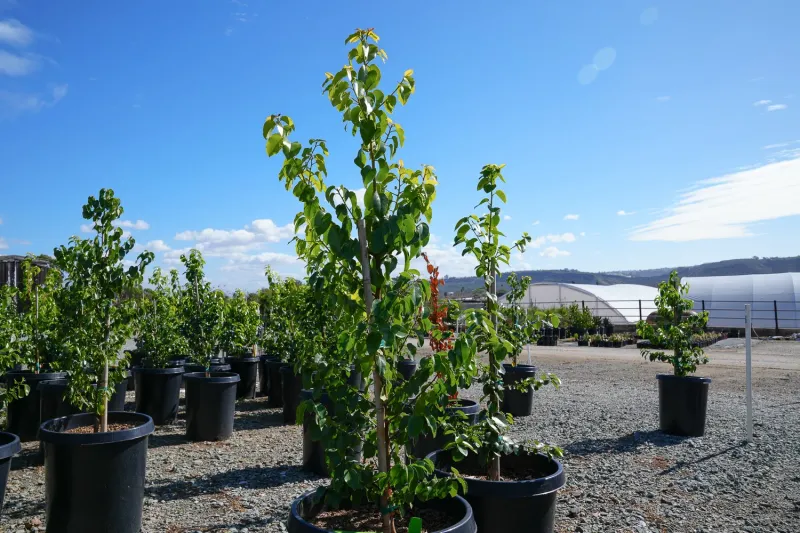
Think of Catalina cherry as the bigger, faster cousin of hollyleaf cherry. It comes from the Channel Islands and can quickly grow into a 15 to 25 foot screen.
The leaves are larger and softer, giving a lush green backdrop that hides tall fences and second-story windows. Like its relative, it sends roots deep instead of wide.
Still, give it 5 to 6 feet of clearance from concrete since it gets substantial.
Birds devour the dark cherries in summer. Fallen fruit can be messy, so keep it away from pool decks and driveways.
8. Bush Anemone
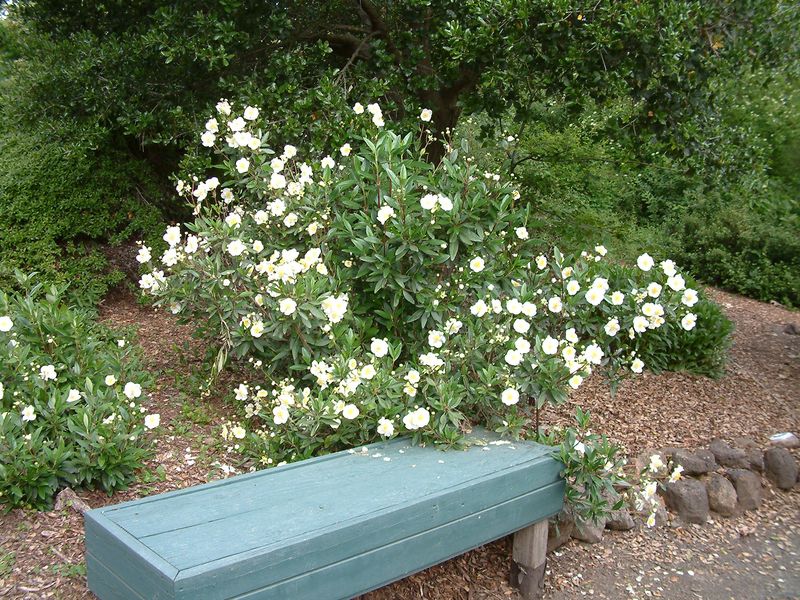
Shady fence lines often stump gardeners, and bush anemone answers that problem beautifully. Its large white flowers with golden centers bloom in late spring.
It reaches about 6 feet tall and wide with glossy evergreen leaves. Roots stay compact, so it suits narrow beds next to walls and walkways.
Part shade and occasional summer water keep it happiest, especially inland.
Found naturally in only a small area of the Sierra foothills, it is a rare native worth growing at home.
9. Mountain Mahogany
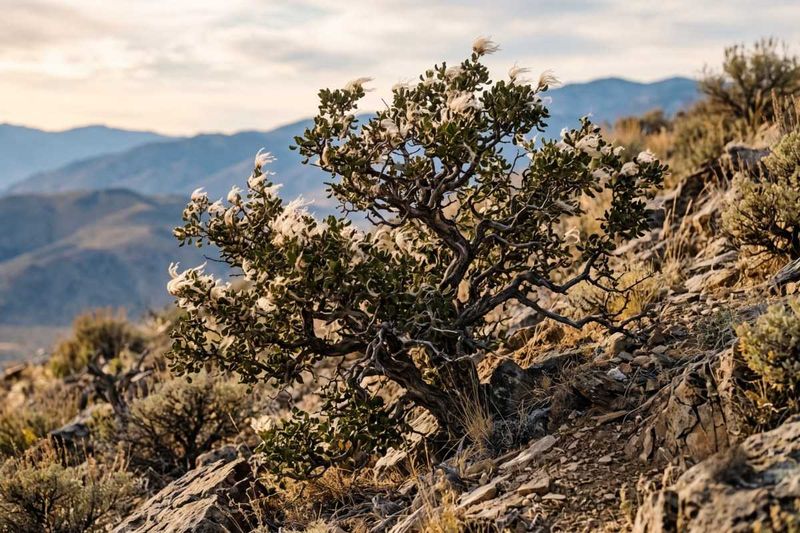
Fire-prone hillside homeowners should look twice at mountain mahogany. It stays upright and fairly open, which can make it easier to manage in defensible space plans than dense, oily shrubs.
Growing 8 to 15 feet tall, it creates a lighter, airy screen. The deep taproot hunts for water far below, so paving and walls usually stay safe.
In late summer, feathery corkscrew seed tails catch the light and twirl into the soil.
Check your local fire spacing rules before planting near structures. Little summer water is needed after establishment.
10. Island Bush Snapdragon
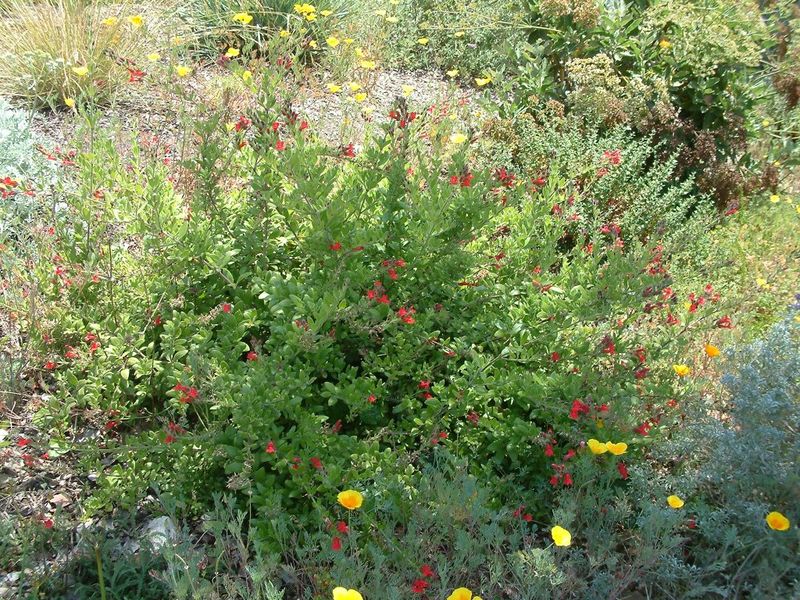
For shorter fences, this compact native brings almost nonstop red flowers and lots of hummingbird drama. It mounds to about 3 to 5 feet tall.
Island bush snapdragon grows quickly and its small root system will not bother patios or garden walls. It works well layered in front of taller shrubs like toyon or coffeeberry for a full, tiered screen.
Coastal gardens suit it best, though it tolerates inland heat with light shade. Pair it with the larger picks above, and your fence line can turn into a private, pollinator-friendly corridor.