
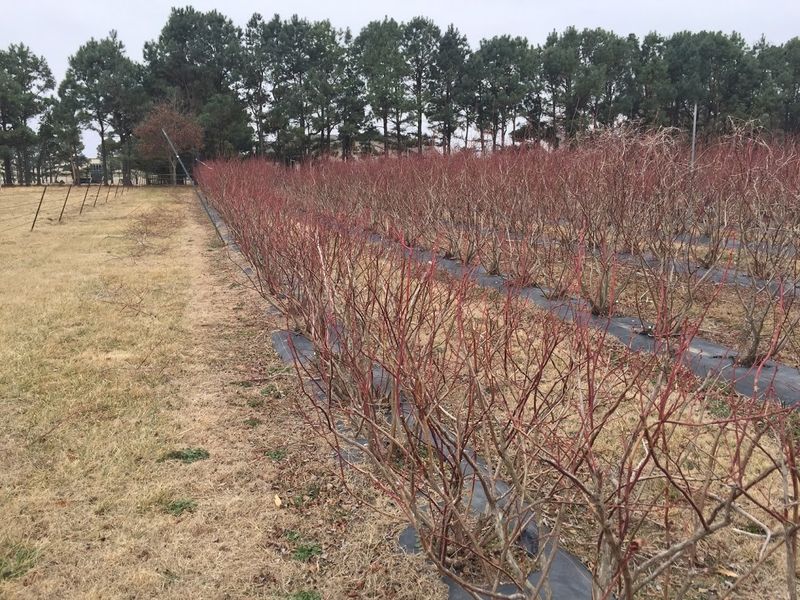
Those plump little buds on your blueberry branches are next year’s berries in waiting. A tidy-up trim in fall can snip some of them off before they ever get to bloom.
But not every cut costs you fruit, and February is not the right date for everyone. Here is how to tell what you are cutting and when pruning makes sense where you live.
Those plump tip buds can become next year’s berries
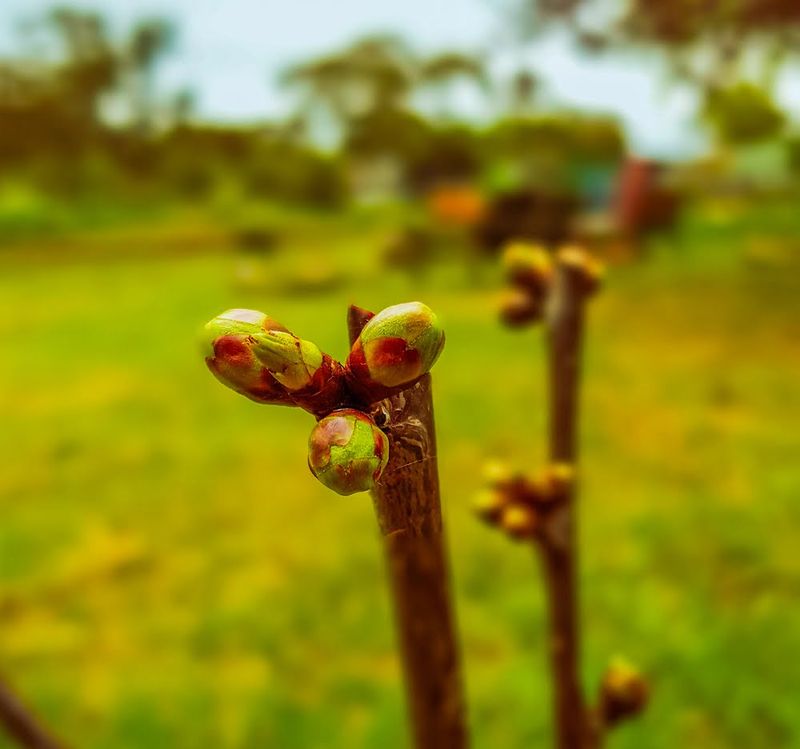
Blueberries do their planning early. Flower buds form in late summer and stretch into early fall, and those buds turn into the flowers and fruit you see the following spring, according to University of Georgia Extension.
So how do you tell which bud is which? Flower buds are generally larger and rounder, or plumper, and they commonly sit nearer the tips of the shoots.
Leaf buds are usually smaller and more pointed, and they tend to hug the stem.
Treat these as clues rather than guarantees. Cultivars and growing conditions can change how buds look, so take a minute to study a few shoots on your own plants.
Flower buds form on one-year-old wood, which is the growth from this past season.
If protecting next year’s crop is your priority, find the bud-bearing tips first. Then decide whether the cut you had in mind will take them off.
A fall cut can cost flowers, but not every trim erases the crop
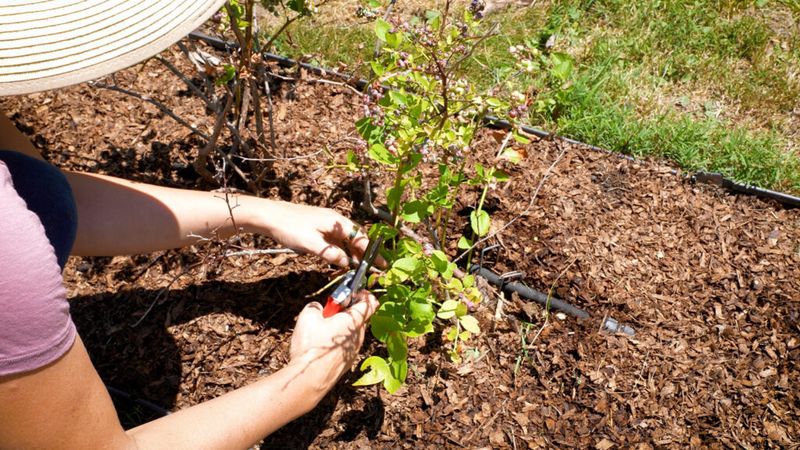
Here is the real risk. When you cut off a shoot tip that carries flower buds, you remove the flowers those buds could have become.
That can reduce the potential flowers and fruit on that plant next spring.
How much you lose depends on what you cut and how much of it. Shortening a few branches takes off a few buds.
Shearing the whole bush back removes far more, and that is where a big drop in berries becomes likely.
A small fall touch-up, like snipping a dead twig or a broken branch, will not wipe out your harvest. The UGA bud guide makes clear that bud-bearing wood is what matters.
Before any cut, look at what is on the piece you are about to remove. If it has plump buds near the tip and you want fruit, think twice or cut somewhere else.
Seasonal leaf drop is not the same as pruning
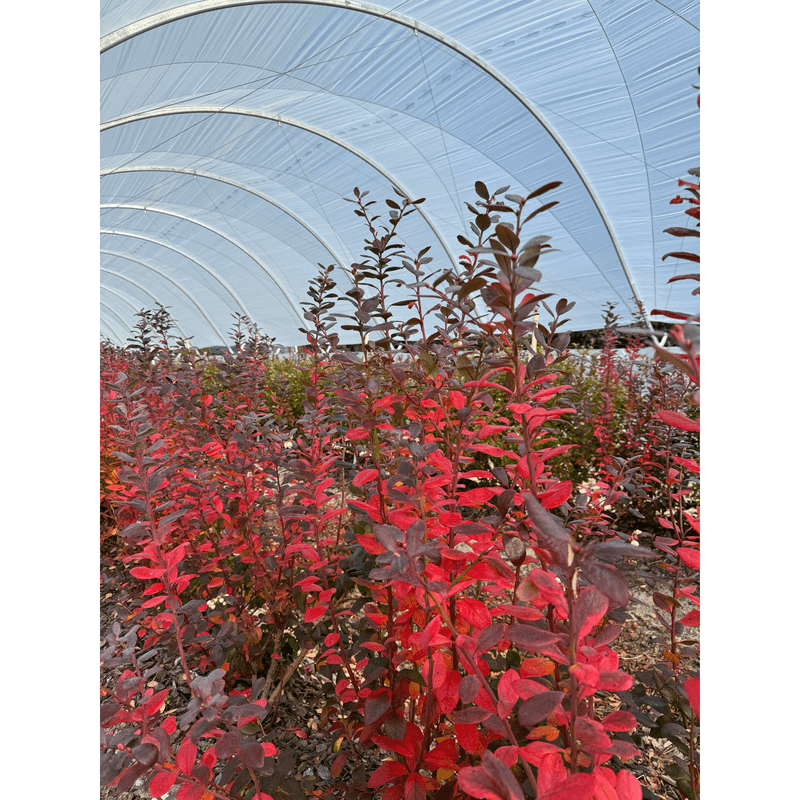
Watching leaves fall in autumn can feel alarming, but ordinary seasonal leaf drop is a normal part of the plant’s cycle. Raking up fallen leaves or tidying the bed around the bush is not the same as cutting off bud-bearing wood.
There is one leaf-related warning worth knowing. UGA cautions that premature fall defoliation, meaning leaves lost too early because of stress, disease, or pests, may reduce the number of flower buds.
That is a different problem from normal seasonal color change and leaf loss.
Think of it this way. Losing leaves on schedule leaves the buds on the stems.
Cutting the stems removes the buds themselves.
If your bush drops leaves unusually early, look for a cause such as leaf spot or drought stress. If leaves fall on time, you can relax and focus on whether any cuts are really needed.
Prune for renewal or crop management, not just tidiness
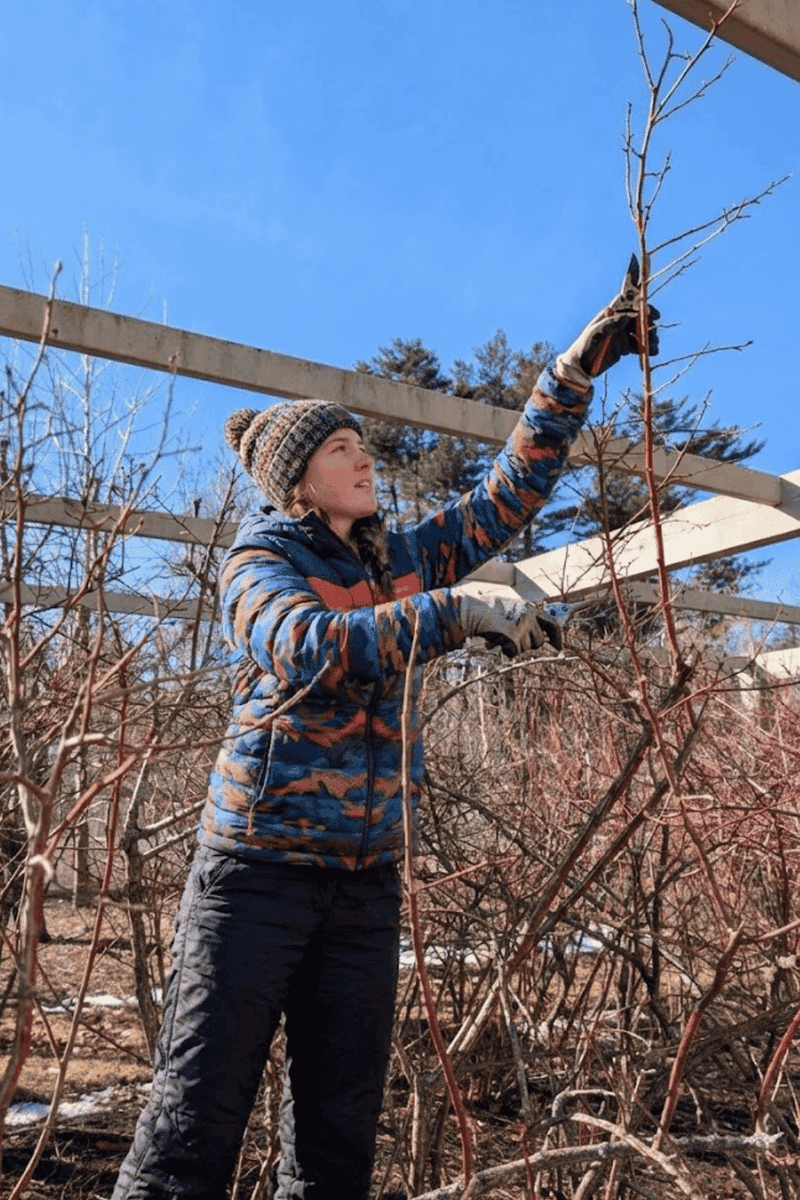
Nobody is saying blueberries should never be pruned. Mature bushes benefit from cuts that renew old canes, open up the plant, manage crop load, and remove weak or damaged growth.
The best approach is selective cane renewal rather than random trimming. As Illinois Extension explains, removing some older, less productive canes encourages fresh, vigorous growth.
How much to take depends on the plant’s age and condition.
Florida growers will find similar thinking in UF/IFAS pruning guidance for southern highbush, which ties cuts to specific goals.
Start with a question: what do I want this cut to do? If the answer is open the center, replace a tired cane, or clear out dead wood, you can choose cuts that do that job.
If the answer is simply make it look neat, hold off.
When should Southern gardeners prune?
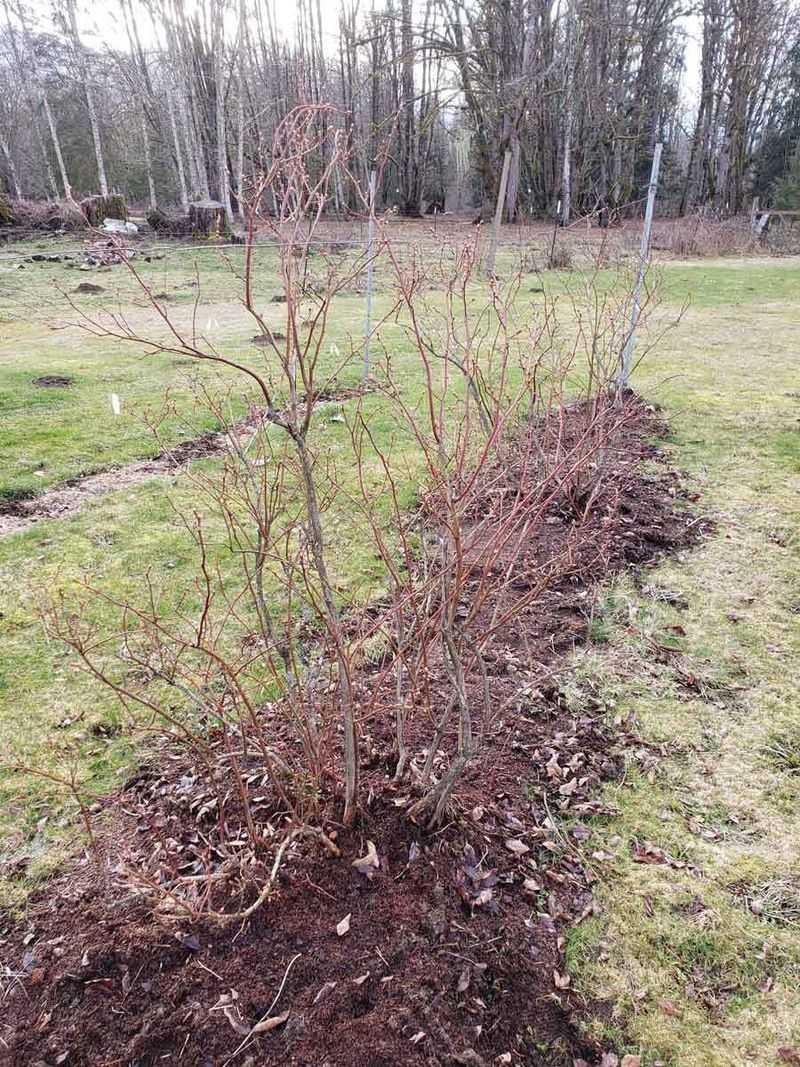
Instead of one date, think in windows tied to purpose and blueberry type. For Florida southern highbush, UF/IFAS describes two separate times: postharvest hedging soon after harvest, often early June, and cane-renewal pruning during dormancy, typically December or January.
Waiting to hedge until mid-to-late summer may harm flower-bud development and yield.
In the Panhandle, UF/IFAS says pruning is optional but should match its goal. Height pruning comes after harvest but before flower-bud initiation, while old-cane removal and fruit thinning happen in dormancy.
Tennessee growers are advised by UT Extension to prune in late winter to early spring, after the worst cold risk but before growth starts.
For Texas rabbiteyes, Texas A&M AgriLife describes occasional pruning, thinning lower limbs and overly vigorous upright shoots, without a set February date. Keep each schedule with its own region and type.
Sometimes removing flower buds is part of the plan
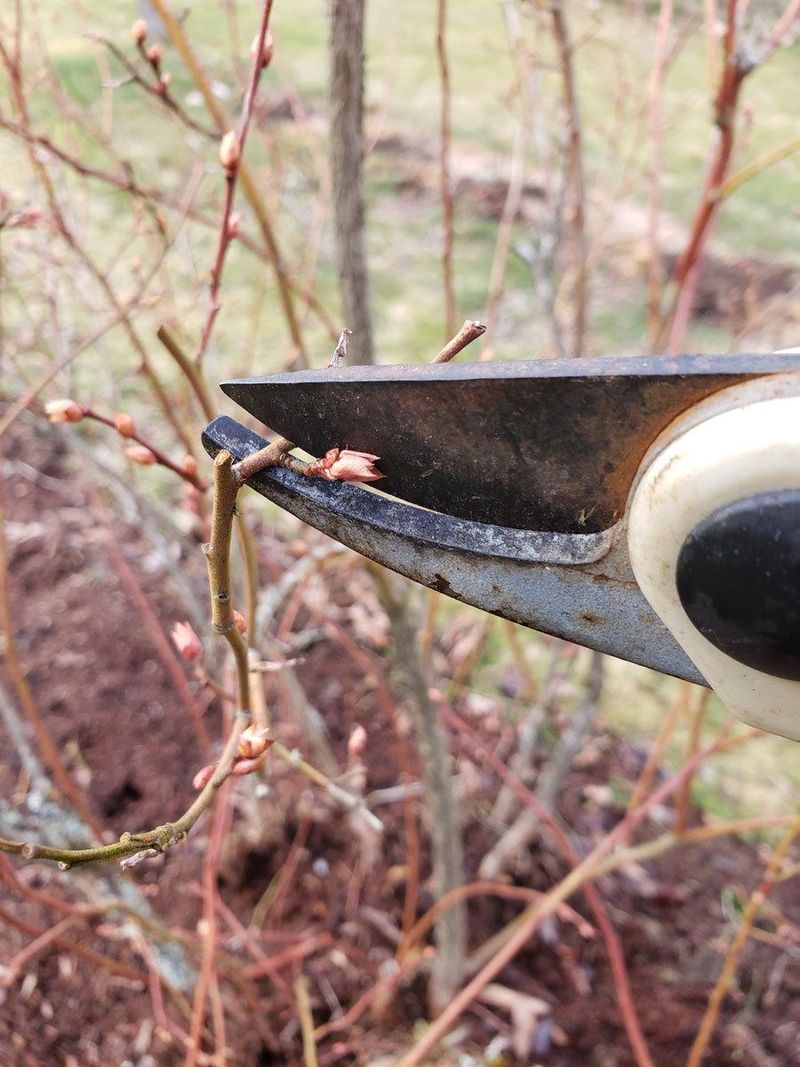
Saving every bud is not always the goal. Sometimes the smart move is to take buds off on purpose.
A bush that is carrying an excessively heavy crop can benefit from thinning, which cuts down the number of flower buds so the plant can ripen the remaining fruit well. Young plants are another case.
Removing flowers early in a plant’s life helps it put energy into roots and growth instead of fruit, as described in the UF/IFAS Blueberry Gardener’s Guide.
UF/IFAS pruning guidance for southern highbush also treats dormant-season thinning as a routine tool.
The difference from casual fall tidying is intent. Purposeful bud removal follows a plan for a specific plant.
Whether it fits depends on your bush’s age, vigor, and how heavily it set buds.
Let the buds and the purpose guide the cut
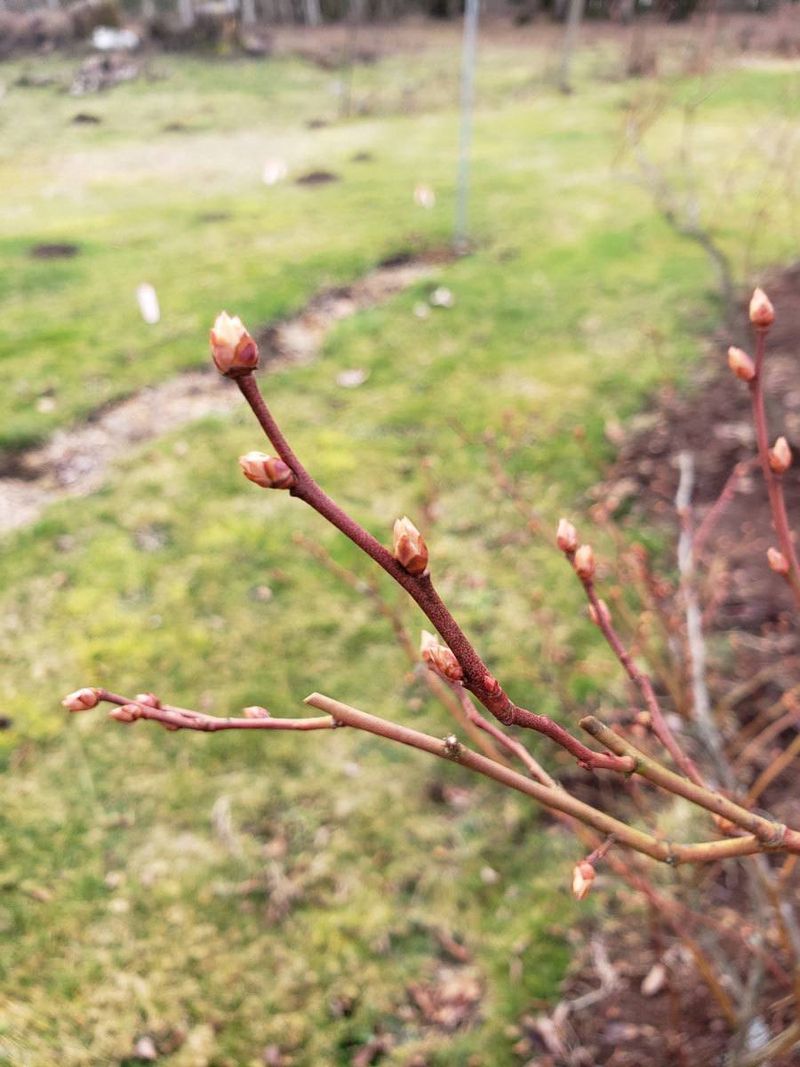
Before you prune, inspect the shoots and spot the bud-bearing tips, as UGA describes. Decide what the cut should accomplish, then check guidance for your region and blueberry type, such as Tennessee’s late-winter advice.
Skipping needless cuts can protect potential berries, and purposeful pruning still earns its place. A calendar date alone never knows what your plant is doing.
Your buds do.