
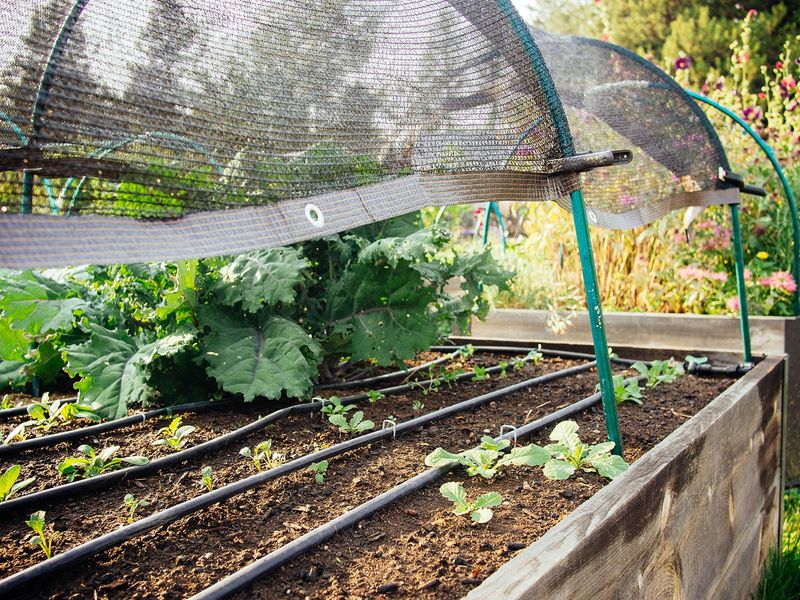
Your fall lettuce looked perfect last week, and now it is reaching for the sky and tasting harsh. A warm spell in November can make any Southern gardener blame the weather right away.
Heat may play a part, but it is not always the whole story. Here is how to tell what is really happening and what you can try next.
Is the plant bolting, or are the leaves simply bitter?
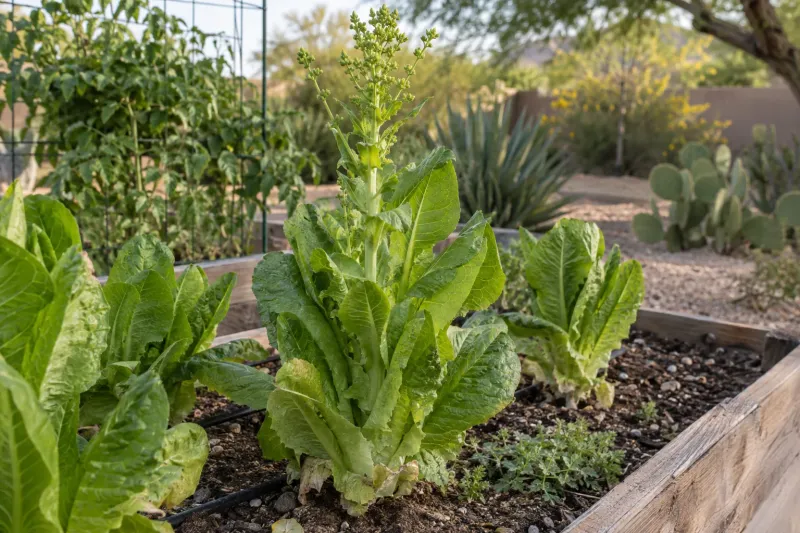
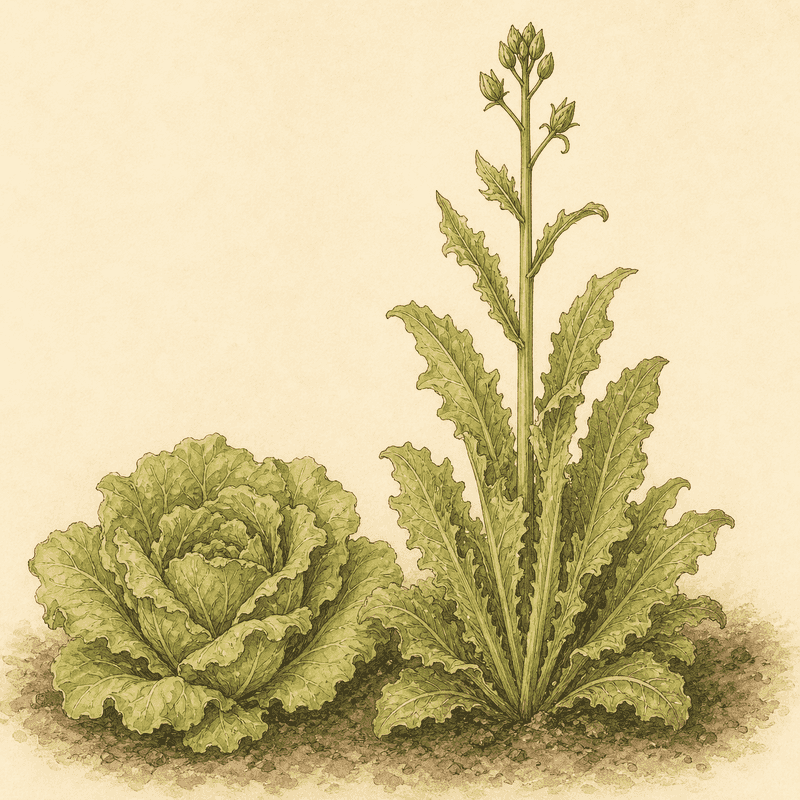
Walk out to the bed and look at the center of the plant. Bolting means the lettuce is switching from making leaves to making flowers and seeds, so you will see the middle stretching upward into a stem.
UC IPM’s bolting guidance describes this flower stalk as the key sign.
Bitter flavor is a separate clue. Leaves can taste sharp without any visible stalk, so bitterness alone does not prove a plant is bolting.
Taste a leaf or two from the outside of the plant, then check the center for a tight rosette or a rising stem.
Once you know which one you have, the next step gets clearer. As University of Minnesota Extension explains, bolting can bring bitterness along with it, but the two do not always travel together.
If a stalk has formed, shade will not undo it, so harvest what is still tasty. If there is no stalk yet, you still have time to adjust the conditions.
Heat is one possible trigger, not the only explanation
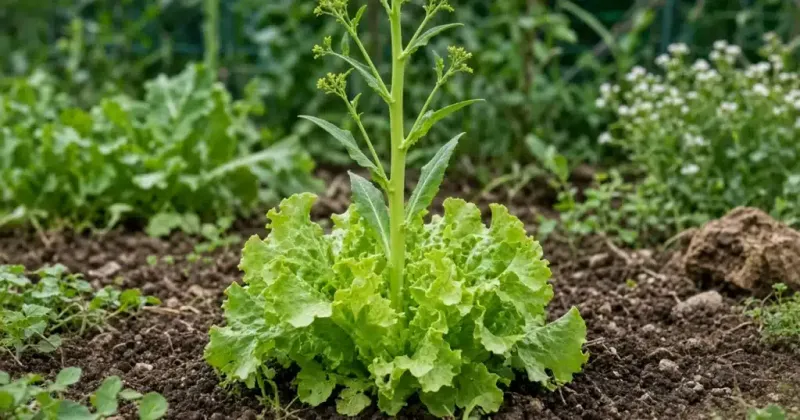
Lettuce is a cool-season crop. UF/IFAS says it grows best at roughly 50 to 75°F, and that too much heat can lead to early bolting and bitter leaves.
A warm week in November can stress a planting, especially in Florida and South Texas.
Still, weather alone cannot tell you why one particular plant changed. A few warm days are a clue, not a verdict, and neighboring plants may react differently depending on variety and age.
Other triggers are worth a look. UC IPM lists hot temperatures, prolonged cold, and long daylight as possible causes of bolting, so a plant that sat through a chilly stretch earlier could be reacting to that instead.
Thirst is another suspect for flavor trouble. Oregon State Extension tips point to water stress as something that can add bitterness, so dry soil can make a warm spell feel worse for your leaves.
Use afternoon shade as a heat-management step
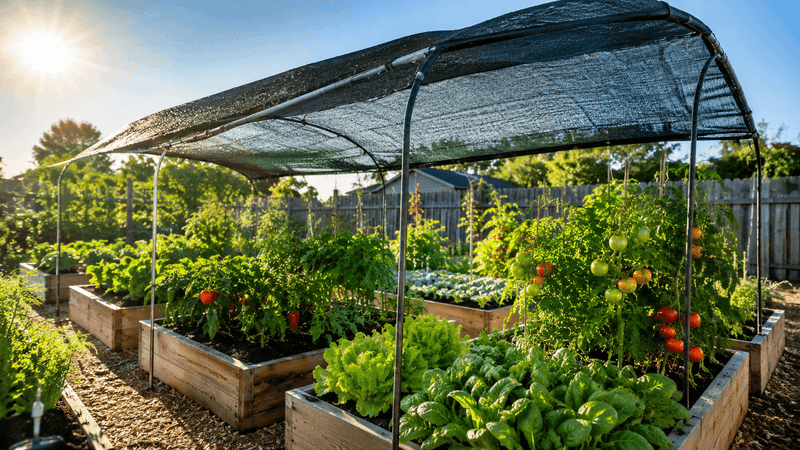
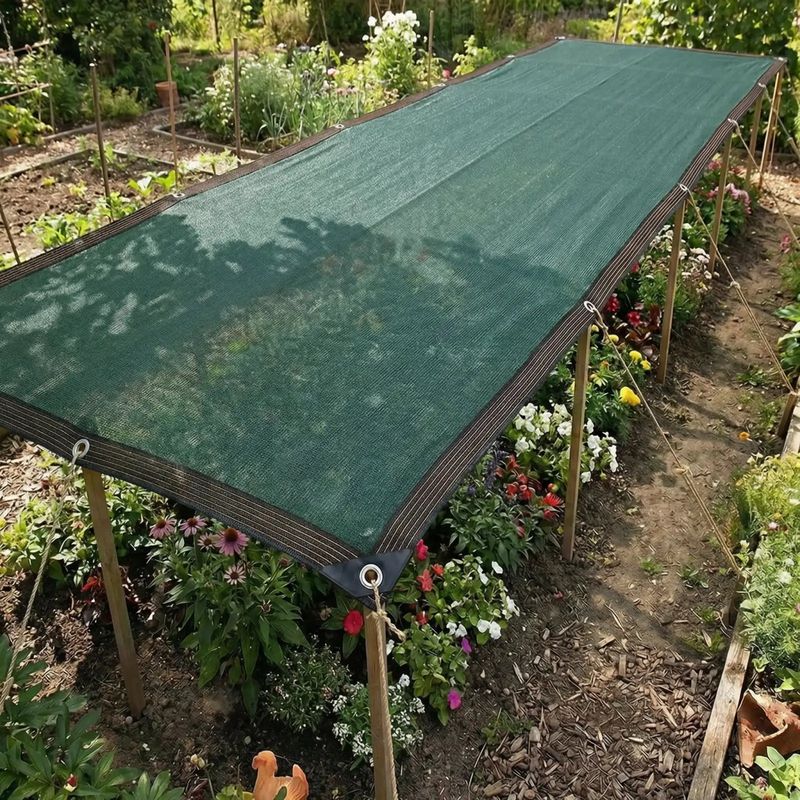
When a hot afternoon is coming, cutting the sun’s intensity is a sensible thing to try. UF/IFAS advises providing afternoon shade or shade cloth when temperatures climb above 85°F.
Think of that number as practical guidance for Florida gardeners, not a line where every lettuce plant suddenly bolts.
For the cloth itself, UF/IFAS Leon County suggests roughly 30 to 50 percent shade. That is a local recommendation, not a perfect formula for every yard.
You can drape cloth over hoops, or place a tall tomato cage frame or a patio umbrella on the west side of the bed. Remove it on cooler days so plants still get light.
Shade lowers heat exposure, and that may ease stress and bitterness. It does not reliably stop bolting, and it will not reverse a flower stalk that has already started.
Keep soil evenly moist and harvest usable leaves
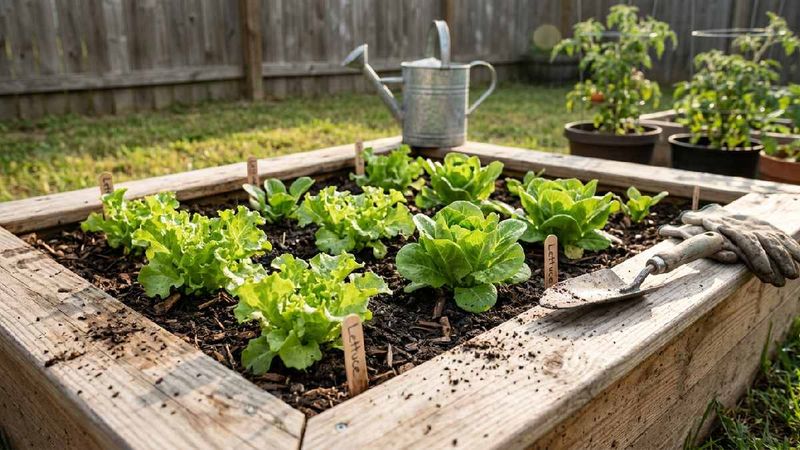
Shade works best alongside good basic care. Aim for soil that stays consistently moist, like a wrung-out sponge, but never soggy.
UF/IFAS Leon County recommends this steady moisture for leaf lettuce.
A finger test helps. Push a finger an inch into the soil each morning, and water if it feels dry.
A light layer of mulch can slow evaporation during a warm stretch.
Harvesting matters too. Snip young outer leaves often, and leave the center growing, while the plant is still in good shape.
Tasting as you go tells you whether flavor is holding up. Oregon State’s lettuce tips also stress steady watering for better quality.
These habits support the crop, but they carry no guarantee. Lettuce may still flower, and leaves that have turned bitter will not turn sweet again.
Shade may help flavor, but it is not a bolting guarantee
Research on shade gives a mixed picture. In limited spring trials in Delaware, shade lowered bitterness overall, and black 30 percent cloth did best for flavor.
But shade also increased bolting in heat-sensitive varieties.
Those plots were in Delaware in spring, so they are not a direct test of Southern gardens in November. They show that shade can be a helpful buffer for taste, and that it can backfire for some varieties.
No study here pins down one shade percentage or schedule for Southern fall lettuce. Even NC State Extension notes that recommendations shift with climate and growing setup, and too much shade can slow plant growth.
So try it on a small scale. Cover one row, leave another open, and compare what you see over a couple of weeks.
Treat shade as a possible cushion against heat, not a bolting fix.
Plan around your local fall planting window
November does not mean the same thing from Houston to Hialeah. Texas A&M AgriLife lists September as the ideal fall planting time for looseleaf lettuce in Central Texas, with harvest running into November.
A Texas gardener sowing in November is on a very different clock.
Florida varies even more. UF/IFAS planting guidance gives separate windows for different parts of the state, so north, central, and south Florida gardeners should check their own region before sowing.
When a warm spell hits, run through a short routine. Look for a seed stalk, give plants afternoon relief once temperatures pass the 85°F mark UF/IFAS mentions, keep soil evenly moist, and pick usable leaves.
Shade will not prevent or reverse bolting.
Good timing does more for lettuce than any cloth ever will.