
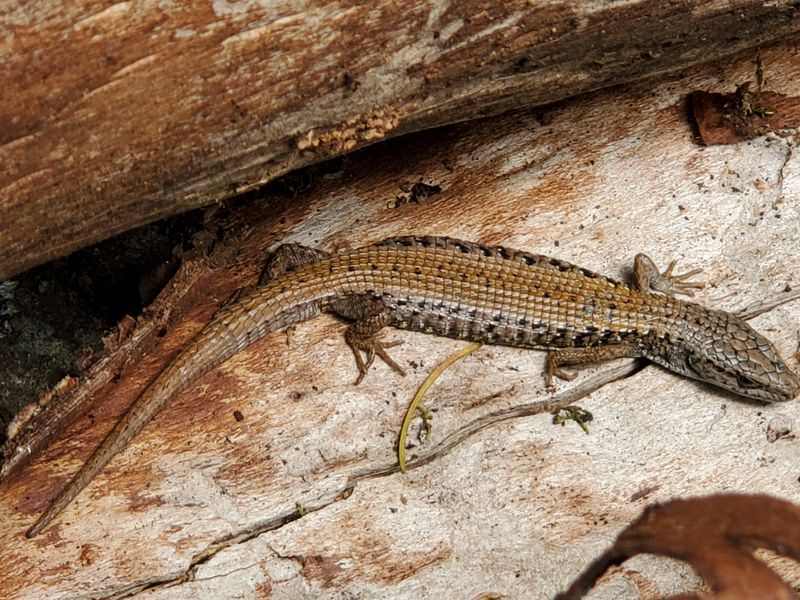
You lift a board or shift a few logs and a long, shiny lizard darts away. Many California gardeners wonder if that visitor is quietly guarding their seedlings from slugs.
The real story is more interesting, and it changes what you do with your woodpile, your seedling beds, and your fire-safety plan. Here is what the research says and what to do next.
A lizard under the pile may be sheltering
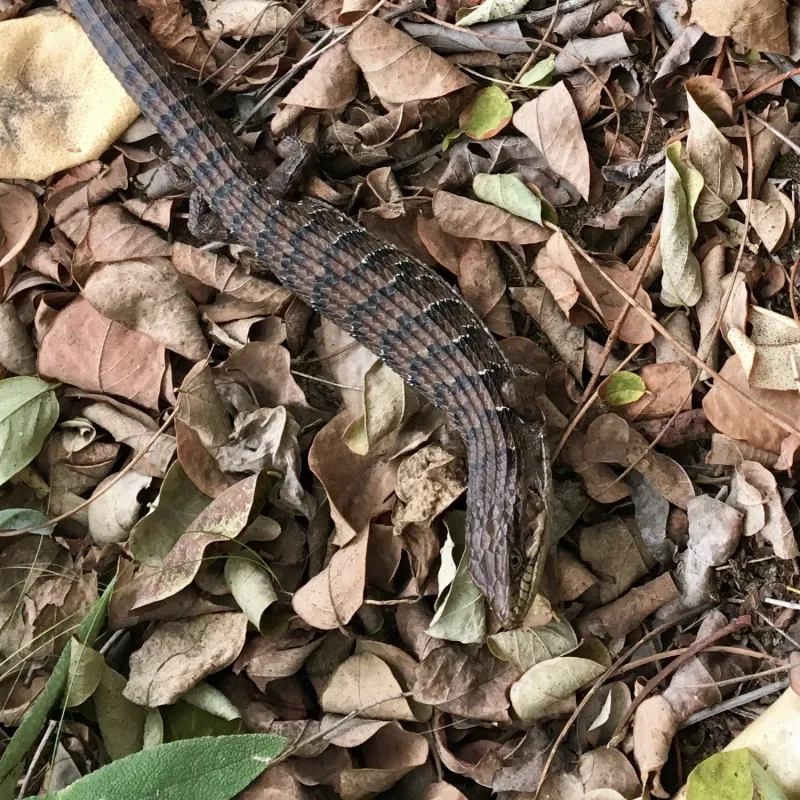
Rocks, logs, boards, and other ground cover give reptiles a place to hide, and the southern alligator lizard is a regular user of them. A UC Davis natural reserve handbook lists woodpiles and shaded thickets among the places these lizards are found.
A stack of firewood offers cover from birds, cats, and midday sun, so it makes sense that a lizard might settle in.
Here is the catch. Finding a lizard under a pile tells you it found a hiding spot.
It does not tell you the lizard is out hunting the slugs nibbling your lettuce starts. A pile can be a bedroom without being a hunting ground.
CaliforniaHerps describes the species as a user of ground cover and debris, which fits what many gardeners see when they tidy up a yard. That shelter role is a good enough reason to think twice before tearing a pile apart on a whim.
So the question to ask is a practical one. Is this pile in a safe spot to keep?
If it is well away from the house and outside any required clearance zone, leaving it alone costs you little. If it is not, the lizard’s presence should not talk you into keeping it.
The pile does not have to prove its worth as pest control to be left in peace, and it should not be expected to.
The diet evidence does not promise slug control
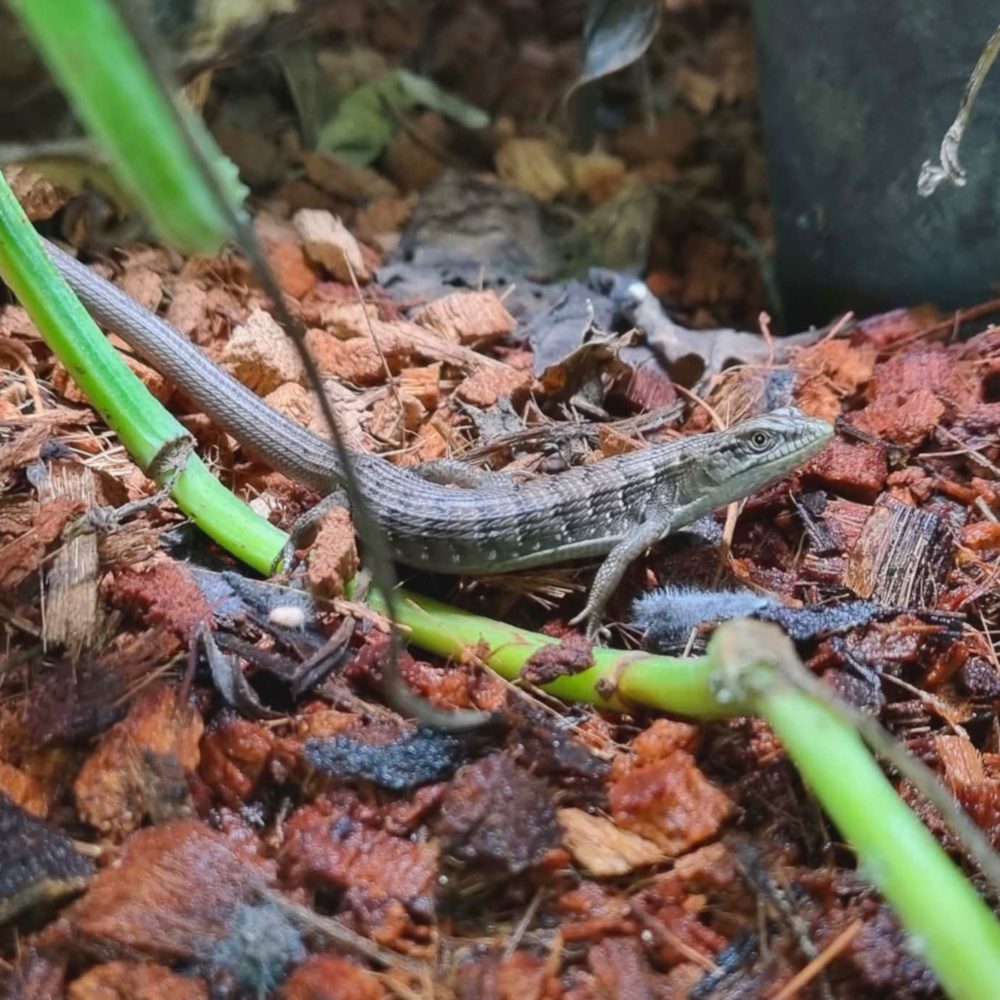
The best direct look at what these lizards eat comes from a stomach-content study of 396 southern alligator lizards, Elgaria multicarinata. Insects made up the main part of the diet.
Spiders and other small invertebrates showed up too, but the menu leaned heavily toward bugs.
Snails appeared only a handful of times. The table recorded just three pulmonate snails, and all of them came from one subspecies group.
That is a small number out of nearly 400 lizards.
Slugs are a separate matter. The same study describes a captive lizard that dropped a slug after meeting its mucus.
That is a single observation in captivity, not a measure of what lizards do in a backyard bed.
Keep the two findings apart. The snail records and the slug observation are different kinds of evidence, and neither one proves slugs are never eaten.
But neither one adds up to a dependable slug predator.
Also keep the findings in their lane. They describe the southern alligator lizard, and alligator lizard is a name that covers more than one species.
Your garden may differ from the study lizards in climate, prey, and lizard type. A lizard in the yard is a nice neighbor, but it is not a slug plan.
Winter does not guarantee an active lizard patrol
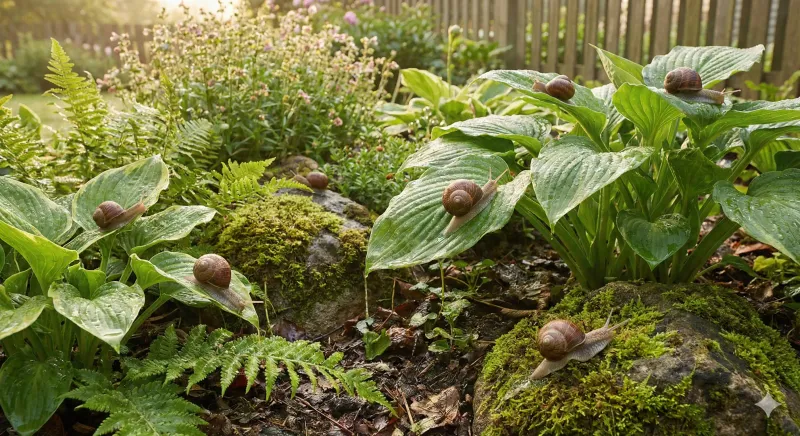
Wet-season gardeners often picture slugs and lizards crossing paths in the winter rain. The timing is shakier than that.
UC IPM notes that slugs and snails can stay active all year in mild-winter southern coastal areas, so seedlings there may stay under pressure through the cooler months.
Lizards run on a different clock. UC IPM explains that lizards depend on environmental warmth and hibernate in winter.
A cold, soggy night is not prime hunting weather for an animal that needs the sun to get moving.
The species account at CaliforniaHerps also describes southern alligator lizards as inactive in cold weather. In a frosty inland valley or a foothill garden, a lizard may be tucked away for long stretches while slugs wait for the next damp evening.
California is too varied for one winter story. San Diego, the Central Valley, and the Sierra foothills all behave differently.
A practical clue is your own yard: if you spot slime trails on a mild January morning but have not seen a lizard since fall, count on the slime, not the lizard.
Protect seedlings with direct slug controls
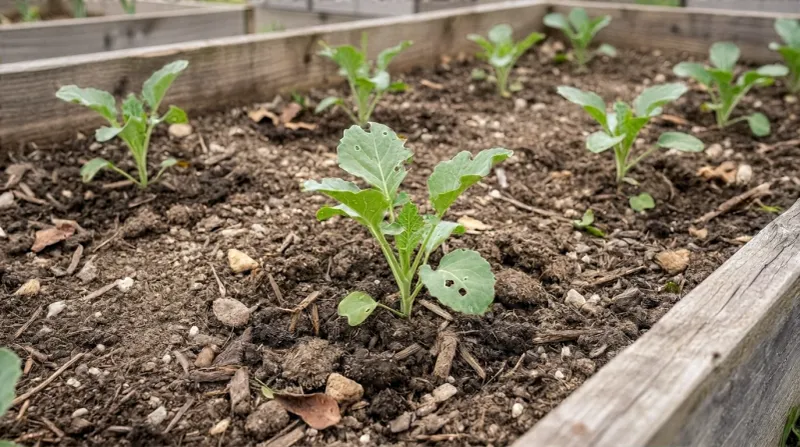
Seedlings need protection that works whether or not a lizard is nearby. UC IPM’s snail and slug guidance lays out a set of steps that gardeners can mix and match.
None of them promises total elimination, but together they can cut damage a lot.
Start by scouting. Look for silvery slime trails and ragged holes in leaves, then check hiding spots like pots, boards, and dense groundcover.
Knowing where they gather tells you where to focus.
Hand-picking is simple and cheap. Head out after dark with a flashlight or in the early morning, and drop what you find into soapy water.
Traps can add to the effort, and copper barriers around beds or containers can keep them from crossing into seedlings.
Moisture is the other lever. Slugs love wet soil and wet leaves, so switching to drip irrigation or watering in the morning gives surfaces time to dry before evening.
That also fits California’s water-wise habits.
Plan on repeating these steps, especially during wet spells. A few minutes of checking each week usually beats waiting for a predator to solve the problem.
Move piles carefully and respect fire clearances
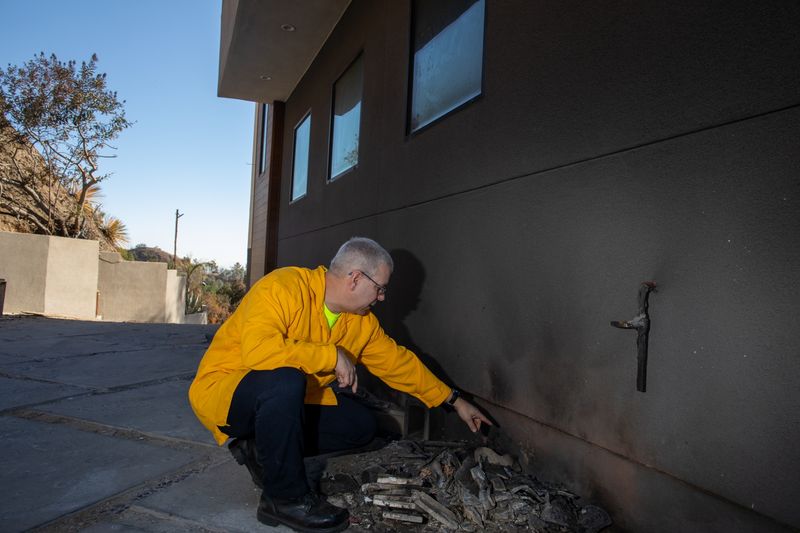
If you do need to move a pile, go slowly. CaliforniaHerps notes that alligator lizards can hide under or between pieces of wood.
Lift one log at a time and watch for movement so you do not pin or crush anything.
If a lizard appears, step back and let it leave on its own. The UC Davis handbook warns that these lizards can bite when captured, and rough handling can make them drop their tails.
Skip the grabbing and the relocating by hand.
Fire safety comes first. Do not keep a pile in a hazardous spot just to give wildlife a home.
CAL FIRE’s defensible space guidance advises moving firewood out of the first five feet around structures and keeping clearance around exposed woodpiles in applicable areas.
Requirements differ by location, so check with your local fire authority about rules for your property. A good move is to restack the wood farther from the house, in a spot that meets those rules, and do the work in warm daytime hours when lizards can scurry off easily.
That way the pile stays useful and the property stays safer.
Keep shelter only where it is safe
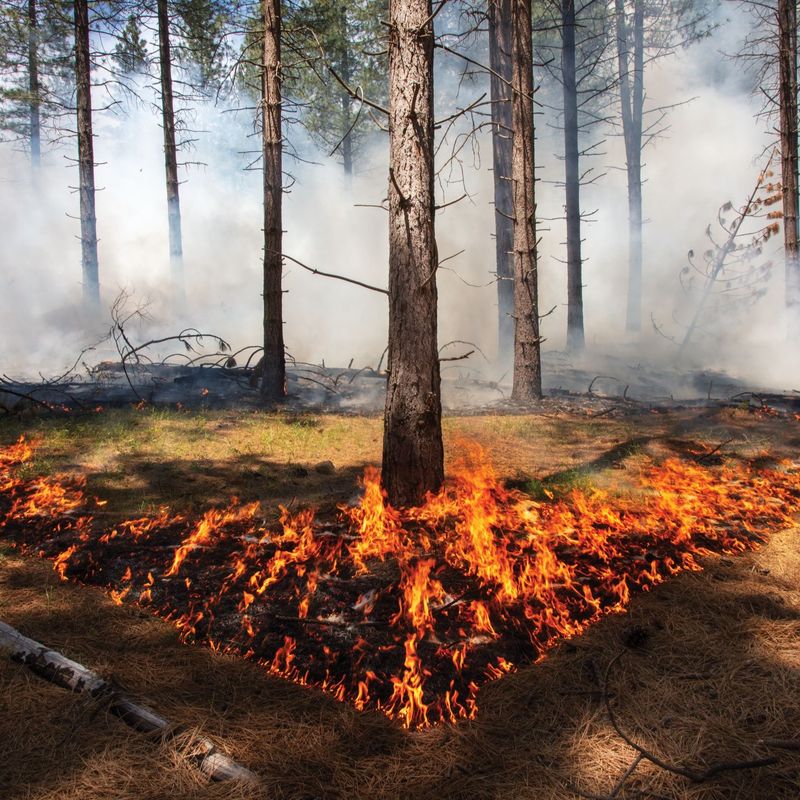
Here is a simple rule for the yard. If a pile sits in a safe spot and meets CAL FIRE clearance advice, leave it be when practical.
If it does not, move it, and let fire safety win.
Guard seedlings with the measures in UC IPM’s slug guidance, and give any lizard the space to go its own way.
A lizard may make a fine neighbor, but your seedlings need a plan of their own.