
A flash of blue, red, and green can turn a quiet Florida yard into the best seat in the neighborhood. Painted buntings reach many Florida wintering areas in fall, though arrival dates vary, and some breed in the state’s northeast.
Native seed plants and nearby shelter can give these shy birds more reasons to stop and feed. No planting guarantees daily visits, but these seven choices can help build a yard worth returning to.
1. Switchgrass
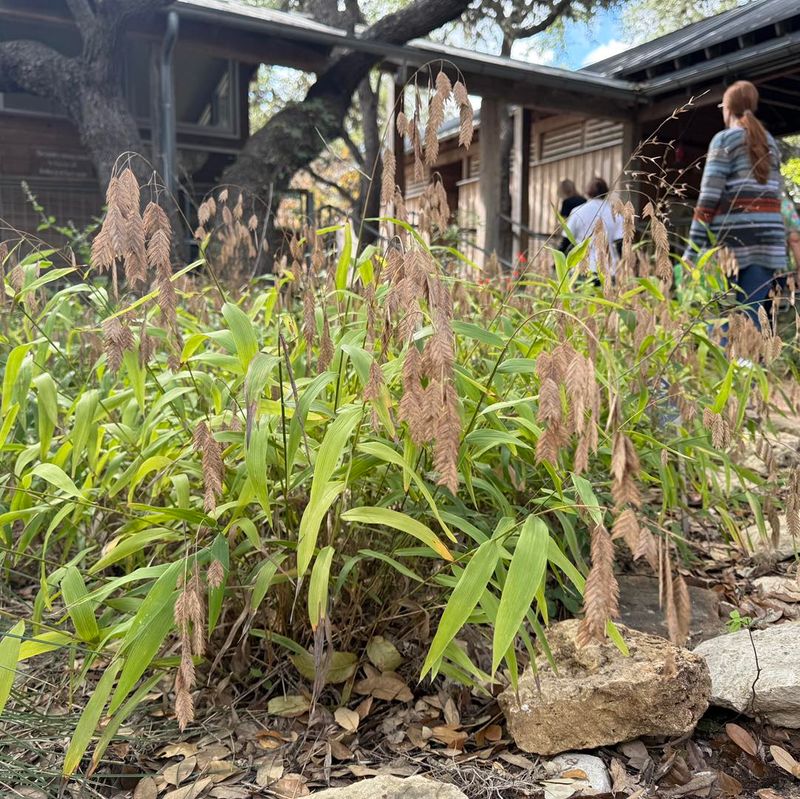
A tidy lawn offers little lunch, but a clump of grass allowed to set seed changes the menu. Switchgrass (Panicum virgatum) produces branching seed heads that add small seeds to a bird-friendly yard, along with upright cover near the ground.
Give it a sunny spot with room to spread into a substantial clump. Many selections reach about 3 to 6 feet tall, so place them behind shorter flowers rather than beside a narrow walkway.
Florida gardeners should choose plants suited to local conditions, preferably from a native nursery that can explain their origin. Switchgrass handles a range of soils, but moisture needs and mature size vary with the selection and planting site.
Leave the seed heads standing through the main fall and winter feeding period instead of trimming them for neatness. When growth needs renewal, cut back in late winter or early spring, adjusting timing for your part of Florida.
For shy buntings, location matters as much as food. Plant a small group near shrubs, while keeping enough open space to spot roaming cats and other predators.
2. Yellow Indiangrass
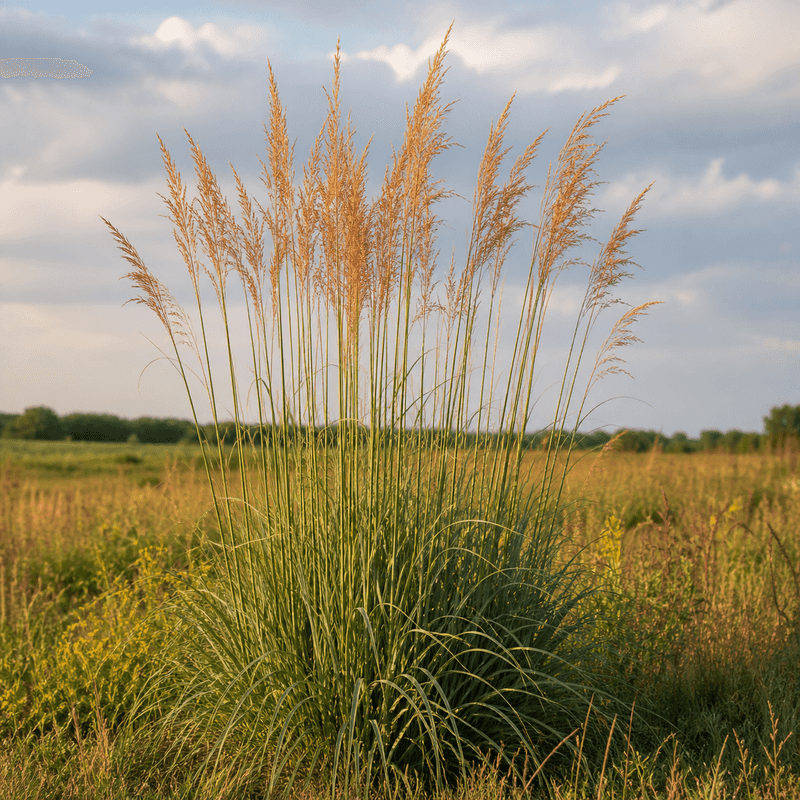
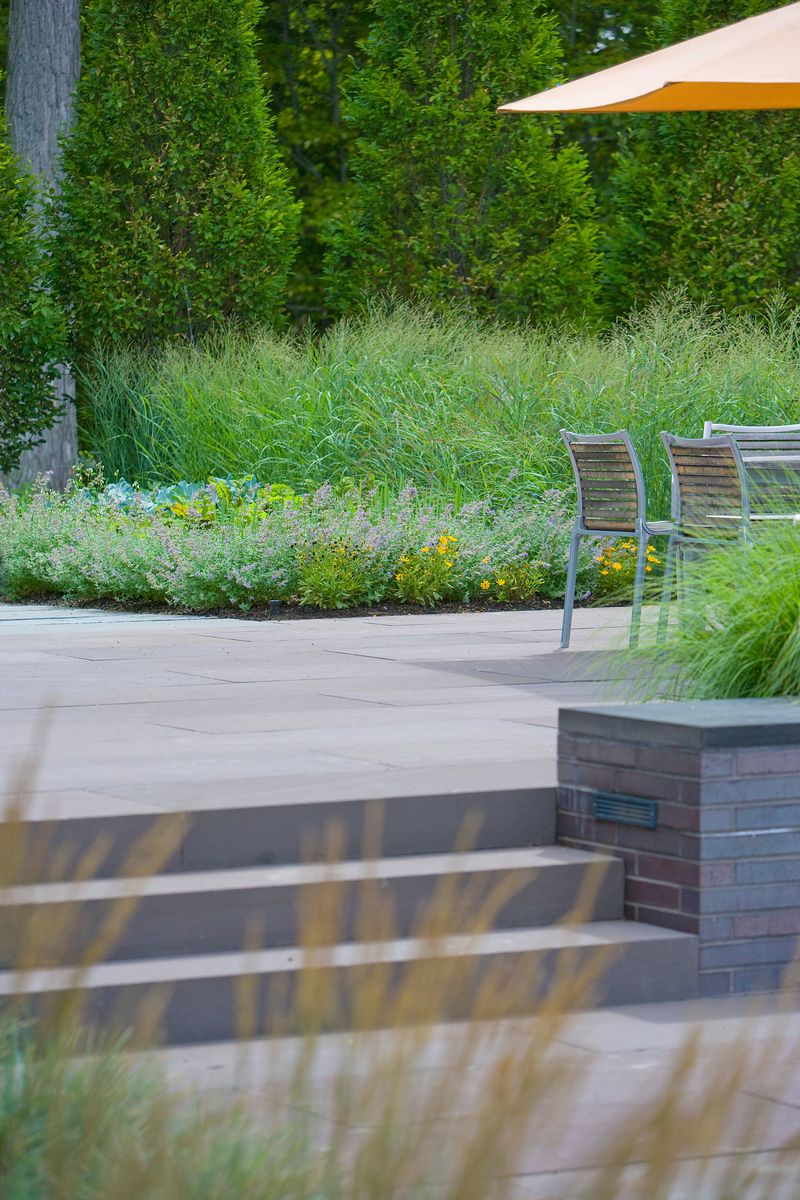
Golden seed plumes can make a wildlife planting look planned rather than forgotten. Yellow Indiangrass (Sorghastrum nutans) brings that polished look while adding another source of grass seed and seasonal cover.
Its strongest fit is a sunny, roomy planting in North or Central Florida where local native-plant guidance supports its use. Ask for the botanical name because several related grasses carry similar common names, and their growing needs differ.
Expect a tall warm-season grass, often reaching roughly 4 to 6 feet when flowering. Use it along a back fence or in a meadow-style bed, not where its stems will flop across a busy path.
Well-drained soil and plenty of sun help it perform without rich amendments. Water during establishment, then adjust irrigation to rainfall and the site’s conditions rather than keeping the bed constantly wet.
Its special contribution is height: seed heads rise above lower flowers while the clump adds texture below. Keep those stems through winter, and combine the grass with a dense shrub nearby so feeding birds have somewhere to retreat.
3. River Oats
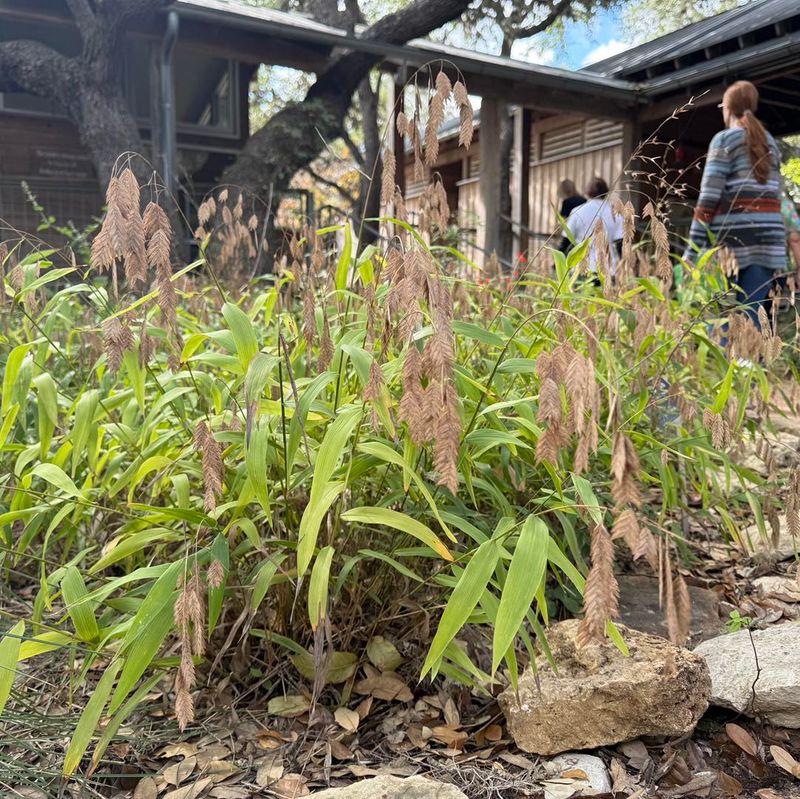
Got a shady corner where sun-loving seed plants struggle? River oats (Chasmanthium latifolium) gives suitable North Florida gardens a way to bring seed-bearing grass into part shade.
The dangling, flattened seed clusters are easy to recognize and look attractive as they turn from green to bronze. Broad leaves give the plant a softer, woodland feel than the narrow blades of many meadow grasses.
Choose a site with moist, well-drained soil and some protection from harsh afternoon sun. It is not a statewide solution for hot, dry sand, and gardeners farther south should check its local suitability before buying.
River oats can reseed freely where it is happy, which is useful in a natural border but less welcome beside a carefully arranged flower bed. Start with a small patch and pull unwanted seedlings while they are young.
Let part of the seed crop remain available instead of removing every stalk. Paired with nearby woody cover, this grass helps extend a bird-friendly feeding area into the shaded edges that painted buntings often prefer to exposed lawn.
4. Knotroot Foxtail
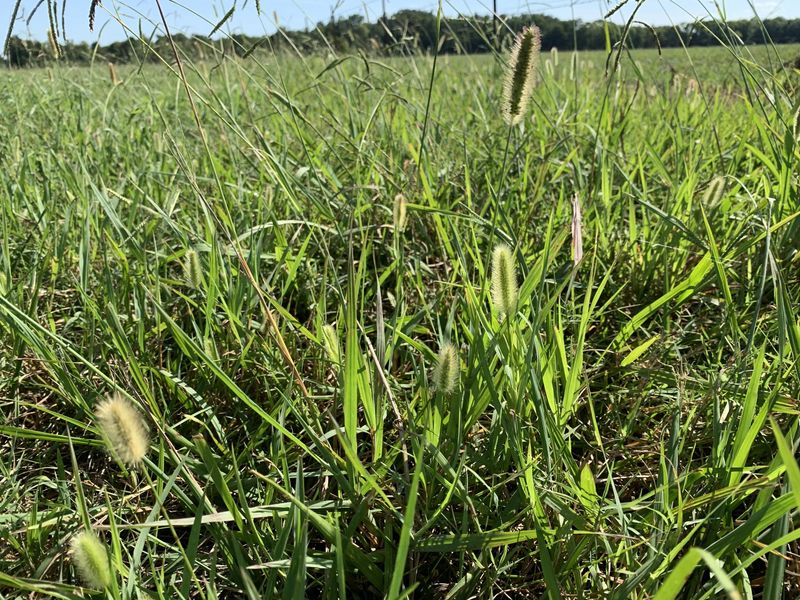
Not every useful bird plant needs showy flowers or a nursery display of its own. Knotroot foxtail (Setaria parviflora) earns its place through the small seeds packed into its bristly flower heads.
Painted buntings eat many kinds of small seeds, making native seed-bearing grasses a sensible foundation for their habitat. A patch of foxtail adds a different feeding structure from the loose, airy heads of switchgrass.
Grow it in sun or light shade where the soil has some moisture, especially in an informal habitat bed. It can spread through short rhizomes and seed, so avoid putting it in the middle of a tightly managed ornamental border.
Identification deserves extra care here. Florida has several grasses called foxtail, including nonnative species, so buy from a knowledgeable native grower or have an existing patch identified before encouraging it.
Keep the planting clear of broad-spectrum insecticides and leave mature seed heads in place. If the patch expands too far, reduce its edges rather than mowing the whole area during the feeding season.
5. Leavenworth’s Tickseed
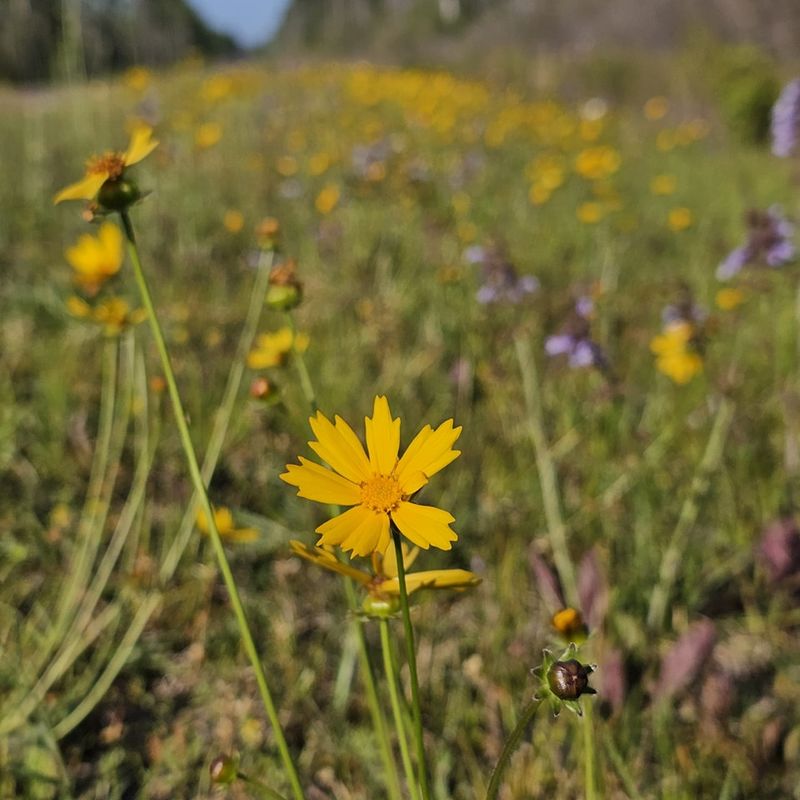
Yellow flowers can do double duty when you resist the urge to snip off every faded bloom. Leavenworth’s tickseed (Coreopsis leavenworthii) adds bright color first, then contributes small seeds to a more varied backyard food supply.
This Florida native often behaves as an annual or short-lived perennial, renewing itself through seed where conditions suit it. Its light, branching growth fits a loose wildflower bed better than a formal row of identical plants.
Choose full sun and a site with some soil moisture, particularly while plants are getting established. Florida’s fast-draining sand may need closer attention during dry spells, but constant fertilizer is not the answer.
For a useful balance of flowers and food, deadhead only part of the planting. Let other stems turn brown and release seed, giving birds feeding opportunities while allowing the patch to renew itself.
Tickseed also attracts insects, which are part of painted buntings’ diet, especially during breeding season. Think of it as the flowering layer in the habitat, not a promise that buntings will choose it over every other seed source.
6. Seaside Goldenrod
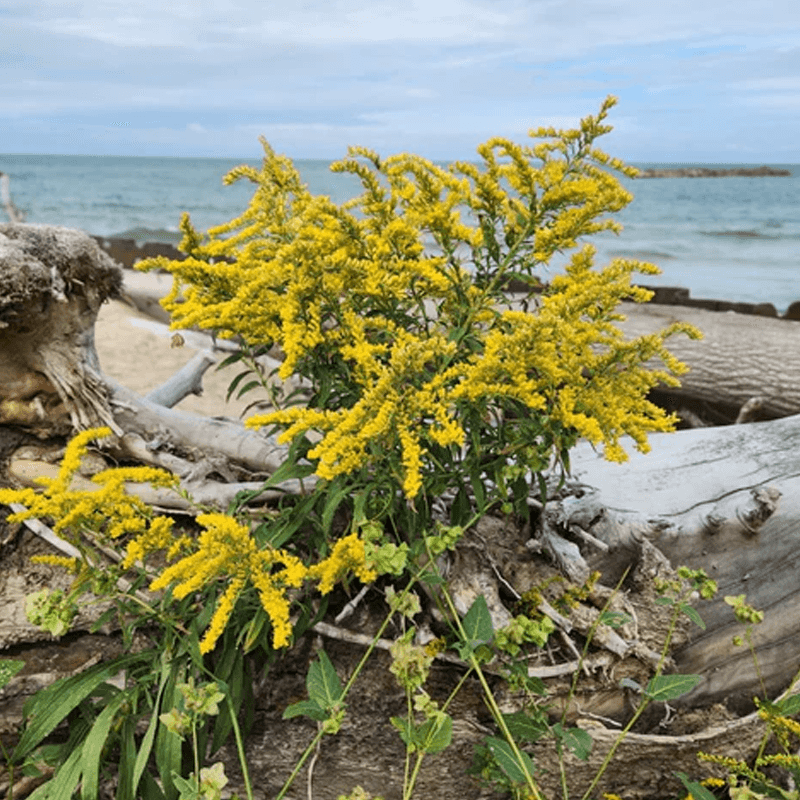
Along Florida’s coast, salt spray can narrow the plant list fast. Seaside goldenrod (Solidago sempervirens) handles coastal conditions while adding fall flowers, insect activity, and later seed-bearing stems.
Its sturdy form makes it useful toward the back of a sunny border. Depending on conditions, flowering stalks can reach several feet tall, so allow space instead of squeezing it between low entryway plants.
Plant it in full sun with good drainage, and water regularly until roots establish. Coastal tolerance does not mean a new transplant can survive without care, especially during a dry stretch in sandy soil.
The yellow flower clusters support many visiting insects; afterward, the maturing heads add another layer of small seeds. Its role here is broader habitat support, not a claim that seaside goldenrod is a favorite painted bunting food.
Keep some standing stems through winter and remove unwanted seedlings when small. For a cleaner front-yard look, group several plants behind a low border, allowing the goldenrod to look deliberate while retaining the seed heads that a heavily trimmed garden would lose.
7. Wax Myrtle
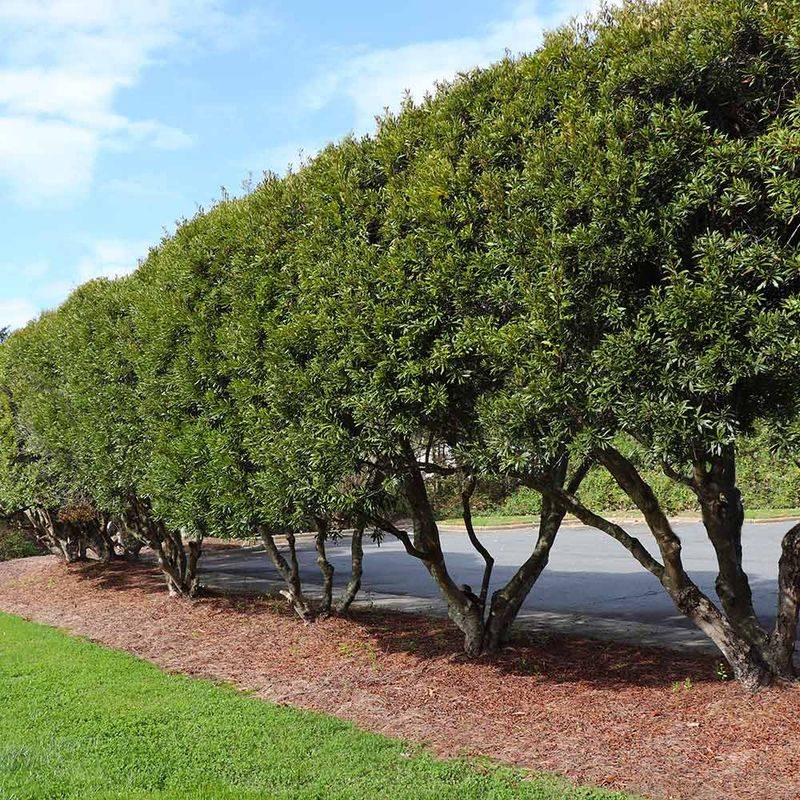
A seed patch feels safer when there is a quick escape nearby. Wax myrtle (Morella cerifera) supplies that missing piece with evergreen branches that can shelter painted buntings between feeding trips.
Unlike the grasses and flowers on this list, its main job is cover rather than seed production for buntings. Female plants can bear waxy fruits used by other birds, but those berries should not be presented as a primary painted bunting food.
Wax myrtle grows across much of Florida and tolerates a range of soils once established. Give it sun to partial shade and enough room for a large shrub or small tree, often 10 to 20 feet tall.
Choose nursery stock suited to your area and water it during establishment. If space is limited, ask about an appropriate smaller native option rather than relying on constant hard pruning.
Allow some branches to remain low instead of turning every plant into a bare-trunked specimen. Place seed-bearing plants nearby, keep cats indoors, and avoid pesticides so the whole planting offers food, cover, and a safer place to linger.