
An iguana can turn a flower bed into bare stems before you finish your morning coffee. In South Florida, choosing less tempting plants can mean fewer replacements and a better-looking yard.
The seven plants below are commonly suggested as less appealing choices, though no plant is completely iguana-proof and controlled feeding research is limited. Match them to your yard, protect new plantings, and avoid treating any one plant as an invisible fence.
1. Croton
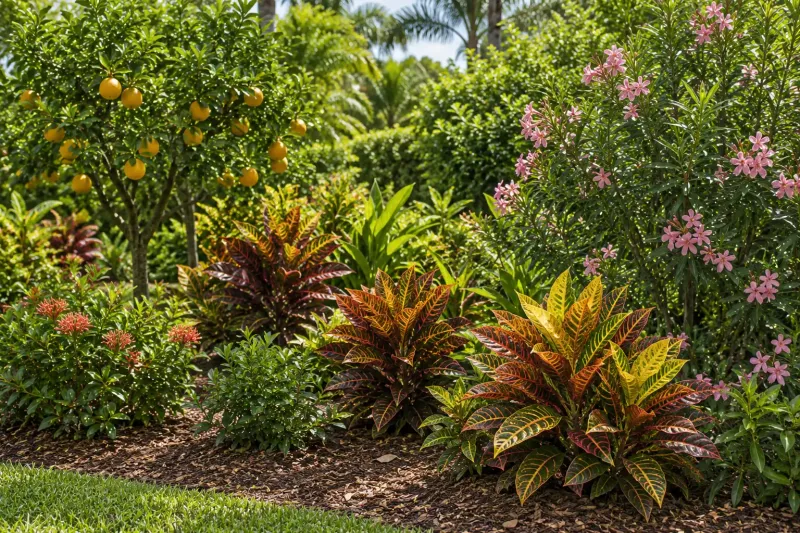
A front bed does not need flowers to look colorful. Croton, Codiaeum variegatum, brings red, gold, orange, and green into the landscape through its bold leaves, making it useful when iguanas keep removing softer flowering plants.
Crotons are commonly included among less-preferred landscape choices for green iguanas. Their tough foliage makes them a reasonable replacement to test, but it does not guarantee that hungry animals will ignore every leaf or tender shoot.
Give crotons a warm, sheltered spot in South Florida with well-drained soil. Many varieties develop strong color with good light, although harsh afternoon exposure can scorch plants raised under shade.
Follow the nursery’s light recommendation and move container plants into brighter conditions gradually.
Water regularly during establishment, then adjust irrigation to rainfall and soil moisture rather than keeping the bed constantly wet. These shrubs dislike frost, so colder parts of Florida are better suited to containers that can be sheltered.
Wear gloves when pruning because the sap can irritate skin. Keep plants away from pets or children likely to chew leaves, and protect small replacements until you see how local iguanas respond.
2. Ixora
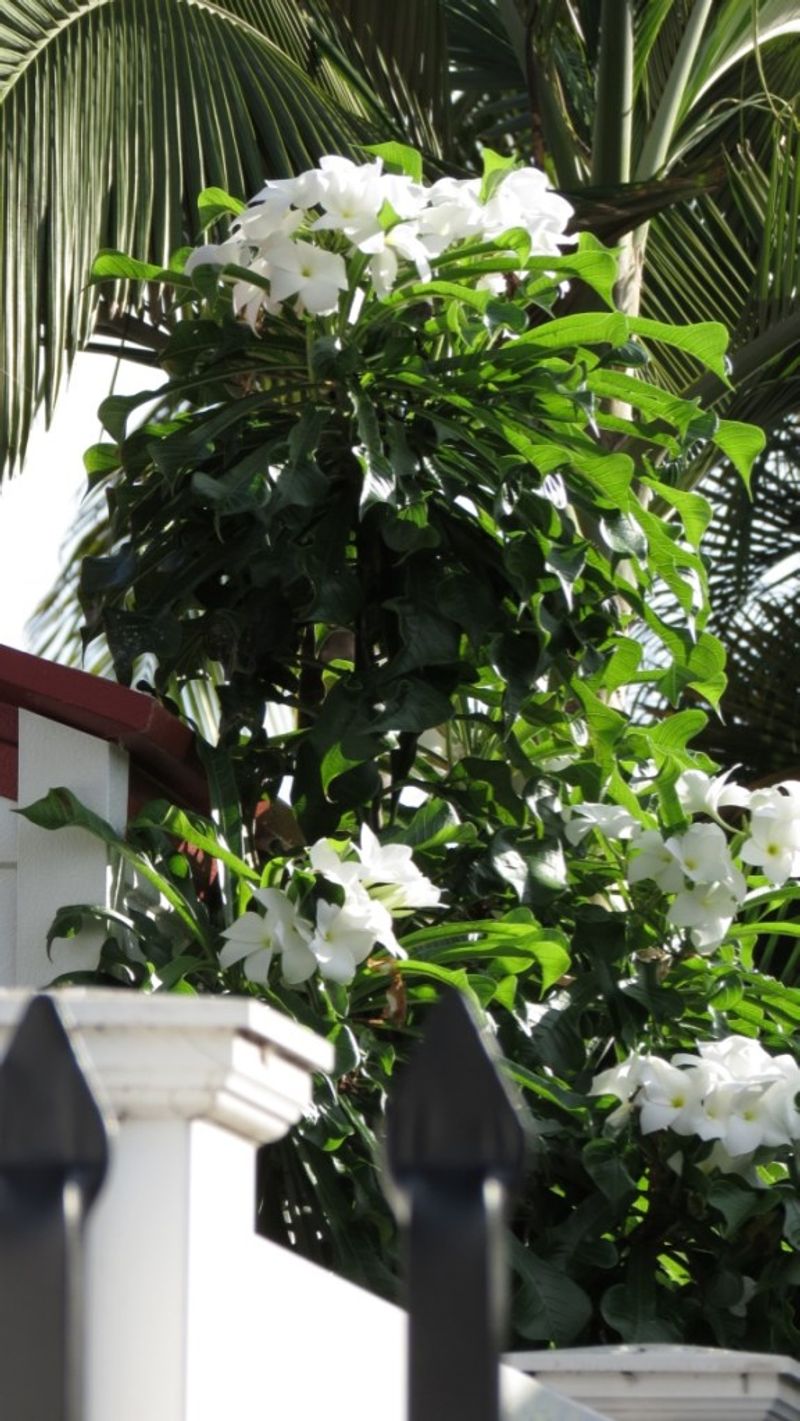
Clusters of tiny flowers can give a tidy hedge a surprisingly bright finish. Ixora supplies that look without relying on the broad, tender blossoms that make some tropical beds such easy browsing targets.
Often suggested as a less appealing plant for iguanas, ixora is worth considering for a sunny foundation bed or low border. Its main advantage here is combining evergreen structure with flowers, rather than asking you to choose between the two.
The catch is soil chemistry. Ixora prefers acidic soil and can develop yellow leaves in alkaline conditions, especially near concrete, limestone fill, or building foundations.
A struggling shrub will not become an easy-care success simply because iguanas pass it by.
Choose a site with good drainage and sun to light shade, then check soil pH before buying a whole row. In strongly alkaline yards, a large container with suitable potting mix may be the more practical choice.
Select a cultivar whose mature size fits the space so frequent shearing is unnecessary. Let new plants establish with consistent moisture, and inspect young growth for browsing before expanding the planting.
3. Oleander
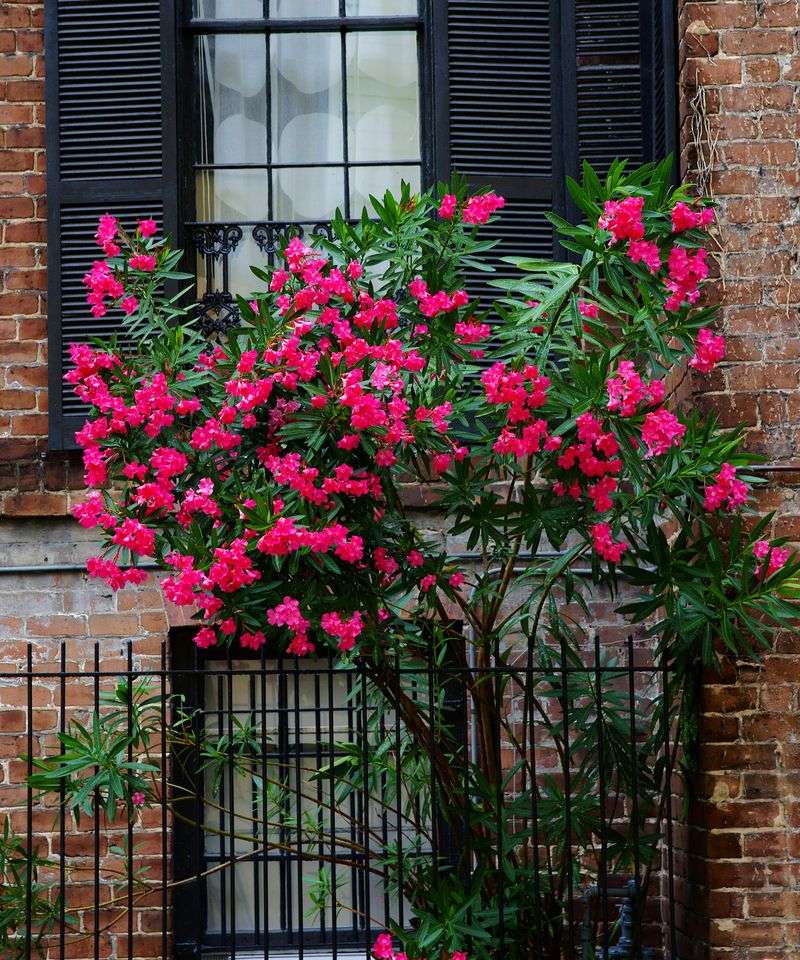
For a hot, exposed boundary, few flowering shrubs look as unfazed as oleander. Its narrow, leathery leaves and pink, white, or red blooms suit sunny Florida landscapes where a substantial shrub has room to grow.
Oleander is commonly listed among plants iguanas tend to avoid. However, its place on this list comes with the strongest safety warning: all parts are highly poisonous to people and pets if eaten.
Do not use it around play areas, pet runs, vegetable beds, or anywhere livestock could reach fallen clippings. Never burn prunings, and wear gloves when handling the plant.
It is a poor choice for households where accidental chewing is a realistic concern.
Where those risks can be managed, plant oleander in full sun and freely draining soil. Established shrubs tolerate dry conditions, but new plants still need careful watering while roots spread.
Check the mature size before planting near windows or walkways, since some selections become large shrubs. Choose oleander only because it fits the site and household, never as a way to poison wildlife or create a toxic barrier.
4. Native Milkweed
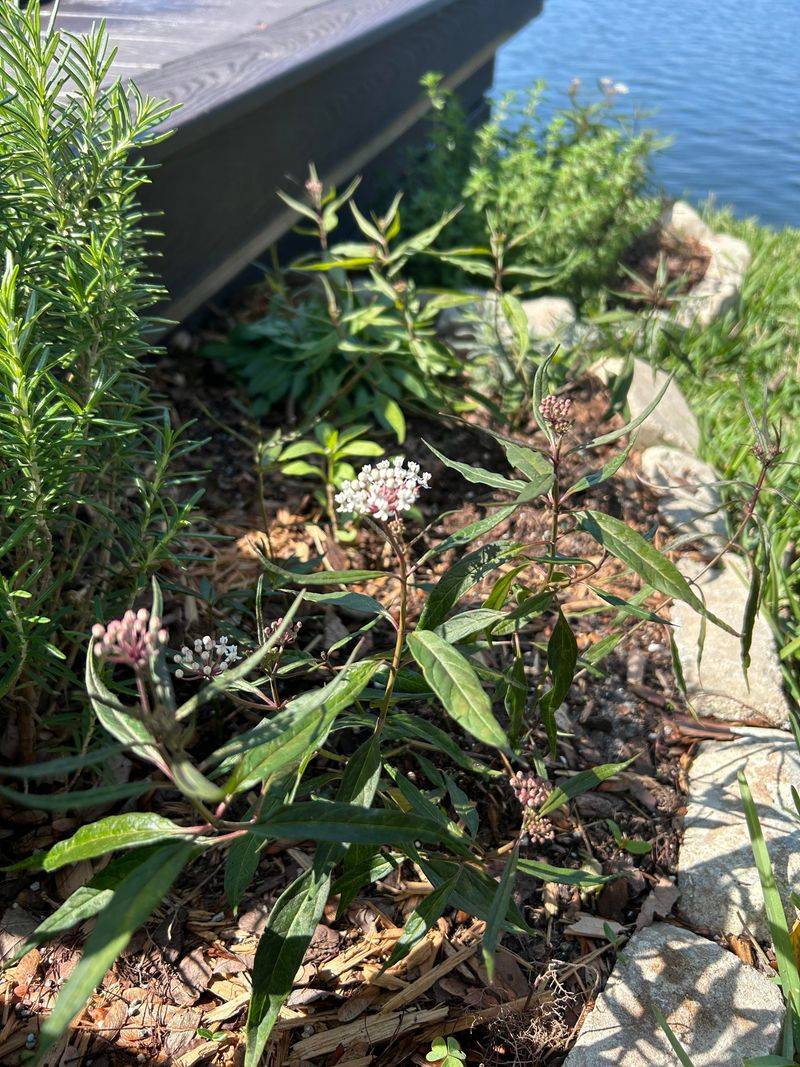
A few missing leaves can be good news when monarch caterpillars are responsible. Native milkweed offers a different goal from the other plants here: less tempting greenery for iguanas, plus a food source for native butterfly caterpillars.
Milkweeds contain defensive chemicals and are commonly mentioned among plants iguanas tend to leave alone. That does not make them damage-proof, and caterpillars may strip a plant even when reptiles never touch it.
Choose a Florida-native species suited to your conditions rather than grabbing whichever milkweed is flowering at the store. Aquatic milkweed, Asclepias perennis, suits moist sites, while butterflyweed, Asclepias tuberosa, needs a well-drained location.
Local native nurseries can help match species to your county.
Avoid assuming every native milkweed belongs in a dry, sunny bed. Matching moisture and light needs is what separates a lasting planting from another replacement purchase.
Skip insecticides on caterpillar host plants, and keep the milky sap away from eyes and skin. Milkweed is also toxic if eaten, so place it thoughtfully around children and pets.
Expect seasonal changes rather than a permanently full-looking border.
5. Citrus
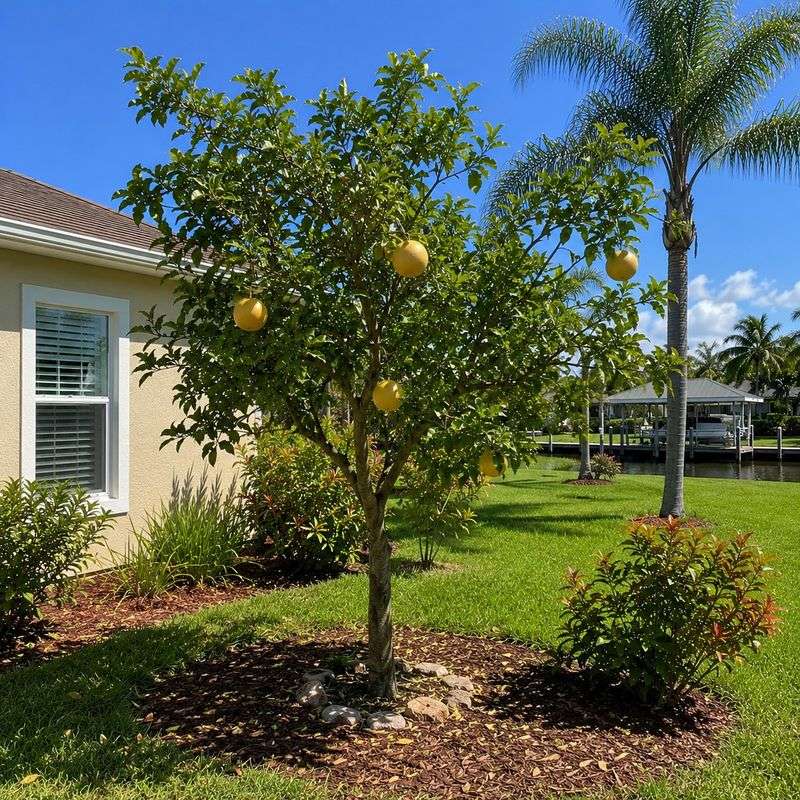
Keeping something useful in the yard feels especially rewarding after losing ornamental plants to browsing. Citrus offers fragrant flowers, evergreen foliage, and possible fruit, while its leaves are generally considered less attractive to iguanas than many soft-leaved garden favorites.
Think of that as reduced temptation, not complete protection. Tender flushes, fallen fruit, and other visitors can still create problems, and a citrus tree will not keep iguanas away from nearby vegetables.
Start with a healthy tree from a reputable nursery and check current UF/IFAS guidance for varieties and rootstocks suited to your location. Citrus greening is widespread in Florida, so lower iguana appeal does not mean a low-maintenance fruit crop.
Plant in full sun where water drains promptly after heavy rain. Keep the root flare at the correct level, avoid piling mulch against the trunk, and leave enough space for inspection and care.
A compact selection in a large container can suit a patio, provided watering and nutrition are managed closely. Protect small trees from physical damage, collect fallen fruit, and judge success by overall tree health rather than assuming every damaged leaf came from an iguana.
6. Pentas
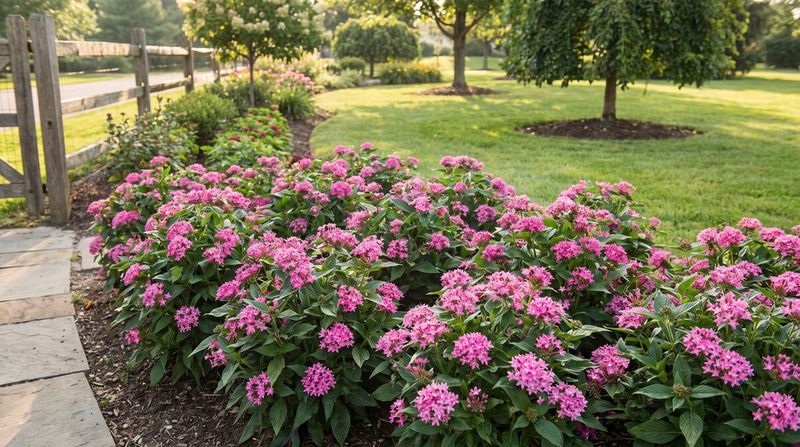
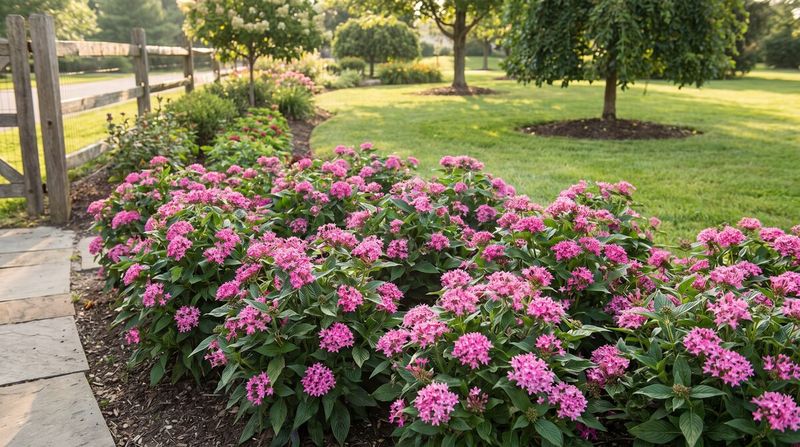
Butterflies can keep the flower bed busy even when the planting plan becomes more practical. Pentas produces clusters of star-shaped blooms through much of Florida’s warm weather, giving gardeners a colorful alternative to frequently browsed favorites.
Pentas is often included in local recommendations for less-preferred iguana plants. Treat that reputation as a reason for a small trial, not proof that every cultivar will escape feeding in every neighborhood.
Its special value is nectar. Open-flowered selections can bring butterflies into a sunny bed, so you can replace lost flowers without giving up wildlife interest.
Choose plants with healthy foliage and plenty of unopened buds rather than relying only on a full display at purchase.
Provide sun, well-drained soil, and enough room for the cultivar’s mature spread. Water at the root zone during establishment, and avoid keeping sandy soil constantly soaked with frequent automatic irrigation.
Trim lightly when growth becomes loose, and remove badly faded flower clusters if appearance matters. Cold weather can damage pentas, particularly outside South Florida.
Plant a few first, observe them through local iguana visits, and add more only if they perform well.
7. Coontie
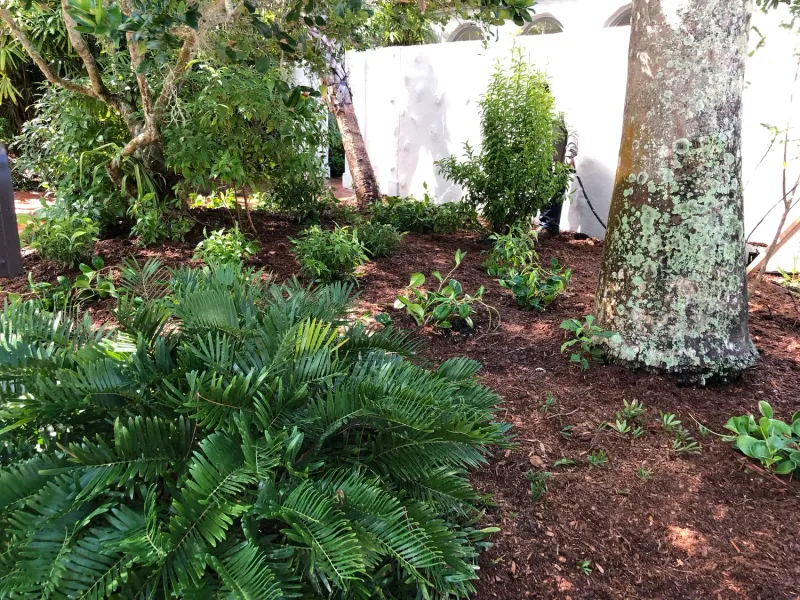
Not every replacement needs to bloom to earn its space. Coontie, Zamia integrifolia, gives Florida beds a low, sturdy framework of arching leaves that looks at home beneath open trees or along a broad foundation border.
This native cycad is a candidate where tough foliage and reduced browsing appeal matter more than flowers. Cycads are generally less attractive to iguanas, but coontie should still be treated as a plant to test rather than a guaranteed solution.
Once established in a suitable site, coontie tolerates dry spells and needs little shaping. Plant it in well-drained soil, allow room for its mature width, and keep mulch away from the crown.
Standing water and excessive irrigation can undermine its otherwise durable character.
Coontie also supports the native atala butterfly as a caterpillar host. Feeding damage from those caterpillars is a different issue from iguana browsing and can be part of a wildlife-friendly garden.
All parts are poisonous if eaten, with seeds presenting a particular concern around pets and children. Buy nursery-grown plants, never collect them from the wild, and use temporary protection for new specimens while learning what your neighborhood iguanas will actually ignore.