
Big-box garden centers in California often stock the same thirsty plants from out of state, and the few natives they carry can cost more than you’d expect. Specialty native nurseries grow plants that are adapted to our wet winters and long, dry summers, and many sell them at friendly prices.
Choosing natives can help bees, butterflies, and birds while cutting your water bill. Here are ten nurseries that may be worth a weekend road trip, plus what makes each one special.
1. Theodore Payne Foundation Nursery, Sun Valley
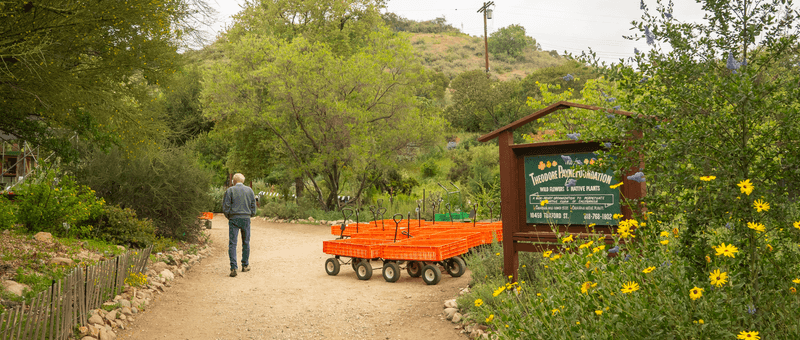
Back in 1903, an English gardener named Theodore Payne arrived in Los Angeles and fell hard for the wildflowers he saw blanketing the hills. His legacy lives on at this nonprofit nursery tucked into the Sun Valley foothills.
Buying here supports seed saving and education, not a corporate bottom line.
The selection runs deep, with hundreds of species from Southern California habitats. You can find unusual buckwheats, local sages, and native bunchgrasses that rarely appear at chain stores.
Prices on one-gallon plants are often competitive with or lower than big-box natives.
Spring brings their famous wildflower hotline and seed sales. Staff can help you match plants to inland heat or coastal fog, which takes much of the guesswork out of a lawn conversion.
2. Las Pilitas Nursery, Santa Margarita
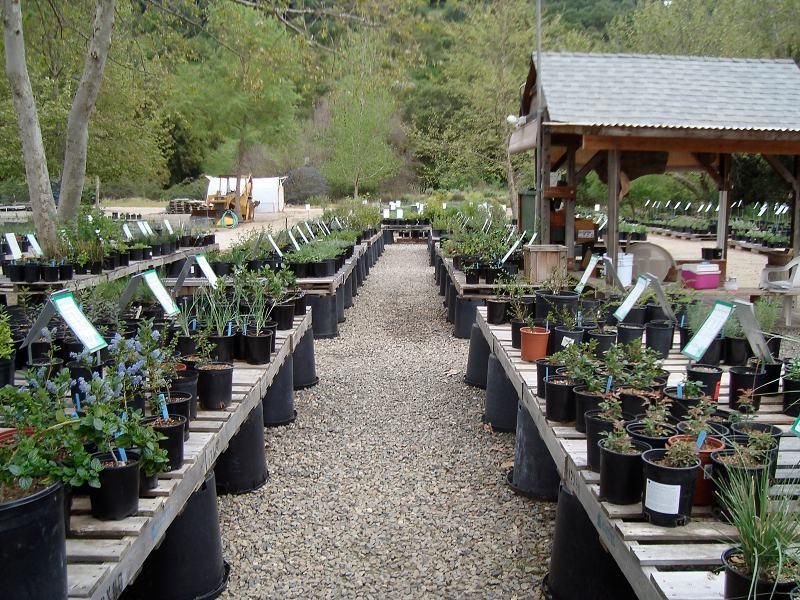
Picture a dirt road, oak woodland, and a nursery that feels more like a ranch than a store. Las Pilitas has been growing California natives in San Luis Obispo County for decades, and their plant list is enormous.
Collectors love the range of manzanita and ceanothus cultivars, plus hard-to-find chaparral shrubs. Many plants are grown in conditions close to real California weather, so they may adapt more easily once planted.
Their website is packed with free planting guides sorted by habitat and zone. Check hours before you go, since the rural location keeps a limited schedule.
3. Tree of Life Nursery, San Juan Capistrano
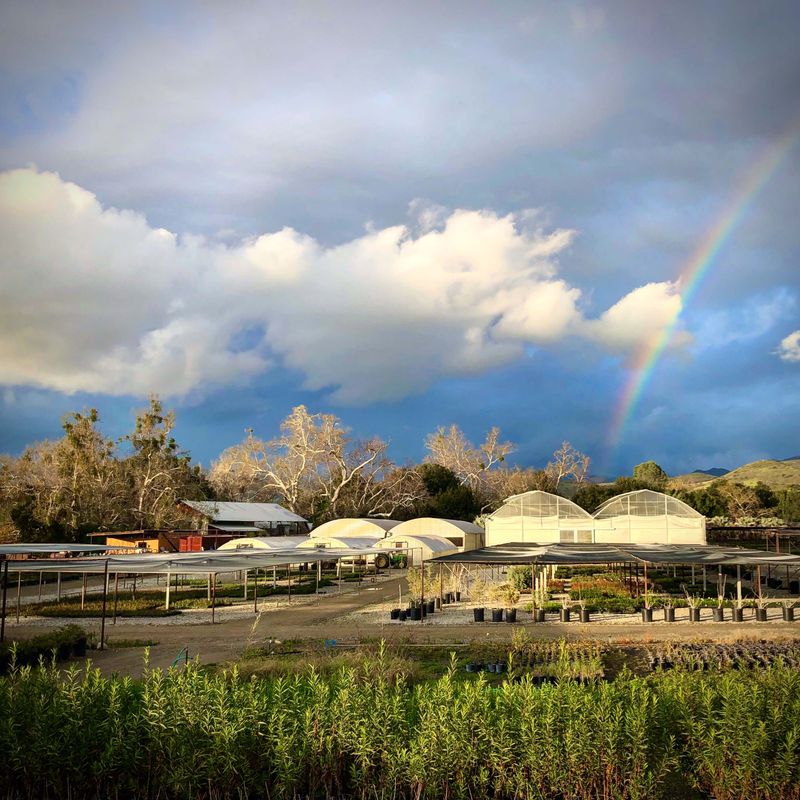
Few nurseries feel as calm as this one. Set in a canyon near San Juan Capistrano, Tree of Life grows natives on a large scale, which helps keep prices reasonable for homeowners planning big projects.
Orange County gardeners come here for coastal sage scrub plants like California sagebrush, black sage, and coyote brush. Those plants can support native bees and birds that struggle in tidy, lawn-heavy suburbs.
The retail area has demonstration gardens showing how plants look when mature. Seeing a grown hummingbird sage in person beats any plant tag photo.
4. Annie’s Annuals and Perennials, Richmond
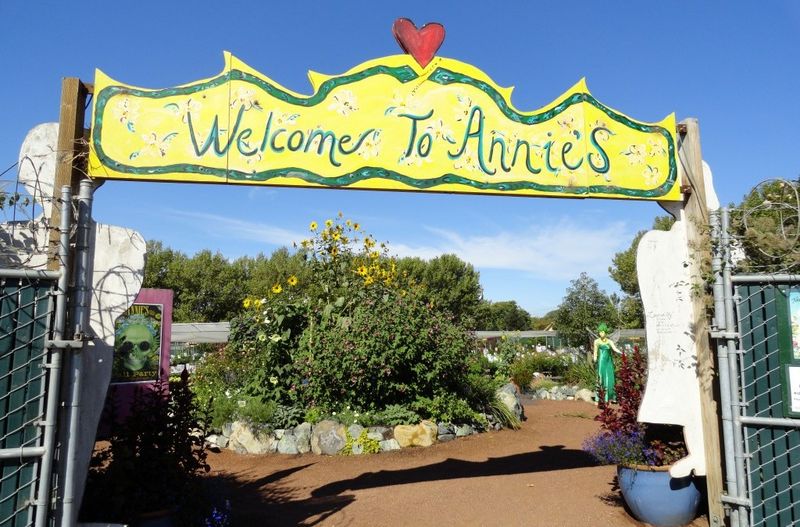
Walking into Annie’s feels a bit like raiding a candy store. While not strictly native-only, this Richmond favorite carries a big, rotating lineup of California wildflowers and perennials you will almost never see at a chain store.
Look for clarkias, phacelias, gilias, and native penstemons sold in small four-inch pots. Those smaller sizes keep costs low, and young plants often settle in faster than larger ones.
Their tags are honest and funny, with real details about water needs and pollinator value. Go early on spring weekends, because the rare stuff sells quickly.
5. Larner Seeds, Bolinas
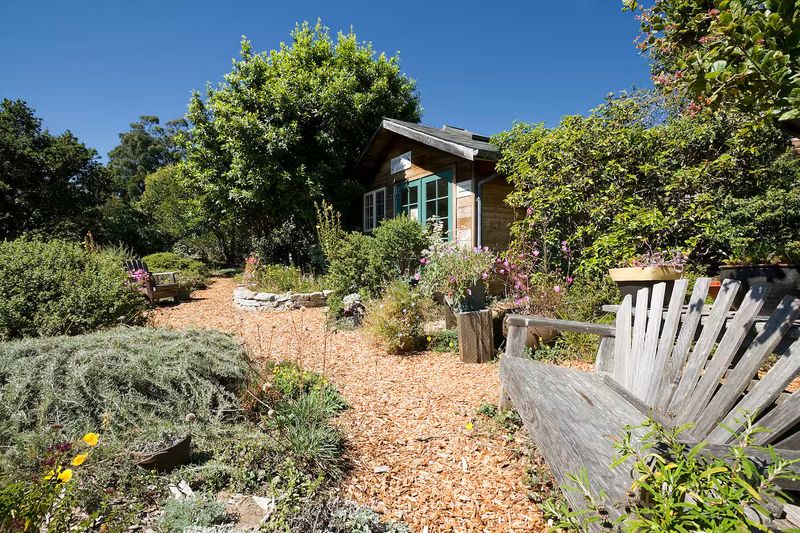
Sometimes the cheapest native plant is the one you grow from seed. Larner Seeds in Bolinas has specialized in California native seeds since the 1970s, and a single packet can fill a whole bed.
Their demonstration garden shows coastal natives in action, and the small nursery offers plants too. Seeds of local wildflowers and bunchgrasses can be a budget-friendly way to replace lawn.
Sow in fall, right before winter rains. Nature handles much of the watering, which fits California’s water-wise goals.
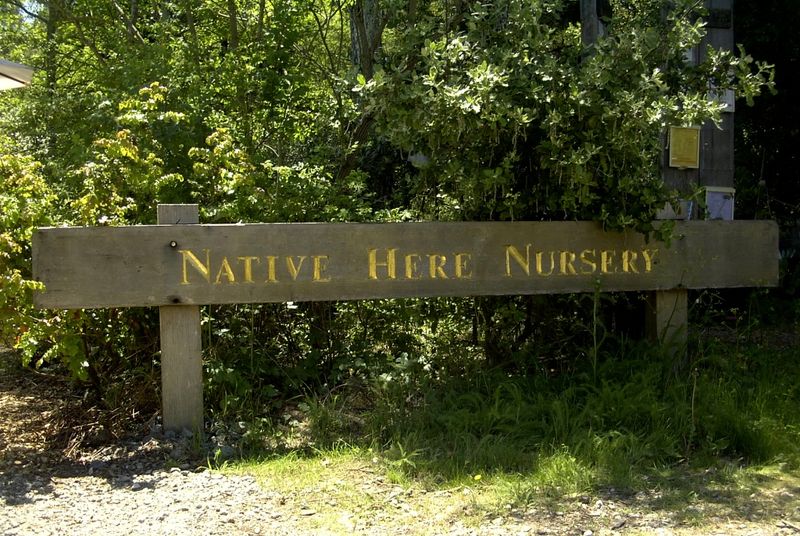
6. Native Here Nursery, Berkeley
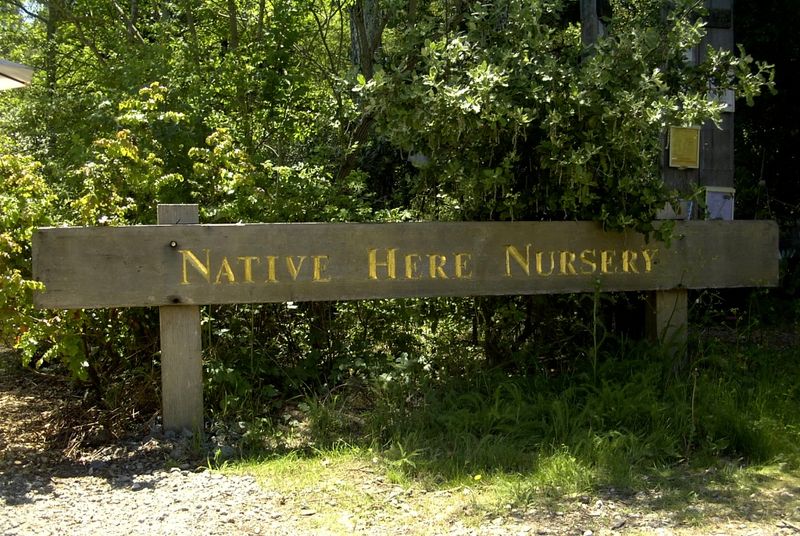
Volunteers run this little gem in the Berkeley hills, and its mission is wonderfully specific. Native Here grows plants from seeds and cuttings collected in Alameda and Contra Costa counties.
That local sourcing matters. Plants grown from nearby wild populations may be better matched to local soils and the insects that depend on them.
Prices are modest, and proceeds support the California Native Plant Society’s East Bay chapter. If you live in the area, it is one of the most meaningful places to shop.
7. Watershed Nursery, Richmond
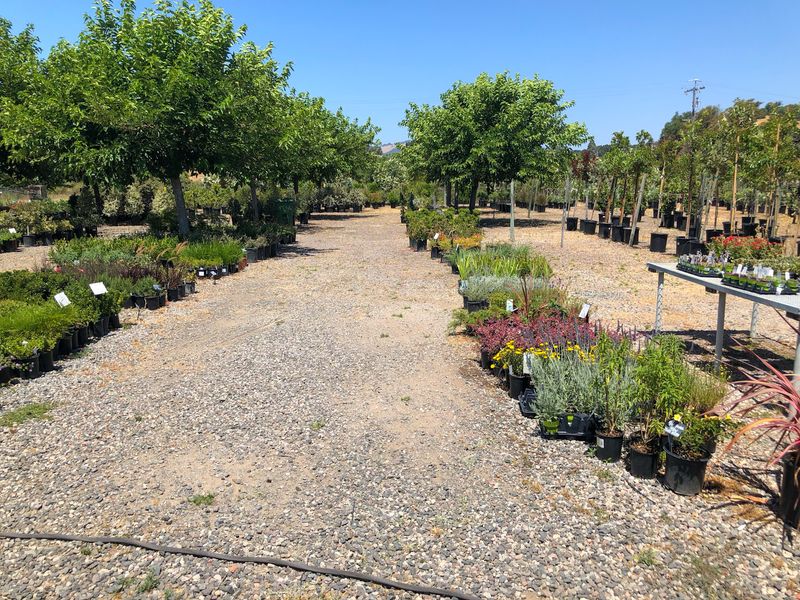
Restoration crews have relied on Watershed Nursery for years, and homeowners can tap that same expertise. The focus is on plants that help creeks, slopes, and wildlife habitat recover.
Expect sedges, rushes, coffeeberry, and native grasses that can stabilize soil and cut runoff. These are useful choices for rain gardens or sloped yards.
Because they grow in volume, prices tend to stay fair. Ask staff about plants for bioswales if you are trying to capture winter rain.
8. Matilija Nursery, Moorpark
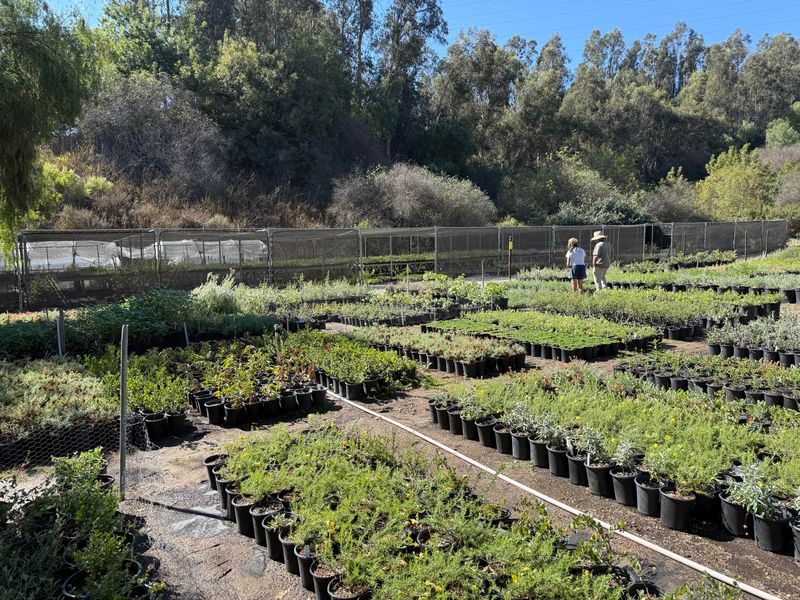
Named after the giant fried-egg flower, Matilija Nursery in Moorpark is a destination for serious native fans. Its stock includes plenty of Southern California specialties alongside a few drought-friendly companions.
Shoppers often find unusual ceanothus, island natives, and fire-season-aware choices for hillside homes. Staff can talk through which plants may suit defensible-space zones.
Hours can be limited, so call ahead. The drive through Ventura County farmland is part of the charm.
9. Moosa Creek Nursery, Valley Center
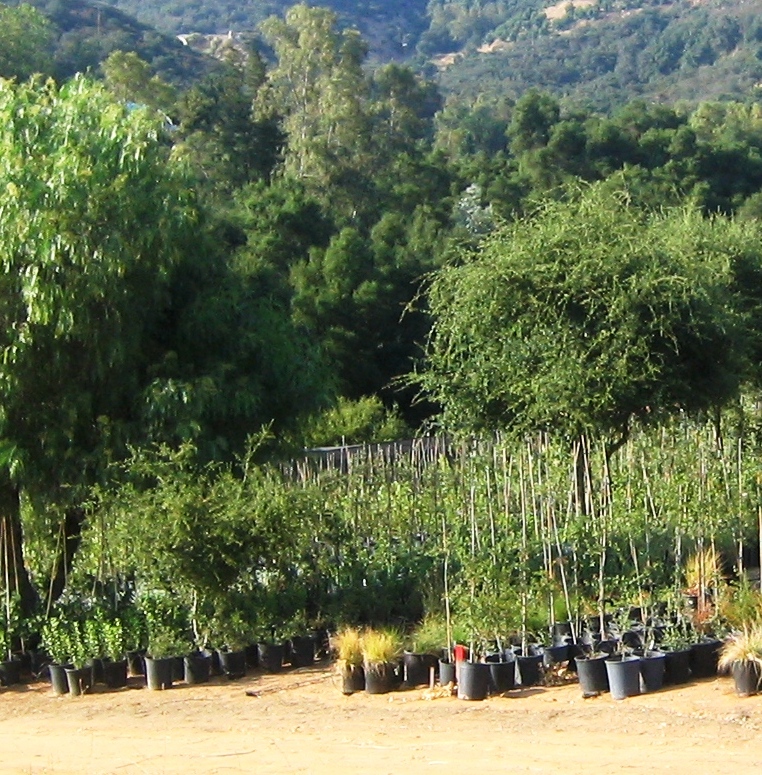
San Diego gardeners, take note. Moosa Creek grows natives on a large scale in Valley Center, supplying many of the region’s restoration and landscape projects.
Retail customers can sometimes buy at prices that beat garden centers, especially on larger orders. Look for San Diego-adapted plants like lemonade berry, white sage, and toyon.
Check their retail days and availability lists before driving out. Planting in late fall gives roots a full rainy season to grow.
10. CNPS Chapter Plant Sales Statewide
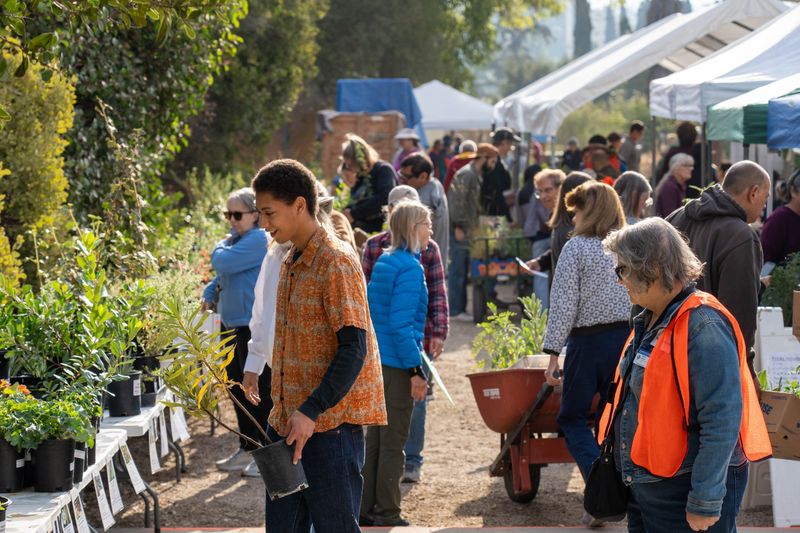
Not every great deal lives at a permanent address. California Native Plant Society chapters across the state hold fall and spring plant sales that can rival any nursery for price and variety.
Volunteers often grow the plants themselves, and local experts answer questions for free. You might find rare regional species that never reach commercial shelves.
Fall sales line up perfectly with California’s ideal planting window. Bring a wagon, arrive early, and leave with a car full of habitat for your yard.
Whichever stop you choose, a native nursery visit can turn a thirsty yard into a living, water-wise space. Start with a few plants this fall and watch the pollinators arrive.