
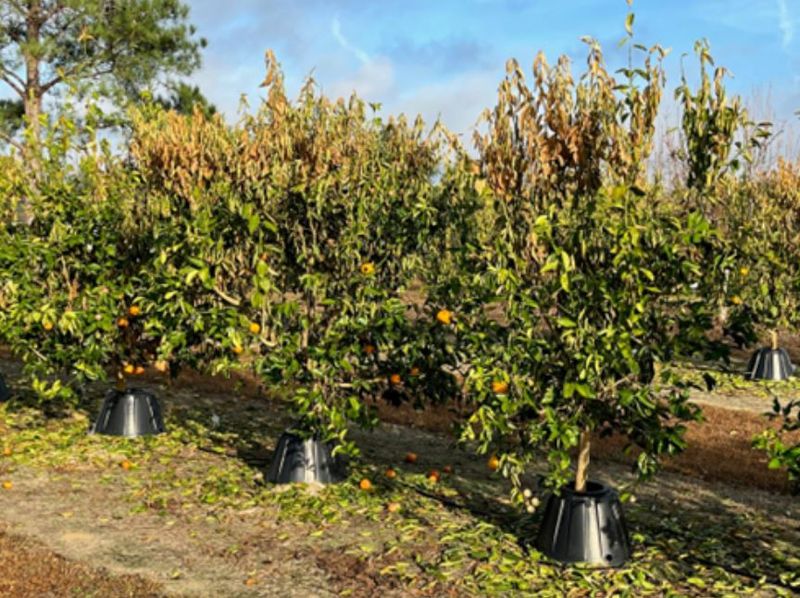
The morning after a hard frost, a once-green fig or citrus can look like it was scorched. Leaves turn black or limp, and many gardeners grab the pruners right away to tidy up.
That urge is natural, but the branches underneath may be more alive than they look. A little patience can keep you from cutting wood that might still grow.
Black leaves do not tell you whether a branch survived
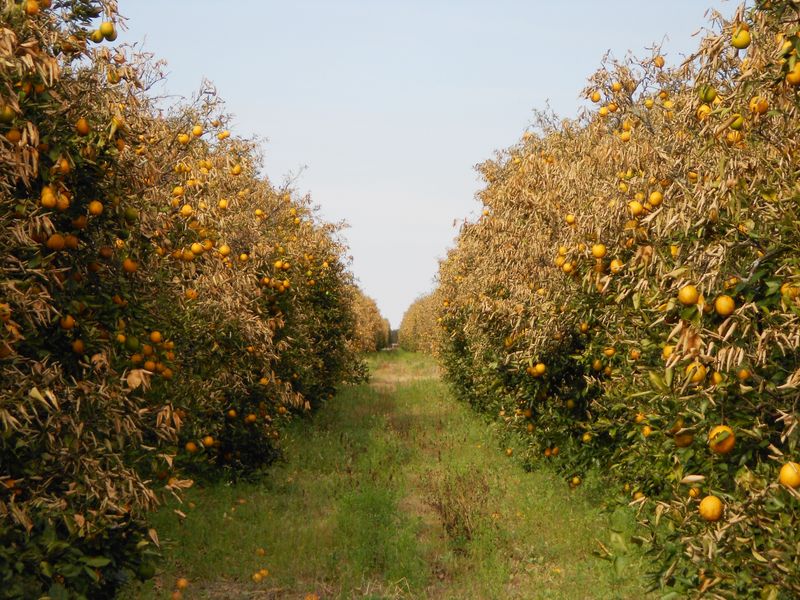
Few sights make a gardener reach for the pruning shears faster than a lemon or orange tree draped in blackened, drooping leaves. The tree looks finished, and cleaning it up feels like the responsible thing to do.
But leaf color is only a report on the leaves.
Wood is a different story. UF/IFAS freeze-damage guidance for citrus explains that symptoms and recovery vary, and that a citrus tree can lose leaves while the wood stays alive.
The opposite can happen too. Texas A&M AgriLife Extension notes that citrus damage can become apparent over time.
So black leaves are a clue that cold hit the plant, not proof that any branch is dead. Telling leaf damage apart from branch survival is the key to everything that follows.
Why wait before pruning woody growth?
Cold injury does not always show itself on day one. The full extent of harm to branches and stems can take weeks to appear, and a cut made too early may remove wood that was still alive.
Waiting lets the plant show you what it has left.
There is also the chance of another freeze. Fresh cuts and a tidied-up plant are not ideal going into more cold, so holding off on big pruning decisions is the safer habit.
Insulation plays a small role as well. UF/IFAS cold protection advice says cold-damaged leaves and stems can provide some insulation.
That is a general benefit, not a rule that every damaged leaf must stay put. If a few dead leaves are dropping into a walkway, sweeping them up is fine.
The firm advice is about woody growth. UF/IFAS says to wait for fig regrowth, and Texas A&M points citrus growers toward a later pruning window.
Wait for fig regrowth before removing damaged wood
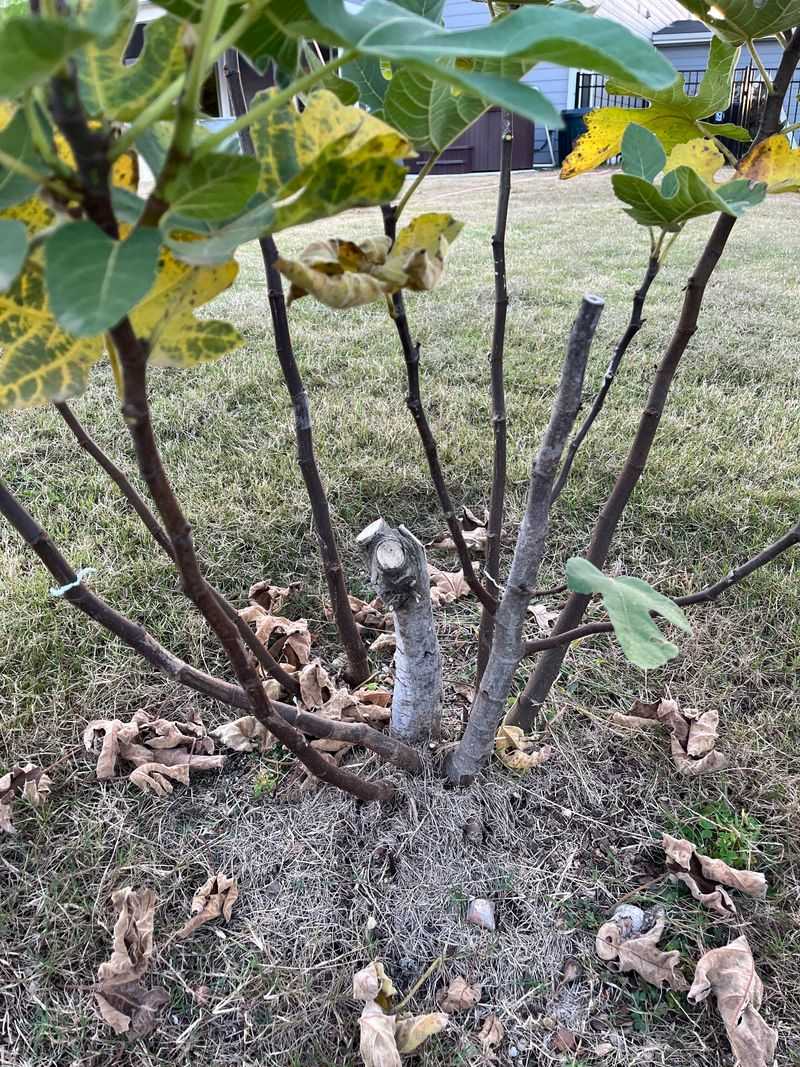
For figs, the signal to watch is simple: new growth. UF/IFAS advises waiting until regrowth commences before removing freeze-damaged wood.
Once buds swell and shoots appear, the line between living and dead wood is far easier to see.
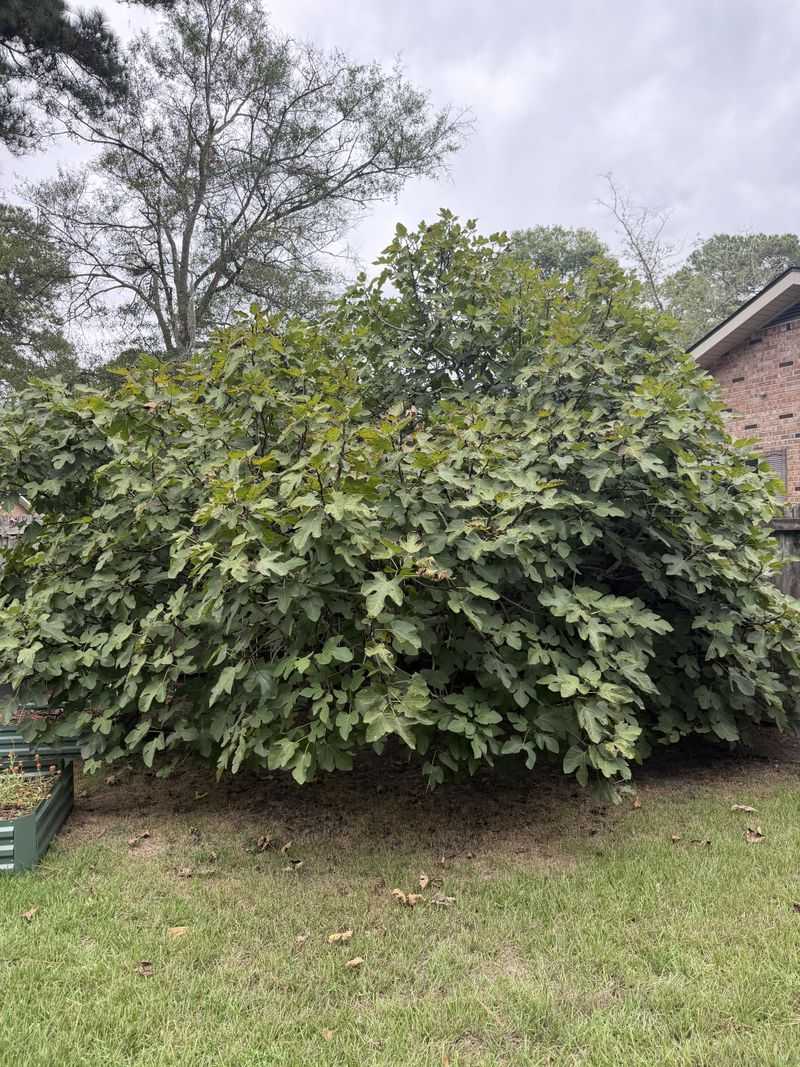
Figs are tougher than many gardeners expect. UGA Extension notes that figs in the Southeast may freeze back to the ground and regrow in a bush form.
That does not mean every fig will bounce back. Severe cold can do lasting harm, so treat regrowth as something to hope for and watch, not something to count on.
Skip the fixed calendar date. A fig in a warm South Florida yard and one in North Texas will wake up at different times.
Let the plant set the schedule, then cut back to healthy, growing wood.
Citrus damage may take longer to reveal itself
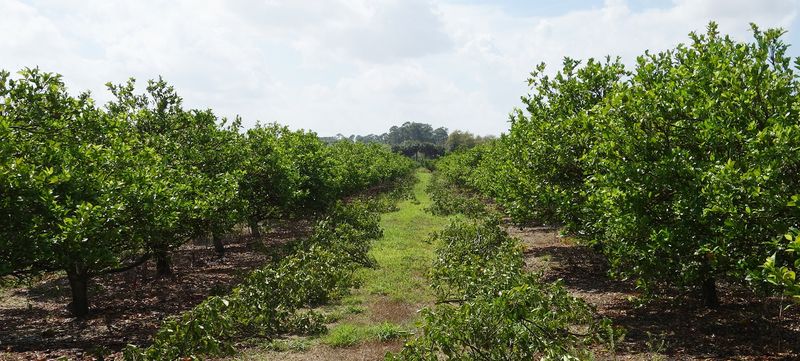
Citrus can fool you. After a freeze, a tree may push out a flush of spring growth that looks promising, then watch it wilt weeks later.
Texas A&M AgriLife Extension explains that hidden bark or wood injury can cause that dieback, so new leaves alone do not prove a branch is sound.
That is why timing for citrus runs later than many people expect. Texas A&M’s guidance generally delays pruning until after the dieback, around May in Texas.
Georgia gardeners hear a different window. UGA recommends late spring or early summer there.
Neither period is a universal date. Your location, the variety, and how cold it got all matter, so check with your local Extension office before you cut.
Use a light bark scratch as one clue
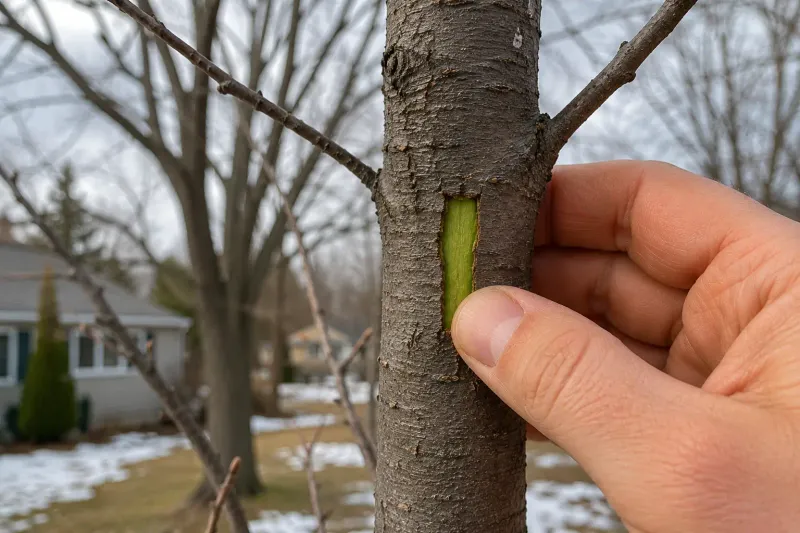
A gentle scratch can tell you something once damage has had time to show. Scrape a tiny patch of bark with a fingernail.
Texas A&M notes that green tissue underneath points to living wood, while brown tissue suggests injury or death.
Keep the scratch light, and do it on a small spot. You are checking, not peeling.
One scratch is only a clue, though. Try it a few weeks after the freeze and you may get a misleading answer, since injury can still be developing.
UGA Extension’s freeze recovery advice likewise stresses giving plants time to show their response.
Pair the scratch with other signs, like where buds are breaking and which stems stay firm, before making any big cut.
Address hazards and rotting tissue separately
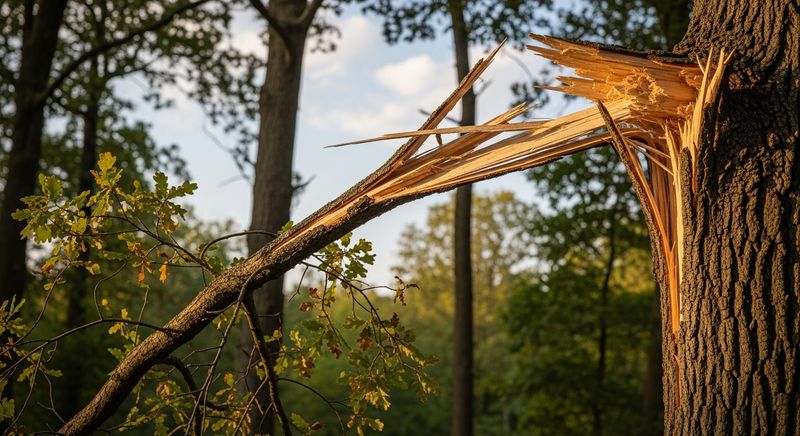
Waiting is the rule for routine pruning, but a few situations cannot wait. A broken limb that could fall on a walkway, car, or play area should be dealt with promptly.
UC IPM guidance supports removing broken limbs that pose a safety hazard.
Know your limits, though. Large, unstable, or overhead branches can be under tension or compression, which is why Utah State University Extension flags injury risk.
Call a certified arborist for those.
Rot is the other exception. UGA Extension advises removing damaged tissue that is oozy, mushy, slimy, or foul-smelling rather than leaving it in place.
These exceptions are narrow. They do not mean you must strip every blackened leaf right away.
Follow a wait-and-check plan
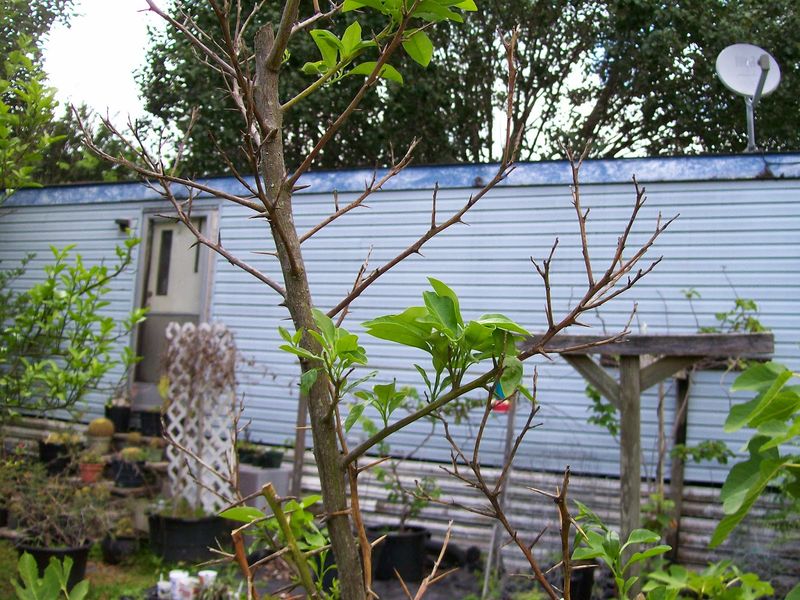
Start by holding the pruners back on woody growth right after the frost, while still dealing with any hazards or rotting tissue. Then watch how the plant responds over the coming weeks.
For a fig, cut once regrowth begins. For citrus, wait longer, following Texas A&M’s May guidance in Texas or UGA’s late spring or early summer window in Georgia, and check local Extension timing for your yard.
A plant that looks dead in February may still be holding living wood. Patience is how you find out.