
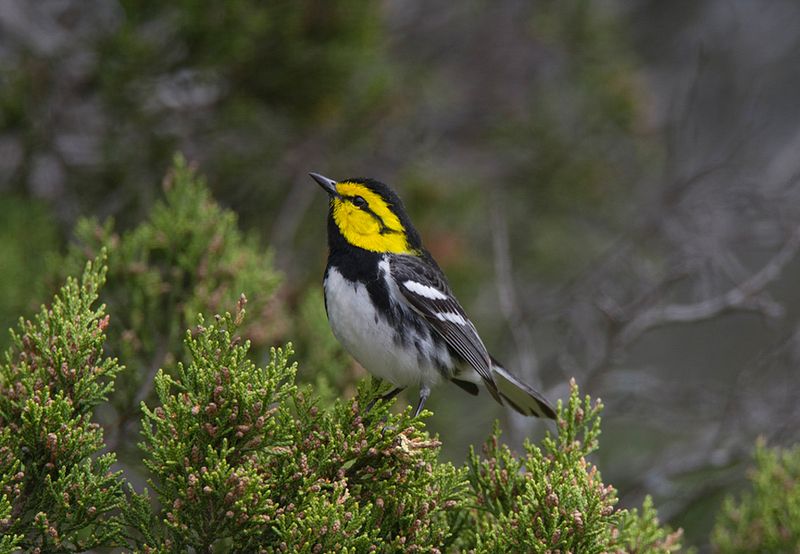
A tiny songbird with a bright yellow face spends its summers in Central Texas woodlands and nowhere else in the world as a nester. Each winter it is far to the south, and then it begins heading home as spring approaches.
For Hill Country landowners with wooded property, the weeks before its return are a good time to learn what the bird needs. A little knowledge now can help you make careful choices about the trees on your land.
A Texas-only nester that leaves for winter
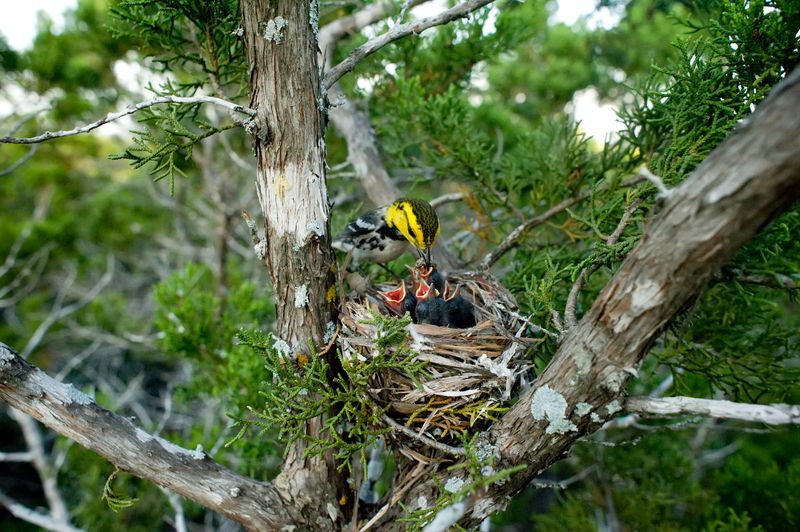
Few birds can claim a home state as completely as the golden-cheeked warbler. According to the U.S.
Fish and Wildlife Service, it is the only bird species that nests exclusively in Texas, and its nesting area sits in Central Texas. That is a more precise claim than saying it lives only here, because the bird does not stay year-round.
When cold weather arrives, the warbler migrates south to winter in Mexico and Central America. Texas Parks and Wildlife describes it as a bird that comes back each spring to breed in Texas woodlands.
So the Hill Country is not its permanent address. It is the place where the next generation is raised.
Timing is where the phrase “before spring” needs care. Some birds show up in late February or early March, but documented arrivals stretch into April.
The 2025 federal status review summarized a recent study with arrivals from March 4 to April 24 and an average arrival date of March 24. Early birds are real, but they are not the whole story.
Not every Hill Country yard holds suitable habitat, and plenty of properties will never host a nesting pair. If you own wooded acreage, though, winter is the quiet stretch when you can think about what is growing on your land before any birds are back to be affected by it.
A nest depends on more than cedar
Ask a warbler what it wants from a tree and the answer is bark. Females build nests with strips of shredding Ashe juniper bark, which is one reason the species is tied so closely to old, mature junipers.
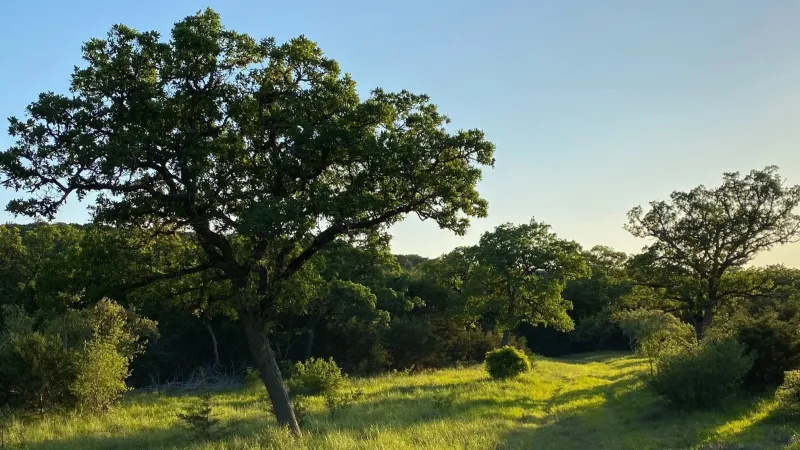
Federal wildlife officials describe the nesting woodland as a mix that includes oaks and other hardwood trees alongside the juniper.
That mix matters. Juniper by itself is not the whole recipe, and a few planted trees do not add up to a woodland.
The bird is looking for a community of trees working together.
Research backs that up. A study in Avian Conservation and Ecology links warbler habitat suitability to mixed juniper-oak woodland, canopy height, and the size of the woodland patch.
Taller trees and larger patches tend to matter more than a scattering of individual trees.
For a landowner, the takeaway is to think in terms of whole stands rather than single trees. A woodland that is large, tall, and made of both juniper and hardwoods looks very different from a fence line of young cedars, even if both contain Ashe juniper.
Understand the woodland before changing it
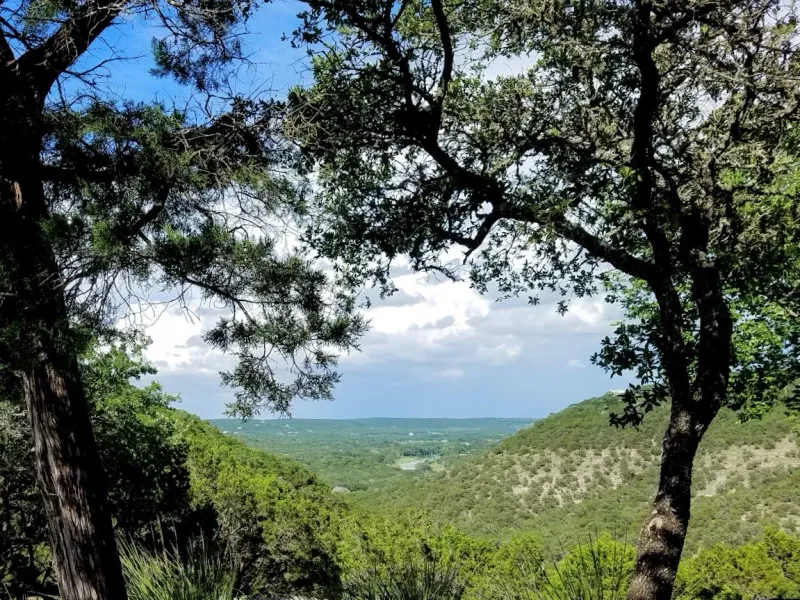
Winter is a good time to walk your land with fresh eyes. Leafless oaks and elms make it easier to see how tall the canopy is, how the trees fit together, and where older junipers stand among the hardwoods.
A mature, naturally wooded stand with that kind of mix is the kind of cover the warbler uses.
Not all juniper looks like that, though. Texas Parks and Wildlife management guidelines for rural landscapes draw a line between two situations.
Natural, mature woodland should stay wooded, while former savannah or grassland that has been taken over by small junipers can be a candidate for restoration.
Telling the two apart is not always simple. Tree age, history of the land, and the surrounding landscape all play a part, and a quick look from the driveway will not settle it.
If you are unsure which situation you have, ask before you act. The same guide points landowners toward technical help rather than do-it-yourself habitat judgments.
A short conversation with a wildlife biologist or land management specialist now is easier than trying to undo a clearing job later.
Should you clear Ashe juniper?
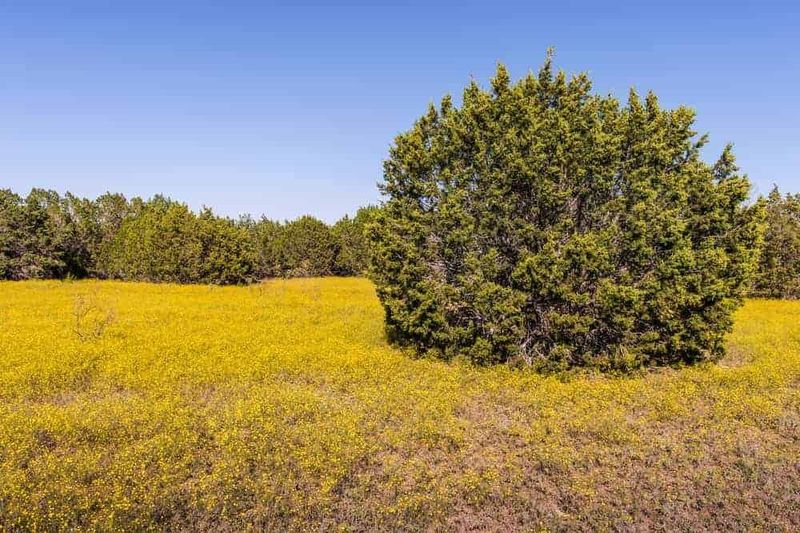
The honest answer is that it depends on where the tree is standing. Ashe juniper, often called cedar, can be a key part of old nesting woodland in one spot and an invader of open grassland in another.
A rule like “save every cedar” or “clear them all” fails on one of those sites.
Consider two properties. On one, large junipers share the canopy with oaks across many acres, which is the kind of woodland structure linked to warbler use.
On the other, small junipers are filling in an old pasture that once held scattered trees and grass.
Looking at one tree will not tell you which property you own. Habitat research on the species points to woodland extent and patch size, so the surrounding stand matters more than any single trunk.
The same distinction appears in TPWD guidance, which treats mature woodland and invaded grassland differently. Planting juniper, hanging feeders, or tidying a backyard will not turn ordinary yard space into nesting habitat, so there is no shortcut in either direction.
Before any major clearing, get a site-specific opinion. It protects your investment in the land as well as the bird.
Schedule necessary work with the nesting season in mind
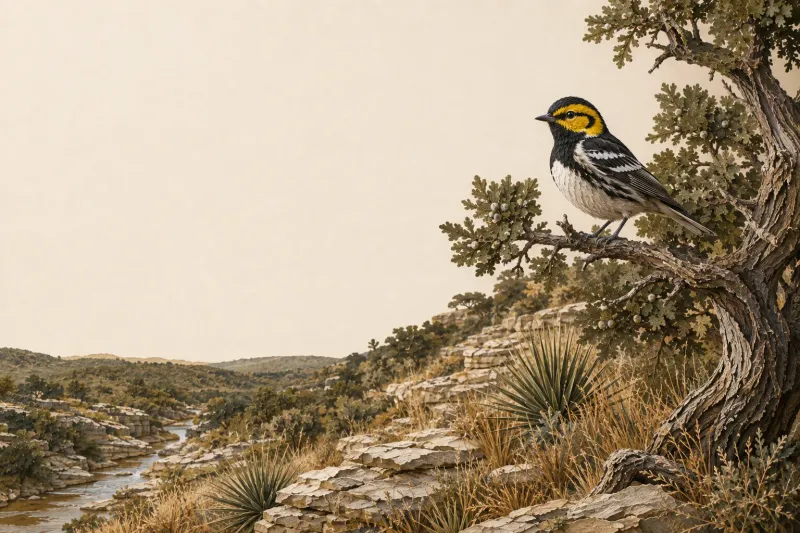
Sometimes vegetation work cannot wait forever, whether for fire safety, access, or restoring grassland. For work in or near likely warbler habitat, TPWD’s rural-landscape guidelines recommend scheduling necessary work outside the March through August nesting season.
The guide also suggests minimizing canopy disruption, so the woodland keeps as much of its structure as possible.
The same guide encourages landowners to seek technical assistance from Texas Parks and Wildlife, the USDA Natural Resources Conservation Service, or the U.S. Fish and Wildlife Service.
Some activities may also require permits, so checking first can save headaches.
Keep the scope of this advice in mind. It comes from a guide to managing rural land, with ranch-scale recommendations, and it is not a universal legal rule or a yard-care formula.
A small suburban lot with a few trees is a different situation from a wooded ranch.
Because the guide is general, it cannot replace a visit from someone who can look at your property. An advisor can tell you whether your site is likely habitat, which work makes sense, and what timing fits.
That is better than guessing from a calendar.
Prepare for the return without guessing
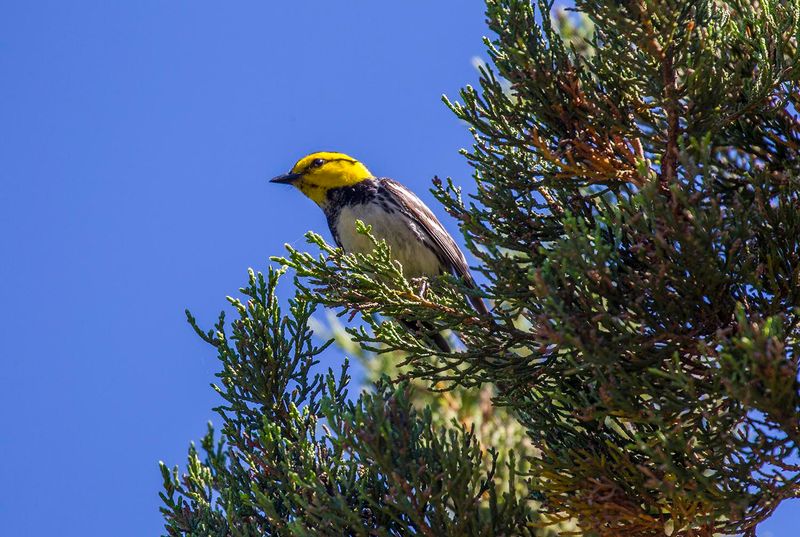
Pause before clearing, and remember that mature mixed woodland, not one planted tree, is what the warbler needs. If work might affect that kind of cover, ask a qualified advisor first.
Arrivals vary, with federal sources noting returns from late February into April, so there is no single date to plan around. No yard is guaranteed to host a pair, but a careful winter leaves the choice open.
The song arrives on its own schedule, and the woodland is either ready or it is not.