
Some herbs share a spot in the garden and a spot in the soup pot, and one gray-green favorite fits both stories. Many North Carolina gardeners grow it for cold-season cooking, and it gets a lot of talk as a pest fighter too.
The truth is more interesting than the headline, and it can save you from planting the wrong thing for the wrong reason. Here is what the plant can really do in your yard, from the Mountains to the coast.
The herb is common culinary sage
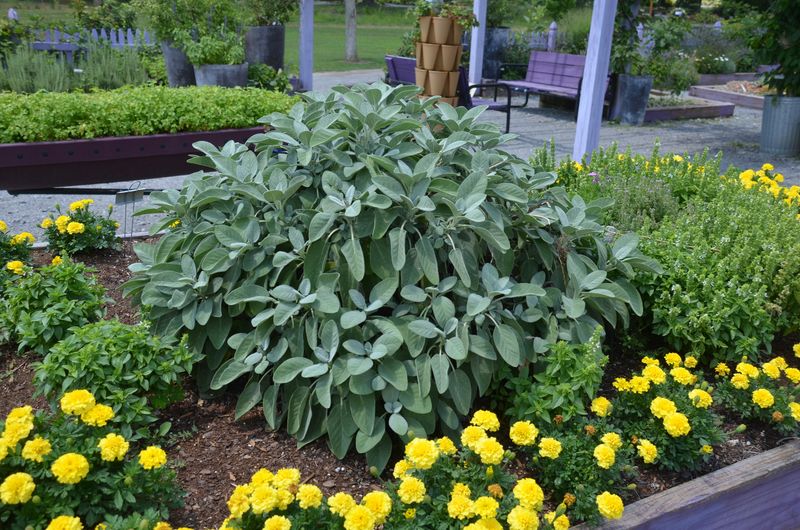
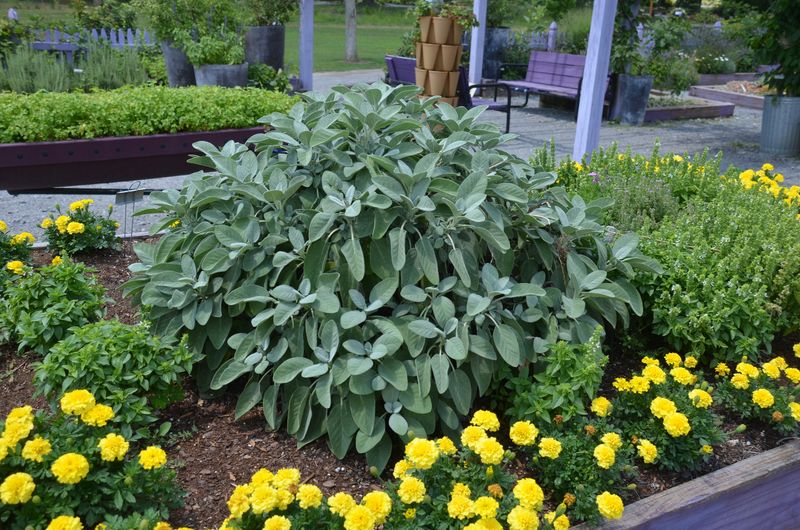
The herb is common culinary sage (Salvia officinalis), the fuzzy, gray-green plant that perfumes stuffing, roasted squash, and a good pot of soup. NC State Extension’s Plant Toolbox lists it as an edible perennial, and its leaves are used as a seasoning.
That makes it a practical pick for a cook who wants fresh flavor close to the kitchen door.
Its culinary value is well established. Gardeners across North Carolina have good reasons to tuck a plant or two near the back steps, where it is easy to snip a few leaves while dinner simmers.
The headline promised something bigger, though. It said pests hate this herb and that this is why gardeners keep it going all winter.
That claim is too strong. The evidence for pest control is narrow, and nothing shows that gardeners grow sage mainly to chase bugs away.
The rest of this article separates what sage reliably does, which is season food and often survive a mild North Carolina winter, from what it has not been shown to do.
Sage may survive a North Carolina winter—with the right site
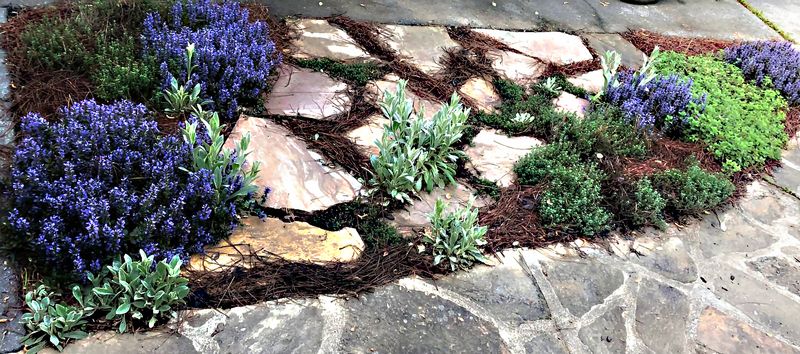
Winter hardiness is where sage shines. NC State’s herb winterizing guide lists sage as normally hardy in all three of the state’s regions: the Mountains, the Piedmont, and the Coastal Plain.
The guide recommends light mulch and wind protection.
Normally hardy means a healthy, established plant usually makes it through. It does not mean every plant will come out of January looking pristine.
A cold snap in the Mountains, a soggy winter on the coast, or a windy hilltop in the Piedmont can leave a plant ragged, so expect some variation from yard to yard and year to year.
Site choice does a lot of the work. According to the NC State Plant Toolbox, sage likes full sun and well-drained soil, and it does poorly in wet or poorly drained spots.
That matters in places with heavy clay, such as much of the Piedmont, and in low coastal beds that stay damp after winter rain.
A weekend plan helps. Pick the sunniest, best-draining spot you have, or build a small raised bed with gritty soil.
Before hard freezes arrive, spread a light layer of mulch around the plant, not piled against the stems. Then give it a windbreak if the spot is exposed, such as a fence, a wall, or burlap on stakes.
Will sage provide leaves for soup all winter?
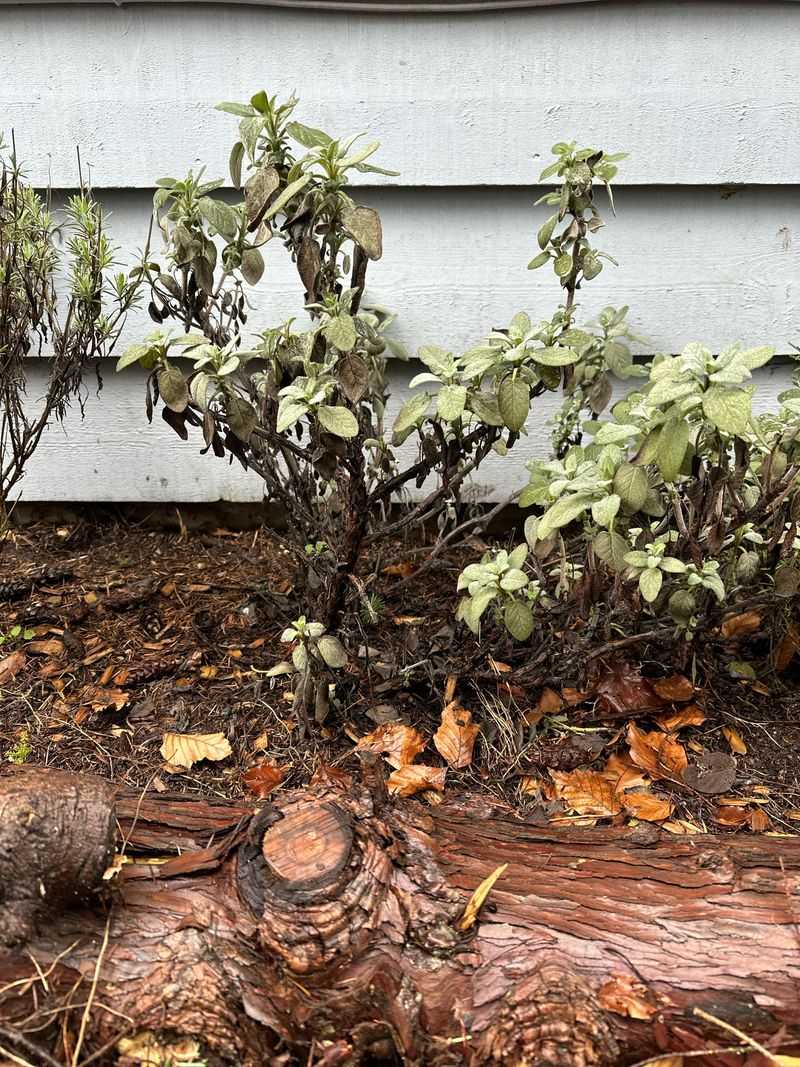
Surviving winter and giving you a steady supply of soup leaves are two different things. NC State describes sage as evergreen, yet it advises harvesting in spring and summer.
A Macon County Extension article also cautions that overwintering herbs may not have tasty leaves in evidence during winter.
So an established plant may still be there in January, but the leaves can vary a lot. They might be sparse, weathered, or less flavorful, depending on how cold the winter is and where you live.
A mild coastal winter and a hard mountain one will not give the same results.
The practical move is to harvest well in the growing season and dry or freeze extra leaves for soup season. Then treat any winter snipping as a bonus rather than a plan.
Late winter brings a different problem: sage that looks brown or dead. Hold off on the pruners for a moment.
NC State’s winterizing guidance says to check the stems before pruning, because damage that looks bad does not always mean the plant is dead. Scratch a stem gently.
Green tissue underneath is a good sign, and you can wait for new growth before cutting back.
Sage earns its place in the soup pot

Sage brings a warm, earthy, slightly peppery flavor that suits cold-weather cooking. NC State’s Plant Toolbox notes that the leaves are used as a seasoning, and cooks use them fresh, dried, or cooked into dishes.
For a Southern example, Purdue Extension’s FoodLink page on sage includes a black-eyed-pea soup recipe that features the herb. Black-eyed peas are a familiar pantry staple here, so the pairing feels natural.
A few simple habits help. Add whole leaves early so they soften and flavor the broth, then fish them out before serving.
For a stronger finish, chop a few fresh leaves and stir them in near the end. Dried sage is more concentrated, so start with a small pinch and taste as you go.
A short safety note: sage is likely safe in the amounts people normally cook with. The National Center for Complementary and Integrative Health warns that high-dose or prolonged use can be unsafe because common sage contains thujone.
Keep it to ordinary seasoning, and skip concentrated sage products or sage oil.
What the pest evidence does—and does not—show
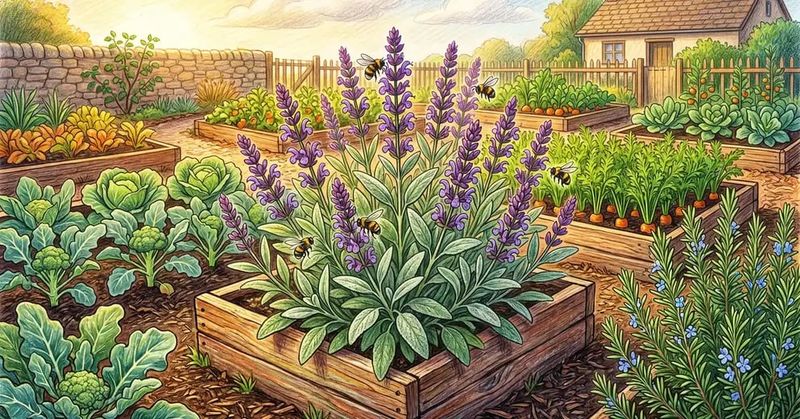
Here is the specific result behind the buzz. A small-scale 1986 greenhouse study found fewer diamondback moth eggs laid on Brussels sprouts that were intercropped with sage or thyme.
That is a real finding, but a narrow one: one pest, one crop, and a small greenhouse setup.
It does not show that a sage plant will protect a typical North Carolina vegetable bed. Your yard has different pests, more open space, and changing weather.
A result from a greenhouse bench cannot be stretched to cover all of that.
It also does not prove that sage scent drives pests away from a distance. Clemson Extension says claims that plants mask crops have not held up well.
In the sage-and-thyme study it discusses, the disruption happened only when moths actually landed on the herb leaves.
Other sources offer loose claims too. A Texas list names sage as repelling flea beetles, but a list is not a field test.
Neither source shows reliable results in home gardens.
So the headline gets it wrong. Pests do not simply hate sage, and nothing here shows gardeners grow it for that reason.
If sage helps at all, the effect is small, specific, and uncertain, so do not count on it to protect your tomatoes, cabbage, or squash.
Grow sage for flavor, not as a pest-control plan
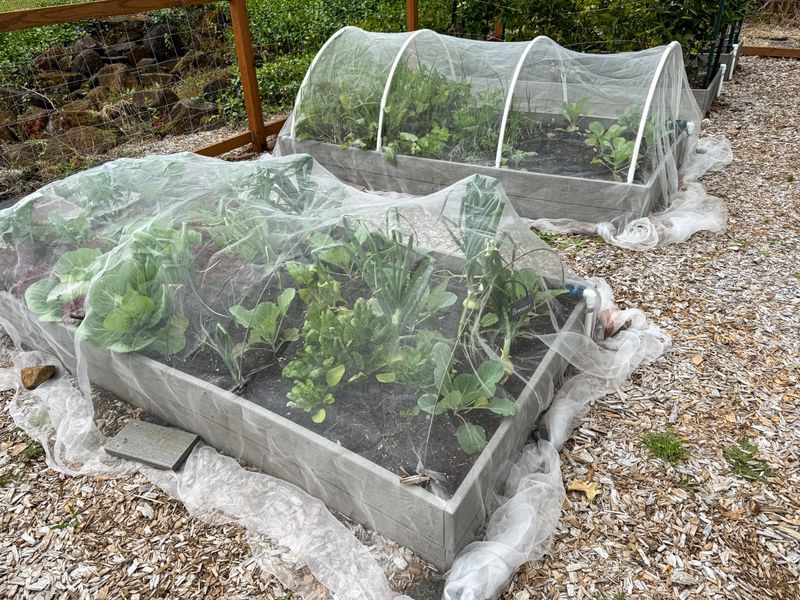
Plant sage because you want it in your soup, and give it sun, drainage, and a little winter protection. That is a solid reason on its own, and the plant does not have to fight pests to earn its spot.
For actual pest trouble, lean on proven methods. For flea beetles, NC State Extension points to cultural practices and physical barriers such as row covers or insect netting.
Cover young plants early, keep the edges sealed, and check under the fabric often.
Sage is a flavor plant first, and any pest benefit is a maybe.