
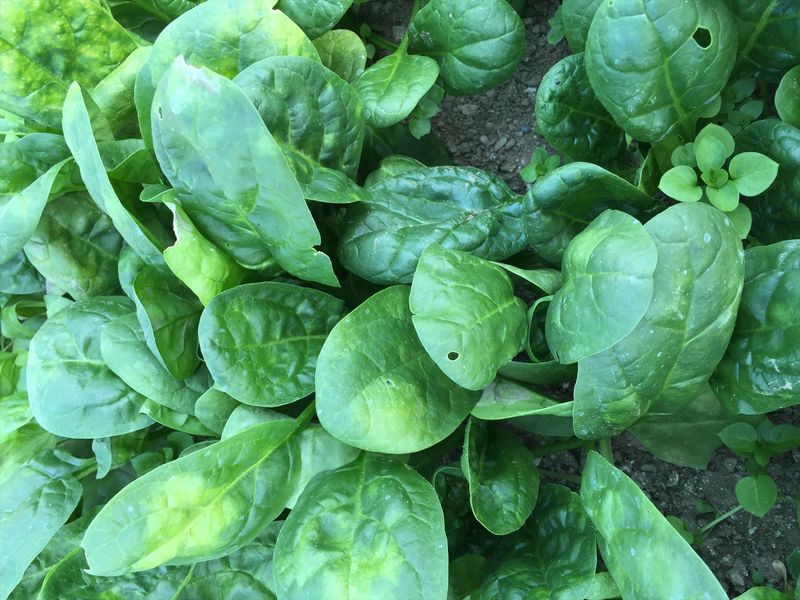
You walk out to your fall spinach bed and spot pale yellow blotches spreading across the leaves. It is natural to worry that a disease is moving through the row.
Downy mildew is one possible cause, but several other problems can look similar. A careful look at the leaves, plus a few smart habits, can help you protect the plants you still have.
Check the underside before diagnosing downy mildew
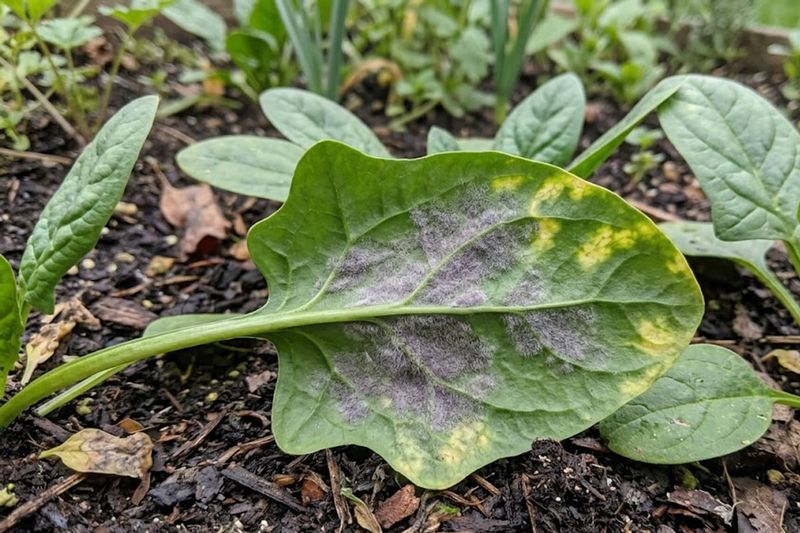
Pale yellow blotches with angular or irregular edges fit the pattern of spinach downy mildew. Yellowing by itself, though, does not confirm it, and it does not prove the problem is spreading through your bed.
Flip a blotched leaf over and look at the underside of the spots. According to UC IPM guidance on spinach downy mildew, gray, white, or purple downy growth under the matching spots is a more telling clue, especially when the weather has been cool and damp.
Timing matters here. That fuzzy growth can be harder to see once the leaf has dried, so a clean underside during an afternoon check does not rule the disease out.
Try looking again in the early morning, when leaves are still damp, and check several blotched leaves rather than just one.
Older lesions often turn tan or brown, which can make them look like plain leaf damage. Treat what you see as a set of clues, not a final answer.
Consider other causes of spotted spinach leaves
Spinach gets marked up by more than one troublemaker, so not every pale spot deserves the downy mildew label. Two common look-alikes are white rust and leafminers.
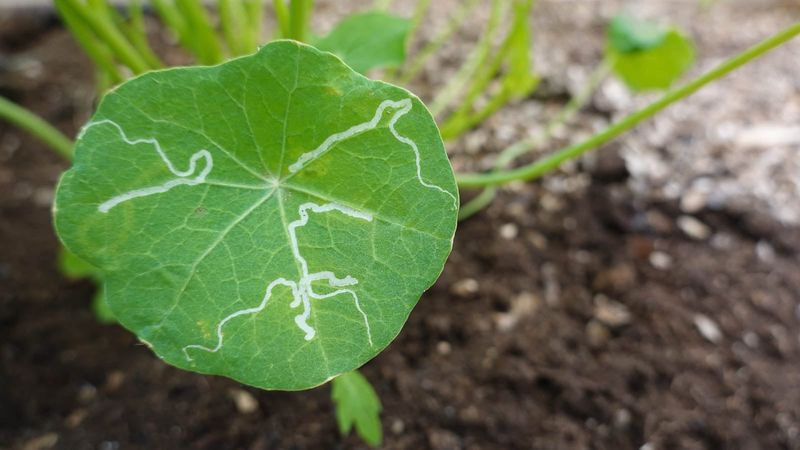
The Virginia Cooperative Extension Gardener Handbook notes that white rust can cause blister-like spots, while leafminers can leave tunnels or blotches inside the leaf tissue.
Hold a leaf up to the light. Winding trails or papery patches that you can see through may suggest leafminer feeding, and tiny larvae are sometimes visible inside.
Raised, blister-like spots point more toward white rust, while flat yellow patches with fuzzy growth below fit downy mildew better.
Even so, these patterns are guides, not guarantees. Plants can have more than one problem at once, and a quick look does not always settle the question.
If you stay unsure, take clear photos and bring a few leaves to your local county Extension office for a second opinion.
Understand how damp, crowded foliage can favor disease
Downy mildew is caused by an oomycete, a water-loving organism that is not a true fungus, even though some gardening sources casually call it a fungal disease. Like many water-loving organisms, it tends to do best when leaves stay wet.
Cool nights, heavy dew, fog, and frequent watering can keep spinach foliage damp for hours. UC IPM points to leaf wetness and cool, damp conditions as important parts of the picture, and notes that good air circulation can help plants dry between irrigations.
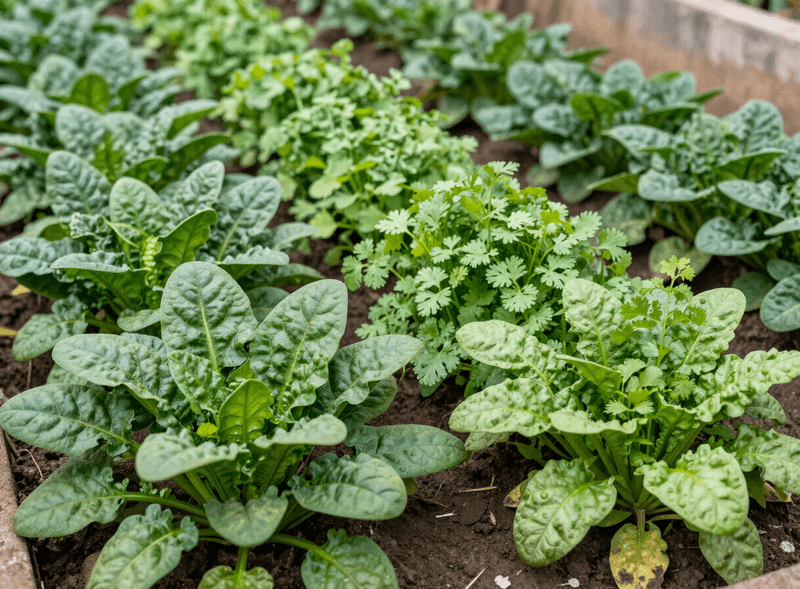
A thick canopy can slow that drying. When leaves overlap and air barely moves between plants, the middle of the row may stay damp long after the edges have dried.
Crowding only sets the stage, though. A packed row does not prove the disease is present, and it does not mean an outbreak is on the move.
Think of density as one factor that can make conditions friendlier, then look at the leaves themselves for the real clues.
Thin crowded rows to help leaves dry faster
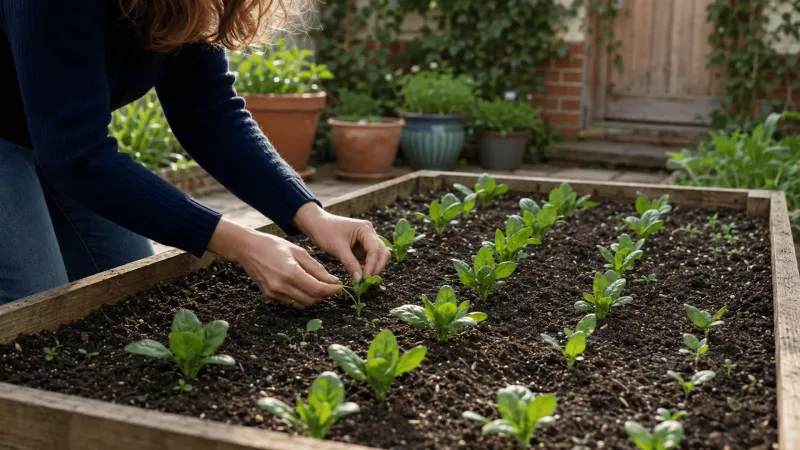
Thinning is a practical way to open up a crowded canopy. With more room between plants, air can move through the row and leaves may dry faster after rain, dew, or watering.
Spacing should match how you plan to grow and harvest. Illinois Extension’s home-garden spinach guidance recommends thinning to 2 to 4 inches for one planting method and notes that closer spacing may work when you harvest whole plants.
Treat that as one example, not a rule for every garden.
If you cut leaves over several weeks, plants need more elbow room than if you pull whole plants young. Pick a spacing that fits your plan, then thin gradually and eat or compost the pulled seedlings.
Pulling out any plants that already show heavy symptoms is a sensible bonus.
Keep expectations realistic. Thinning may help reduce the damp conditions that favor disease, according to UC IPM’s home garden advice, but it will not erase existing lesions or guarantee that an established infection stops.
Reduce leaf wetness and remove infected debris
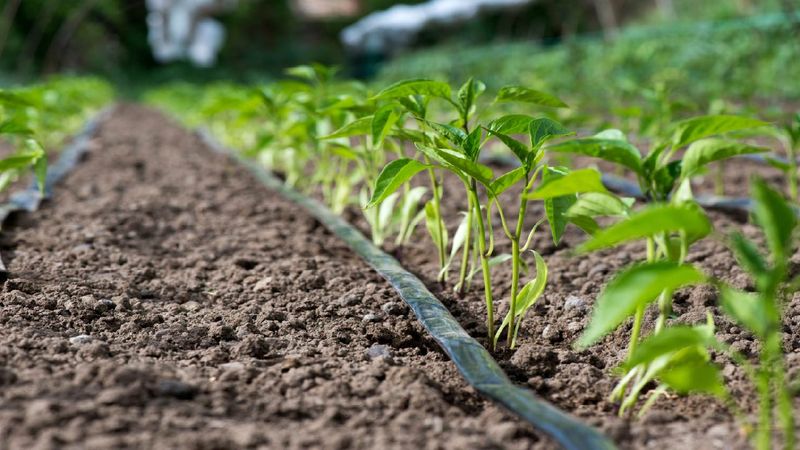
Watering habits can make a real difference in how long spinach leaves stay damp. Where practical, water at soil level, and use drip irrigation if you can set it up.
Timing counts too. UC IPM advises watering early enough for foliage to dry before night, which gives leaves fewer wet hours in cool evening air.
Debris is the other half of the job. Promptly remove and destroy infected spinach leaves and plant remains rather than leaving them in the bed or tossing them into a casual compost pile.
Bag them up and keep them away from your next planting.
None of this reverses damage already done. Spotted leaves stay spotted, so the goal is to protect new growth.
Cornell’s factsheet advises destroying the crop if symptoms keep developing despite management, which can be a hard call but may save your neighboring beds.
If you consider a fungicide, remember that timing, product choice, local registration, and label directions, including any preharvest interval, all matter. It is not a simple fix for leaves that are already spotted.
Plan future plantings with resistant varieties and local timing
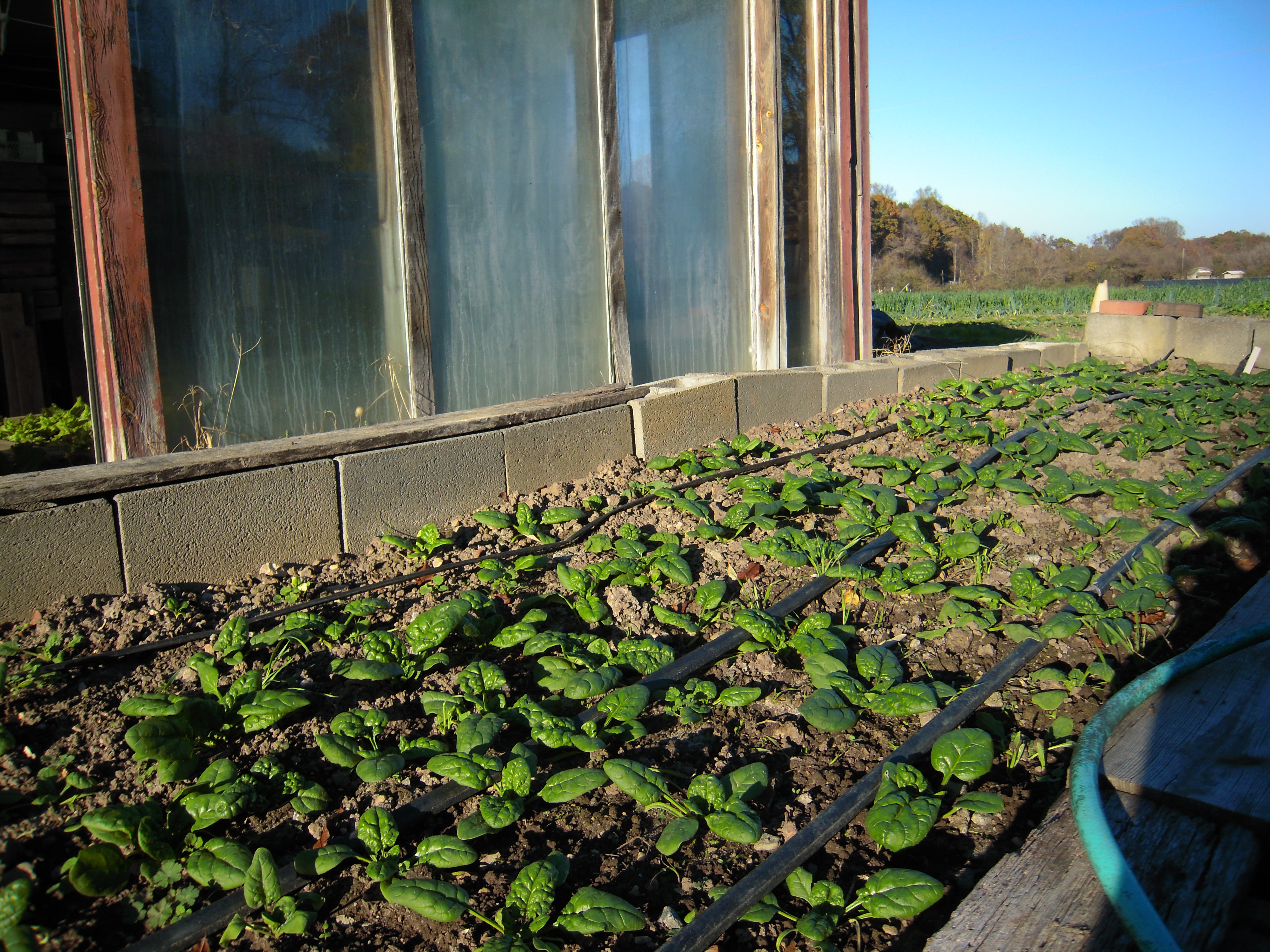
Next season, seed choice can lower your risk. UC IPM’s pest management guidelines recommend resistant cultivars where available, though resistance is not immunity.
The pathogen has multiple races, and new ones can overcome resistance.
Check seed catalogs and packet descriptions for downy mildew resistance, and ask your local Extension office which varieties have performed well in your area. Rotating spinach to a different bed each year is another habit worth building.
Timing varies across the South, so avoid borrowing one calendar for every yard. UF/IFAS lists greens as a cool-season crop and gives a broad Florida planting window of August through February.
In Texas, Texas A&M AgriLife lists spinach among frost-tolerant vegetables for fall gardens.
Those are regional examples, not a single schedule. Your best dates depend on where you live, so check your county Extension planting guide before you sow.
A spinach bed is easier to protect when you have planned for the weather before the first seed goes in.