
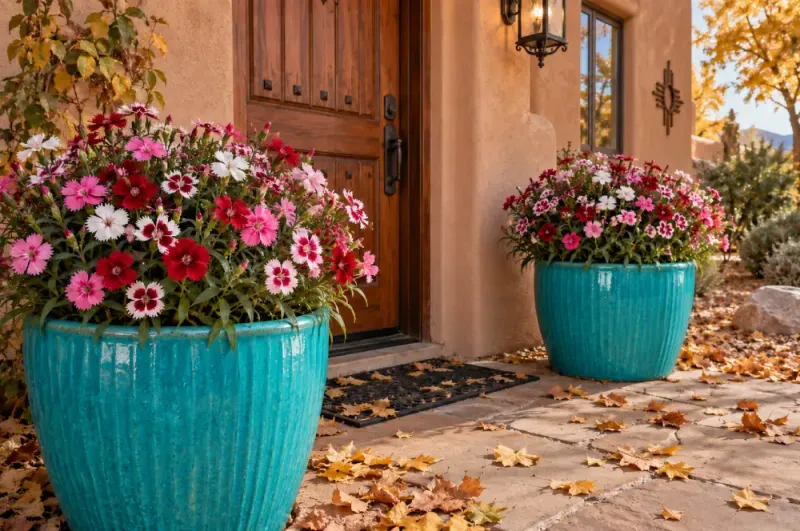
By September, most Texas porches look tired, with crispy petunias and pots full of dry dirt. The good news is that fall is one of the best planting seasons in the state, and the right container plants can bring your entryway back to life in a weekend.
Cooler nights, softer sun, and a few fall rains give new plants a real chance to settle in. Here are ten tough, colorful picks that handle Texas fall weather and make your front door feel welcoming again.
1. Mums
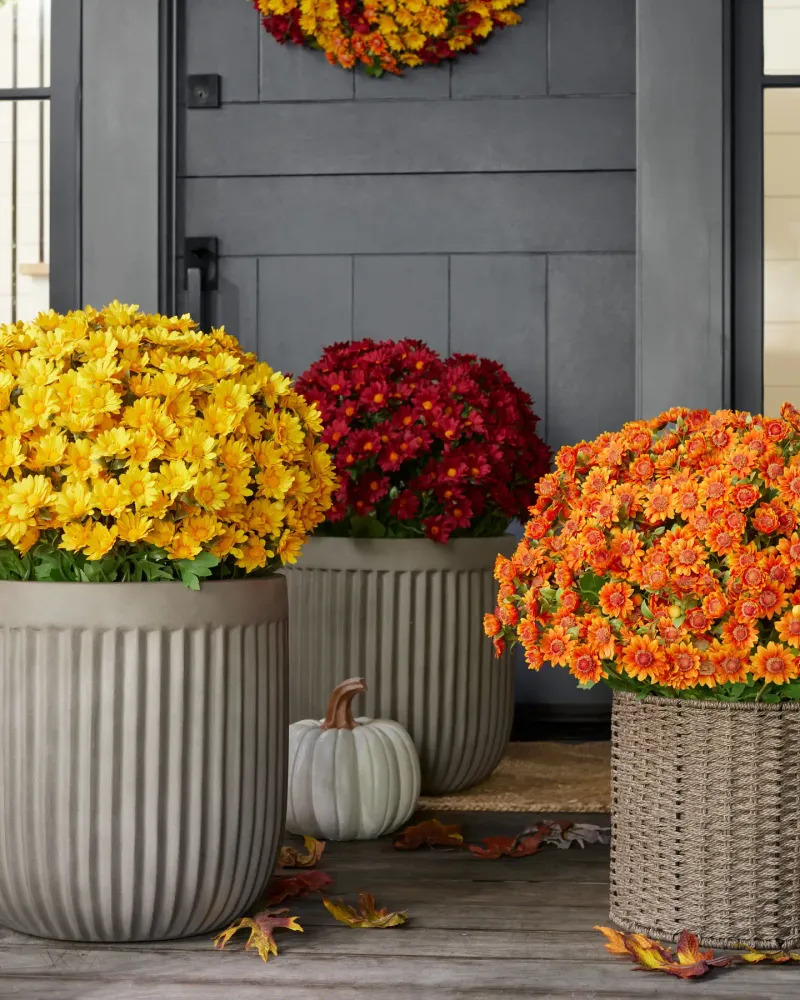
Walk past any Texas garden center in late September and you will see a wall of mums glowing like a sunset. They are the quickest way to say fall has arrived, even when the thermometer still reads 90 degrees.
Buy plants with plenty of tight buds rather than full blooms. Buds open slowly over several weeks, so your porch stays colorful longer.
Set pots where they get morning sun and some afternoon shade, since late heat can fade the flowers fast.
Water is the big thing. Mums in pots dry out quickly, and a single wilting episode can brown the edges.
Check soil daily during warm spells and soak until water runs out the bottom.
Many people toss them after bloom, but garden mums planted in the ground often return the next fall in much of Texas.
2. Ornamental Peppers
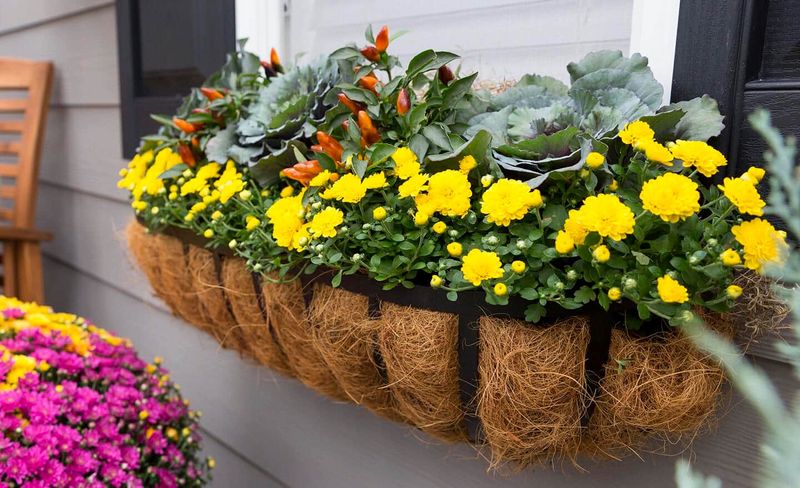
Here is a plant that actually enjoys the leftover heat of a Texas September. Ornamental peppers keep pushing out tiny fruits in purple, yellow, orange, and red while other plants sulk.
They fill the gap between summer and true fall nicely. Plant them now and they will carry color until the first cold snap, which may not come until December in South Texas.
Give them full sun and well-drained potting mix. A note of caution: the peppers are usually very hot and not meant for snacking, so keep them out of reach of curious kids and pets.
3. Pansies
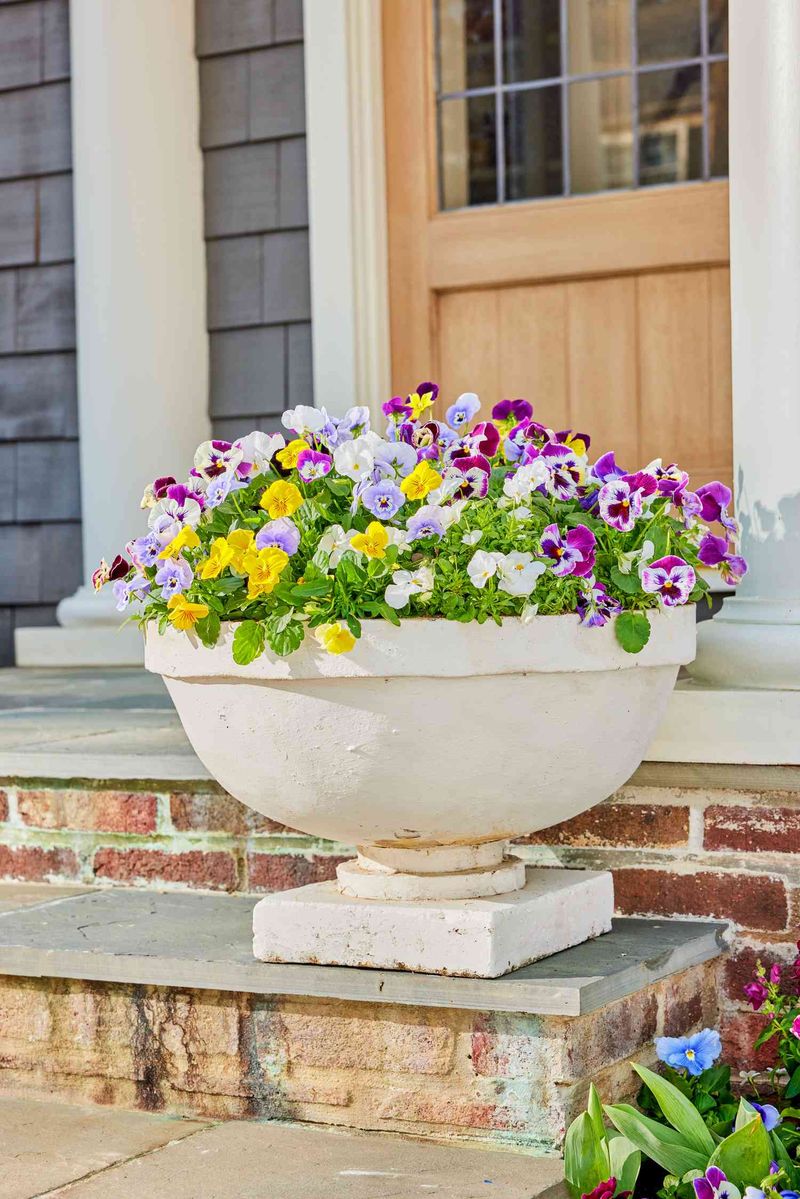
Few flowers seem as cheerful as a pansy, with that little face looking up at you every morning. For Texas porches, they are the backbone of cool-season color.
Timing matters. Wait until nights drop into the 60s, usually mid-October in North Texas and November farther south.
Planted too early, they stretch and flop in the heat.
Once settled, pansies bloom through winter and into spring, and they can shrug off many light freezes. Pinch spent flowers to keep new ones coming, and feed every couple of weeks with a liquid fertilizer.
Fun fact: the name comes from the French word pensee, meaning thought, because the flower was thought to resemble a face deep in thought.
4. Ornamental Kale and Cabbage
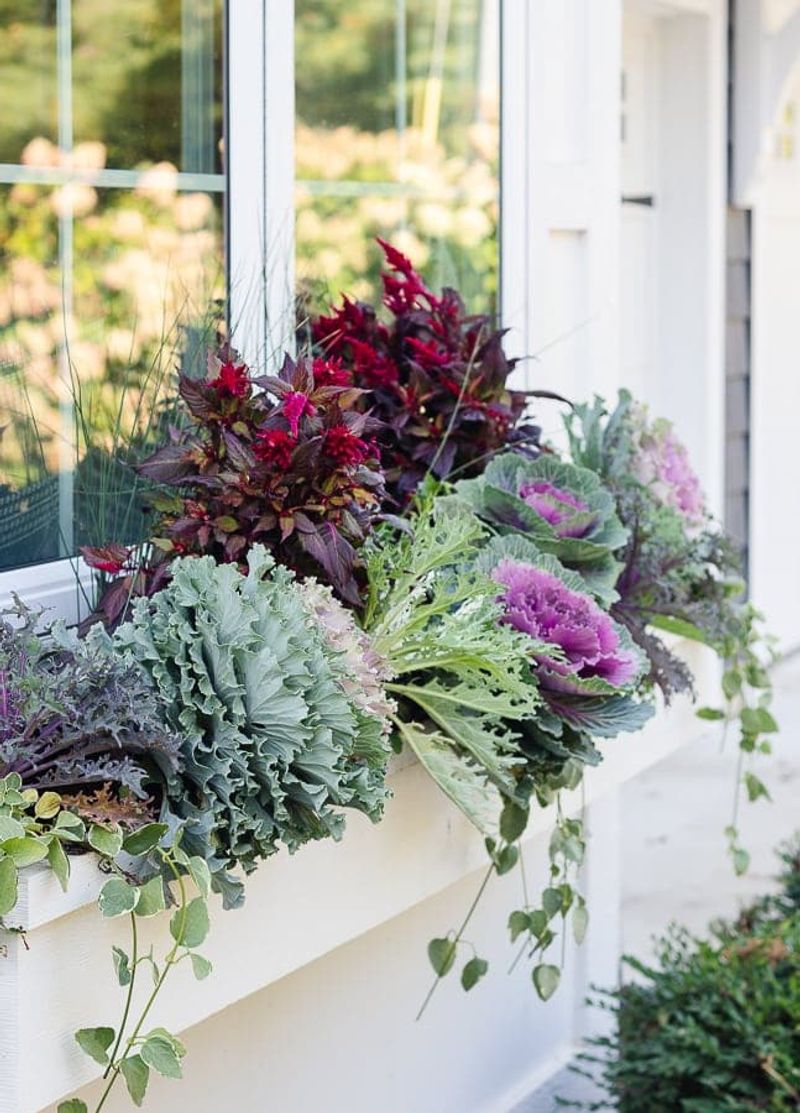
Think of ornamental kale as the rose of the vegetable patch. Its ruffled rosettes in pink, cream, and purple look almost sculpted, and they only get brighter as weather turns cold.
Color deepens once temperatures dip below about 50 degrees, so plants bought in October may look mostly green at first. Be patient.
By December they are often the star of the porch.
Kale and cabbage handle frost better than most porch plants. They pair beautifully with pansies tucked around the edges.
Watch for cabbage loopers, small green caterpillars that chew holes, and pick them off by hand.
5. Snapdragons
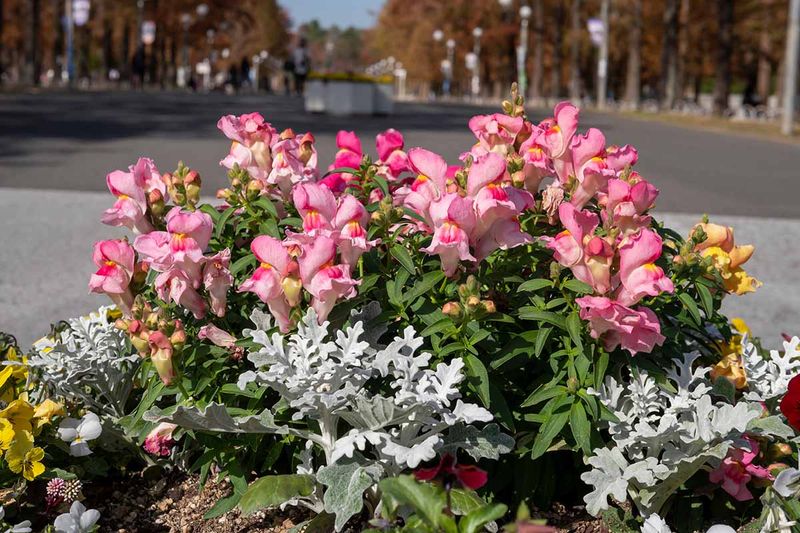
Kids love snapdragons because you can squeeze a bloom and make it open like a tiny dragon mouth. Adults love them because they add height, which most fall containers sorely need.
In Texas, snapdragons are planted in fall and often bloom twice, once before winter and again in spring. Use them in the center or back of a pot so their spikes rise above lower plants.
Choose a sunny spot and keep soil evenly moist. Taller types may lean in strong wind, so the dwarf and medium varieties tend to suit containers best.
6. Dianthus
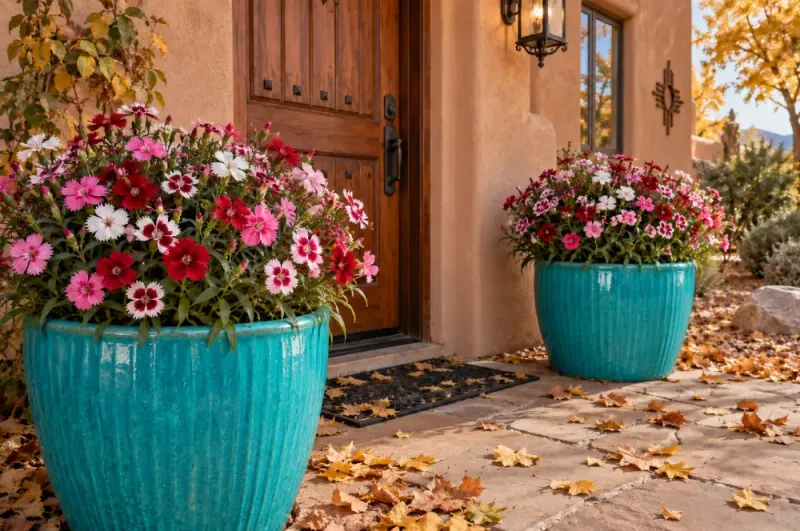
Lean close to a dianthus and you may catch a spicy, clove-like scent. That fragrance is a sweet bonus right by the front door where guests pass.
Dianthus handles Texas swings in weather better than many cool-season flowers. Warm October days and sudden cold fronts do not seem to bother it much.
Its compact mounds make a nice edge around taller plants.
Give it at least six hours of sun and avoid soggy soil, since roots can rot. Trim faded blooms and it may keep flowering into spring.
7. Alyssum
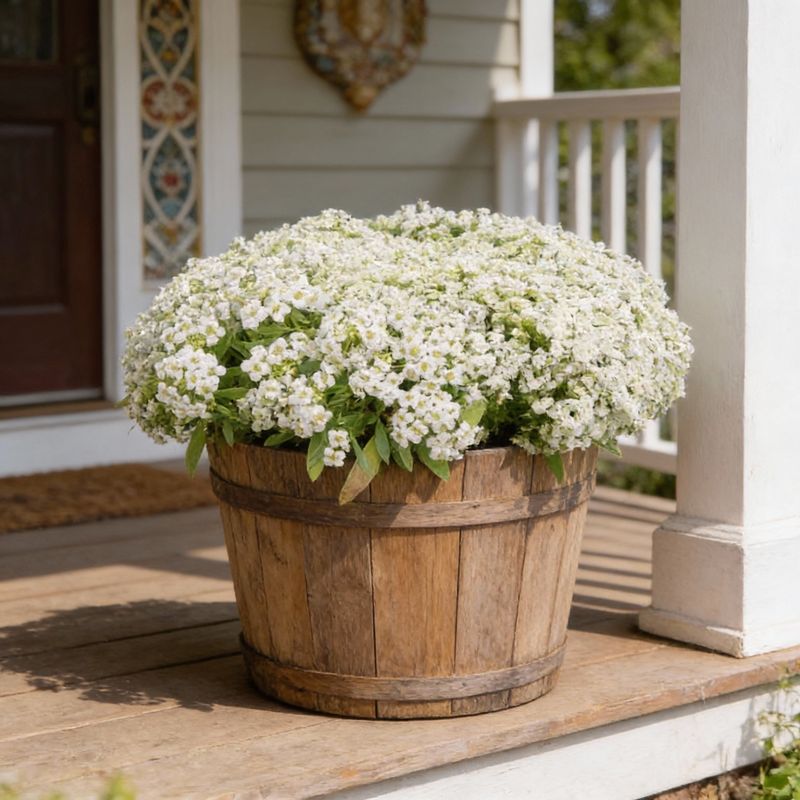
Every great container needs a spiller, and sweet alyssum does the job gracefully. Its tiny white or purple flowers tumble over pot edges like lace.
It also smells faintly of honey and draws small bees and hoverflies on warm fall afternoons. That gives your porch a little life when most summer pollinator plants have quit.
Alyssum can fade during heat, so fall through spring is its sweet spot in Texas. If it gets leggy, shear it back by a third and it usually bounces back.
8. Calendula

Long before it decorated porches, calendula was grown in old kitchen gardens, where its petals added color to soups and salves. Today it brings a burst of sunshine yellow and orange to fall pots.
The warm tones match pumpkins and hay bales perfectly, making it a natural for autumn decor. In much of Texas, calendula blooms from fall into spring, with a pause during the coldest weeks.
Sow seeds or buy transplants in October. Full sun and regular deadheading keep the show going.
9. Purple Fountain Grass
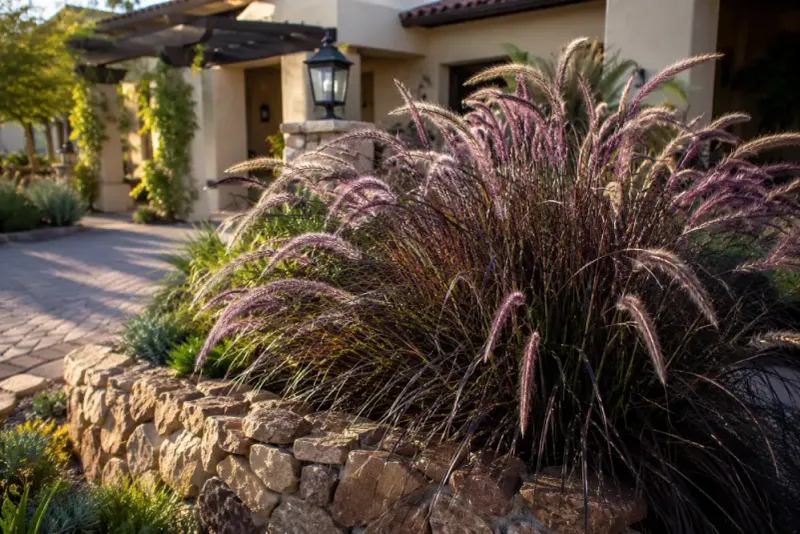
Movement is what this plant brings. Purple fountain grass sways with every breeze, and its burgundy plumes catch the low fall sun beautifully.
It handles heat with ease, so it may already have survived your summer. If it looks shabby, a light trim and fresh potting mix can refresh it for fall.
Use it as the tall center of a large container.
It is usually grown as an annual since hard freezes can kill it, though in warmer coastal areas it may come back. Bring the pot into a garage during a deep freeze if you want to save it.
10. Mexican Feather Grass Alternative: Lindheimer Muhly
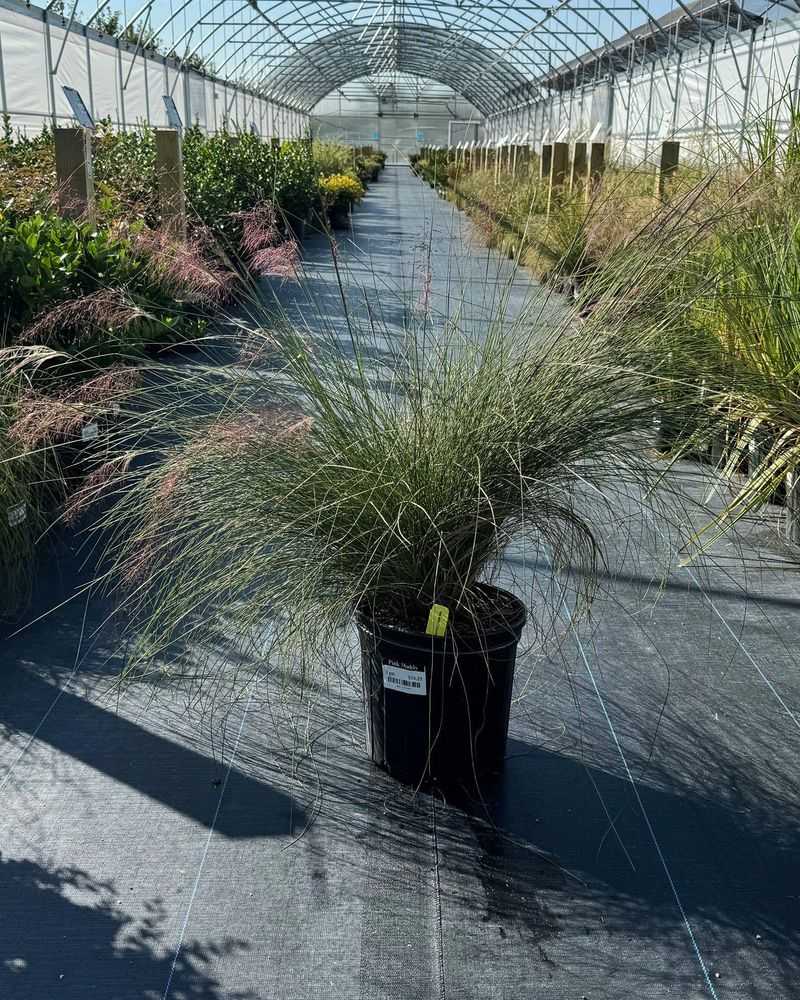
Want a native that earns its spot year after year? Lindheimer muhly, a Texas native grass, forms graceful blue-gray clumps topped with soft silvery plumes in fall.
It handles drought and water restrictions far better than thirsty annuals, which makes it a smart anchor in a big pot. Plant it once, then rotate seasonal flowers around its base.
Many gardeners steer away from Mexican feather grass because it can spread aggressively, and Lindheimer muhly gives a similar airy look without that concern. Cut it back in late winter and it returns fresh in spring.