
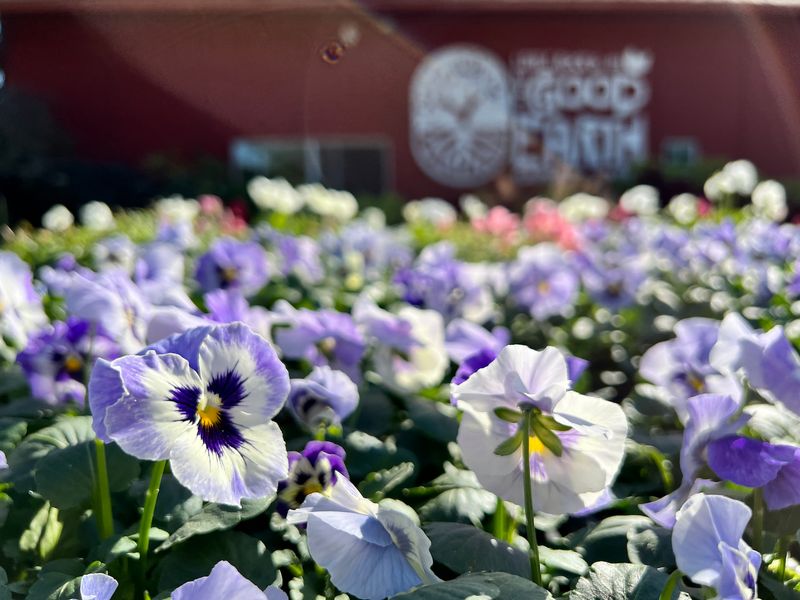
A stretch of warm November days can catch new pansy plantings off guard. These cool-season flowers love fall and winter color, but mild weather can leave gardeners wondering what to do.
A few simple habits can help you keep new plants healthy and flowering. Here is what to do, what to skip, and what nobody can promise.
Deadhead faded flowers, not healthy new plants
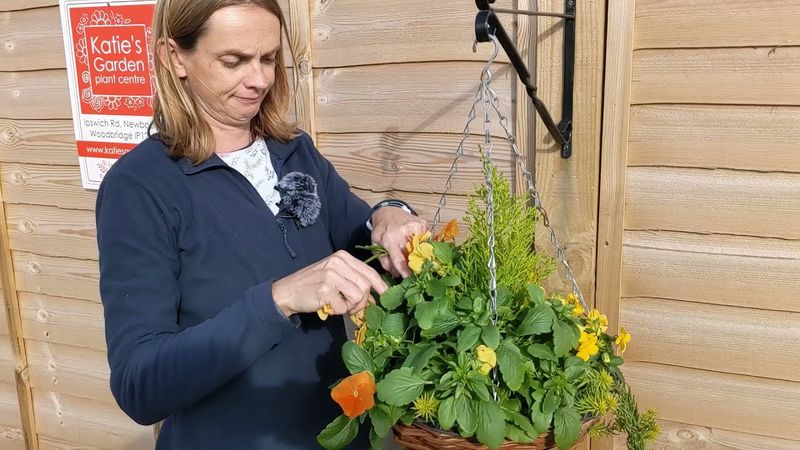
Pinching off spent blooms is the simplest job on the pansy to-do list. NC Cooperative Extension explains that deadheading redirects the plant from making seeds toward making more flowers.
That is why it can prolong the bloom period.
To deadhead, follow the thin stalk of a wilted flower down to where it meets the plant and pinch or snip it off. You are removing individual faded blooms, not cutting back the whole plant.
Check your bed every few days, since pansies keep producing new flowers that fade in turn.
Deadheading is different from trimming stems. Trimming cuts back growth to encourage new branching, and it is a separate practice for another time.
If your pansies went into the ground recently and look healthy, leave their stems alone, even if the forecast is warm. Cutting back healthy new transplants ahead of the weather is not something the guidance supports.
Keep your expectations realistic, too. Deadheading can help flowering last longer, but it does not guarantee compact growth or nonstop blooms during warm weather.
NC State’s Plant Toolbox recommends fall planting for winter and early spring color, so think of deadheading as one good habit in a season-long routine.
What heat guidance can—and cannot—tell you
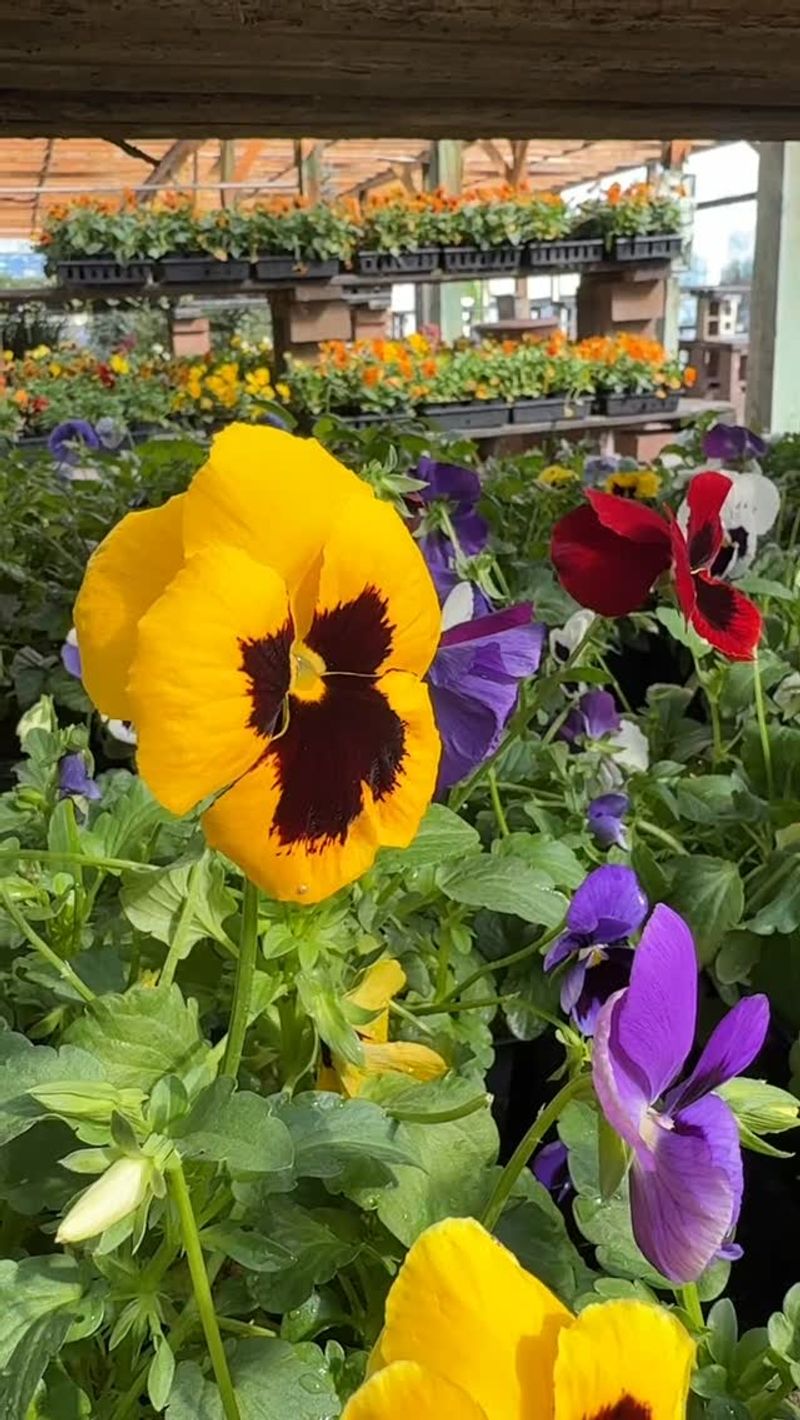
Pansies are cool-season plants, and that explains why they are sold in fall across North Carolina. Clemson Extension notes that pansies grow and flower best when temperatures stay below 75°F, and that excessive heat may reduce flowering.
Read that guidance for what it is. Below 75°F describes the conditions pansies like best.
It is not a line where damage suddenly starts. The source does not say how long temperatures must stay above that level, and it does not predict what one particular warm week will do.
So a few warm November days in the Piedmont or along the coast do not mean your flowers are doomed. Some plantings may keep blooming happily, and others may slow down.
Nobody can say for sure from a forecast alone.
Heat also should not get all the blame for every problem. Stretched stems and fewer flowers are different symptoms, and they can have different causes.
Instead of guessing, watch your own plants. Notice how the blooms look, how the stems are growing, and how the soil feels, then respond to what you actually see.
Check transplant moisture without keeping soil soggy
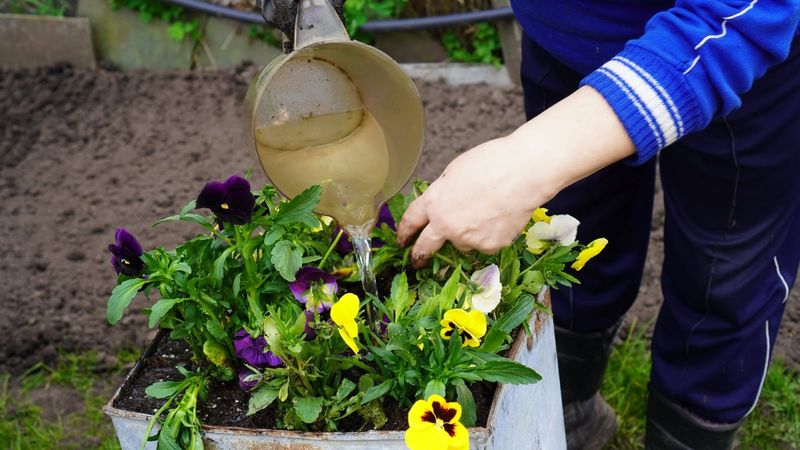
Young transplants have small root systems that have not yet reached into the surrounding soil. NC State’s Extension Gardener Handbook advises checking transplants frequently and watering at the base until new roots grow out.
Warm, sunny days can dry a small root ball faster than you might expect.
A simple habit helps. Poke a finger an inch or two into the soil near the plants.
If it feels dry, water slowly at the base so the leaves and flowers stay mostly dry. If it still feels damp, wait and check again the next day.
Balance matters here. NC State’s Plant Toolbox describes pansies as preferring consistently moist, well-drained soil.
That does not mean a soggy bed. Standing water and constantly wet ground are not the goal.
Watering also will not cancel out the effects of warm weather. It simply keeps new roots from drying out while they settle in.
Also, if you mulch, the Handbook advises against pine straw around pansies, since it can reduce growth and flowering. Shredded leaves or fine bark are other options to consider.
If growth looks spindly, check light as well as temperature
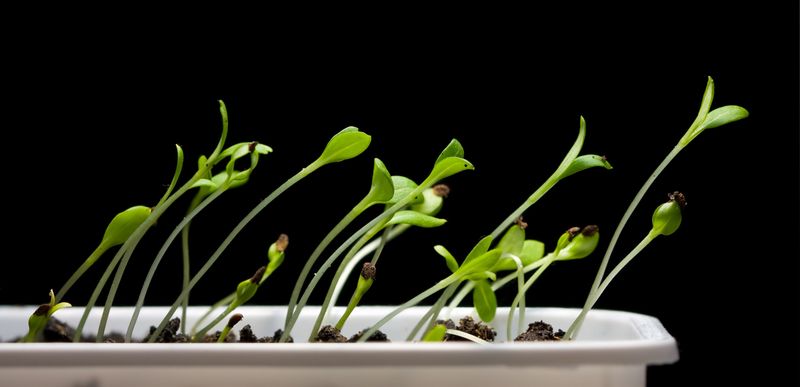
Long, thin stems with sparse leaves can send gardeners straight to blaming the weather. A better approach is to treat spindly growth as a clue with more than one possible cause.
Temperature is one. Light is another.
Clemson Extension identifies inadequate light as a cause of weak, elongated growth. It recommends strong filtered light or full sun during cool weather.
In November, when leaves drop and the sun sits lower, a spot that was bright in September may now be shaded by a tree or the house.
Walk out at midday and look at where the shadows fall. Notice if your pansies lean in one direction, which often points to a light source they are reaching for.
Pots can be moved to a brighter spot, and beds can be noted for next year.
Keep your expectations modest. Better light may help new growth come in sturdier, but it will not instantly reshape stems that have already stretched.
Also remember that new plants may still be settling in. Look at light, moisture, and plant age together before deciding what is going on.
Wait until plants are established to trim lanky stems
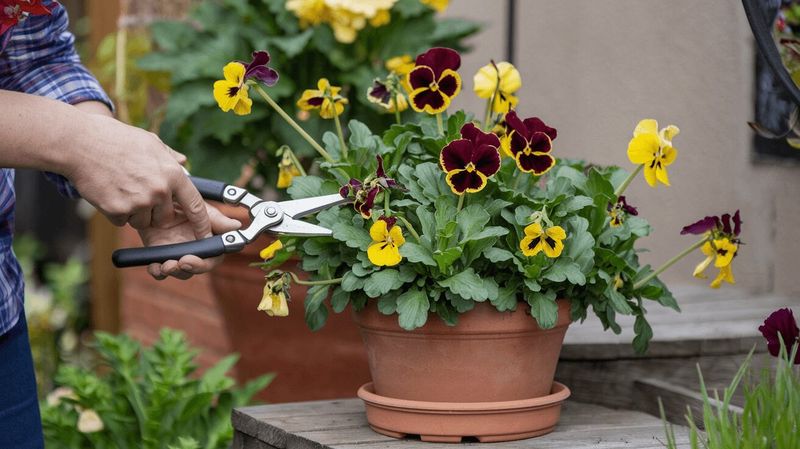
Trimming and deadheading sound alike, but they do different jobs. Deadheading removes single faded flowers.
Trimming shortens stems to encourage new growth, and it is meant for plants that have become lanky.
UF/IFAS advises trimming lanky branches periodically to encourage branching and flowering, and it specifies doing so once plants are established. That last phrase matters.
A pansy planted a couple of weeks ago is still growing roots, so it is not ready for a haircut.
You may also see advice to cut plants back by about one-third. Clemson Extension mentions this as a way to stimulate new growth when blooming periods are short.
Treat it as one option for a plant that needs it, not a rule for every pansy and not a treatment to apply before a warm spell.
When the time does come, snip just above a set of leaves, and take off only what looks stretched. Healthy, compact plants can simply be left alone.
Trimming is a response to a problem you can see, not a way to head off one you only expect.
Use a care check, not a promise of winter blooms
A quick weekly check keeps the routine simple. Pinch off faded flowers, since NC Cooperative Extension links deadheading to a longer bloom period.
Feel the soil around new transplants, following the Extension Gardener Handbook advice to water at the base as needed.
If stems look spindly, check the light before anything else. Then hold off on stem trimming until plants are established, as UF/IFAS advises.
These steps are sound care, but they cannot guarantee compact growth or blooms through a warm spell. Pansies are cool-season plants, and they tend to reward patience.
Pay attention, and let the plants show you what they need.