
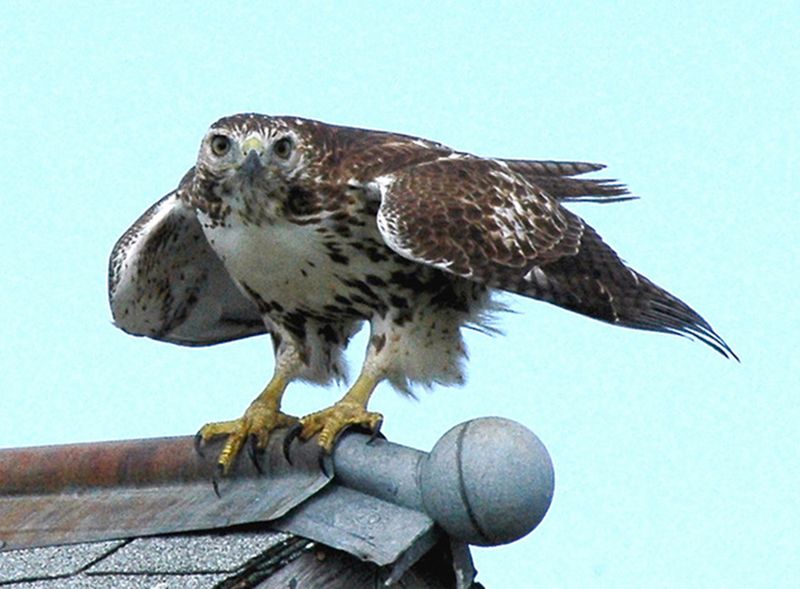
A big hawk circling above your Central Texas yard on a cold morning is hard to ignore. Many people take it as a sign that the neighborhood mice and rats are in trouble.
The truth is a little more interesting, and it changes how you handle rodents at home. Here is what a sighting can tell you, what it cannot, and what to do next.
Some red-tailed hawks stay in Texas all year
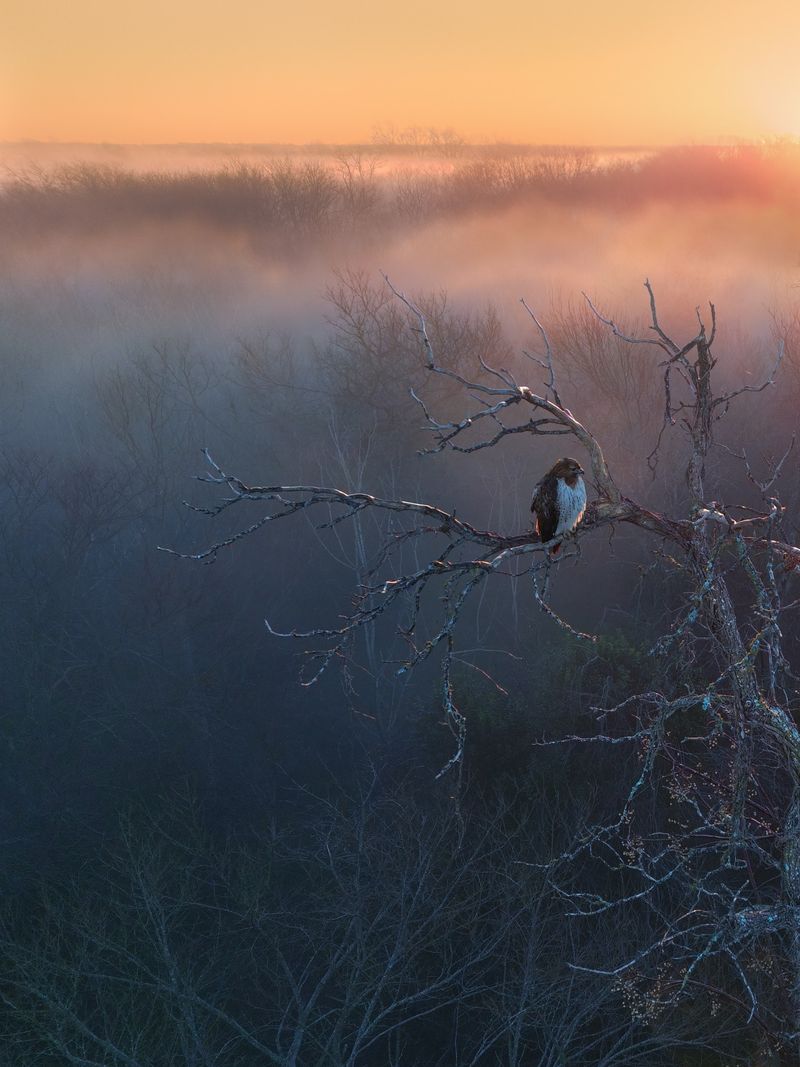
Many people say red-tailed hawks show up in winter, and that is partly true. The Texas Breeding Bird Atlas describes the species as a year-round Texas resident.
Northern birds then add to that population during migration and winter, and the species is common across the state in cold months.
That means a hawk on your fence in January could be a local bird that has lived nearby for years. It could also be a visitor that spent the summer far to the north.
From the ground, you usually cannot tell the difference.
What you can say is that winter often puts more hawks in the sky over fields, roadsides, and neighborhoods. Bare trees and leafless pecans make them easier to spot, too.
So a sighting is a good reason to look up and enjoy the show, but it is not proof of a brand-new arrival.
Try keeping a simple notebook by the window. Jot down the date, the time, and where the bird perched.
Over a season, you may learn whether one bird keeps coming back or whether several pass through.
A sighting cannot tell you whether rodents are declining
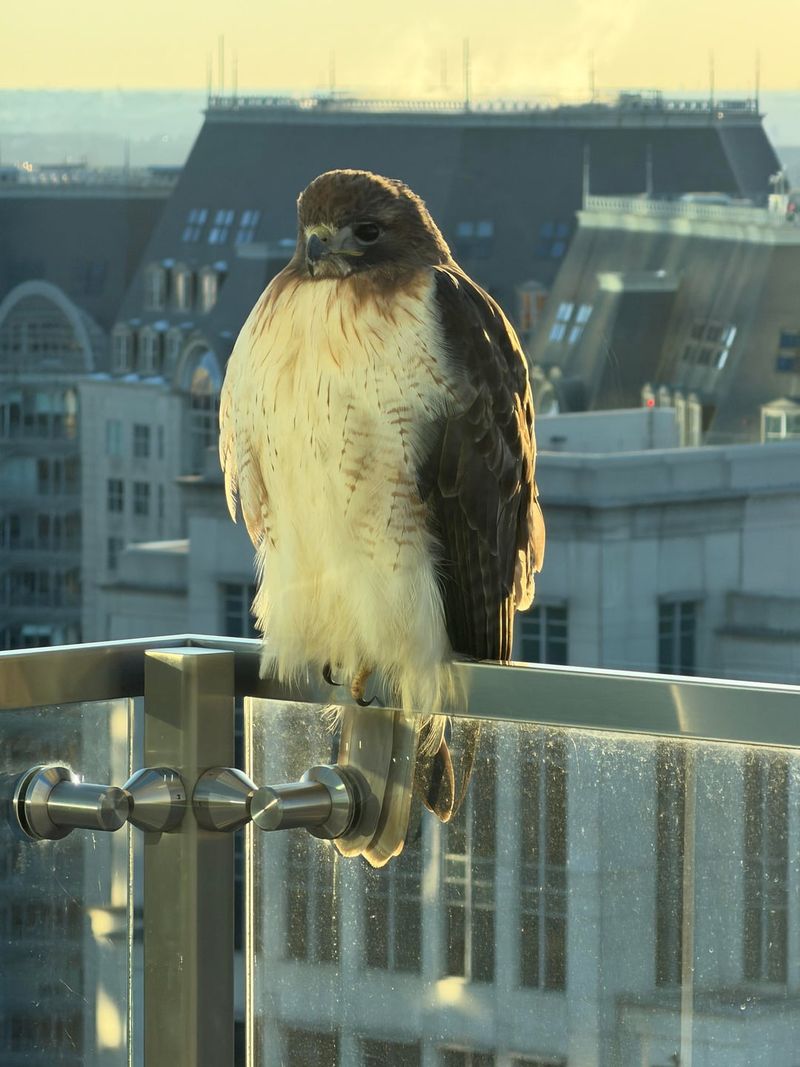
Seeing a hawk overhead tells you one thing: a hawk is using the area. It does not show what the bird caught, or whether mouse and rat numbers in your yard have gone up or down.
Those are separate questions, and a single glimpse cannot answer the second one.
Red-tailed hawks do eat small mammals, as the Texas bird atlas notes. Even so, a hawk is not a dependable pest service.
A California Department of Pesticide Regulation guide says hawks alone will not eliminate a rodent problem and suggests pairing predators with trapping and exclusion.
Research on this topic is mixed and depends on the setting. A 2025 field study in crops tested raptor-support measures and found that rodent activity rose during the study and did not differ among treatment groups.
That was a farm setting, so it does not decide what happens in every yard.
The practical message is simple. Enjoy the hawk, but judge your rodent problem by what you find at home, such as droppings, gnaw marks, and chewed food packaging.
A hawk may be watching more than your yard
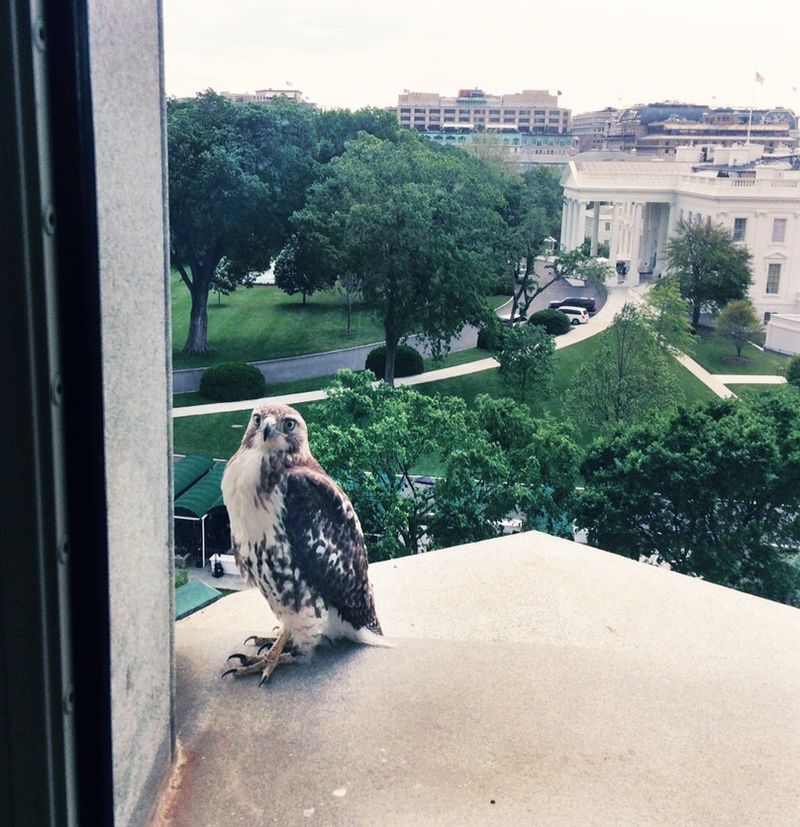
Picture the view from a hawk’s perch. It sits high, looks over a wide stretch of open ground, and waits for movement.
Your yard may be only a small piece of what it sees.
According to the USDA Forest Service species review, red-tailed hawks eat a varied menu. Mammals are part of it, along with birds, insects, and carrion.
The Texas bird atlas also describes hunting from elevated perches in open habitat.
So a hawk sitting on a pole or tall pecan could be scanning the pasture behind your lot, a ballfield, or the roadside ditch. It might also be watching for a bird, a grasshopper, or a dead animal.
Its position alone does not say it is after rodents on your property.
Hawks are flexible hunters. That flexibility is part of why they do well in Texas, and it is also why one bird cannot be counted on to work on your particular mouse or rat problem.
If you want to learn more, watch how the bird behaves. A hawk that glides low over a field or stares at the ground is hunting somewhere.
A hawk that simply rests is resting.
Keep safe existing perches near open space
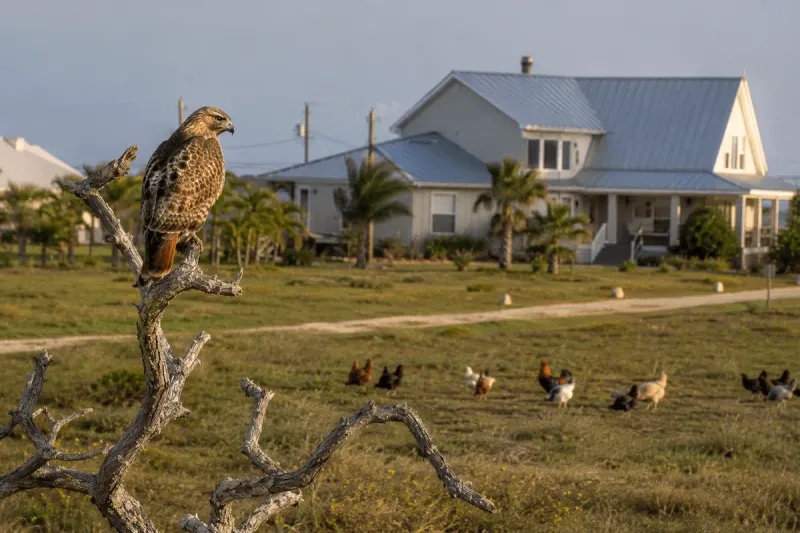
If you like having hawks around, the best habitat move is a modest one: keep what is already there. Mature trees with strong, open limbs can serve as lookouts, especially when they stand near open ground.
The Forest Service review lists elevated perches and open foraging areas among the features red-tailed hawks use.
Of course, safety comes first. A dead limb hanging over the roof, a power line, or a play area should be handled by a certified arborist.
Keep trees that are healthy and well placed rather than removing them out of habit.
You may also see perch poles used in agricultural pest programs. The California guide mentioned earlier offers perch ideas for its own setting, but it is not a tested blueprint for Central Texas homes.
No specific pole height or direction is proven to bring hawks to a Texas yard.
Think of these choices as general habitat care. They may make your property a bit more usable to wildlife, but they cannot promise that a hawk will visit or stay.
Treat any visit as a bonus, not a plan.
Manage rodents by changing the conditions that support them
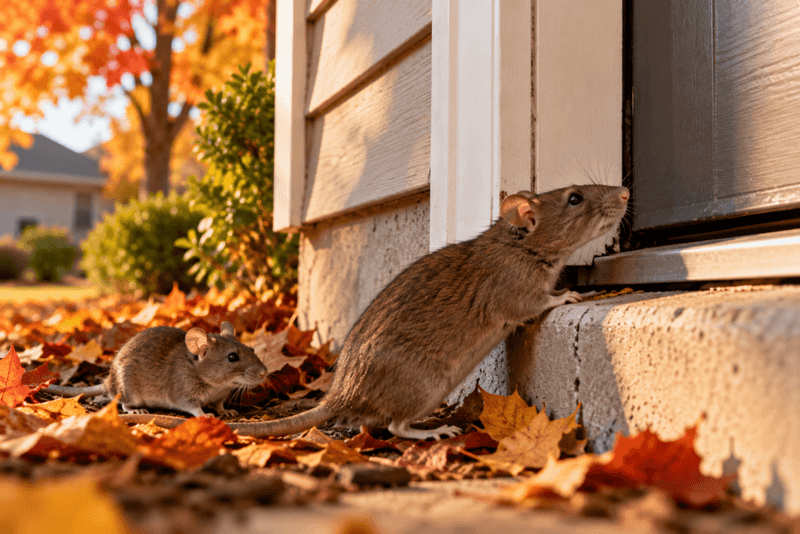
Rodents move in where they find food, water, and shelter. Take those away and your yard and home become much less welcoming.
Texas A&M AgriLife Extension recommends exactly this approach.
Start with food. Store pantry goods, pet food, and birdseed in rodent-proof containers, and use garbage cans with tight lids.
Then fix dripping hoses, leaky faucets, and other water sources.
Next, clear the clutter. Stacked boards, piles of boxes, and overgrown debris give rodents places to hide and nest.
Move woodpiles away from walls and lift stored items off the ground.
Then close the gaps. The EPA advises sealing openings that let rodents into buildings.
Check around pipes, vents, garage doors, and the foundation.
Where rodents are already present, use traps as appropriate and follow the Extension guidance on placement and checking them often.
Location matters here. Rodents living in sheds, attics, or wall spaces are out of a hawk’s reach, so they call for exclusion, sanitation, and trapping.
A hawk sighting does not replace any of these steps.
Rodenticide can put predators at risk
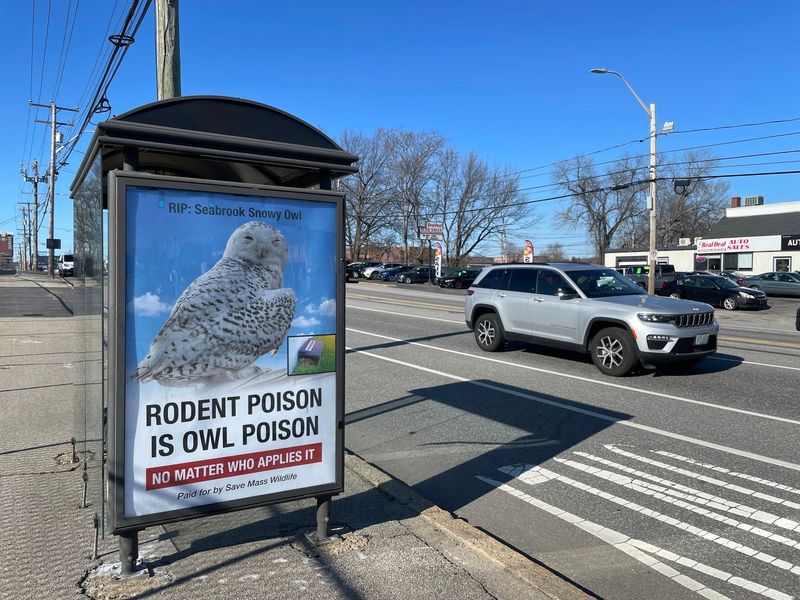
Poison bait may seem like a quick fix, but it can spread beyond the rodent that eats it. The EPA warns that predators and scavengers may be harmed after eating poisoned rodents.
Hawks, owls, and other wildlife can be affected this way.
That is a good reason for anyone who values raptors to avoid outdoor rodenticide where possible. A slow-acting poison can leave a rodent weak and easy to catch, which puts it right in a predator’s path.
It also means hawk presence never makes poison safe. A hawk nearby is a reason for more care, not less.
Poison should never be set out to supply prey for a hawk.
Choose methods that stay with the problem at hand. Sanitation, sealing entry points, and traps target the rodents in your space without sending a hazard up the food chain.
If you hire a pest control company, ask what products and methods they plan to use outdoors. You can say up front that you want to protect birds of prey and other wildlife.
Observe hawks without disturbing them
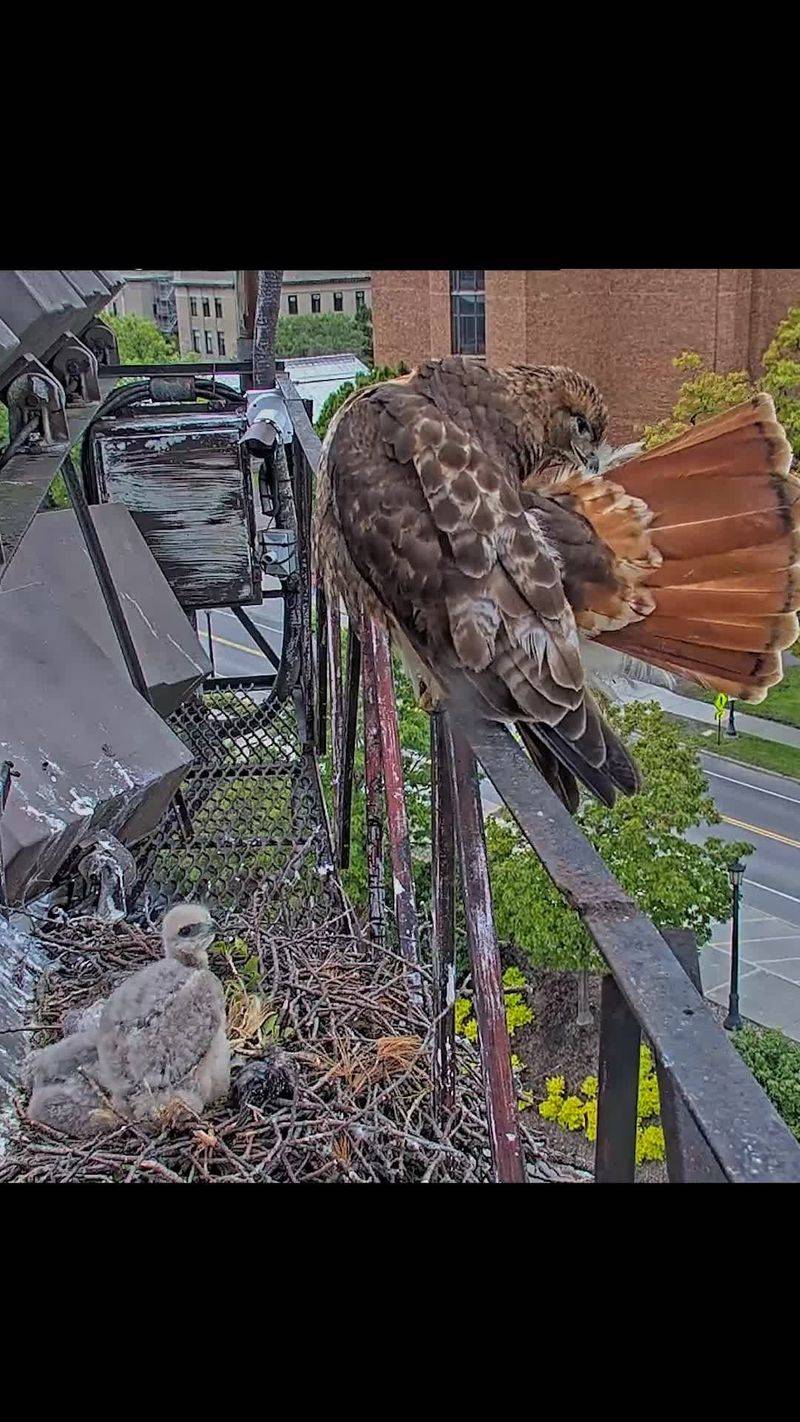
A hawk overhead is best treated as a welcome part of the local food web. Judge a rodent problem by the signs you can check yourself: droppings, gnawed items, greasy rub marks, and noises in walls.
Then follow the household steps in the Texas A&M AgriLife guidance.
When it comes to the bird, give it space. Watch from a distance with binoculars, and let it hunt, rest, and nest in peace.
Do not try to handle, capture, harm, or disturb a hawk, its nest, its eggs, or its young.
Texas protects wild birds and their nests, eggs, and young, as Texas Parks and Wildlife explains. If you find an injured bird, contact a licensed wildlife rehabilitator instead of stepping in yourself.
The hawk on your fence is a wonderful sight, and it deserves to be enjoyed for its own sake.