
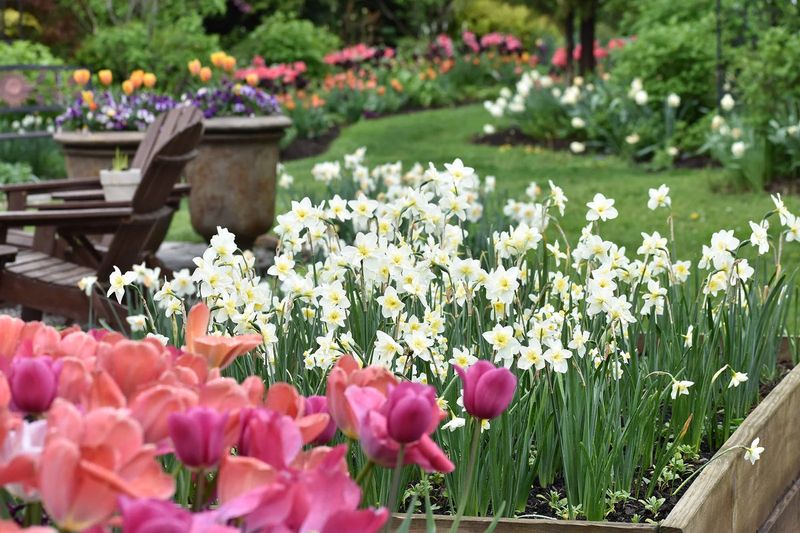
Every spring, lots of North Carolina gardeners spend money on flats of flowers that die by July. There is an easier way, and late September through November is the best time to start it.
Native perennials planted in fall get months of cool, damp weather to grow deep roots before summer heat arrives. Plant the ten below once, and they can come back year after year while feeding bees, butterflies, and birds.
1. Purple Coneflower
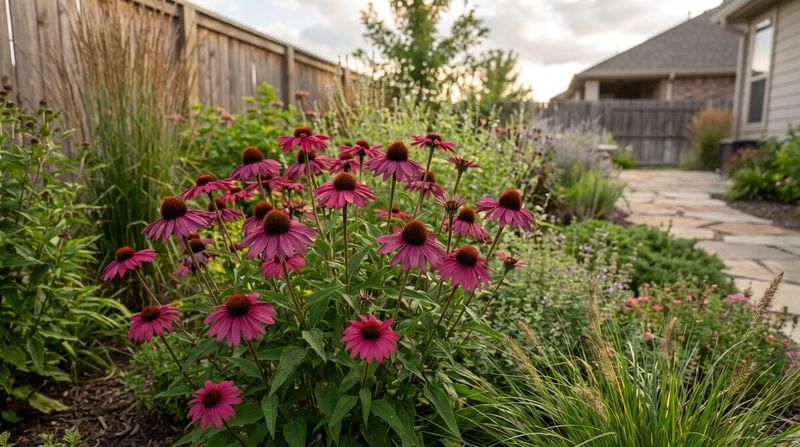
Ask any longtime Raleigh gardener which flower never lets them down, and coneflower comes up fast. Echinacea purpurea is native to the Southeast and shrugs off red clay, drought, and July heat.
Fall planting gives it a head start. Roots settle in while the soil is still warm, so plants usually bloom well the very first summer instead of sulking.
Leave the seed heads standing after bloom. Goldfinches pick them clean all winter, and dropped seed may give you free new plants nearby.
2. Black-Eyed Susan
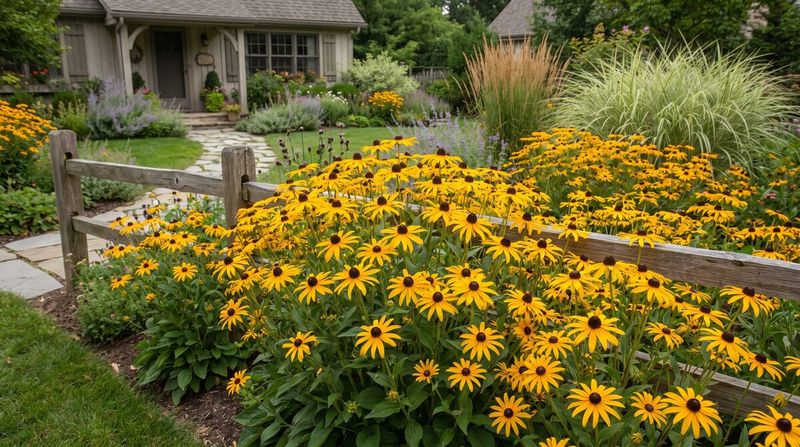
Bright, cheerful, and a little bit stubborn, black-eyed Susan is the plant that fills bare spots for you. Rudbeckia fulgida spreads slowly by roots, so one fall planting can become a golden drift in two or three years.
It handles the whole state, from Asheville slopes to Wilmington sand. Give it full sun and average soil, and skip the fertilizer.
Pollinators love the summer show. Later, birds pick at the dark centers, which makes leaving stems up through winter a smart, lazy choice.
3. Butterfly Weed
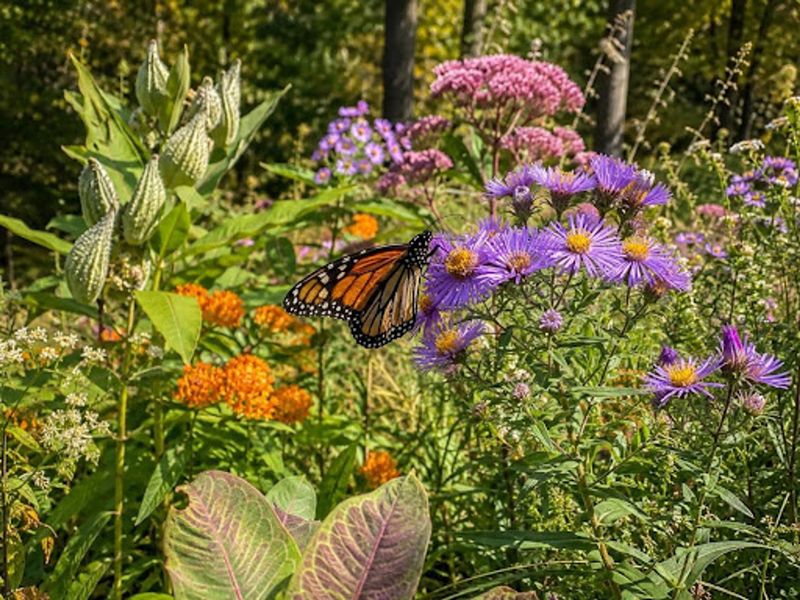
Monarchs passing through North Carolina in fall are hunting for milkweed, and butterfly weed is the tidy, garden-friendly kind. Asclepias tuberosa grows bright orange flowers and serves as a host plant where monarch caterpillars feed.
Here is the catch: it grows a long taproot and hates being moved. That is exactly why you plant it once and leave it alone for good.
Pick the driest, sunniest spot you have. It is slow to wake in spring, so mark the spot so you do not dig into it by accident in April.
4. Christmas Fern
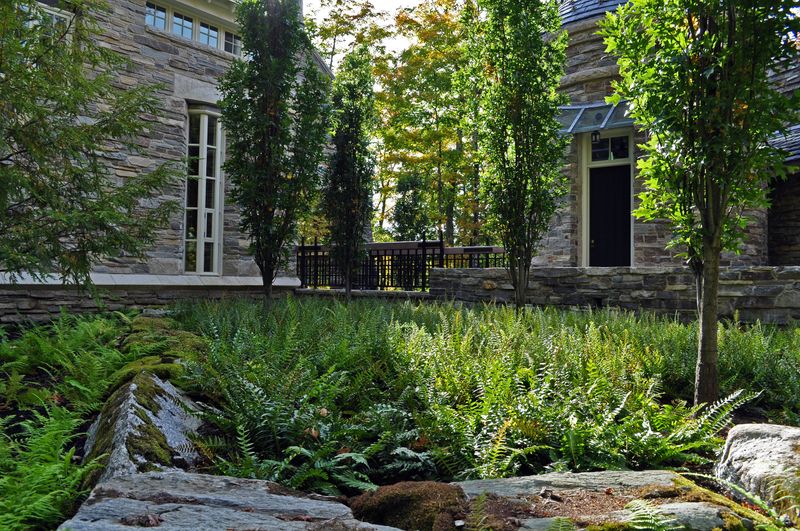
Shade under big oaks can feel like a dead zone. Christmas fern fixes that with glossy green fronds that stay green all winter, even after the first freeze.
Polystichum acrostichoides grows wild in NC woods, so it already knows the climate. It handles dry shade better than most ferns and deer usually pass it by.
Plant in fall when shady soil stays moist. Clumps get wider each year but never run wild.
It also makes a great native swap for liriope edging along walks and beds.
5. Oakleaf Hydrangea
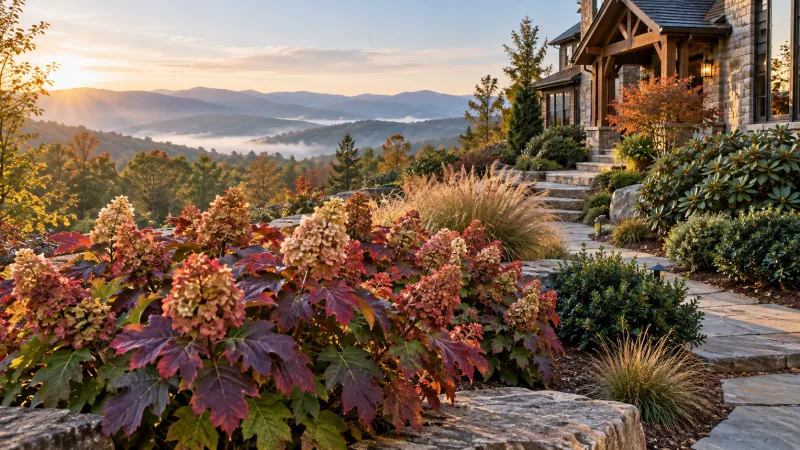
Few shrubs give you four seasons of good looks, but oakleaf hydrangea comes close. White cone-shaped blooms show up in early summer, then fade to pink.
By late October, the big leaves turn wine red and burgundy. In winter, peeling cinnamon bark keeps things interesting.
Hydrangea quercifolia is native to the Southeast and likes part shade with good drainage. Fall planting lets roots grow before summer heat hits.
Skip heavy pruning. It blooms on old wood, so cutting it back can remove next year’s flowers.
6. Little Bluestem
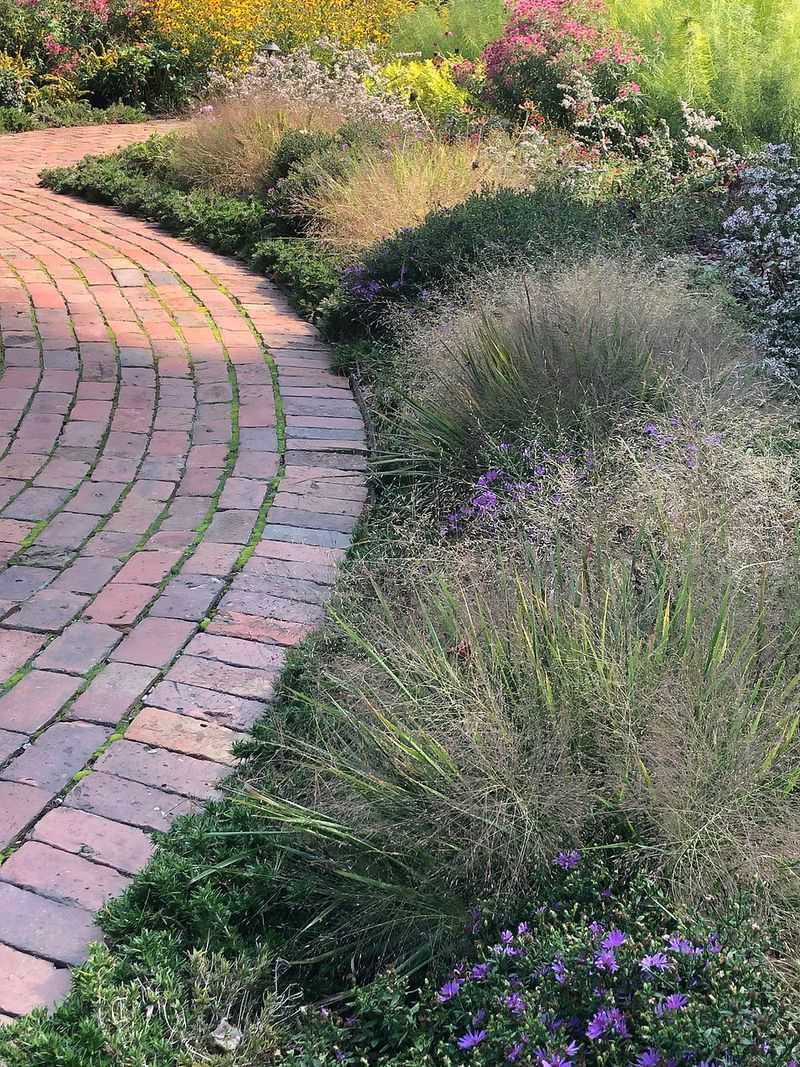
Picture a grass that is blue-green in summer and turns copper and orange just as the maples start to color. That is little bluestem, a native bunchgrass that may help replace a thirsty patch of lawn.
Schizachyrium scoparium loves poor, dry soil and full sun. Rich soil and extra water actually make it flop.
Its clumps give shelter to beneficial insects over winter, and small birds eat the seed. Cut it back once in late winter and that is the whole care plan.
7. Eastern Columbine
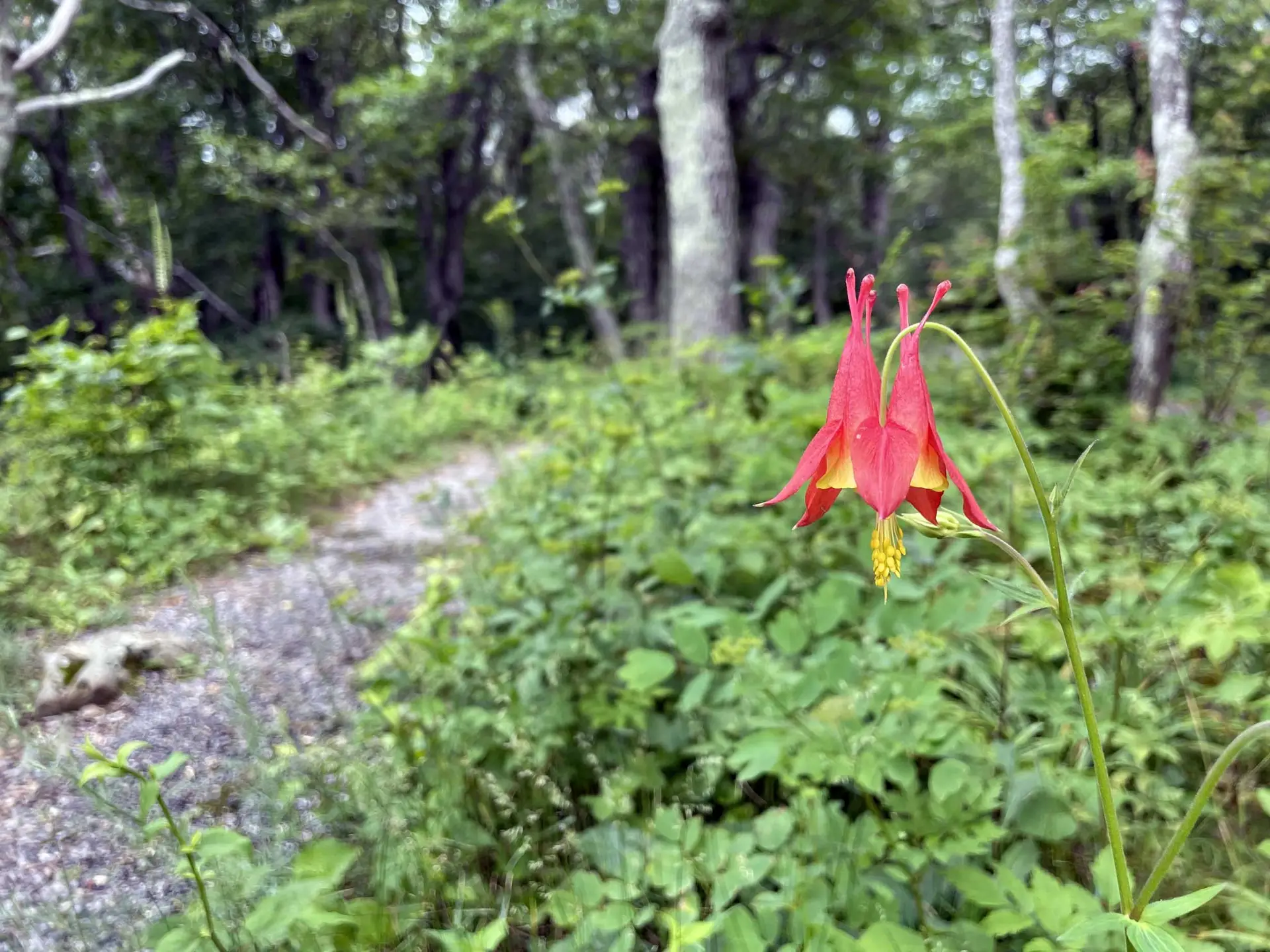
Hummingbirds return to North Carolina in spring hungry, and wild columbine is often one of the first meals ready. The red and yellow nodding flowers look delicate, but the plant is tough.
Aquilegia canadensis grows on rocky slopes in the wild. It likes part shade and good drainage, which makes it handy near tree roots.
Each plant lives only a few years, yet it reseeds gently. Once established, a small colony keeps itself going without your help.
8. Aromatic Aster
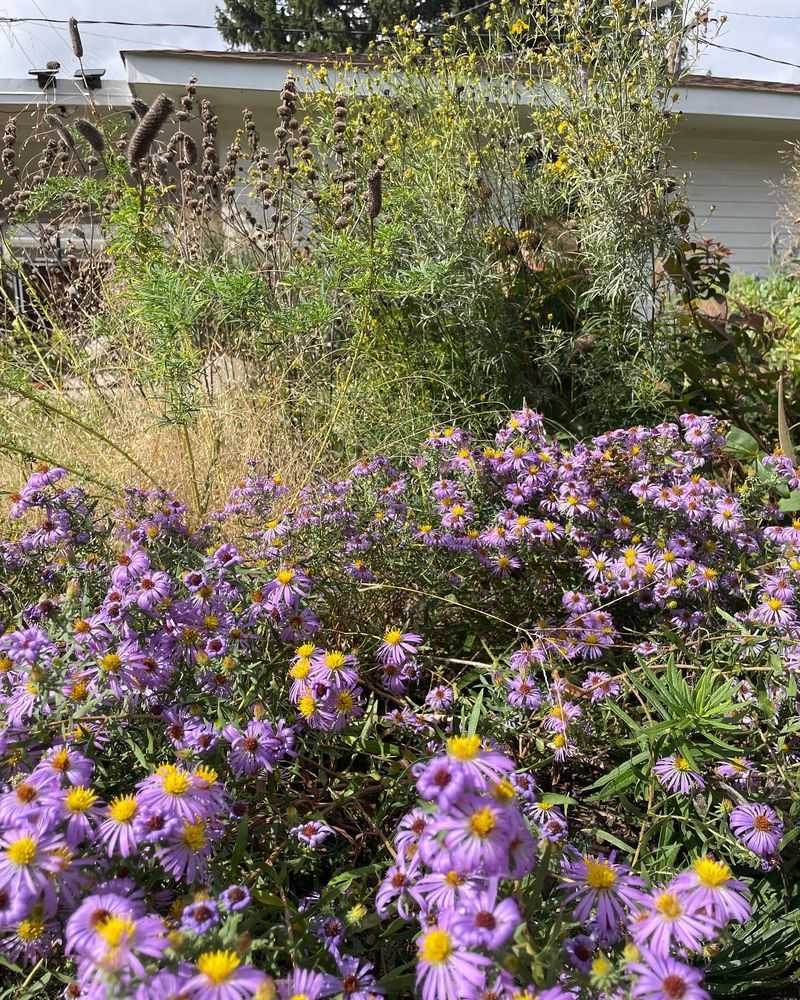
Late in the season, when most gardens look tired, aromatic aster bursts into a mound of purple daisies. It often blooms from October into November across the Piedmont.
That late timing matters for wildlife. Bees fueling up before winter and migrating monarchs may lean on asters when little else is in flower.
Symphyotrichum oblongifolium handles drought and poor soil. Plant it this fall, enjoy a small show now, and expect a big one next year.
9. Spring Bulbs Like Daffodils
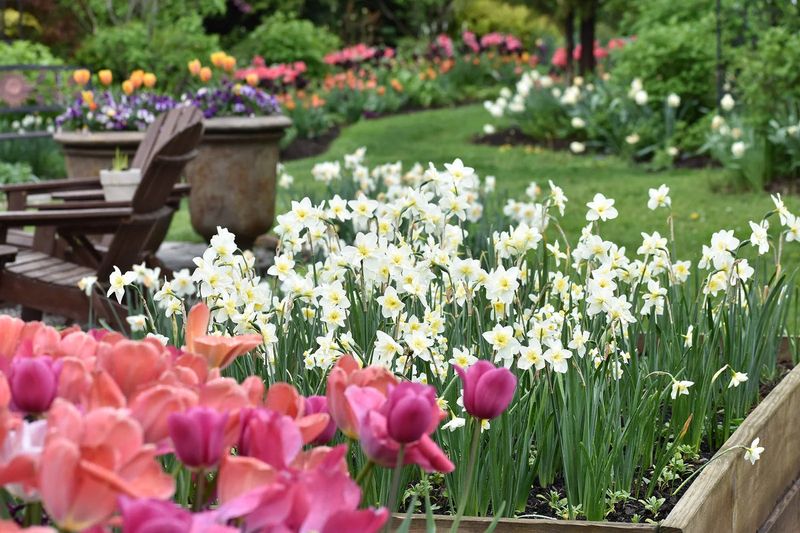
Old NC homesteads still bloom with daffodils planted a century ago. That is proof enough that these bulbs are a one-time job.
Plant them from October to early December, once soil cools. Set bulbs about 6 inches deep, pointy end up, in a sunny spot.
Voles and deer usually leave daffodils alone because the bulbs are toxic. After bloom, let leaves yellow naturally so the bulbs can recharge.
10. Garlic Chives
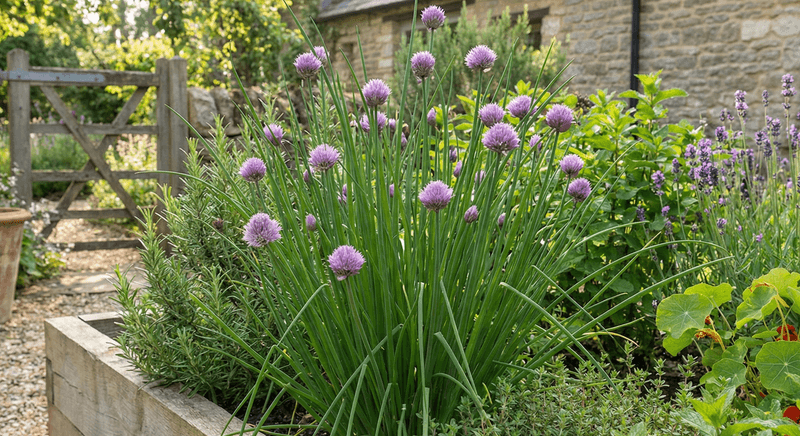
Want one edible plant that just keeps coming? Perennial chives fit the bill and stay small and polite in a kitchen bed.
Common chives are the safest pick, since garlic chives can reseed heavily in NC. Snip leaves for eggs and potatoes from early spring through fall.
Plant divisions now, and the clump will be ready for regular harvests by spring. Cut flowers before they set seed to keep it tidy.