
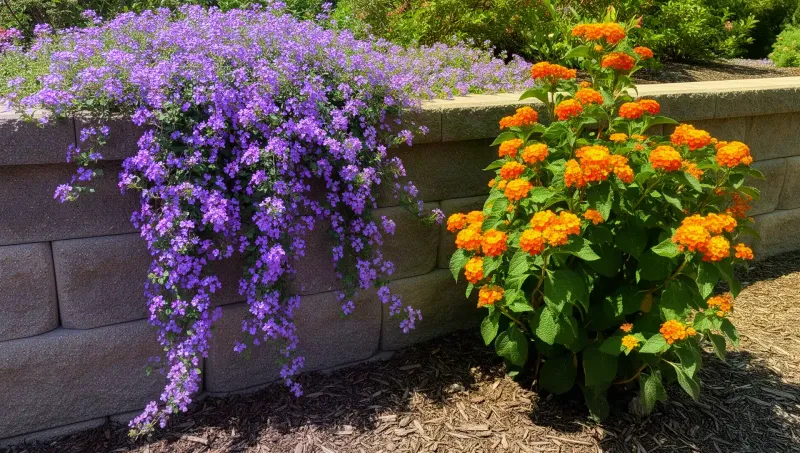
You water it all summer, and it rewards you with bright clusters of orange, yellow, and pink. Then the first frost hits, and you wonder if that lantana will ever bloom again.
In North Carolina, the answer changes from the mountains to the Piedmont to the coast. A little planning before the cold arrives can improve your odds.
Region and cultivar both shape lantana’s chances
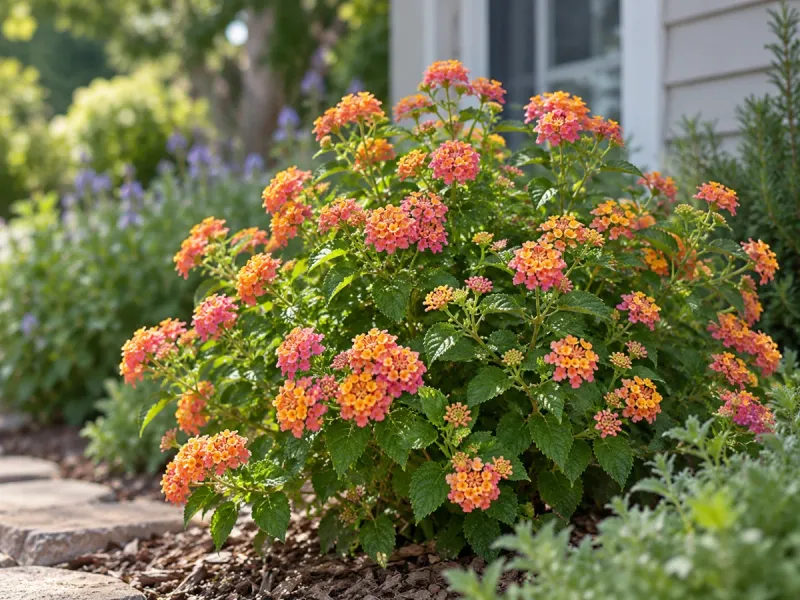
Before sorting out regions, it helps to know which plant we mean. This article is about common lantana, Lantana camara, the one most gardeners buy for its multicolored flower clusters.
NC State’s plant profile for common lantana describes it as a plant that can grow as a perennial in warm coastal areas and names certain cultivars as frost-hardy in the Piedmont.
The word lantana covers more than one plant, though. Trailing lantana, Lantana montevidensis, is a different species with its own needs.
NC State lists trailing lantana for zones 8 to 10, says it may be used as an annual in colder climates, and notes it can be root-hardy in Zone 8 if well mulched. Many store-bought lantanas are also hybrids, so a tag may not tell you which advice applies.
Think of regional guidance as an outlook, not a promise. Where you live matters, and so does the cultivar you chose.
Your planting spot and the winter itself also play a part. A sheltered yard can behave differently from an open one a few miles away, and a mild winter can look very different from a harsh one.
Keep that in mind as we walk from the mountains to the coast.
Mountain gardeners should set conservative expectations
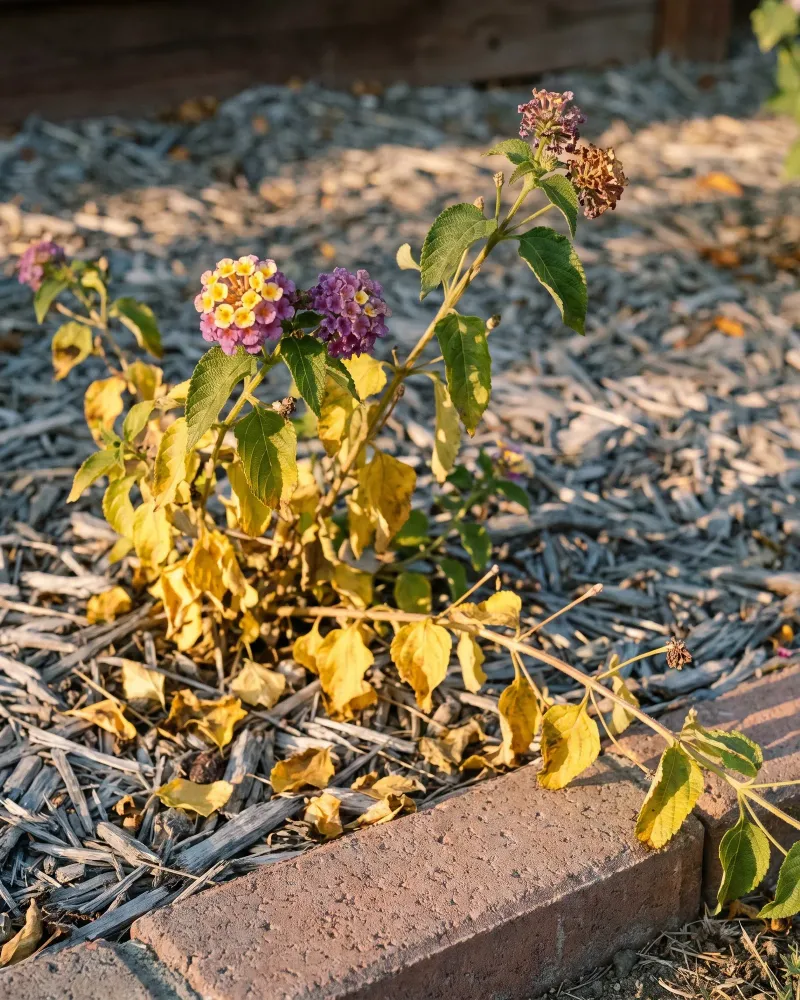
If you garden in the North Carolina mountains, plan on lantana being a summer color plant. Many lantanas may not return after winter there, which makes the mountains the least reliable region for outdoor overwintering.
NC State’s Extension Gardener Handbook notes that some plants act as annuals in the mountains but as perennials on the coast, and lantana fits that kind of pattern.
That does not mean every mountain yard is a lost cause. A sheltered spot, such as a south-facing wall that blocks cold wind, could improve the odds.
A hardier cultivar might help too. Neither is a dependable fix, so treat any spring return as a pleasant surprise rather than something to count on.
Compare that with warmer regions, where outdoor survival becomes more realistic. Mountain gardeners can still enjoy lantana by budgeting for new plants each spring or by bringing container plants indoors.
The winter-planning sections below cover both approaches, so you can choose what suits your yard and your patience.
Piedmont survival depends partly on cultivar
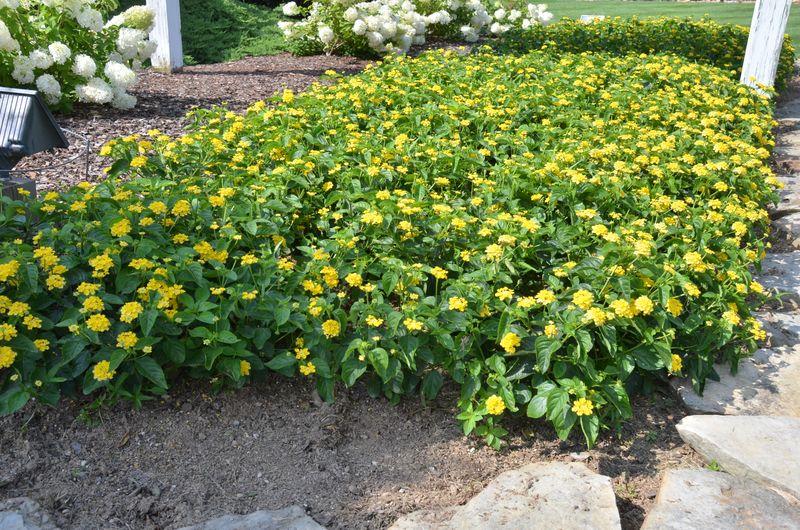
Piedmont gardeners have a better shot than mountain gardeners, as long as they pick the right plant. NC State’s common lantana profile identifies three cultivars as frost-hardy in the Piedmont: ‘Miss Huff,’ ‘Ham and Eggs,’ and ‘Chapel Hill Yellow.’ If you want lantana to come back, start your shopping list there.
The details matter here. NC State identifies ‘Miss Huff’ and ‘Ham and Eggs’ as cold-hardy to USDA Zone 7b.
That is a hardiness description, not a guarantee that either plant will return in every Piedmont garden.
A cold, wet corner of the yard or an especially hard winter can still take a hardy cultivar. Planting in well-drained soil and a sunny, protected spot may help.
Check the plant tag for the cultivar name, since a generic lantana label tells you little about winter hardiness.
Coastal warmth improves the odds, but not certainty
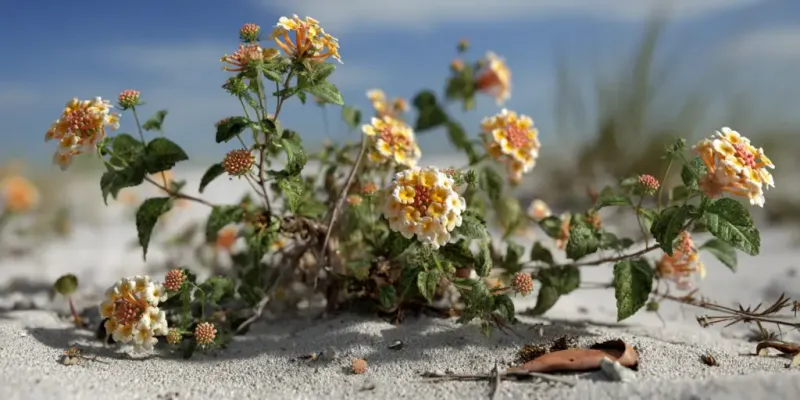
Along the coast, milder winters give lantana its best chance in North Carolina. NC State says common lantana can grow as a perennial in warm coastal areas.
Warmer winter soil and fewer deep freezes are the practical reasons gardeners there see plants come back more often.
Still, a coastal address is not a guarantee. A rare hard freeze, a low spot where cold air settles, or a soggy winter bed can still knock a plant back or kill it.
Some years you may see bare stems and wonder, then watch new growth appear once spring warms up.
If your lantana looks dead in late winter, scratch a stem gently to look for green tissue, and wait for warm weather before giving up. Treat the coastal outlook as encouraging rather than certain, and keep a backup plan if the plant matters to you.
Plan in-ground winter care ahead, but time mulch carefully
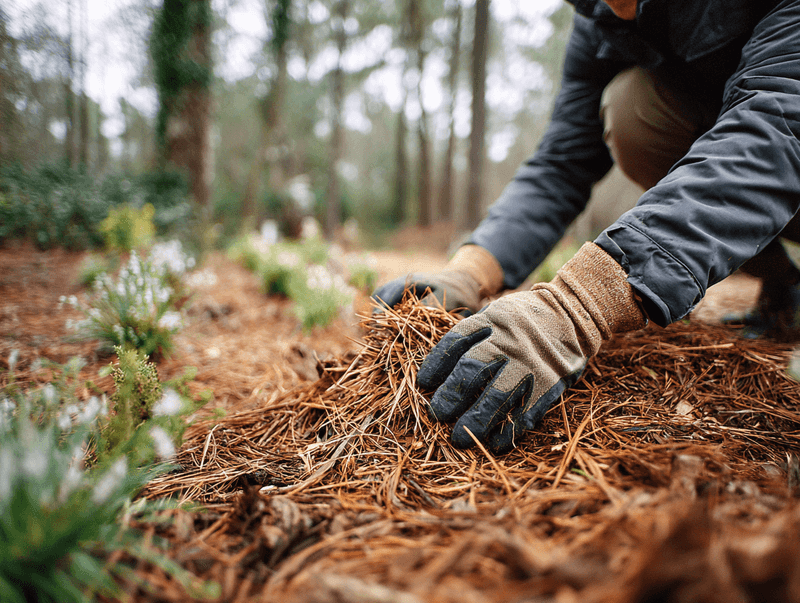
Winter prep for in-ground lantana starts early, but the key step comes later than many people expect. Have your mulch ready, then wait to spread it until after several frosts have cooled the soil.
NC State’s handbook warns that early mulching can keep soil warm enough to encourage growth and increase winter injury. When the time comes, avoid piling it heavily over the crown.
Hold off on hard pruning too. Clemson Extension advises leaving hard pruning until spring, because fall hard pruning can reduce cold hardiness.
Leaving the old growth in place through winter may give a hardy lantana a better chance.
Handle the plant with care when you do cut it. NC State reports that lantana’s leaves, fruits, flowers, and sap are toxic, with possible risks to people and animals.
Keep clippings away from children and pets. NC Cooperative Extension advises gloves and long sleeves because the stems can irritate skin.
All of these steps reduce risk, but none promises survival. A hard or prolonged freeze can still win, even with good mulch.
Give container lantana a separate winter plan
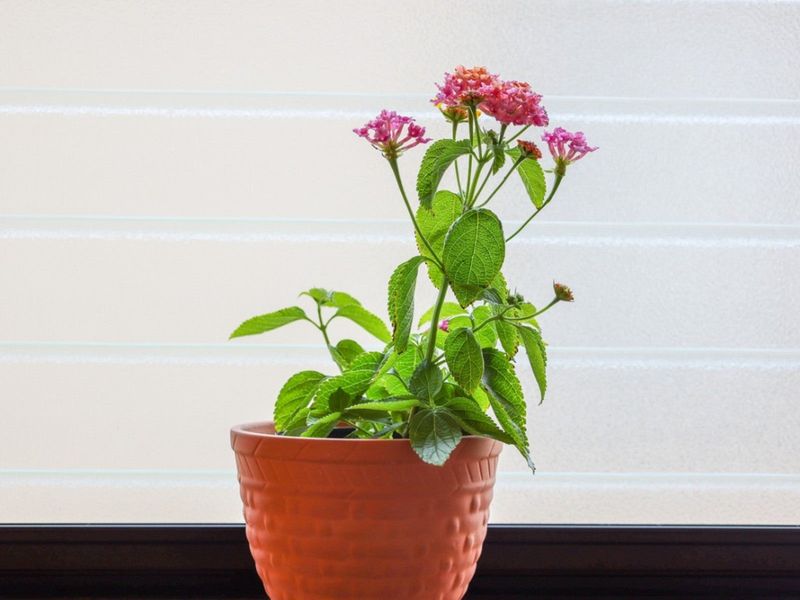
A pot does not protect roots the way garden soil does. Container roots can chill from all sides, so a potted lantana needs its own plan before cold weather arrives.
Decide where it will spend winter now, not on the night of the first frost.
Illinois Extension describes a dormant approach that works as one option. After the first frost, cut the foliage to about six inches, pot the root ball, and store it in a cool, dark place.
Water lightly during storage.
This is a method for containers, not a recommendation to hard-prune lantana left outdoors. As noted earlier, Clemson cautions that fall hard pruning can reduce cold hardiness in plants staying in the ground.
Keep the two situations separate in your mind.
No storage method can guarantee survival for every cultivar or every garage, basement, or shed. Check the pot now and then, and keep the soil only barely damp.
Match spring expectations to your plant and place
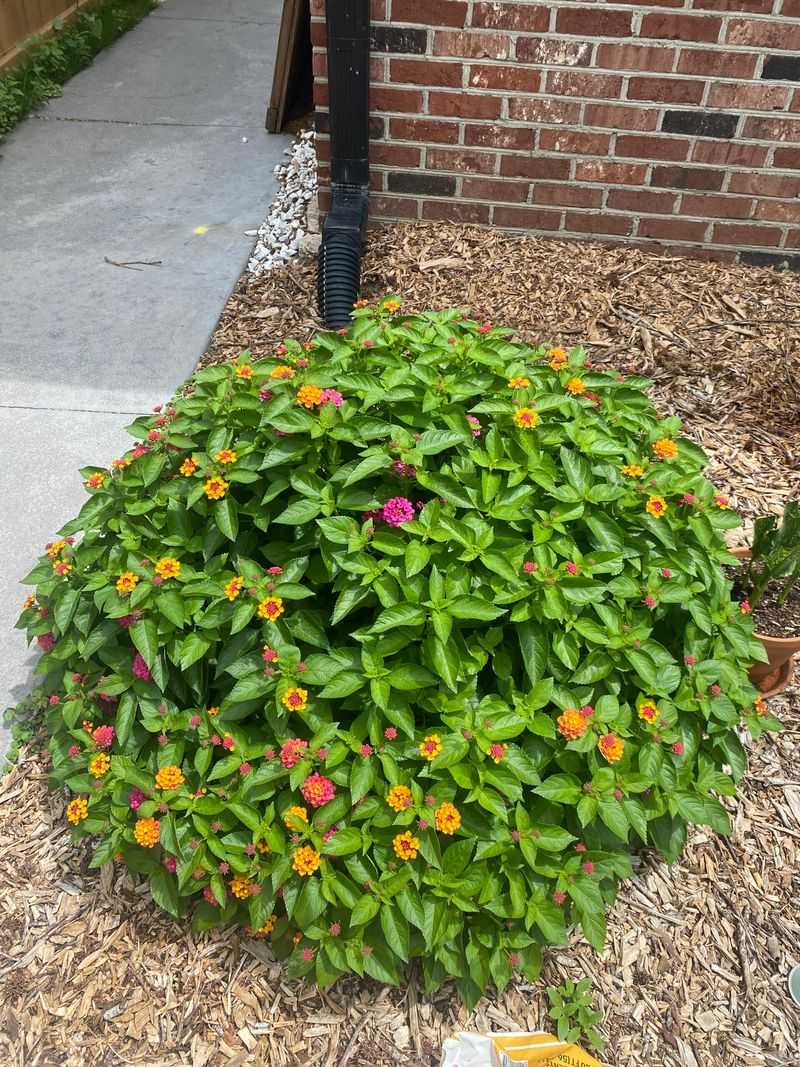
Coastal warmth generally improves the outlook, the Piedmont offers possibilities with cultivars like ‘Miss Huff,’ and outdoor survival in the mountains is less reliable. NC State’s guidance is a good starting point, not a promise.
Plan your winter care ahead, and for in-ground plants, wait for several frosts to cool the soil before mulching, as the NC State handbook advises.
Containers get their own plan. Either way, spring will tell the story.