
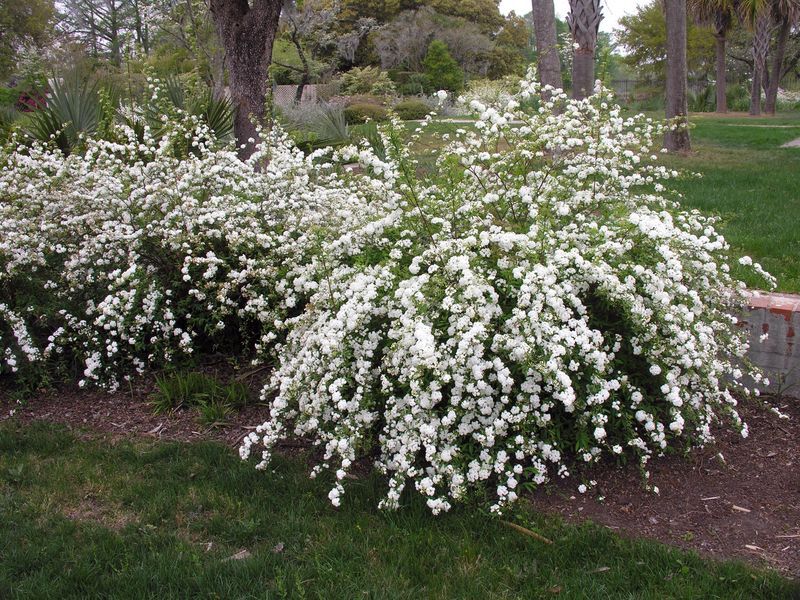
Spirea is one of the most common shrubs in North Carolina yards, yet it is also one of the easiest to prune at the wrong time. A cut made this month can remove flower buds on some kinds and do little for others.
The best November move is simpler than a big haircut. Knowing which spirea you have protects next spring’s flowers and tells you when the pruners should come out.
A November cut cannot promise a fuller spring display
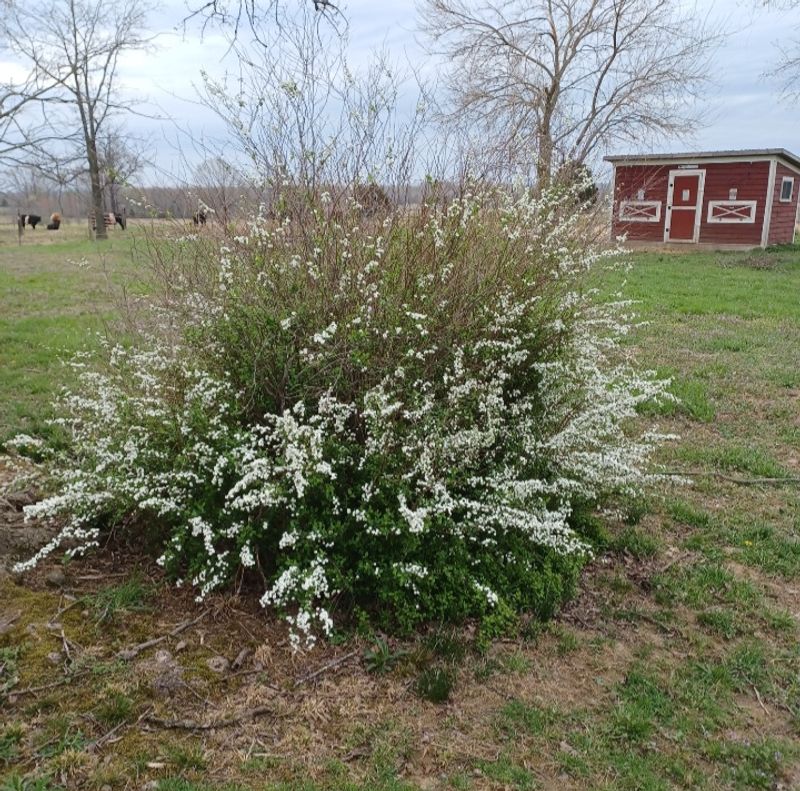
No November pruning task has been shown to make every North Carolina spirea return with fuller spring flowers. Spireas differ in when they bloom and how they respond to a cut, so one rule cannot cover them all.
The risk is real for spring bloomers. According to the NC State Extension Gardener Handbook, shrubs that flower in spring set their buds on old wood, so fall and winter cuts can remove those buds.
Guidance for bridalwreath spirea says to prune as needed right after flowering.
That changes what a useful November looks like. Instead of a hard cut, the job is to figure out which spirea you own and hold off on major shaping until its pruning window is clear.
A little patience now keeps your options open for spring.
Which spirea is growing in your yard?
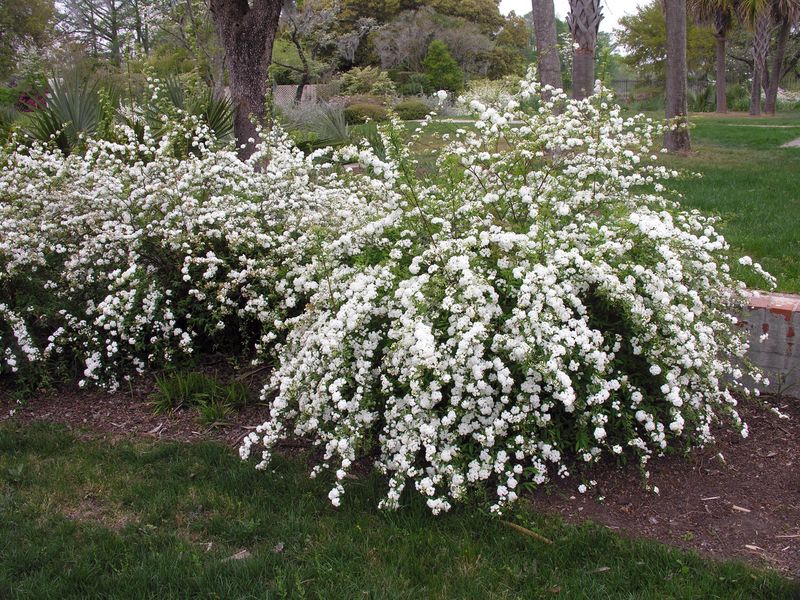
Check for the plant tag, a receipt, or a nursery record first. The botanical name, such as Spiraea prunifolia or Spiraea japonica, tells you far more than the word spirea alone.
The name covers many plants with different habits. NC State’s spirea guidance separates kinds that bloom on old wood from those that bloom on new wood, and that split drives the pruning calendar.
No label? Use your own notes.
Did the shrub flower in April on long, arching stems, or did it send up flat pink or white clusters in June and July? Spring flowers point toward an old-wood bloomer, and summer flowers point toward new growth.
Take a few photos next season, and ask your local Cooperative Extension office if you are unsure. Until you know, treat it as a spring bloomer and leave major pruning alone.
Protect spring-blooming spireas’ buds now
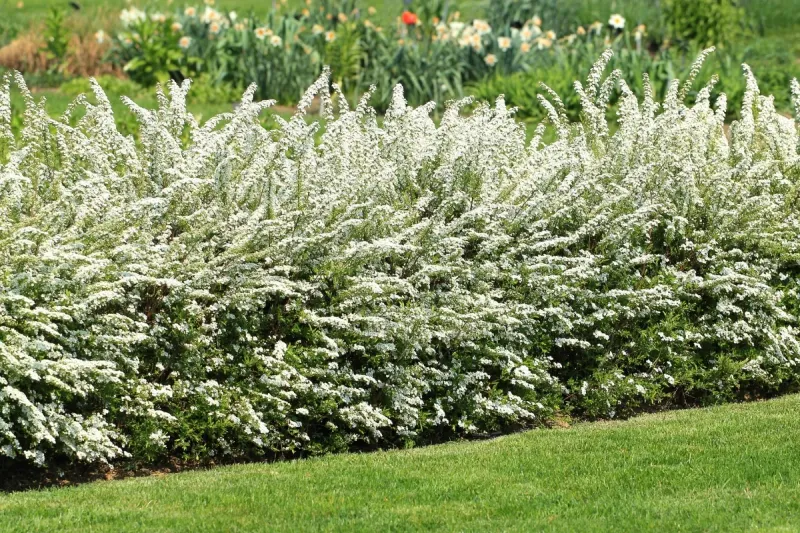
Bridalwreath and Vanhoutte spirea are the classic spring bloomers. Their flower buds form on old wood, which means a fall or winter cut can take away next spring’s show.
The NC State entry for Vanhoutte spirea and the bridalwreath entry both point to full, arching flowering shrubs, and the bridalwreath page advises pruning right after bloom.
Here is the sequence. Leave the shrub alone through winter.
Once the flowers fade in spring, thin it as needed.
The Extension Gardener Handbook recommends renewal pruning for spirea. In practice, that means cutting a few of the oldest stems near the base so new shoots can replace them.
A harder cut will not create bigger flower clusters. Its main effects are on shape and on new growth, and cutting at the wrong time can simply mean fewer flowers.
Summer-blooming types follow a different calendar

Not every spirea flowers in spring. Japanese spirea blooms on new growth, so the old rule of waiting until after spring flowers does not fit it.
NC State’s Japanese spirea page recommends pruning in late winter to early spring if pruning is needed. The same page flags this plant as nonnative and says it can escape and naturalize in North Carolina, which is worth weighing if you are choosing new shrubs.
You may see other advice. The Brunswick County pruning calendar allows fall pruning of many summer bloomers when fruit is not a concern.
Treat these as two separate pieces of guidance, not one universal rule. Some new-wood bloomers tolerate fall cuts, while the Japanese spirea page points to late winter.
Either way, pruning a summer bloomer is not a way to get spring flowers, because it does not produce any.
In November, remove only wood that needs to go
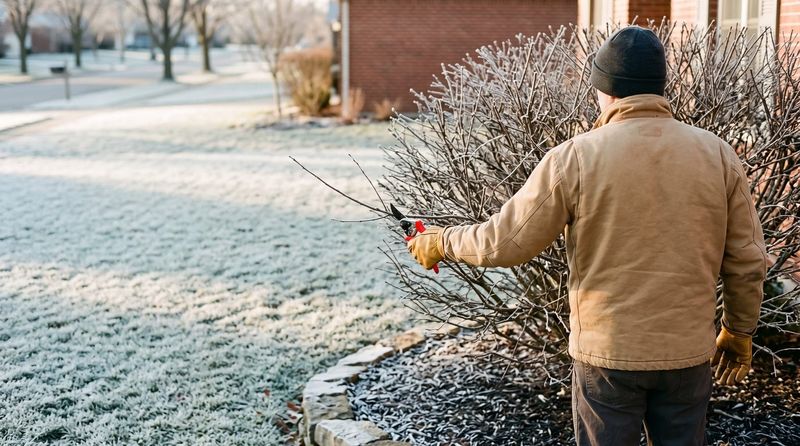
Walk around the shrub with pruners in hand and look closely. Dead stems are brittle and brown inside, damaged ones may be cracked or broken, and diseased wood may look discolored or sunken.
If you find any, cut it back to healthy tissue or to the base. The Extension Gardener Handbook supports limiting pruning to this kind of removal until you know the proper window.
Everything else can wait. Major reshaping should follow identification, using the NC State spirea guidance on old-wood versus new-wood bloomers.
Summer bloomers such as Japanese spirea have their own timing, and NC State’s page points to late winter to early spring.
The seasonal rule is short. Prune spring bloomers after they flower, and follow type-specific guidance for summer bloomers.
Fullness depends on more than the pruning date
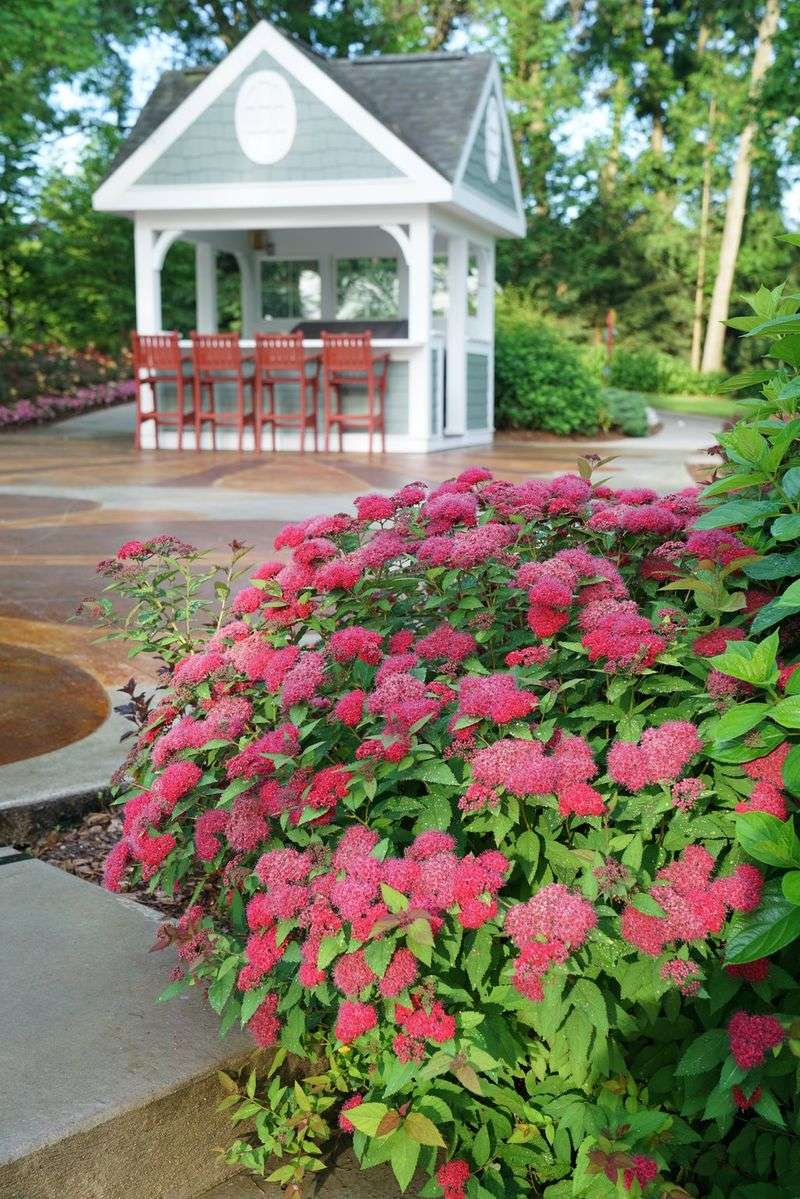
When people ask for a fuller spirea, they can mean different things: denser leaves, more branches, or more flowers. Each one has different causes.
Selective pruning can shape the plant and encourage new growth, and the Extension Gardener Handbook recommends renewal pruning for spirea. Larger or more abundant flower clusters are not something a November cut can promise.
Sunlight matters too. NC State lists full sun as best for flowering in the bridalwreath and Vanhoutte entries.
That is a growing condition to consider when you place a shrub, not a late-fall fix and not a guarantee of more blooms.
A spirea tends to reward good timing and a good site over a year or two, not a single dramatic cut.