
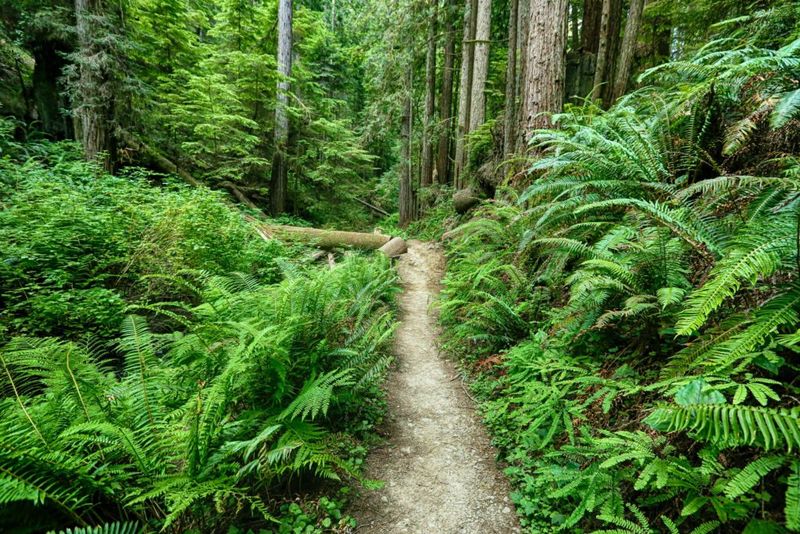
Picture a yard that looks like a beach resort but barely needs a hose in August. In California, that dream is real, because some of our toughest native plants have big leaves, bold flowers, and jungle-style shapes.
They handle long dry summers, poor soil, and the occasional forgotten watering better than most nursery imports. If you want a lush look that also feeds bees, birds, and butterflies, these ten plants are a great place to start.
1. California Fan Palm (Washingtonia filifera)
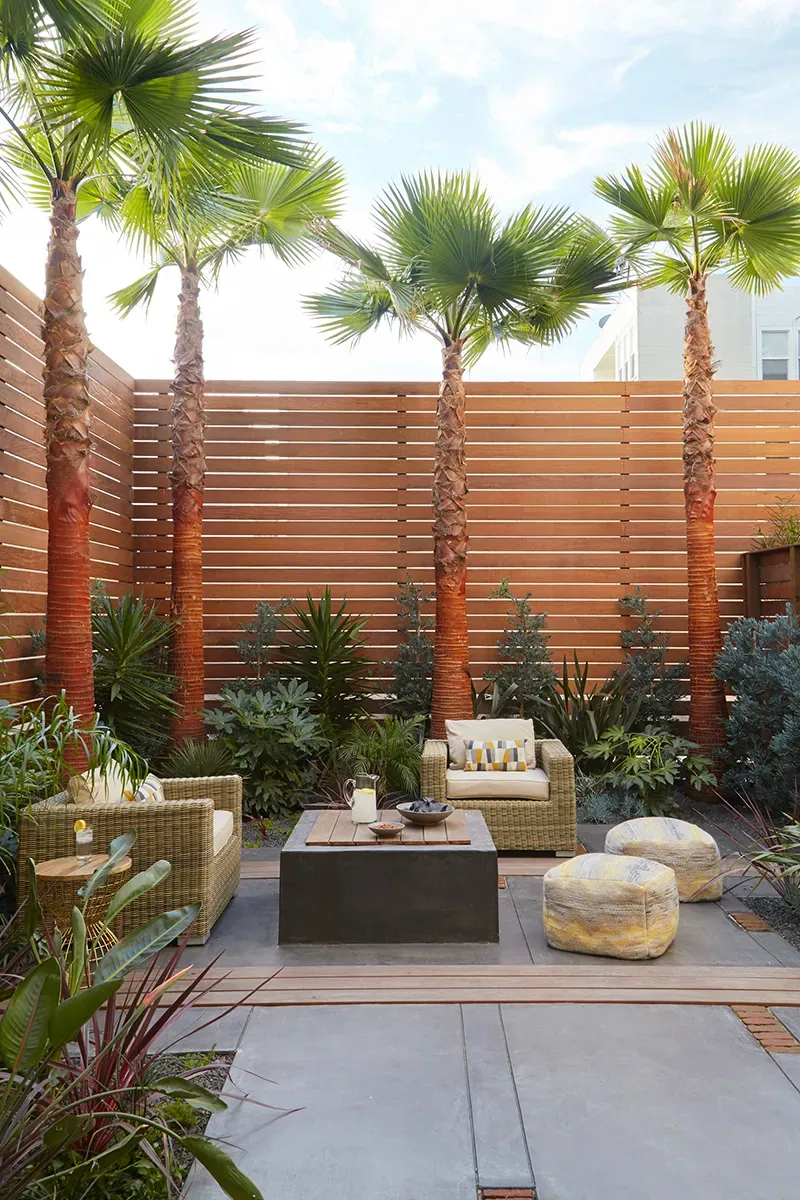
Only one palm is truly native to California, and it grows wild in desert oases near Palm Springs. The California fan palm brings instant vacation vibes with huge, pleated fronds that rustle in the breeze.
Once established, it can get by on deep, occasional watering, making it far thriftier than a lawn. Hooded orioles may weave nests from its fibers, and the old frond skirt can shelter bats and birds.
One caution for hillside homes: dry skirts can be a fire risk, so trim them if you live in a fire zone and keep the palm well away from the house. Give it full sun and room to grow, since it can top 50 feet over time.
2. Giant Chain Fern (Woodwardia fimbriata)
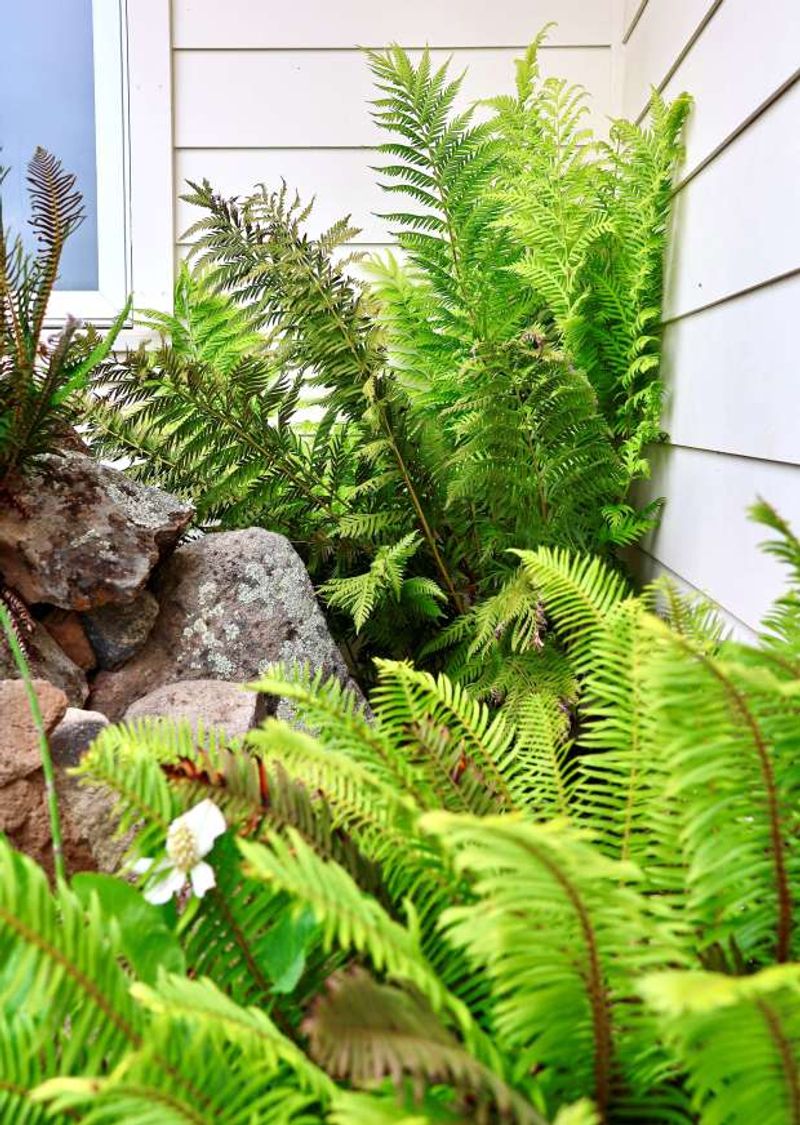
Ferns usually mean soggy forests, right? Giant chain fern breaks that rule, with fronds up to six feet long that look straight out of Hawaii.
It is happiest in shade near a north wall or under trees, and it tolerates summer dryness better than most ferns once its roots settle in. A deep soak every week or two in the hottest months usually keeps it looking fresh.
Beginners love it because it rarely sulks. If a frond browns, snip it off and new ones will unfurl in spring.
3. Western Sword Fern (Polystichum munitum)
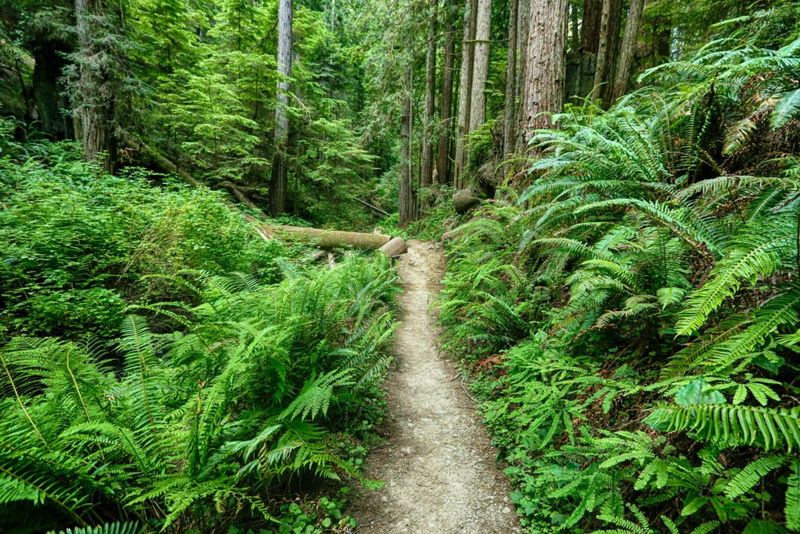
Glossy, dark green, and nearly indestructible, western sword fern is the plant you tuck into the spot where nothing else survives. Dry shade under redwoods or a deep side yard?
It handles both.
The stiff fronds form neat fountain shapes that pair nicely with bigger tropical-looking leaves. It can live for decades with almost no fuss.
Fun fact: Native peoples used the fronds to line baskets and cooking pits. In your garden, it offers cover for lizards, salamanders, and ground-feeding birds.
4. Matilija Poppy (Romneya coulteri)
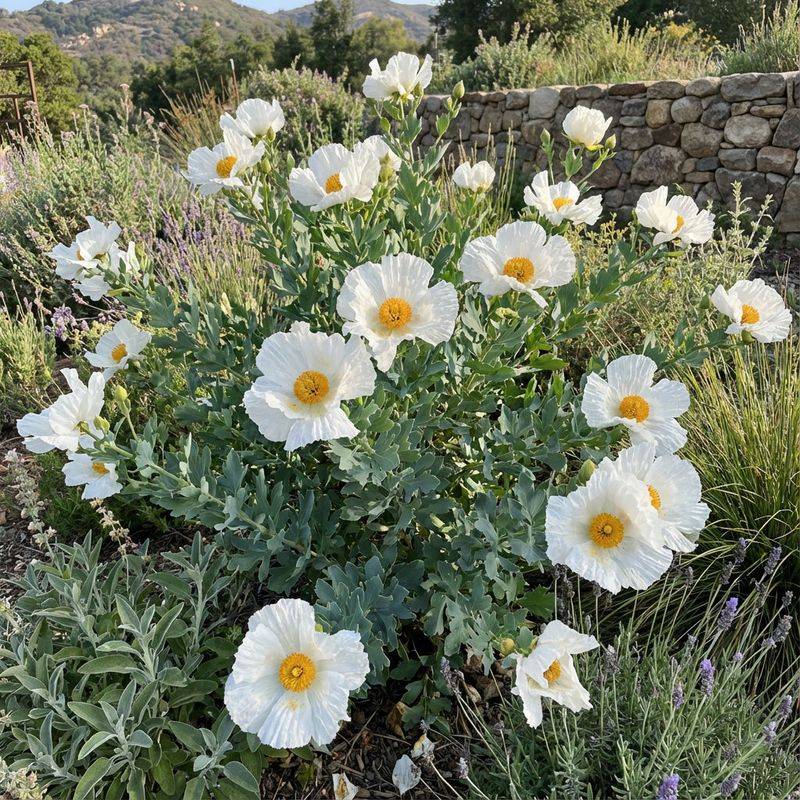
Folks call them fried egg flowers, and once you see one you will understand why. Matilija poppy blooms are as wide as a dinner plate, with crinkled white petals around a bright yellow center.
This plant is the definition of thriving on neglect. Too much water can actually harm it, so it suits that hot, dry slope where you have given up on everything else.
Fair warning: it spreads by underground runners and can be tricky to start, so plant it where it has room. Bees swarm the blooms in late spring and early summer.
5. Western Redbud (Cercis occidentalis)
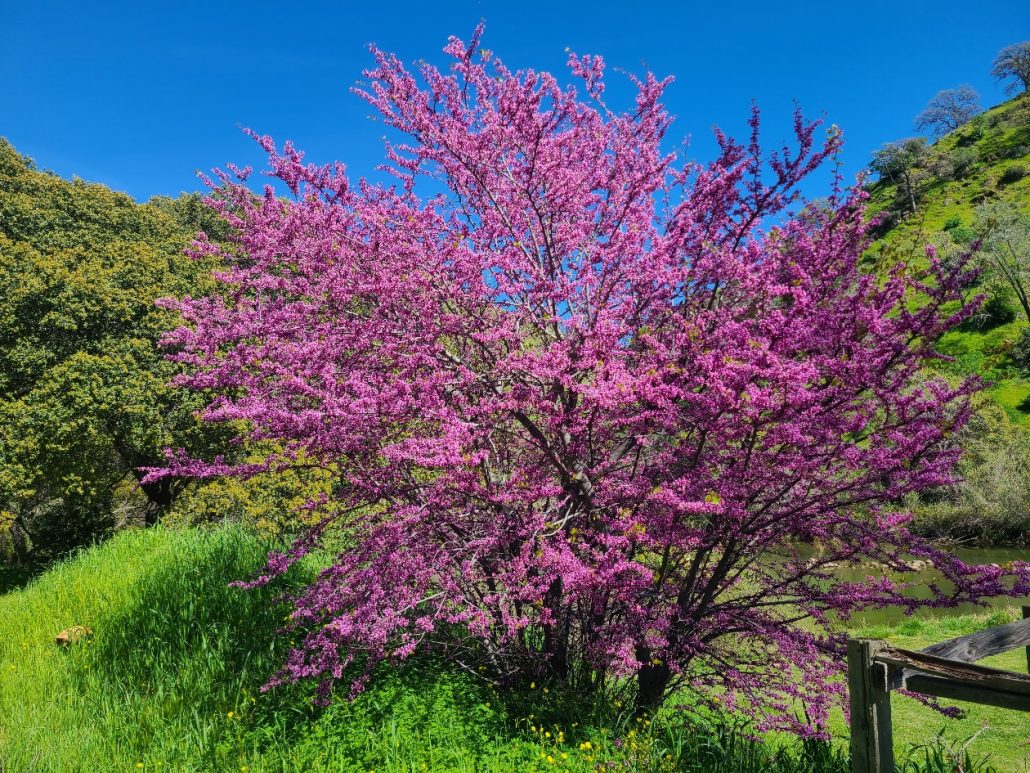
In early spring, bare branches suddenly explode in magenta flowers that look almost unreal. Western redbud follows that show with round, heart-shaped leaves that give a soft, tropical feel all summer.
Native to foothills and canyons, it can handle heat and little summer water once established. It stays small enough for front yards, usually 10 to 20 feet.
Native bees, especially carpenter bees, depend on its early blooms. Plant it in fall so winter rains can help it settle in.
6. California Fuchsia (Epilobium canum)
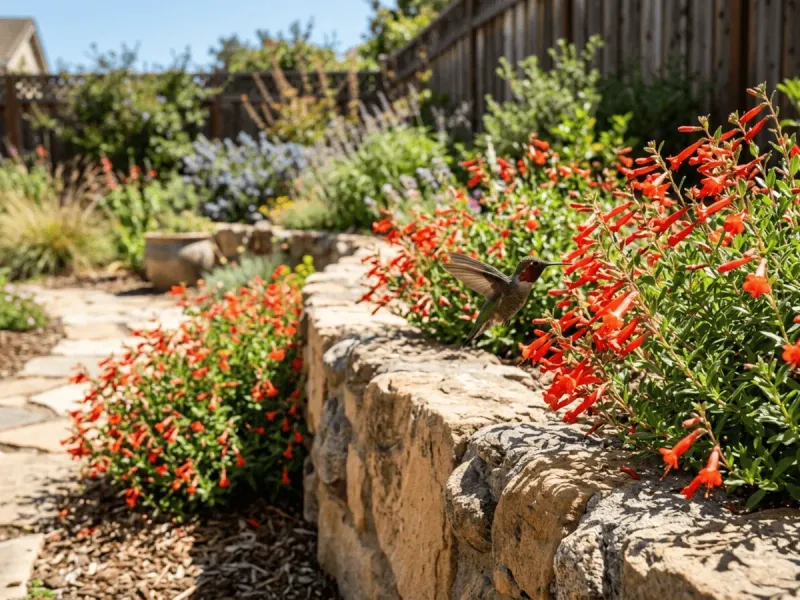
Late summer, when most gardens look tired and crispy, California fuchsia lights up in fiery orange-red tubes. Hummingbirds treat it like a buffet, and you may spot them every day once it blooms.
The flowers look like they belong in a rainforest, yet the plant prefers lean soil and sparse water. Overwatering is the most common beginner mistake, so err on the dry side.
Cut it back hard in winter. It will come back fuller and bloom heavier the next year.
7. Our Lord’s Candle (Hesperoyucca whipplei)
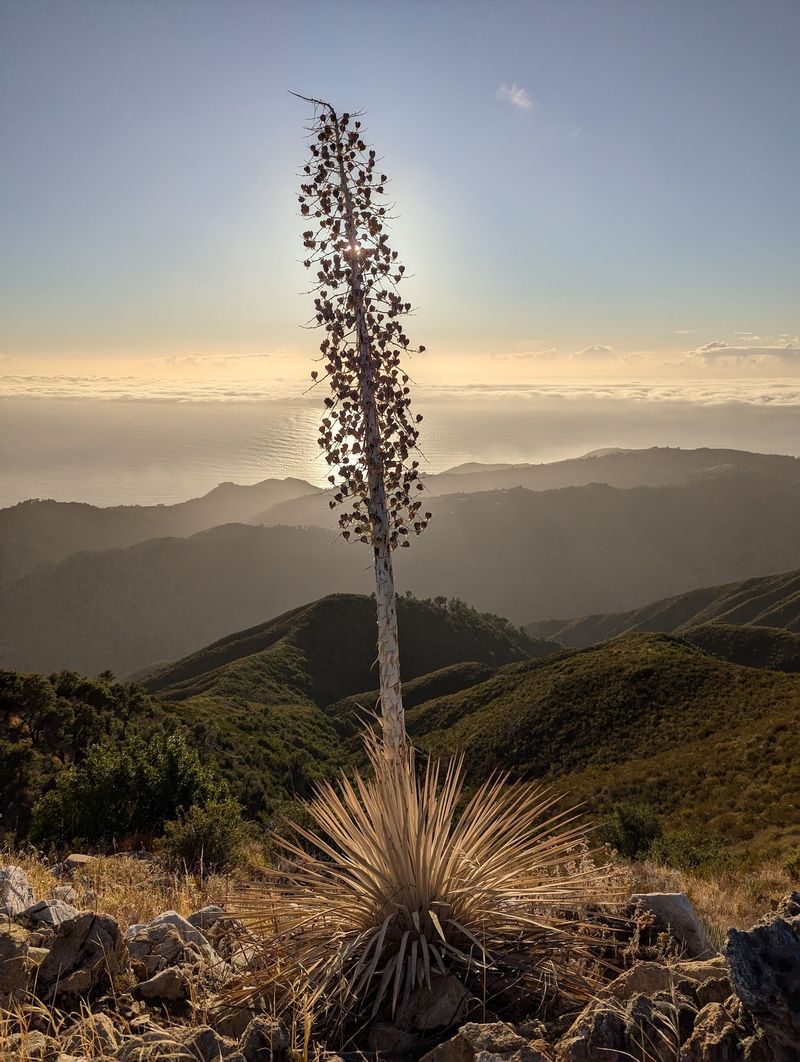
Imagine a spiky blue rosette that one day shoots up a flower stalk taller than your roofline. That is Our Lord’s Candle, a native yucca relative with a bold, architectural look.
It loves blazing sun, rocky soil, and zero pampering. It works beautifully in gravel gardens alongside agave-style plantings.
Most plants bloom once and then die, but the flowering show is worth it, and offsets or seedlings can carry on. Yucca moths pollinate it in a fascinating partnership that may play out right in your yard.
8. Shaw’s Agave (Agave shawii)
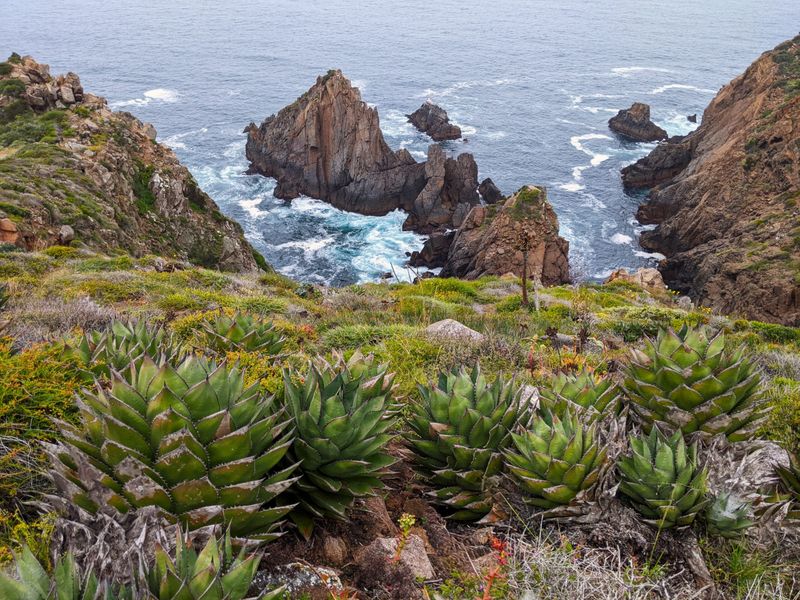
Rare in the wild and right at home near the San Diego coast, Shaw’s agave is a tidy rosette of glossy green leaves edged with reddish spines. It gives a sculptural, resort-style look with almost no water.
Salty breezes, poor soil, and skipped watering hardly bother it. Place it away from walkways, since those spines are sharp.
Growing it in your yard can help support a species that has lost much of its native habitat. Its eventual bloom feeds bats, birds, and bees.
9. Desert Willow (Chilopsis linearis)
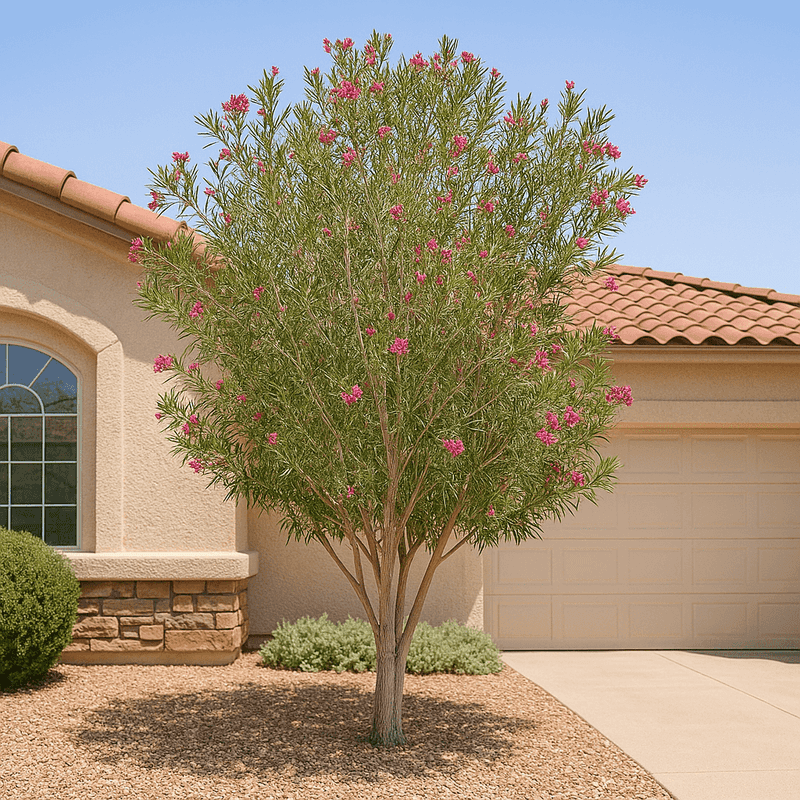
Orchid-like blossoms in pink, lavender, and white dangle from desert willow all summer long. They look delicate, but this small tree comes from the scorching California deserts.
It thrives in hot inland valleys where other flowering trees struggle. A few deep waterings in summer can keep the blooms coming, though it tolerates far less.
Hummingbirds and native bees visit constantly. Its light, airy canopy makes it a nice patio tree that casts dappled shade.
10. Pacific Coast Iris (Iris douglasiana)
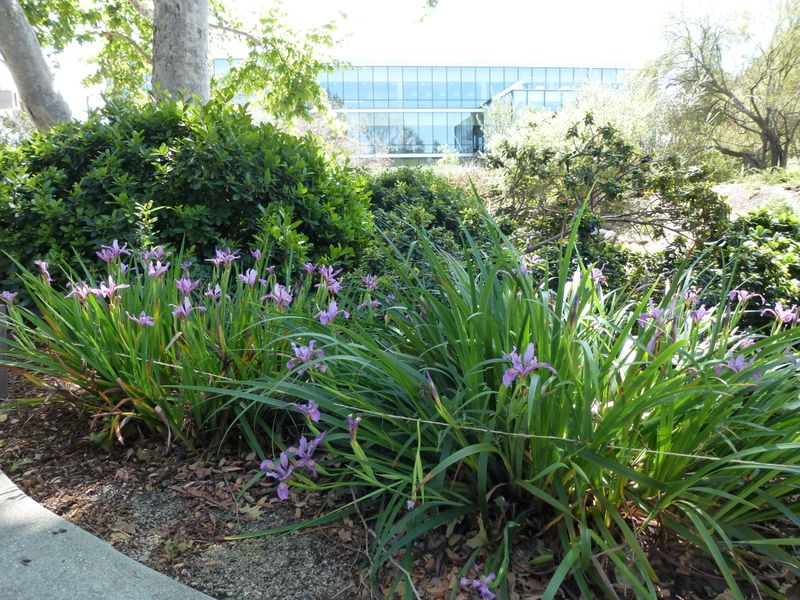
Strappy leaves and ruffled blooms in purple, blue, cream, or gold give Pacific Coast iris an exotic feel, almost like a ground-level orchid. It flowers in spring right when gardens wake up.
Plants go a bit dormant in summer heat and ask for little water, which is exactly what a California yard needs. Light shade inland, or full sun on the coast, keeps them happiest.
Tuck clumps under bigger plants on this list to fill gaps and cover soil. Bumblebees will thank you each spring.