
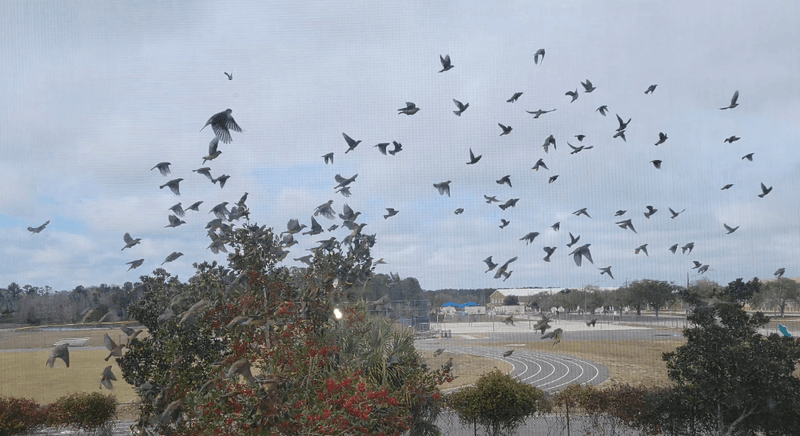
A flock of sleek, masked birds can land in a yaupon and empty it of red berries in a single afternoon. If you live in Central Texas, you may have watched it happen.
The birds get a winter meal, and that is the clear payoff of growing this native shrub. Here is what we know about why they come, what they leave behind, and how to keep the berries on the branches.
Cedar Waxwings turn up for winter fruit
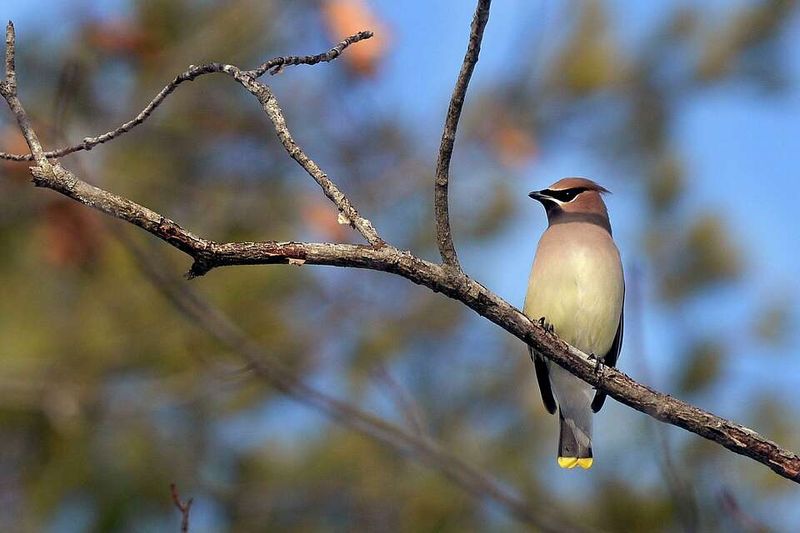
Picture a cluster of silky tan-gray birds, each wearing a black mask and a yellow-tipped tail, crowded into one shrub. That is a Cedar Waxwing flock, and winter is when Texans are most likely to see one.
According to the Texas Breeding Bird Atlas, these birds are common to abundant winter residents across most of the state.
Fruit is the main reason they show up in your yard. Cornell Lab of Ornithology describes waxwings as flocking birds that feed mainly on fruit, which means they roam from one berry source to the next rather than settling in one spot.
That roaming habit matters for homeowners. A flock may sweep through your street one week and skip it the next, and some winters you may not see them at all.
Think of a visit as a seasonal event you can set the table for, not a guaranteed annual arrival.
One of the shrubs that can host them is yaupon, a native evergreen holly that holds bright red fruit into the cold months. The rest of this article looks at why that pairing happens, what the birds gain, and what the claim in our headline really means.
Why waxwings use yaupon late in winter
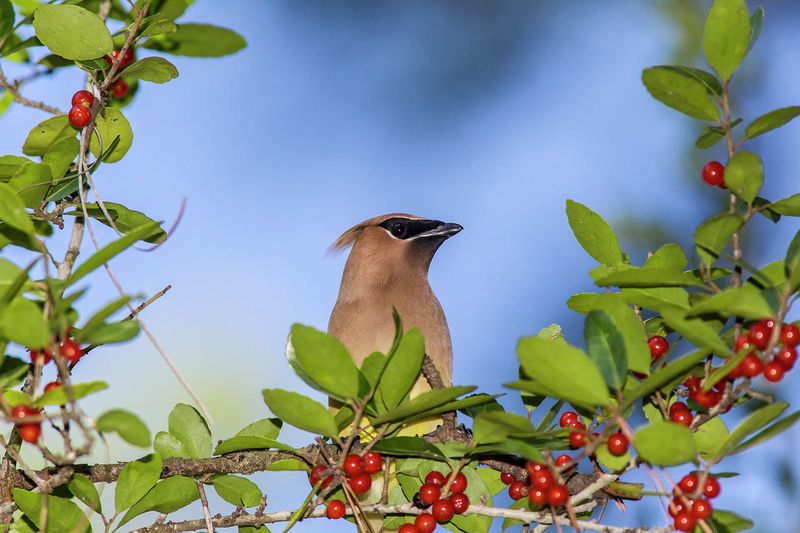
Yaupon is a Texas native, and its red, berry-like fruit ripens in late fall. Only female plants produce that fruit, according to Texas A&M Forest Service, and birds eat it.
The timing is what makes yaupon valuable. In a field study of winter fruit preferences, waxwings used yaupon and deciduous holly heavily once other fruits were mostly gone.
Yaupon, in other words, can be a backup pantry when softer, tastier fruits run out.
The same pattern shows up in forestry records. A USDA Forest Service account of yaupon reports that migrating waxwings frequently leave the plants clean of fruit by mid-March.
These findings describe a connection between the bird and the shrub. They do not mean every hedge gets a flock, or that every flock empties every plant.
Your own street, your neighbors’ plantings, and the winter’s weather all shape what actually lands in your yard.
Berry removal is not a proven benefit to shrub health
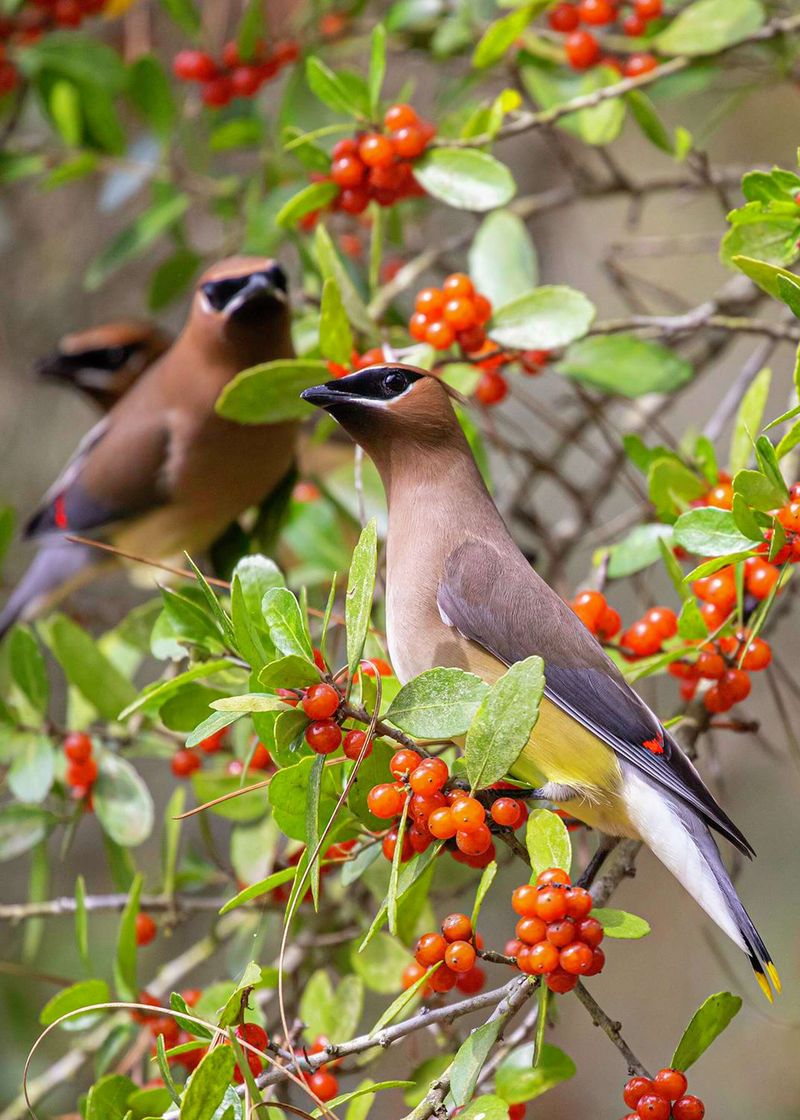
Here is where the headline needs a correction. The documented benefit of a waxwing visit goes to the birds, which get calories during the leanest part of the year.
Nothing in the sources we reviewed shows that a hedge grows better, stays healthier, resists disease, or looks nicer after its berries are eaten.
That does not prove stripping berries is harmful, either. It simply means a benefit to the shrub has not been demonstrated, so it is fair to call the visit a gift to wildlife and leave it there.
Berries are also not messy leftovers the plant needs to shed. The USDA NRCS plant guide lists the fruit as food for birds, and yaupon’s fruit is a normal seasonal feature.
The Forest Service account of yaupon’s life history records fruit use by migrating birds, but not improved plant performance.
So if a flock cleans out your shrub, enjoy the show. Just do not expect a lusher hedge as a thank-you.
Waxwings can carry seeds beyond the hedge
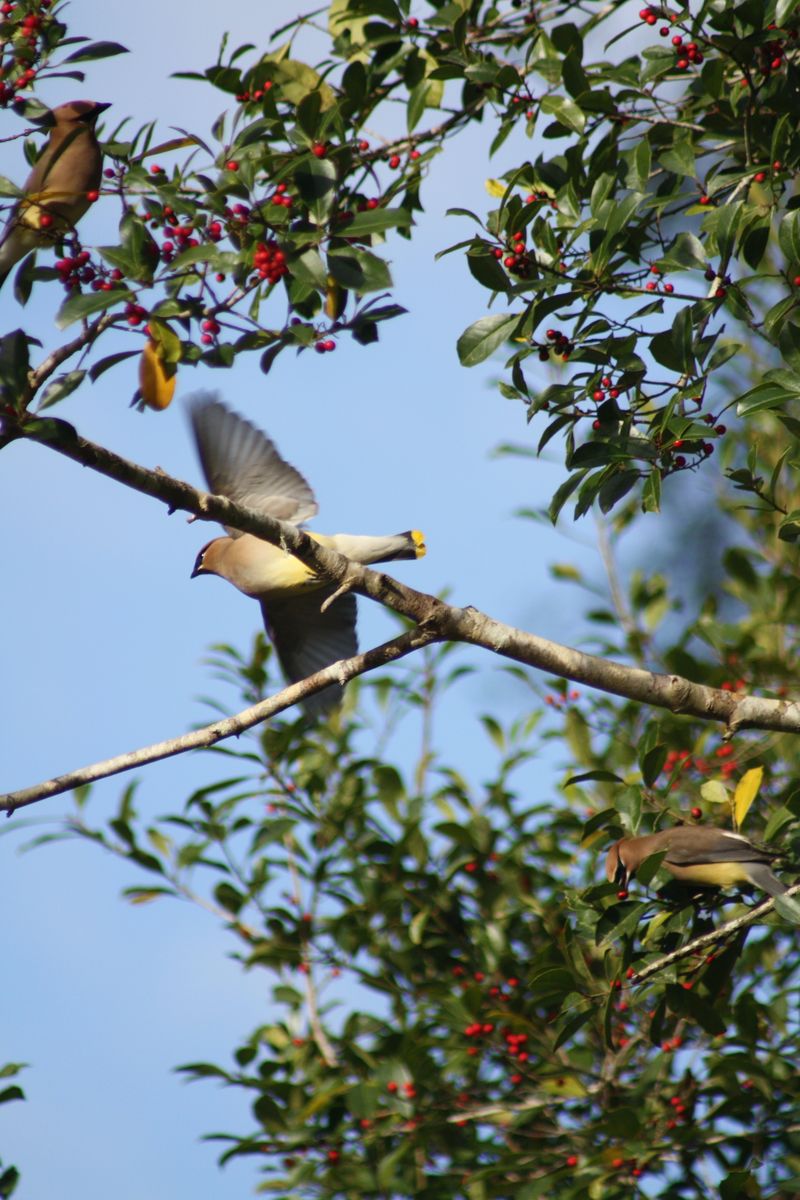
Birds that eat fruit often move seeds, and waxwings are no exception. USDA Forest Service research notes that Cedar Waxwings defecate seeds and supports their ability to disperse seeds of other plant species over distance.
That gives a reasonable picture of what may happen with yaupon. A flock feeds, moves on, and some seeds could end up away from the parent plant.
The limits matter, though. The research looked at other plants, not yaupon, so it does not tell us how many yaupon seeds survive digestion, how far they travel, or whether seedlings take root in a particular yard.
If you find a young yaupon sprouting along a fence line, a bird may be one explanation, but you cannot count on it. Treat seed spreading as a possible bonus of hosting waxwings, not a planting plan.
Keep yaupon berries available through winter

If you want berries to be there when the birds arrive, timing your trimming is the most useful step. Shearing a hedge hard while fruit is still hanging removes the very branches that feed wildlife.
Texas A&M guidance on pruning trees and shrubs with a purpose recommends light spring trimming of yaupon. It also advises care in summer so you do not remove bloom clusters or small fruits.
The reason is how the plant works. The Texas A&M EarthKind pruning guide points out that yaupon fruit forms on previous-year growth, so heavy cuts can take off next winter’s berries before they ever ripen.
A few practical habits help. Trim lightly in spring, skip big shearing sessions in summer, and leave fruit-bearing branches alone until the berries are gone.
If you have several yaupons, consider shaping only part of the hedge each year.
None of this promises a flock will find you. It simply keeps the seasonal fruit on the shrub for any birds that pass through.
Why a hedge may have no berries—or no flock
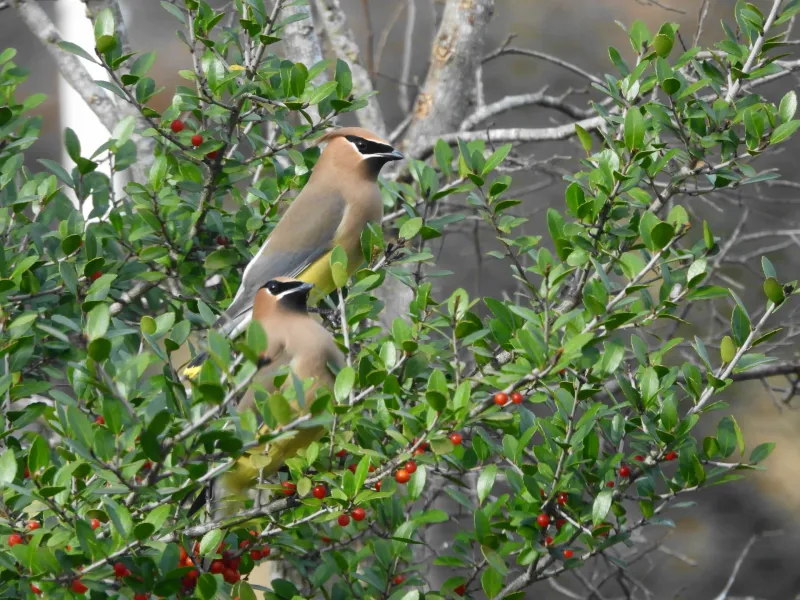
Two separate things can keep the headline scene from happening in your yard. The first is the plants themselves.
Yaupon is dioecious, so male and female flowers usually grow on separate plants, and only females bear fruit. The Texas A&M Forest Service notes this, and the USDA Forest Service account describes the same pattern.
A hedge with no berries may include male plants. It could also contain female plants that were not pollinated.
Without looking at the individual shrubs, there is no way to say which applies to yours.
The second reason is the birds. Cornell Lab of Ornithology describes waxwings as mobile flocks, and the winter fruit study shows they shift between fruit sources as supplies change.
So even a berry-loaded female yaupon may see a big flock one week and none the next. Planting a yaupon will not guarantee waxwings.
A good clue is to check your shrubs in late fall: if you see red fruit and no birds, local movement is the likelier explanation.
Let the birds feed, and keep berries out of reach
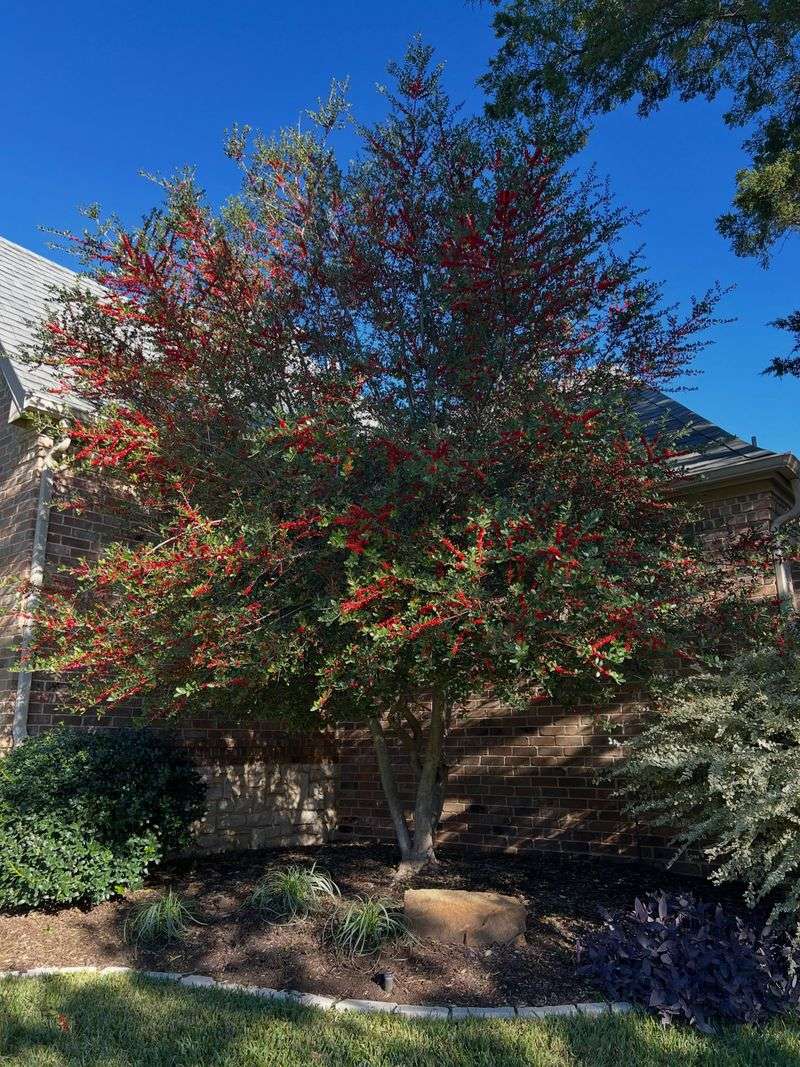
A waxwing flock can turn your yaupon into a winter feast and may carry a few seeds off with it. What the reviewed evidence does not show is any benefit to the hedge from losing its berries.
One safety note: the USDA NRCS cautions that yaupon berries can cause nausea, vomiting, and diarrhea, so keep them away from children and pets.
A red-berried shrub is a feeder that takes no refills, and the birds will tell you when it is open.