
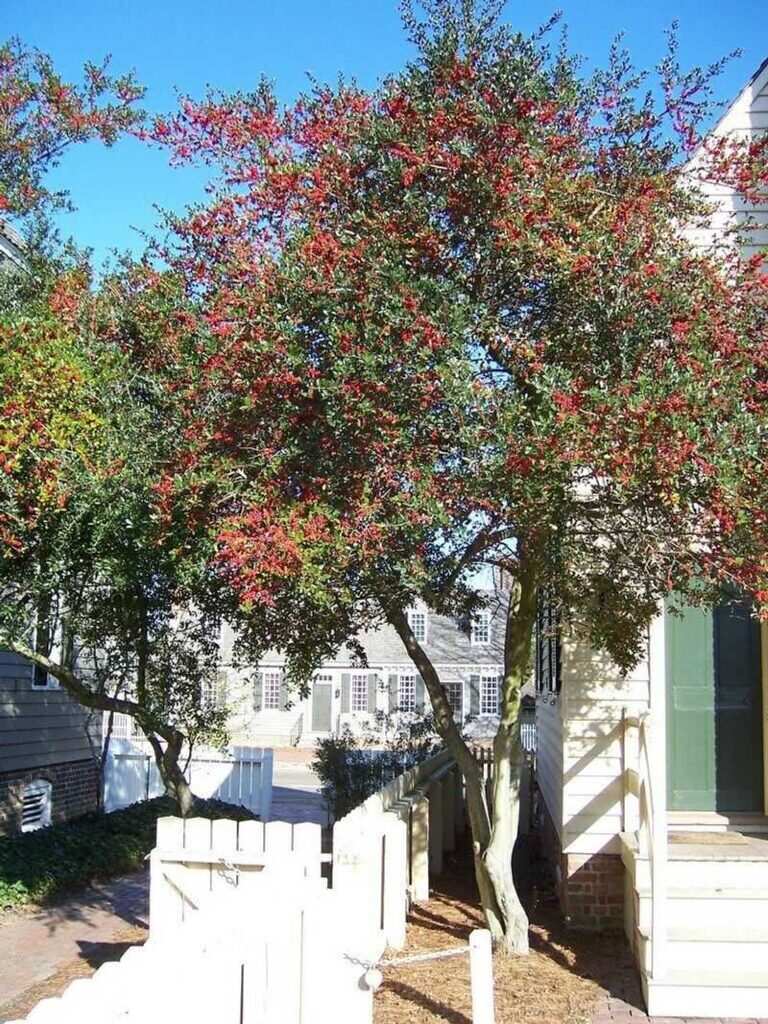
A soft, catlike call from the hedge may mean a gray catbird has settled into your Florida yard. Many arrive in fall and spend winter slipping through thick plants in search of fruit and insects.
Native shrubs can turn an open yard into a safer feeding spot while adding color and privacy. These seven choices offer different kinds of cover and fruit, with options for both cooler North Florida gardens and frost-free southern yards.
1. American Beautyberry
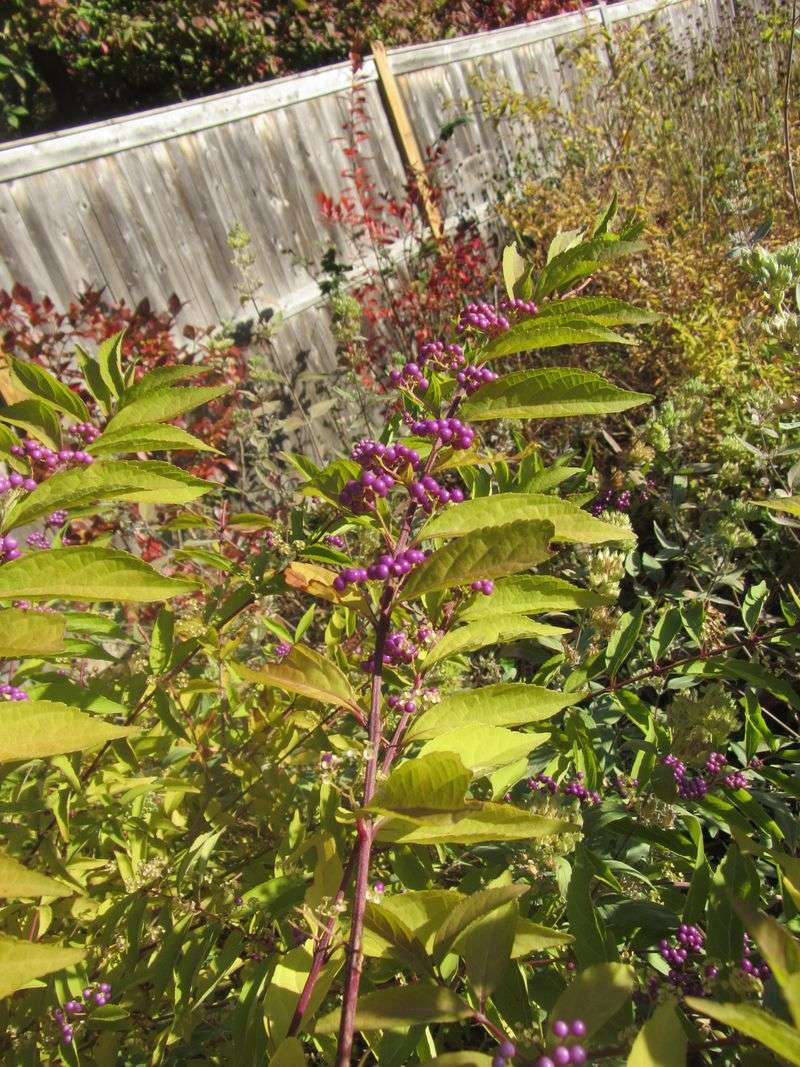
Purple berries stacked around arching stems make this shrub look dressed for a backyard party. For a gray catbird arriving in fall, those clusters can also mean an easy meal close to shelter.
American beautyberry, Callicarpa americana, grows across Florida and usually reaches about 4 to 8 feet tall. Give it partial shade or sun, room to spread, and a well-drained spot along a woodland edge or informal border.
Its strongest contribution is early-season fruit, not guaranteed berries all winter. Birds may strip the branches quickly, and the shrub often loses its leaves during cooler weather, especially in North Florida.
Pair beautyberry with an evergreen shrub from this list so feeding birds have somewhere leafy to retreat. That combination works better than relying on a single plant for both food and winter protection.
Water regularly while roots establish, then adjust to rainfall and soil moisture. If pruning is needed, do it in late winter before spring growth, rather than cutting off developing fruit during the growing season.
2. Yaupon Holly
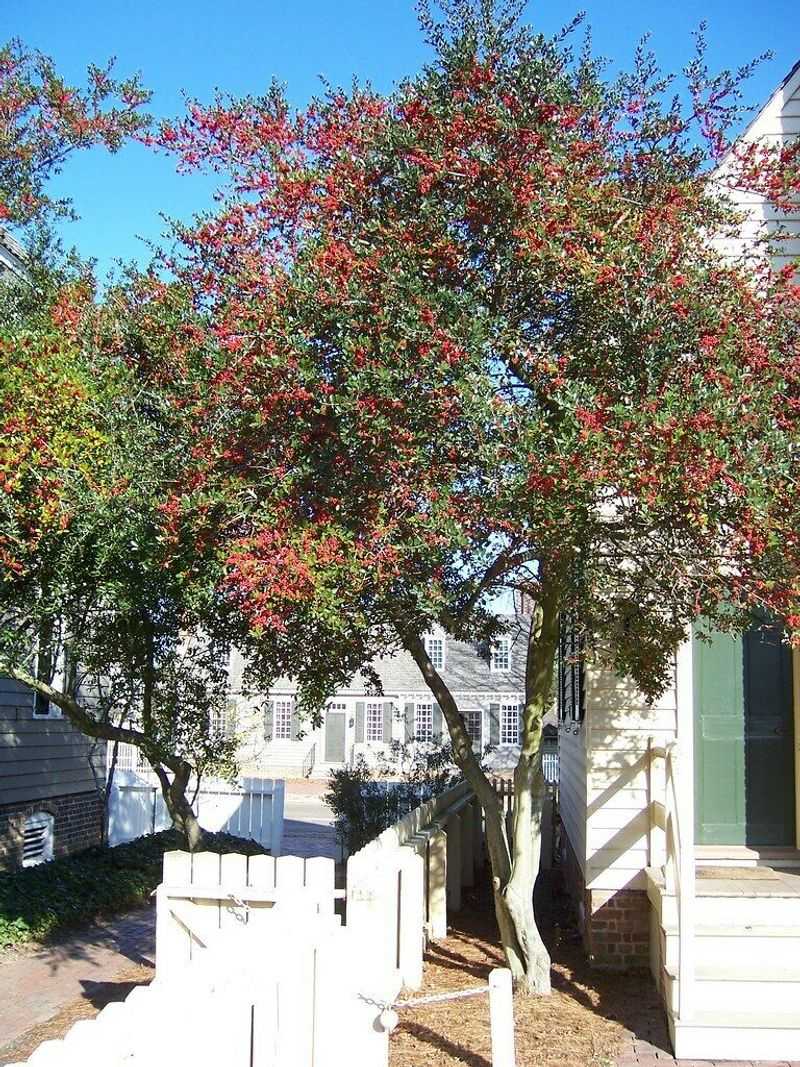
A leafy hiding place matters just as much as a full berry crop. Yaupon holly supplies that year-round structure, making it a useful backbone for a catbird-friendly border in much of Florida.
Ilex vomitoria can become a large shrub or small tree, often reaching 15 to 20 feet if left untrimmed. Its small evergreen leaves and branching growth create shelter without requiring a tightly clipped hedge.
Only female plants produce the familiar red fruit, and they need pollen from a nearby male yaupon. Ask a native nursery for a fruiting female and help choosing a suitable pollination partner if none grows nearby.
Choose a sunny to partly shaded site with enough space for the plant’s mature size. Established yaupon handles sandy soil and dry spells well, although newly planted shrubs still need steady watering.
Avoid dwarf selections if berries are your main goal, since many common dwarf forms are male. Prune lightly instead of shearing every surface, which removes fruiting growth and makes the planting less useful to birds.
3. Wild Coffee
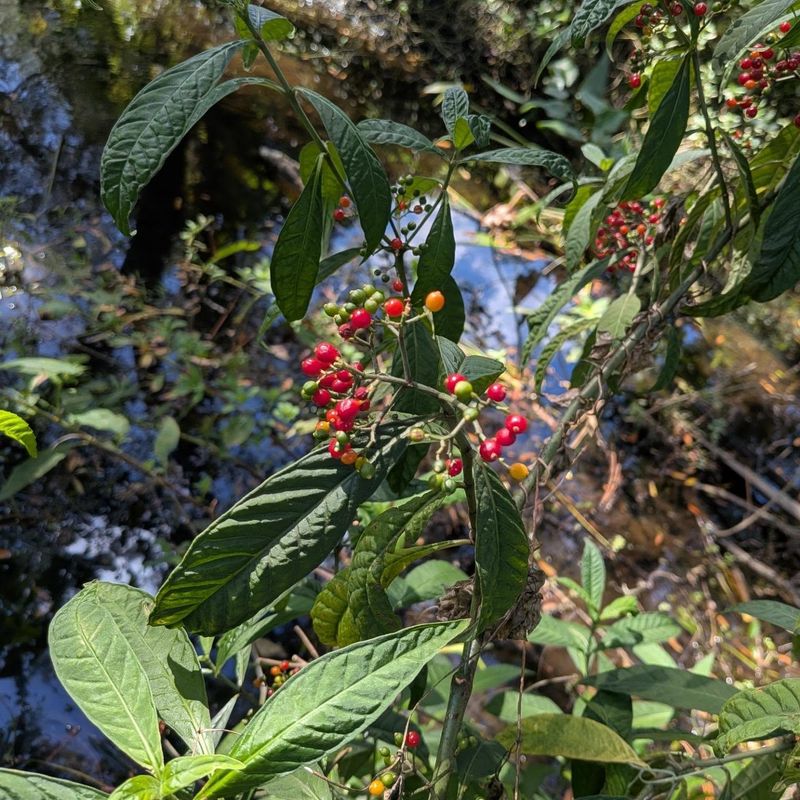
Under a tree canopy, glossy leaves can do more than brighten a dark corner. Wild coffee offers dense foliage and small fruits in the shaded spaces where many sun-loving berry shrubs struggle.
The native species Psychotria nervosa is best suited to Central and South Florida, especially protected sites with little frost. It commonly grows about 4 to 10 feet tall, with strongly textured leaves that give a planting a lush look.
Small white flowers are followed by red fruits that attract fruit-eating birds, including catbirds. Flowering and fruiting vary with local conditions, so treat it as one part of a mixed food supply rather than a fixed winter berry calendar.
Plant it in partial to full shade with well-drained soil, and water during establishment. A layer of leaf mulch helps sandy ground hold moisture, but keep mulch away from the stems.
Let several plants form a loose group beside a shaded patio or beneath taller trees. Despite its common name, wild coffee is not the plant used to make ordinary coffee, so enjoy it as wildlife habitat rather than a beverage crop.
4. Marlberry
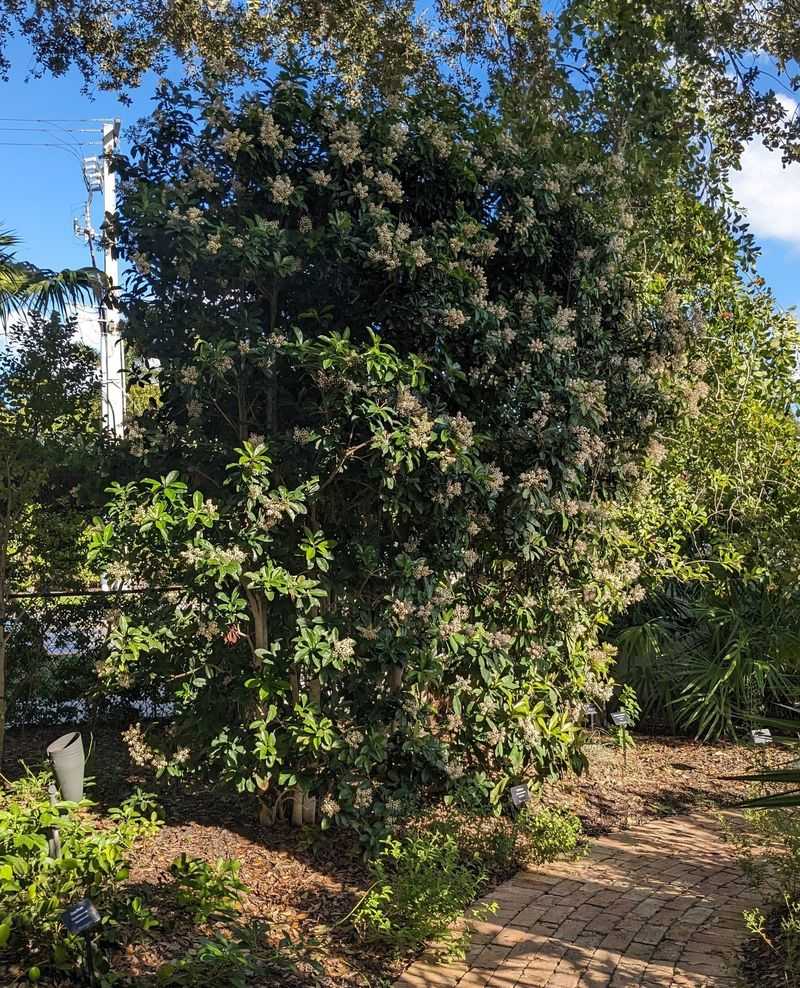
Privacy plantings become more useful when birds can eat from them, too. Marlberry brings height, evergreen cover, and dark fruit to warm Florida yards without relying on a nonnative hedge.
Ardisia escallonioides is native to Central and South Florida and can reach roughly 10 to 20 feet. Think of it as a large screening shrub or small understory tree, not a compact plant for beneath a low window.
Its fruits ripen to purple-black and provide food for birds. Fruiting time varies, but its lasting foliage gives catbirds a sheltered place to move between feeding stops even when ripe fruit is scarce.
Use marlberry in sun or partial shade on a well-drained site. It is especially useful in warm coastal landscapes, though a protected location is wiser than an exposed spot receiving direct salt spray.
Check the botanical name when buying. Marlberry is different from invasive coral ardisia, Ardisia crenata, which should not be planted.
Allow natural branching near the ground where space permits. Removing every lower limb may make mowing easier, but it also removes the concealed pathways that shy birds favor.
5. Simpson’s Stopper
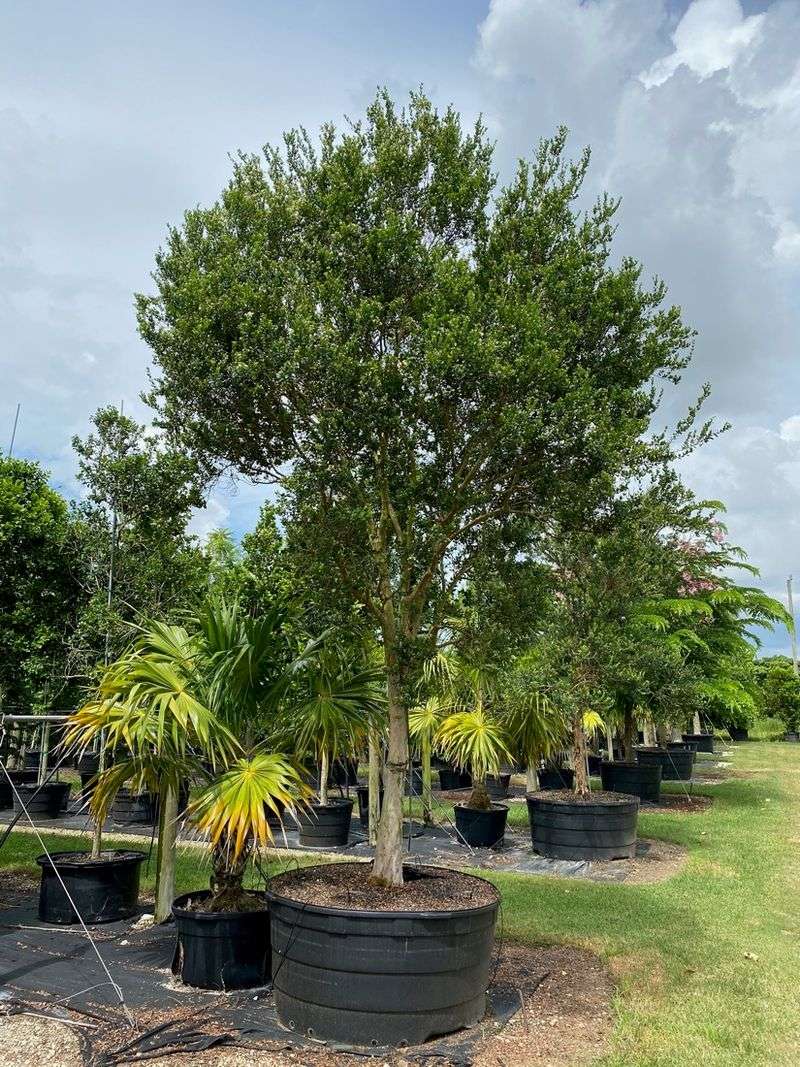
Small white flowers, orange-red fruit, and handsome evergreen leaves give this shrub more than one season of appeal. Simpson’s stopper is a good choice when a wildlife planting also needs to look tidy near the house.
Myrcianthes fragrans grows best in Central and South Florida, with cold protection needed near its northern limits. Depending on conditions and pruning, it can remain a substantial shrub or develop into a small tree.
Catbirds and other fruit-eating birds can use its berries, while the branching canopy supplies cover. Flowers and fruit may appear at different times in warm areas, but no individual plant should be expected to provide ripe berries continuously.
Choose sun to partial shade and well-drained soil. Once established, it tolerates dry periods, making it practical for many sandy Florida yards that are not regularly flooded.
For a screen, space plants according to their expected mature spread rather than crowding nursery pots together. Light, selective pruning preserves a softer shape and leaves more flowering growth than frequent shearing.
Place it where you can enjoy the flowers from a path, while leaving a quiet side for birds to enter undisturbed.
6. Firebush
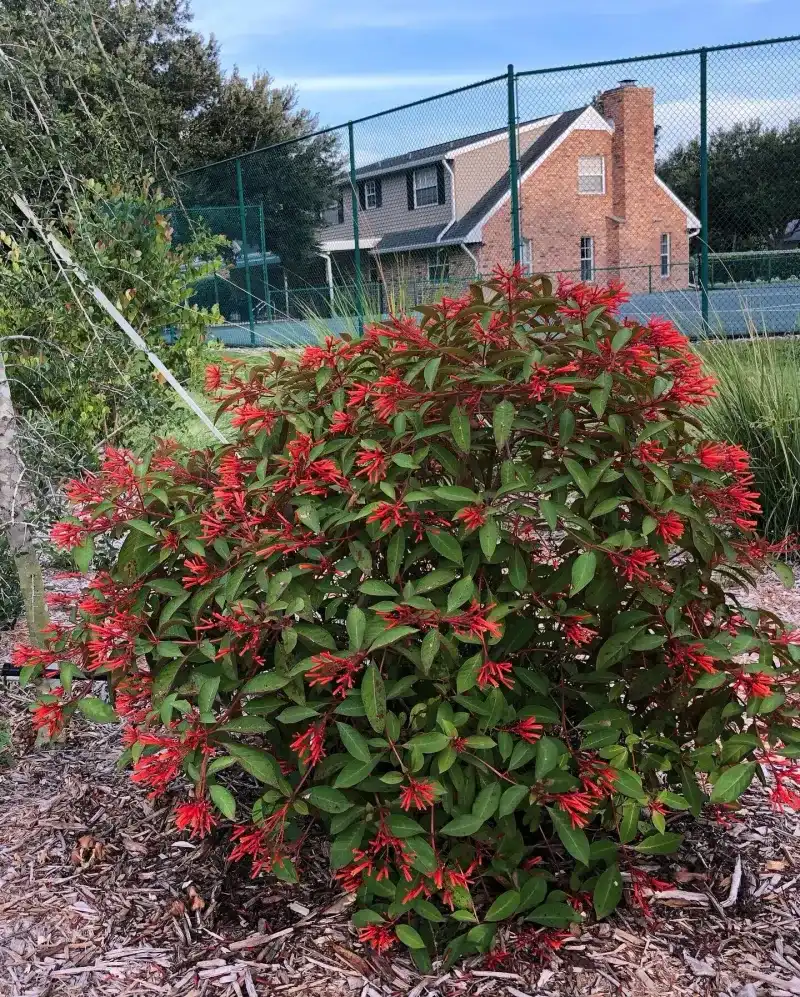
Butterflies may get the attention, but the dark berries deserve a closer look. Firebush feeds more than flower visitors, and its loose branches give catbirds places to perch while searching for ripe fruit.
For wildlife gardening, ask for Florida’s native Hamelia patens var. patens. Nursery labels can be confusing, so buying from a knowledgeable native grower helps you avoid substituting a different form sold under the same common name.
In frost-free South Florida, firebush can remain leafy and produce flowers and fruit over a long season. In cooler parts of the state, frost may kill the stems back, making it an unreliable source of winter cover there.
Give it sun to partial shade, well-drained soil, and generous room. Warm-climate plants can reach 8 to 12 feet or more, although size varies with weather and maintenance.
Use it toward the back of a sunny border where its relaxed shape will not block a walkway. Skip constant trimming, which removes flowers and developing berries.
For Central Florida gardens with occasional freezes, pair firebush with a cold-hardy evergreen. Birds then retain shelter even if a cold night leaves this shrub bare.
7. Dahoon Holly
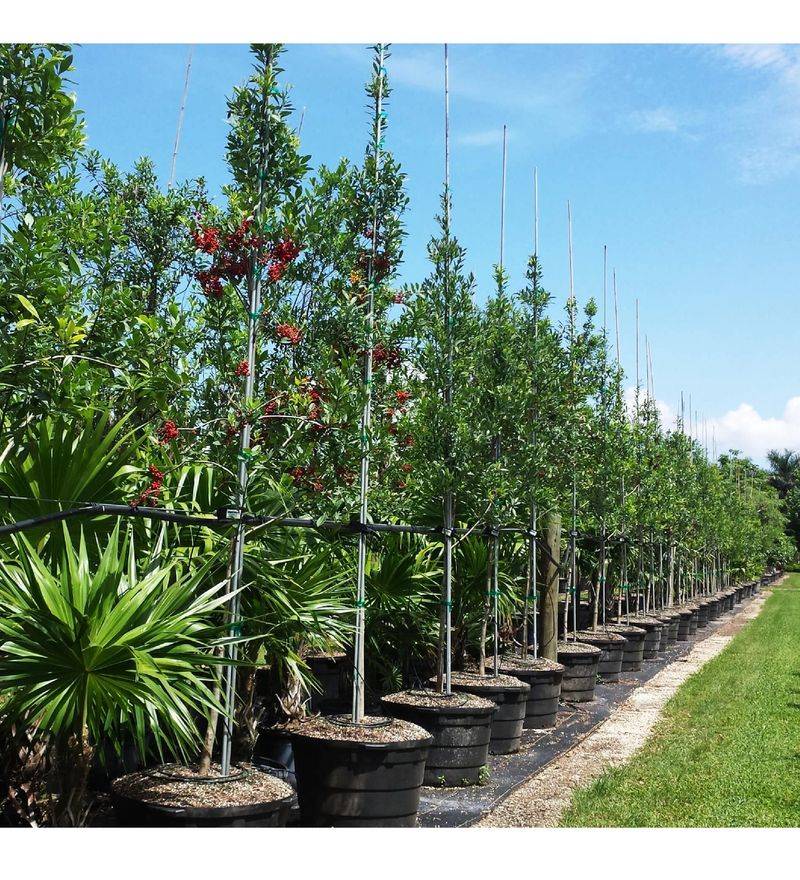
That low corner that stays damp after rain calls for a different plant than a dry sandy border. Dahoon holly is the moisture-loving option here, bringing evergreen shelter and red fruit to suitable Florida sites.
Ilex cassine naturally grows in wet areas and can become a tree around 20 to 30 feet tall. Choose it for a roomy rain-garden edge or large landscape screen, not a narrow foundation bed that will require constant cutting.
Female plants bear berries when a compatible male supplies pollen. Ask the nursery about plant sex and pollination before buying, especially if your goal is dependable fruit production rather than foliage alone.
Sun to partial shade works well, with moist, acidic soil providing a better fit than a dry, alkaline planting spot. Although established plants tolerate some drying, a hot sandy rise without irrigation is not their easiest home.
Where space allows, retain lower branches so catbirds can shelter below eye level. Mix dahoon with smaller shrubs to create several layers instead of a bare-trunked row.
Across the whole planting, leave some leaf litter, avoid unnecessary insecticides, and keep cats indoors. Berries help, but safe cover and insect food make the yard more useful throughout winter.