
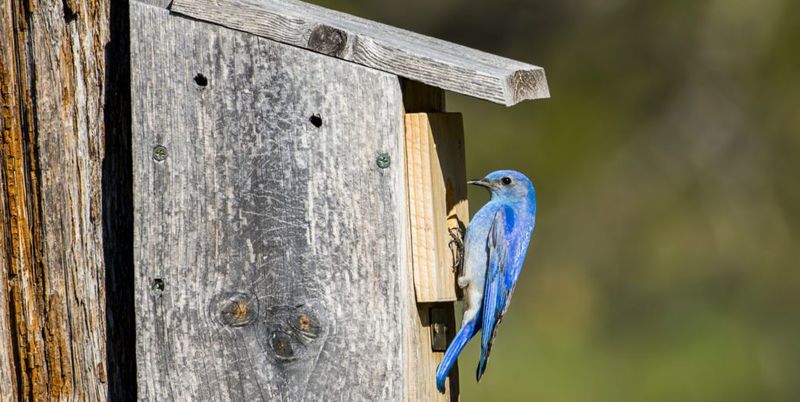
Few sights brighten a cool California morning like a flash of blue on a fence wire. Western Bluebirds may travel in small winter groups, and the right yard features can give them a useful place to feed and rest.
Some of the most common advice about them is only partly true, though. Here is what actually helps, and what to skip.
A winter flock is possible, not promised
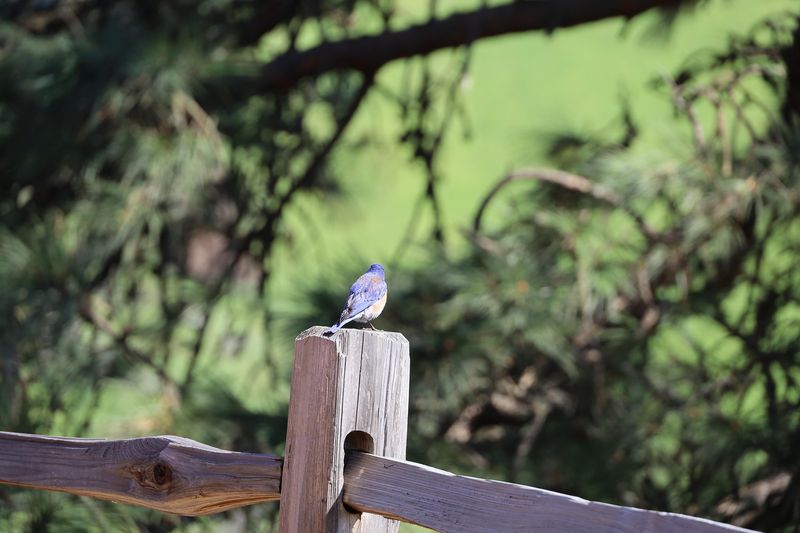
Picture a cold January morning in a California yard. A few Western Bluebirds drop onto a fence, scan the ground, and move on.
Whether that happens at your place depends on much more than your planting choices.
According to California’s wildlife habitat account for the species, bluebirds in the state may stay in one area year-round or make local, irregular seasonal movements. Winter distribution also shifts from year to year, partly with the food that is available.
One neighborhood may host a flock this winter and see none next winter.
That is why this guide talks about making a yard more welcoming rather than keeping birds coming back. Fruiting plants, open ground, perches, cover, and water are habitat improvements.
They give wintering birds something useful if they happen to be nearby.
They cannot set a schedule for the birds. If a flock does not show up, your yard is still better for local wildlife, and that is a result worth having.
Pair open foraging space with perches and cover
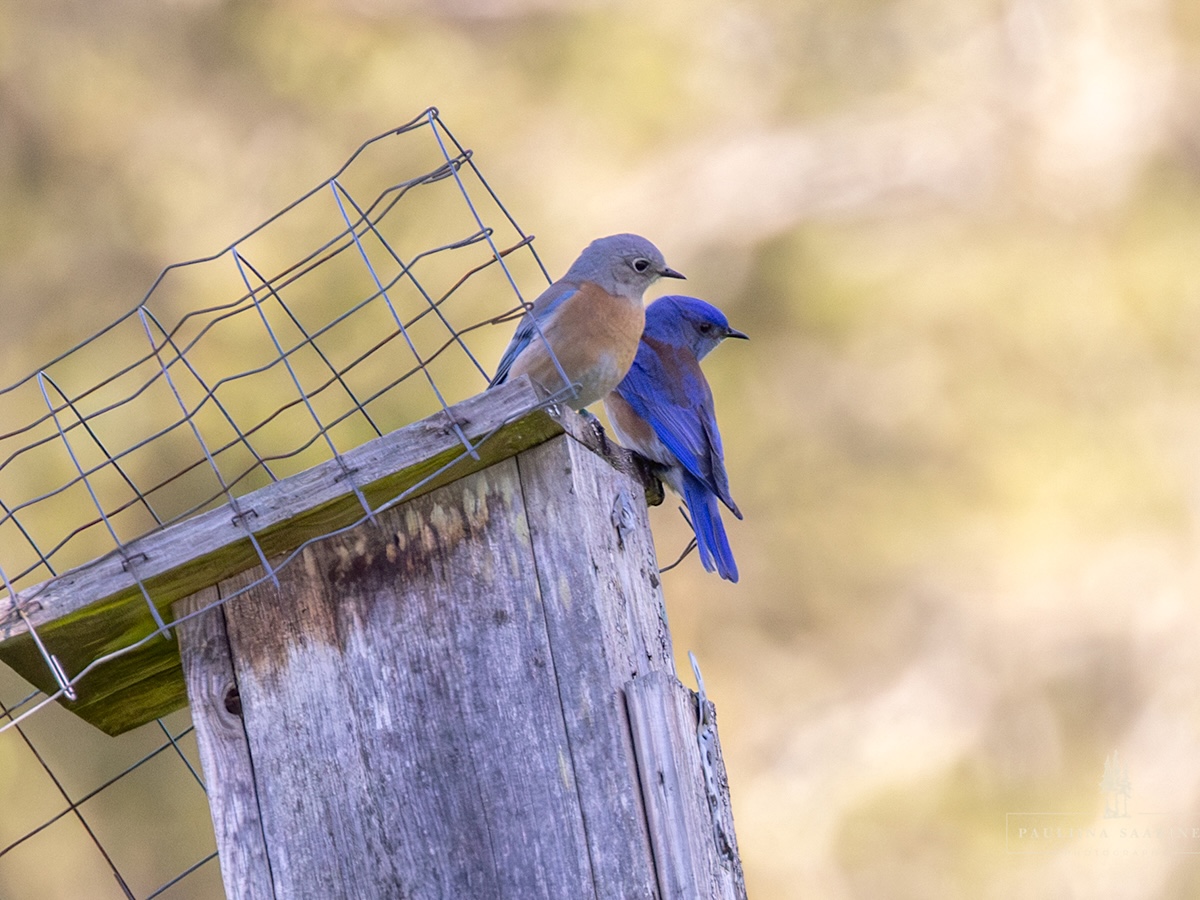
Bluebirds hunt like tiny flycatchers. They sit on a low perch, watch the ground or nearby leaves, then pounce.
A yard that lets them do that is already ahead of one packed edge to edge with plants.
The state wildlife account describes open habitat with perches nearby, plus trees or large shrubs for cover. You can build that pattern at home without a big remodel.
Start with open ground. A patch of lawn, a gravel-free meadow of short grass, or a lightly planted clearing gives birds a clear view.
In a water-wise yard, a small low-water groundcover area can serve the same purpose as turf.
Next, add low perches at the edges of that open space. Existing shrubs, a low branch, a fence rail, or a sturdy post can all work.
Keep them within easy sight of the open area.
Finally, think about cover. A mature oak, a large toyon, or a thick shrub border close by gives birds a place to retreat when a hawk passes.
Leave a bit of space between cover and your open area so the birds can still see what is happening below.
Treat all of this as habitat support. A single perch will not summon a flock, but a layout that fits how bluebirds feed gives them a reason to linger if they pass through.
Choose winter fruit that suits your California site
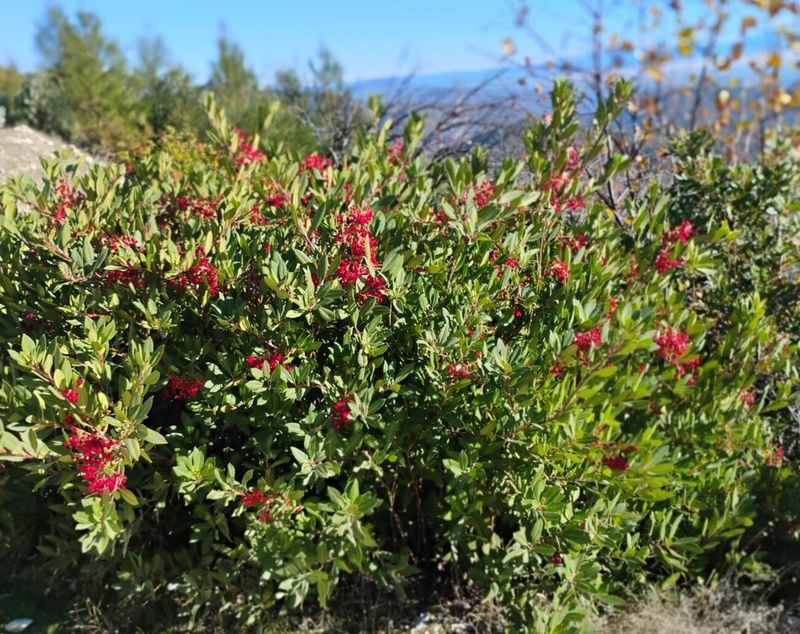
When insects slow down in cold weather, berries and small fruits fill the gap. That makes fruiting shrubs one of the most useful things a winter yard can offer.
A UC ANR bluebird guide lists California plants the birds may use, including toyon, elderberry, California grape, serviceberry, redberry, and juniper. Think of that list as a place to start your research, not a shopping list for every yard.
Fit matters a lot in California. A coastal garden, an inland valley lot, and a foothill slope have different soils, frost patterns, and summer heat.
Some of these plants want more water than others, and some grow large enough to crowd a small yard.
As one example, a California Native Plant Society chapter describes toyon as drought tolerant and a winter food and cover plant for Western Bluebirds. Even so, its notes are tied to a specific region.
Before you buy, check a few things:
- Your climate zone and frost risk
- Sun, soil, and mature plant size
- How much irrigation you can realistically provide
- Whether a local native plant nursery carries a regional form
Planting several fruiting species also spreads out the harvest, so something may be ripe at different points in winter. Berries help, but they do not guarantee visitors.
Offer clean water
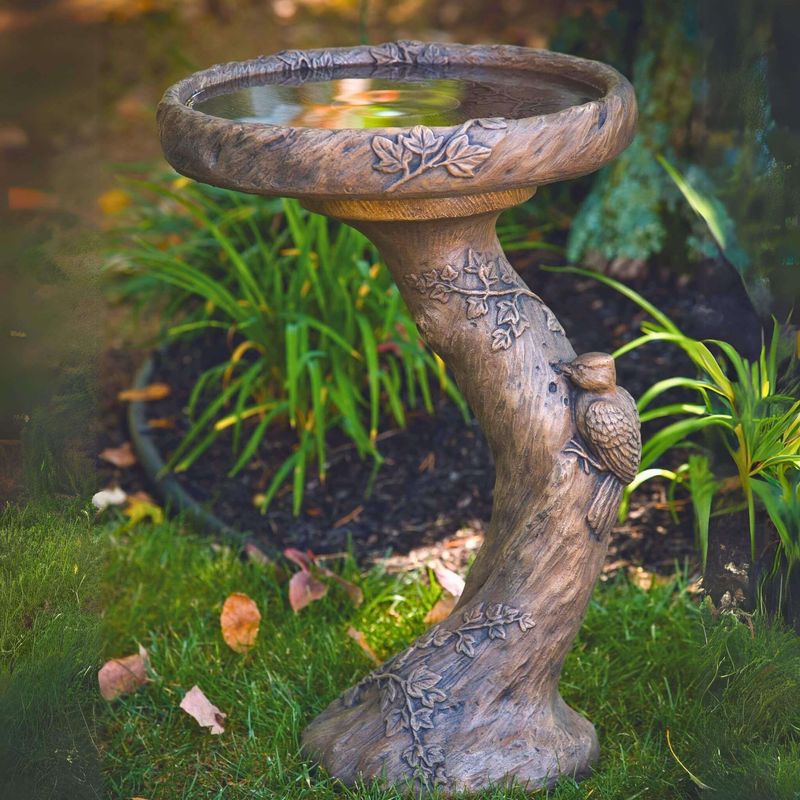
Water is easy to overlook in winter, yet birds still drink and bathe. A shallow birdbath offers a simple, low-water way to add another useful feature.
The UC ANR bluebird guide notes that a year-round water source may help birds. Keep it shallow, with a rough or sloped surface so small feet can grip.
Cleanliness matters as much as the water itself. U.S.
Fish and Wildlife Service guidance points to frequent birdbath cleaning to reduce disease risk.
A quick routine works well. Dump the old water, scrub away slime with a brush, rinse, and refill.
Do it every few days, and more often when the weather is warm or the bath looks dirty.
Place the bath near shrubs but not so close that a cat could hide beside it. A spot within view of your perches lets you watch who stops by.
Bluebirds are not dependable grub-and-cutworm control
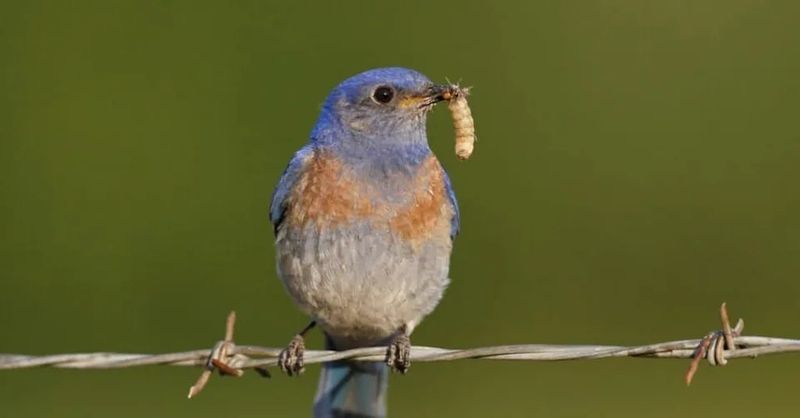
Many yard articles suggest that a winter flock will clear out lawn grubs and cutworms. That promise is too big for what we know.
Western Bluebirds do eat insects, but in winter they lean heavily on fruit and seeds. The California wildlife account also describes them pouncing on prey at the ground surface or on vegetation.
That is different from digging hidden grubs out of soil.
So where does the pest-control idea come from? Part of it is a vineyard study, which found more removal of sentinel beet armyworm larvae where nest boxes increased insect-eating birds.
Those larvae were placed out as test prey.
Keep the setting in mind. The work took place in managed vineyards during the breeding season.
It does not show meaningful pest reduction in a home garden, and it says nothing about winter flocks.
The practical message is simple. Enjoy bluebirds for what they are, a lively part of a wildlife-friendly yard.
If you have a lawn problem, deal with it using real diagnosis rather than hoping birds will handle it.
Diagnose lawn damage before treating it
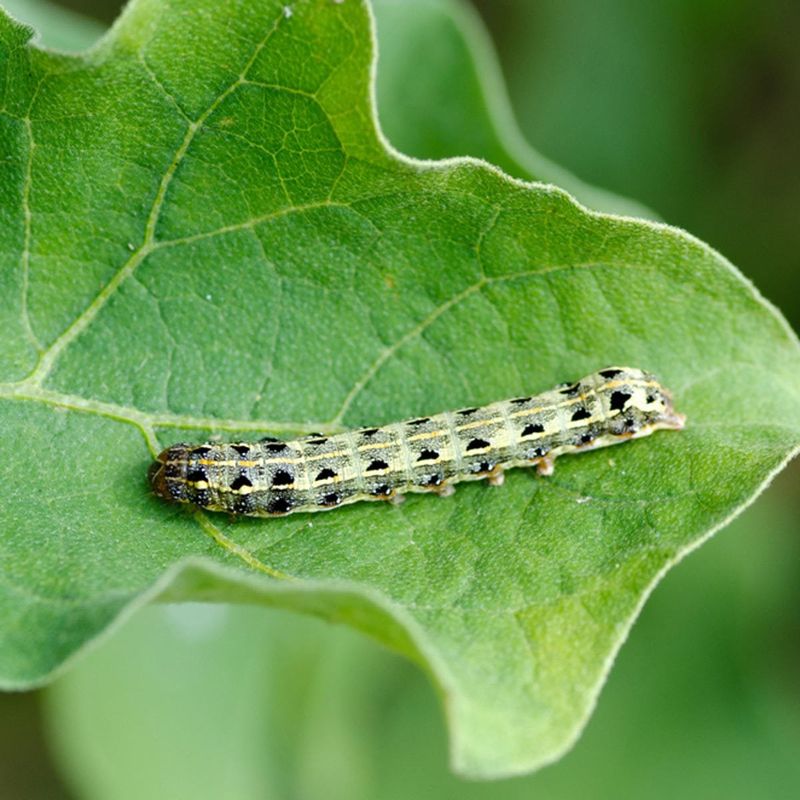
A brown patch looks like an insect problem, but often it is not. According to UC IPM’s lawn insect guidance, insect damage is uncommon in California lawns, and dry spots, disease, pet urine, compacted soil, and irrigation gaps can all cause similar damage.
Start by looking closely. Check whether the patch lines up with sprinklers, shade, or a dog’s favorite corner.
Tug the turf to see if roots are intact.
If you suspect cutworms or armyworms, UC IPM describes a soapy-water drench test. Mix a small amount of dish soap into water, pour it over a square yard of suspect lawn, and watch for larvae rising to the surface.
Treatment is worth considering only when you find more than five larvae per square yard. Below that, a healthy lawn can usually recover on its own with good watering and mowing.
If you decide a pesticide is necessary, EPA advice on reducing pesticide impacts on wildlife says to follow the label, use products only when needed, and limit treatment to affected areas.
Broad-spectrum sprays can also harm beneficial insects and wash into waterways, so spraying the whole yard rarely makes sense.
Nest boxes serve nesting habitat, not winter flocks

A nest box is a fine project, but it answers a different question. It supports birds that are looking for a place to raise young, not a winter flock looking for a snack.
The UC ANR bluebird guide recommends inspecting and cleaning boxes in the fall. Doing so clears old nesting material and gets the box ready for the next breeding season.
If you are thinking about putting one up, read the UC ANR nest box factsheet first. It gives Western Bluebird box specifications and a clear caution: nest boxes are not suitable where outdoor cats pose a risk to fledglings.
That warning is worth taking seriously. Young birds leave the nest before they can fly well, and a free-roaming cat can reach them easily.
Treat the box as optional. Fruit, perches, and water make more sense as winter features, while a box is a spring and summer project for yards that can protect the birds.
Offer habitat without expecting a guarantee
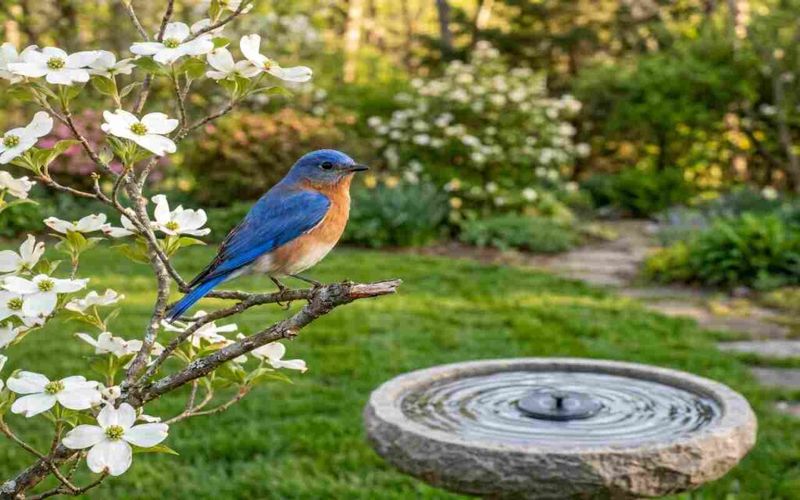
Pull the pieces together in a way that fits your yard: fruiting plants chosen for your region, an open patch with nearby perches and cover, and a clean birdbath. The UC ANR list of bluebird plants is a good place to begin.
Keep lawn care grounded in UC IPM’s diagnosis steps, not in hopes that birds will do the job.
A yard built this way may serve bluebirds well, and it will certainly serve other wildlife. Some winters the flock simply goes elsewhere.
When one does stop by, you will have set the table.